 Vista previa
 Compartir
 Compartir
 Ver detalles

 Descargar
 Ver similares
 Radiografía
 Presentación de diapositivas
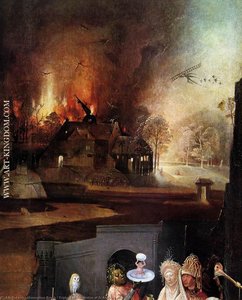
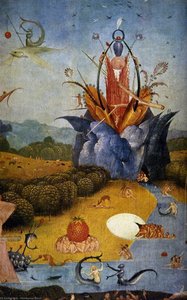
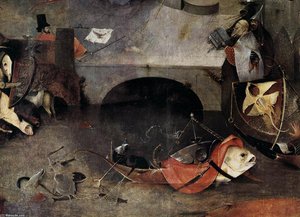
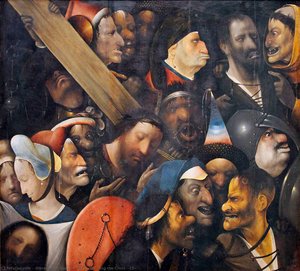
Haywain (detail)
 Óleo sobre lienzo
- Arte de pared
- Early Netherlandish Symbolism
 1502
1502- Baja Edad Media
 135.0 x 90.0 cm
 Leer más
Reproducción al óleo hecha a mano
Óleo sobre lienzo pintado a mano en el tamaño y marco de su elección, realizado por encargo por nuestros artistas. ( Pedir impresión Comprar descarga)




P118B $10

P118H $10

P118W $10

P438Z $10

P508JH $12

P508YH $12

P805H $10

P805Z $10

P919BZ $10

P919G $10

P919XJ $10

P959ZH $10

P968JZ $12

W106C $8

W218G $10

W218JH $8

W218Y $10

W307PJ $10

W316G $10

W316PJ $8

W316Y $10

W398PJ $8

W4111J $10

W500HY $15

W500JH $15

W692G $12

W849H $8

W940BG $15

W953PJ $8




Elija entre nuestros tamaños predefinidos que respetan las proporciones originales de la obra.

Puede ingresar sus propias dimensiones para adaptarse a un marco o espacio específico. Si el tamaño seleccionado no coincide con las proporciones de la imagen original, recortaremos la obra o extenderemos la pintura con elementos adicionales pintados a mano. Se le enviará una maqueta digital para su aprobación antes de comenzar la producción.
Tenga en cuenta que la vista previa en pantalla no refleja el recorte o la extensión reales. Solo la maqueta mostrará con precisión la composición final.
Si bien existen tamaños personalizados, recomendamos seleccionar una dimensión de la lista predefinida para preservar las proporciones originales.
Tras realizar el pedido, el equipo de ArtsDot.com enviará un correo electrónico al cliente para solicitar instrucciones y proporcionarle una vista previa del boceto.
Envío a todo el mundo () en 3-4 semanas en lugar de las 5 semanas estándar. (22 agosto). Sin comprometer la calidad.

Envío exprés gratuito a todo el mundo

Lienzo de lino de alta calidad

Seguro de envío completo

Garantía de reembolso de aranceles aduaneros

Garantía de fidelidad cromática exacta

Política de devolución de 60 días (solo por defectos)

Garantía de devolución del 100% del dinero

Oferta por volumen
 La opción de vidrio solo está disponible en tamaños inferiores a 110 cm.

Haywain (detail)
Técnica de reproducción
Tamaño de la reproducción
-


Precio total
$ 263
Descripción de la obra
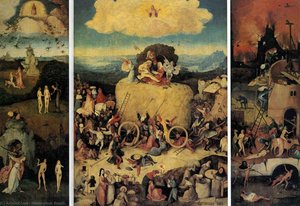
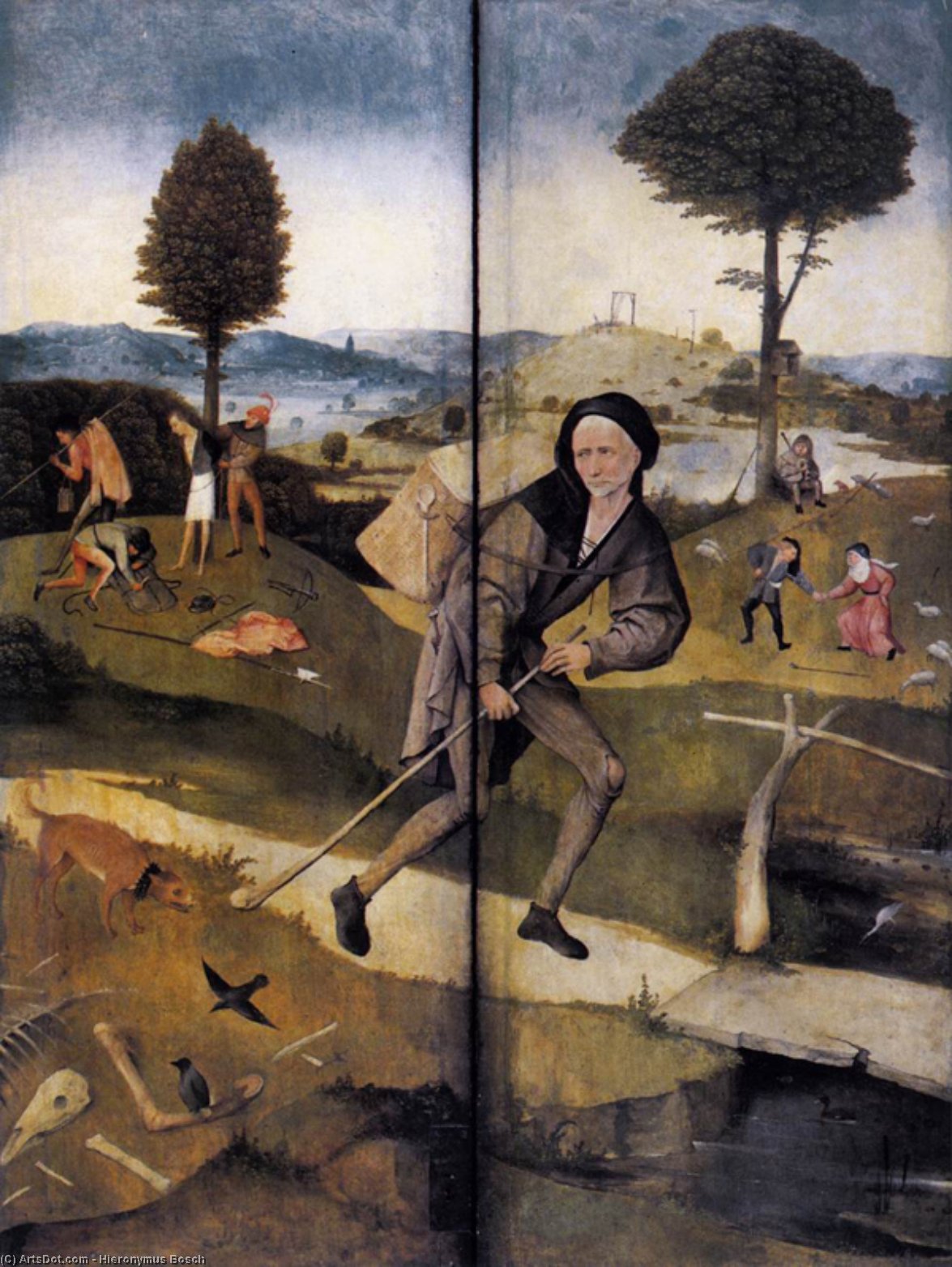
A Study in Solitude: Hieronymus Bosch’s ‘Haywain’ (Detail)
This meticulously rendered detail from Hieronymus Bosch's iconic “Haywain” offers an intimate glimpse into the unsettling world of a man adrift amidst a landscape teeming with symbolic weight. Painted in 1502, this work transcends mere representation; it is a profound meditation on human isolation, religious anxiety, and the precariousness of earthly existence – hallmarks of Bosch’s uniquely visionary style. The scale of 135 x 90 cm allows for an immersive experience, inviting the viewer to contemplate the scene's complexities with a focused intensity.
The Figure and its Burden
At the heart of this detail stands a solitary figure, a man seemingly lost in contemplation as he traverses a field. He clutches a substantial staff – a traditional symbol of authority, guidance, or even penance – suggesting a burden carried not just physically but also spiritually. The posture itself is one of weary resignation, hinting at a profound sense of detachment from the surrounding world. Bosch’s masterful use of shading and texture imbues the figure with an almost palpable weight, reinforcing the feeling of isolation and perhaps foreshadowing themes of sin and redemption that permeate his oeuvre.
- Staff as Symbol: The staff is a multifaceted emblem, representing both earthly authority and spiritual guidance.
- Posture & Emotion: The figure’s slumped posture conveys weariness, doubt, and perhaps a sense of moral struggle.
- Color Palette: Earth tones dominate, reflecting the bleakness of the landscape and the man's internal state.
A Landscape of Disquiet – Symbolism in Detail
Bosch’s landscapes are rarely serene; they are meticulously constructed allegories designed to provoke thought and challenge conventional interpretations of religious doctrine. The surrounding field, dotted with trees and populated by a diverse array of birds, is laden with symbolic meaning. Birds, often associated with the soul or messengers from heaven, appear both grounded and soaring – representing the duality of human aspiration and earthly limitations. The arrangement of figures within the scene suggests a microcosm of society, reflecting anxieties about sin, judgment, and salvation. Bosch’s meticulous attention to detail—the textures of the clothing, the expressions on the faces—further amplifies the painting's unsettling effect.
Technique and Historical Context
Executed in oil on panel, this detail showcases Bosch’s exceptional technical skill. His use of glazing techniques creates a luminous quality that brings the scene to life while simultaneously contributing to its dreamlike atmosphere. Painted during the High Renaissance, Bosch's work stands apart due to its intensely personal and often disturbing vision. He was working within a period of religious upheaval and social change, reflecting anxieties about morality, heresy, and the corruption of the Church. The “Haywain” itself is believed to be a depiction of a peasant’s life, but Bosch transforms this seemingly simple subject into a powerful commentary on human nature.
- Oil on Panel: Bosch's mastery of oil painting allowed for rich colors and detailed textures.
- High Renaissance Influence: While innovative, his work still reflects the artistic trends of the time.
- Religious Anxiety: The painting’s themes resonate with the anxieties of 16th-century Europe.
This hand-painted reproduction offers a unique opportunity to own a piece of art history – a tangible connection to the visionary genius of Hieronymus Bosch. Its evocative power and intricate detail will undoubtedly enrich any interior space, sparking contemplation and inviting viewers to delve into the mysteries of this enduring masterpiece.
Obras relacionadas
Biografía del artista
vida y carrera
Hieronymus Bosch, un pintor holandés/niederlandés destacado de Brabante, nació alrededor de 1450 en ‘s-Hertogenbosch, Países Bajos. Su vida permanece envuelta en misterio, con solo unos pocos registros de su existencia. A pesar de la falta de información biográfica, el arte de Bosch ha tenido un impacto profundo en el arte europeo del norte, particularmente en el siglo XVI.estilo artístico e influencias
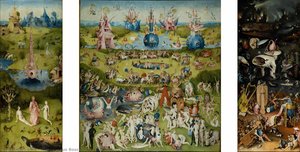
El estilo único de Bosch, caracterizado por **representaciones surrealistas e imaginativas de temas religiosos**, ha sido ampliamente influyente. Sus pinturas al óleo sobre madera, a menudo que presentan **visiones inquietantes y de pesadilla del infierno**, han sido objeto de numerosas interpretaciones. El Triptico del Juicio Final (c. 1480-1490) y el Jardín de las Delicias (c. 1490-1510) son dos de sus obras más celebradas, que muestran su maestría en el medio.obras notables y colecciones
* Ascenso de los Benditos (renacimiento del norte, óleo sobre tabla): un ejemplo raro del trabajo de Bosch, que presenta una escena onírica y otrosa. * Epifanía (c. 1495, Museo Prado, Madrid): Un triptico que demuestra el uso innovador de óleo sobre madera por parte de Bosch. * Cabeza de un Halbedero (Museo Prado, Madrid): Un buen ejemplo de la pintura al óleo de retrato de Bosch, que muestra su atención al detalle.museos y colecciones que exhiben el trabajo de Bosch
* El Museo Prado, Madrid: Hogar de algunas de las obras más famosas de Bosch, incluyendo la Epifanía y el Triptico del Juicio Final. * El Museo de Arte de Filadelfia, Filadelfia: Presenta una versión de la Epifanía, ofreciendo una perspectiva única sobre el estilo artístico de Bosch.- Explore más obras de Hieronymus Bosch en https://ArtsDot.com/@/hieronymus-bosch
- Descubra el movimiento del arte flamenco temprano y sus figuras clave, incluyendo a Jan van Eyck y Pieter Bruegel el Viejo, en https://ArtsDot.com/@@/a@d3cpaf-the-erly-netherlandish-art-movement
- Aprenda más sobre la vida y obra de Pieter Bruegel el Viejo en https://en.wikipedia.org/wiki/pieter_bruegel_the_elder
legado
El estilo enigmático de Hieronymus Bosch ha cautivado a los entusiastas del arte durante siglos, y su influencia aún se puede ver en la obra de numerosos artistas. Su combinación única de **surrealismo e ideas profundas sobre la condición humana** ha solidificado su lugar como maestro de la pintura flamenco.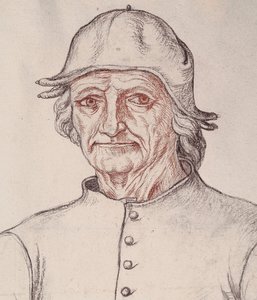
Jerónimo Bosch
1450 - 1516 , Países Bajos
Datos clave
- Artistas Influenciados: ['Pieter Bruegel el Viejo']
- Fecha De Muerte: 1516
- Fecha De Nacimiento: c. 1450
- Lugar De Nacimiento: 's-Hertogenbosch, Países Bajos
- Movimiento Artístico: Primitivos Flamencos
- Nacionalidad: Holandés
- Nombre Completo: Jerónimo Bosch
- Obras Notables:
- El Jardín de las Delicias
- Tríptico del Juicio Final
- Ascenso de los Benditos
- Epifanía
Artículos relacionados
Hieronymus Bosch: Las 25 Obras Maestras del Genio Medieval | Arte y Decoración
Descubre las 25 obras maestras de Hieronymus Bosch, el enigmático pintor medieval. Explora 'El Jardín de las Delicias' y su simbolismo único. Reproducciones de arte de alta calidad para tu hogar en ArtsDot.com.
Las 10 Obras Maestras del Alto Medieval: Arte, Historia y Decoración Exclusiva
Descubre las 10 obras maestras del Alto Medieval. Explora la historia, el simbolismo y la belleza de la pintura románica y gótica. Reproducciones exclusivas en ArtsDot.com para decorar tu hogar con arte atemporal.

Giclée Prints: Archival Quality & Aesthetic Nuances for the Discerning Collector
Explore the world of giclée prints with ArtsDot. Learn about archival quality, aesthetic nuances & investment potential. Expert guidance for discerning art collectors seeking museum-quality reproductions and lasting value.
Hieronymus Bosch: Decoding the Visions of a Netherlandish Master
Explore the captivating world of Hieronymus Bosch! Delve into the symbolism, religious context, and artistic innovation of this Netherlandish master with ArtsDot's expert analysis. Discover his iconic paintings & lasting influence.
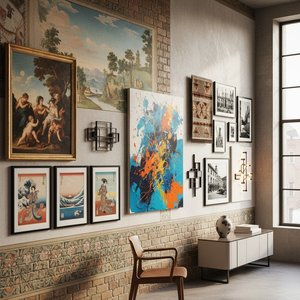
Transforming Spaces: A Comprehensive Exploration of Wall Decor Through Art History & Contemporary Practice
Explore the art of transforming spaces with our comprehensive guide to wall decor. From historical movements to contemporary trends, discover how to curate impactful interiors and commission bespoke artwork for a truly personalized aesthetic.