 Ver en contexto
 Enviar
 Compartir
 Detalles

 Descargar
 Similares
 Radiografía
 Presentación de diapositivas
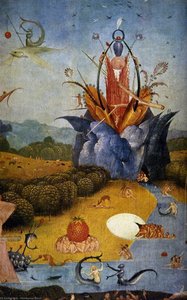
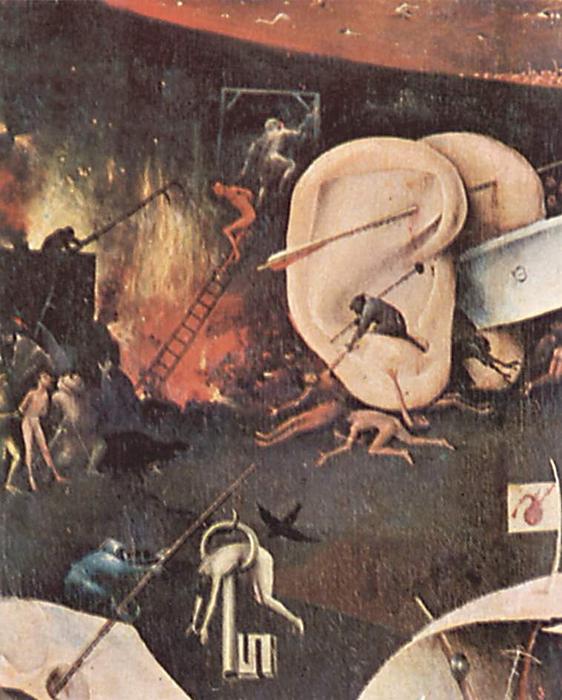
The Garden of Earthly Delights (detail) (10)


 Ver más
Giclée / Impresión de arte
Impresiones giclée o en lienzo de calidad de museo con producción rápida y opciones de acabado flexibles. ( Comprar pintura hecha a mano Comprar imagen)




P118B $10

P118H $10

P118W $10

P438Z $10

P508JH $12

P508YH $12

P805H $10

P805Z $10

P919BZ $10

P919G $10

P919XJ $10

P959ZH $10

P968JZ $12

W106C $8

W218G $10

W218JH $8

W218Y $10

W307PJ $10

W316G $10

W316PJ $8

W316Y $10

W398PJ $8

W4111J $10

W500HY $15

W500JH $15

W692G $12

W849H $8

W940BG $15

W953PJ $8




Elija entre nuestros tamaños predefinidos que respetan las proporciones originales de la obra.

Puede introducir sus propias dimensiones para adaptarse a un marco o espacio específico. Si el tamaño seleccionado no coincide con las proporciones de la imagen original, recortaremos la obra de arte o extenderemos la imagen con un borde con efecto espejo o de color sólido. Se enviará una maqueta digital para su aprobación antes de que comience la producción.
Tenga en cuenta que la vista previa en pantalla no refleja el recorte o la extensión real. Solo la maqueta mostrará con precisión la composición final.
Aunque existen tamaños personalizados, recomendamos seleccionar una dimensión de la lista predefinida para preservar las proporciones originales.
Envío a todo el mundo () en 2 semanas en lugar de las 4/5 semanas estándar. (6 septiembre)

Envío exprés gratuito a todo el mundo

Lienzo de lino de alta calidad

Seguro de envío total

Garantía de reembolso de impuestos aduaneros

Garantía de fidelidad cromática exacta

Política de devolución de 100 días (solo por defectos)

Garantía de devolución del 100% del dinero

Descuento por cantidad
 La opción de vidrio solo está disponible en tamaños inferiores a 110 cm.

The Garden of Earthly Delights (detail) (10)
Giclée / Impresión de arte
Dimensiones de la reproducción
-


Precio total final
$ 62
A Phantasmagoria of the Soul
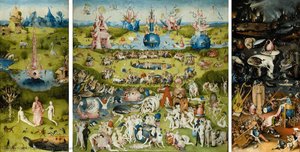
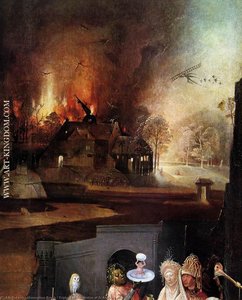
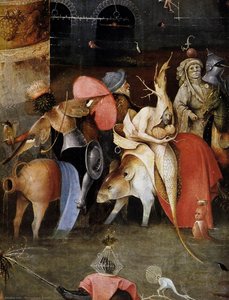
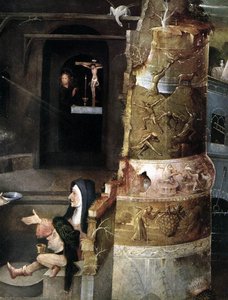
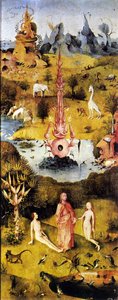
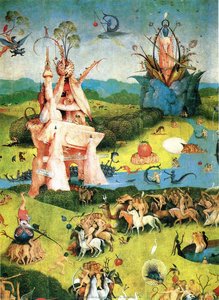
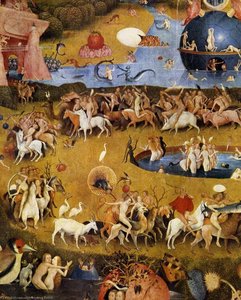
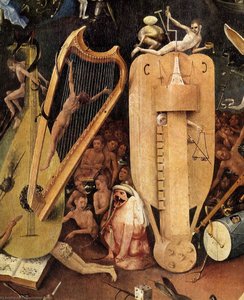
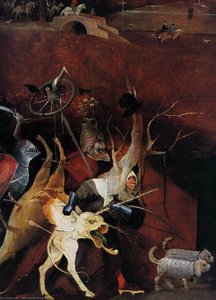
Step into a world where the boundaries between reality and nightmare dissolve into a seamless, surreal landscape. In this intricate detail from Hieronymus Bosch’s legendary masterpiece, we are transported to a realm that defies the logic of the waking mind. The scene is a fever dream of human existence, populated by a chaotic assembly of figures—some reclining in blissful, hedonistic ignorance, others caught in bizarre, almost ritualistic movements. Amidst the lush, otherworldly greenery, oversized birds and strange, anatomical anomalies, such as the prominent, watchful ears that emerge from the foliage, serve to remind the viewer that every element of this garden is steeped in a deeper, often unsettling, symbolic language. It is a landscape of unparalleled imagination, where the grotesque and the beautiful exist in a state of constant, tension-filled dialogue.
The Alchemy of Netherlandish Precision
Bosch’s technical prowess is nothing short of miraculous, bridging the gap between medieval devotion and Renaissance observation. Utilizing the meticulous traditions of Netherlandish panel painting, he applied thin, translucent glazes of oil paint to wood with astonishing precision. This technique allows light to dance through the layers, creating a luminous effect that seems to emanate from within the artwork itself. One can almost feel the uncanny realism of the textures: the rough, organic bark of strange structures, the soft smoothness of human flesh, and the delicate, iridescent feathers of the birds scattered throughout the composition. This masterful manipulation of pigment allows Bosch to convey not only visual splendor but also a profound psychological depth, capturing the very essence of desire and spiritual contemplation through the sheer mastery of light and texture.
Morality Amidst the Chaos
To gaze upon this work is to confront the spiritual anxieties of an era caught in the transition between the waning Middle Ages and the burgeoning Renaissance. Created at the dawn of the 16th century, the painting serves as a profound moral allegory, reflecting a society grappling with religious upheaval and the complexities of human folly. Every creature and every gesture acts as a mirror to the soul, illustrating the delicate, often perilous tension between earthly pleasure and spiritual consequence. Bosch eschews idealized beauty in favor of a deliberately grotesque aesthetic, using the bizarre to critique the sins of humanity. For the modern observer, the painting remains a hauntingly relevant meditation on the human condition, inviting us to look beneath the surface of our own desires to find the truths hidden within the chaos.
A Statement of Timeless Mystery
For the discerning collector or interior designer, a high-quality reproduction of this detail serves as more than mere decoration; it is a profound focal point that invites endless contemplation and conversation. The painting’s ability to command attention through its narrative complexity makes it an essential acquisition for any curated space, whether it be a sophisticated study, a grand gallery, or a contemporary living area. It injects a sense of intellectual rigor and historical weight into an environment, offering a window into one of art history's most enduring enigmas. To possess such a piece is to bring the unsettling beauty of Bosch’s vision into the modern home, ensuring that the dialogue between the viewer and the profound mysteries of the past continues for generations to come.
Obras relacionadas
Biografía del artista
vida y carrera
Hieronymus Bosch, un pintor holandés/niederlandés destacado de Brabante, nació alrededor de 1450 en ‘s-Hertogenbosch, Países Bajos. Su vida permanece envuelta en misterio, con solo unos pocos registros de su existencia. A pesar de la falta de información biográfica, el arte de Bosch ha tenido un impacto profundo en el arte europeo del norte, particularmente en el siglo XVI.estilo artístico e influencias
El estilo único de Bosch, caracterizado por **representaciones surrealistas e imaginativas de temas religiosos**, ha sido ampliamente influyente. Sus pinturas al óleo sobre madera, a menudo que presentan **visiones inquietantes y de pesadilla del infierno**, han sido objeto de numerosas interpretaciones. El Triptico del Juicio Final (c. 1480-1490) y el Jardín de las Delicias (c. 1490-1510) son dos de sus obras más celebradas, que muestran su maestría en el medio.obras notables y colecciones
* Ascenso de los Benditos (renacimiento del norte, óleo sobre tabla): un ejemplo raro del trabajo de Bosch, que presenta una escena onírica y otrosa. * Epifanía (c. 1495, Museo Prado, Madrid): Un triptico que demuestra el uso innovador de óleo sobre madera por parte de Bosch. * Cabeza de un Halbedero (Museo Prado, Madrid): Un buen ejemplo de la pintura al óleo de retrato de Bosch, que muestra su atención al detalle.museos y colecciones que exhiben el trabajo de Bosch
* El Museo Prado, Madrid: Hogar de algunas de las obras más famosas de Bosch, incluyendo la Epifanía y el Triptico del Juicio Final. * El Museo de Arte de Filadelfia, Filadelfia: Presenta una versión de la Epifanía, ofreciendo una perspectiva única sobre el estilo artístico de Bosch.- Explore más obras de Hieronymus Bosch en https://ArtsDot.com/@/hieronymus-bosch
- Descubra el movimiento del arte flamenco temprano y sus figuras clave, incluyendo a Jan van Eyck y Pieter Bruegel el Viejo, en https://ArtsDot.com/@@/a@d3cpaf-the-erly-netherlandish-art-movement
- Aprenda más sobre la vida y obra de Pieter Bruegel el Viejo en https://en.wikipedia.org/wiki/pieter_bruegel_the_elder
legado
El estilo enigmático de Hieronymus Bosch ha cautivado a los entusiastas del arte durante siglos, y su influencia aún se puede ver en la obra de numerosos artistas. Su combinación única de **surrealismo e ideas profundas sobre la condición humana** ha solidificado su lugar como maestro de la pintura flamenco.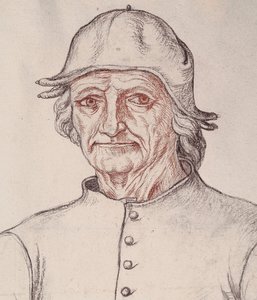
Jerónimo Bosch
1450 - 1516 , Países Bajos
Datos clave
- Artistas Influenciados: ['Pieter Bruegel el Viejo']
- Fecha De Muerte: 1516
- Fecha De Nacimiento: c. 1450
- Lugar De Nacimiento: 's-Hertogenbosch, Países Bajos
- Movimiento Artístico: Primitivos Flamencos
- Nacionalidad: Holandés
- Nombre Completo: Jerónimo Bosch
- Obras Notables:
- El Jardín de las Delicias
- Tríptico del Juicio Final
- Ascenso de los Benditos
- Epifanía
Artículos relacionados
Hieronymus Bosch: Las 25 Obras Maestras del Genio Medieval | Arte y Decoración
Descubre las 25 obras maestras de Hieronymus Bosch, el enigmático pintor medieval. Explora 'El Jardín de las Delicias' y su simbolismo único. Reproducciones de arte de alta calidad para tu hogar en ArtsDot.com.
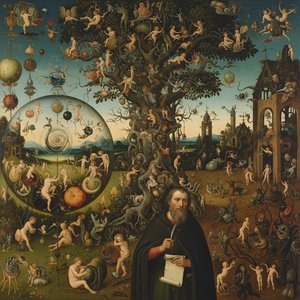
Hieronymus Bosch: Decoding the Visions of a Netherlandish Master
Explore the captivating world of Hieronymus Bosch! Delve into the symbolism, religious context, and artistic innovation of this Netherlandish master with ArtsDot's expert analysis. Discover his iconic paintings & lasting influence.
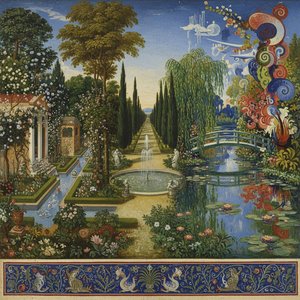
Cultivating Paradise: A Historical & Artistic Exploration of Gardens in Painting
Explore the rich history of gardens in painting! Discover masterpieces from Renaissance to Impressionism & beyond. Learn about symbolism, artists like Monet & Klimt, and find your perfect artwork at ArtsDot.
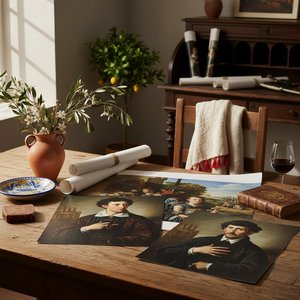
Las 25 Obras Maestras del Prado: Arte Español e Inspiración para tu Hogar
Descubre las 25 obras maestras del Museo del Prado: Velázquez, Goya, El Greco y más. Explora la historia, técnica y belleza de cada cuadro español. Encuentra reproducciones de arte exclusivas e inspira tu hogar con ArtsDot.com.
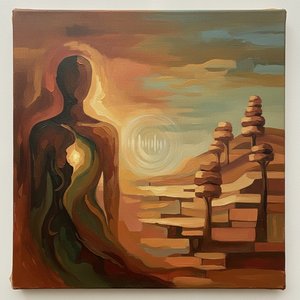
The Resonance of Earth Tones: Exploring Emotional Depth & Artistic Context in Paintings
Explore the captivating world of earth tones in painting! Discover the historical context, emotional resonance, and artistic techniques behind these timeless colors. Learn how to create harmonious spaces with natural palettes.