 Ver en contexto
 Enviar
 Compartir
 Detalles

 Descargar
 Similares
 Radiografía
 Presentación de diapositivas
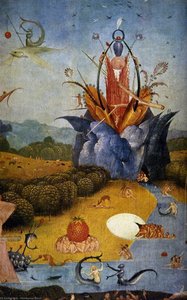
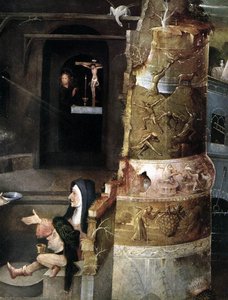
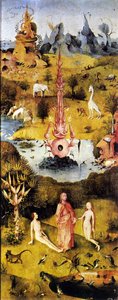
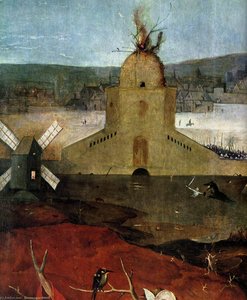
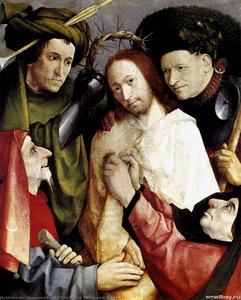
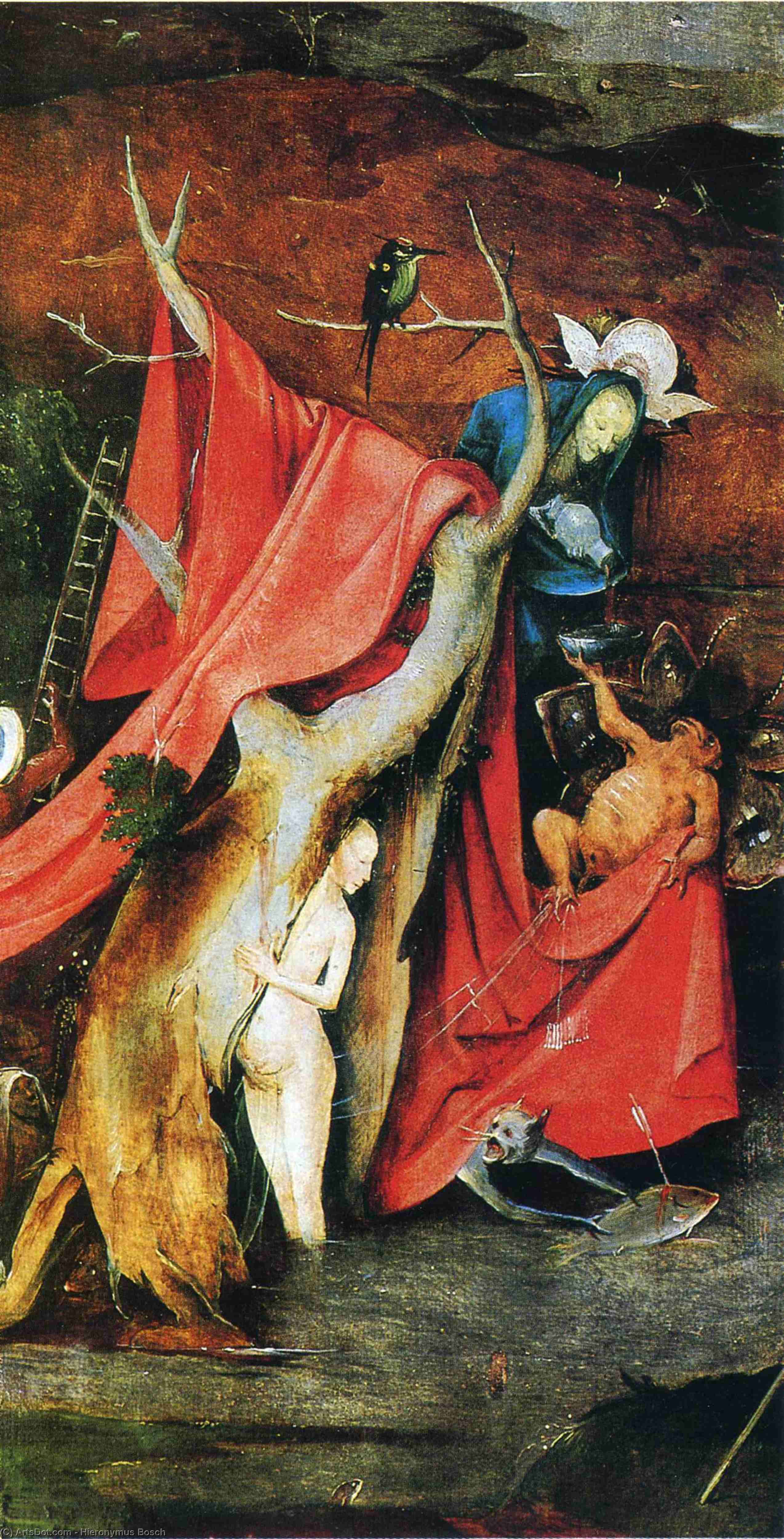
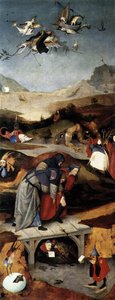
The temptation of St. Anthony (detail)

 Ver más
Reproducción al óleo hecha a mano
Óleo sobre lienzo pintado a mano en el tamaño y marco de su elección, realizado por encargo por nuestros artistas. ( Comprar impresión Comprar imagen)




P118B $10

P118H $10

P118W $10

P438Z $10

P508JH $12

P508YH $12

P805H $10

P805Z $10

P919BZ $10

P919G $10

P919XJ $10

P959ZH $10

P968JZ $12

W106C $8

W218G $10

W218JH $8

W218Y $10

W307PJ $10

W316G $10

W316PJ $8

W316Y $10

W398PJ $8

W4111J $10

W500HY $15

W500JH $15

W692G $12

W849H $8

W940BG $15

W953PJ $8




Elija entre nuestros tamaños predefinidos que respetan las proporciones originales de la obra.

Puede ingresar sus propias dimensiones para adaptarse a un marco o espacio específico. Si el tamaño seleccionado no coincide con las proporciones de la imagen original, recortaremos la obra o extenderemos la pintura con elementos adicionales pintados a mano. Se le enviará una maqueta digital para su aprobación antes de comenzar la producción.
Tenga en cuenta que la vista previa en pantalla no refleja el recorte o la extensión reales. Solo la maqueta mostrará con precisión la composición final.
Si bien existen tamaños personalizados, recomendamos seleccionar una dimensión de la lista predefinida para preservar las proporciones originales.
Tras realizar el pedido, el equipo de ArtsDot.com enviará un correo electrónico al cliente para solicitar instrucciones y proporcionarle una vista previa del boceto.
Envío a todo el mundo () en 3-4 semanas en lugar de las 5 semanas estándar. (30 agosto). Sin comprometer la calidad.

Envío exprés gratuito a todo el mundo

Lienzo de lino de alta calidad

Seguro de envío total

Garantía de reembolso de impuestos aduaneros

Garantía de fidelidad cromática exacta

Política de devolución de 60 días (solo por defectos)

Garantía de devolución del 100% del dinero

Descuento por cantidad
 La opción de vidrio solo está disponible en tamaños inferiores a 110 cm.

The temptation of St. Anthony (detail)
Técnica de reproducción
Dimensiones de la reproducción
-


Precio total final
$ 263
A Descent into the Subconscious: Exploring Hieronymus Bosch’s ‘The Temptation of St. Anthony’
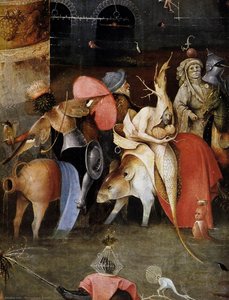
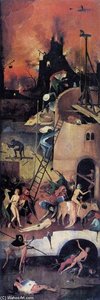
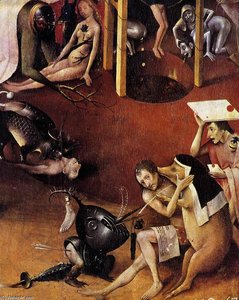
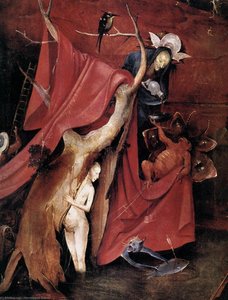
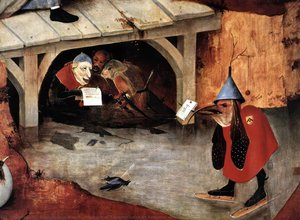
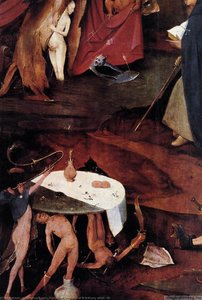
Hieronymus Bosch's “The Temptation of St. Anthony” is not merely a depiction of a biblical scene; it’s an immersive journey into the darkest recesses of the human psyche, a visual allegory rendered with unsettling precision and brimming with symbolic complexity. Painted during the artist’s prolific career between 1480 and 1510, this detailed fragment offers a tantalizing glimpse into Bosch's uniquely disturbing world – a world where religious piety collides head-on with primal fears, earthly desires, and the inherent corruption of human nature. The painting captures a pivotal moment in Christian tradition, illustrating St. Anthony’s struggle against demonic forces attempting to lure him from his ascetic path. Yet, it transcends a simple narrative, evolving into a profound meditation on temptation, sin, and the battle waged within each individual.
The Artist's Vision: Bosch and the Late Medieval Mind
Bosch’s artistic vision was profoundly shaped by the anxieties of his time. The late Middle Ages were characterized by a heightened awareness of mortality, religious fervor, and social unrest. Popular folklore, infused with pagan beliefs and superstitions, intertwined seamlessly with Christian doctrine, creating a fertile ground for Bosch's imaginative explorations. His work reflects this cultural milieu, populated with bizarre creatures – hybrid animals, grotesque figures, and unsettling landscapes – that seem to spring directly from the collective unconscious. Born in ’s-Hertogenbosch, Netherlands, Bosch’s upbringing within a family of artists undoubtedly influenced his technical skill, but it was his singular vision—a potent blend of realism and fantastical invention—that truly set him apart.
- Technique: Bosch employed oil paint on panel, utilizing meticulous detail and layering to achieve a remarkable sense of depth and texture. His brushwork is precise yet expressive, conveying both the tangible reality of the scene and its underlying symbolic weight.
- Composition: The composition itself contributes significantly to the painting's unsettling effect. The figures are tightly packed together, creating a claustrophobic atmosphere, while the dynamic arrangement of elements—the birds, the knives, the dogs—heightens the sense of chaos and disorientation.
Decoding the Symbolism: A Language of the Unconscious
“The Temptation of St. Anthony” is a veritable treasure trove of symbolic imagery, each element meticulously crafted to convey multiple layers of meaning. The presence of animals – particularly the two dogs – is particularly significant. Dogs have long been associated with sin and demonic influence in Christian iconography, representing temptation and bestiality. The birds, often symbols of the Holy Spirit, are here corrupted, mirroring St. Anthony’s struggle against divine grace. The objects held by the figures—the knife, a potent symbol of violence and self-harm – further underscore the perilous nature of the temptation. The overall scene can be interpreted as an allegory for the human condition: a constant battle between good and evil, reason and passion, within ourselves.
Emotional Impact and Artistic Legacy
Bosch’s work continues to captivate and disturb viewers centuries after its creation. The painting's unsettling atmosphere, combined with its complex symbolism, invites contemplation on profound questions about human nature, morality, and the struggle for spiritual redemption. It is a testament to Bosch’s genius that his art remains so powerfully evocative, prompting us to confront our own inner demons and explore the hidden landscapes of the subconscious. A hand-painted reproduction offers an unparalleled opportunity to experience the full force of this extraordinary masterpiece, bringing its unsettling beauty into your home or studio.
Obras relacionadas
Biografía del artista
vida y carrera
Hieronymus Bosch, un pintor holandés/niederlandés destacado de Brabante, nació alrededor de 1450 en ‘s-Hertogenbosch, Países Bajos. Su vida permanece envuelta en misterio, con solo unos pocos registros de su existencia. A pesar de la falta de información biográfica, el arte de Bosch ha tenido un impacto profundo en el arte europeo del norte, particularmente en el siglo XVI.estilo artístico e influencias
El estilo único de Bosch, caracterizado por **representaciones surrealistas e imaginativas de temas religiosos**, ha sido ampliamente influyente. Sus pinturas al óleo sobre madera, a menudo que presentan **visiones inquietantes y de pesadilla del infierno**, han sido objeto de numerosas interpretaciones. El Triptico del Juicio Final (c. 1480-1490) y el Jardín de las Delicias (c. 1490-1510) son dos de sus obras más celebradas, que muestran su maestría en el medio.obras notables y colecciones
* Ascenso de los Benditos (renacimiento del norte, óleo sobre tabla): un ejemplo raro del trabajo de Bosch, que presenta una escena onírica y otrosa. * Epifanía (c. 1495, Museo Prado, Madrid): Un triptico que demuestra el uso innovador de óleo sobre madera por parte de Bosch. * Cabeza de un Halbedero (Museo Prado, Madrid): Un buen ejemplo de la pintura al óleo de retrato de Bosch, que muestra su atención al detalle.museos y colecciones que exhiben el trabajo de Bosch
* El Museo Prado, Madrid: Hogar de algunas de las obras más famosas de Bosch, incluyendo la Epifanía y el Triptico del Juicio Final. * El Museo de Arte de Filadelfia, Filadelfia: Presenta una versión de la Epifanía, ofreciendo una perspectiva única sobre el estilo artístico de Bosch.- Explore más obras de Hieronymus Bosch en https://ArtsDot.com/@/hieronymus-bosch
- Descubra el movimiento del arte flamenco temprano y sus figuras clave, incluyendo a Jan van Eyck y Pieter Bruegel el Viejo, en https://ArtsDot.com/@@/a@d3cpaf-the-erly-netherlandish-art-movement
- Aprenda más sobre la vida y obra de Pieter Bruegel el Viejo en https://en.wikipedia.org/wiki/pieter_bruegel_the_elder
legado
El estilo enigmático de Hieronymus Bosch ha cautivado a los entusiastas del arte durante siglos, y su influencia aún se puede ver en la obra de numerosos artistas. Su combinación única de **surrealismo e ideas profundas sobre la condición humana** ha solidificado su lugar como maestro de la pintura flamenco.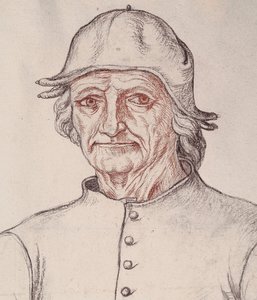
Jerónimo Bosch
1450 - 1516 , Países Bajos
Datos clave
- Artistas Influenciados: ['Pieter Bruegel el Viejo']
- Fecha De Muerte: 1516
- Fecha De Nacimiento: c. 1450
- Lugar De Nacimiento: 's-Hertogenbosch, Países Bajos
- Movimiento Artístico: Primitivos Flamencos
- Nacionalidad: Holandés
- Nombre Completo: Jerónimo Bosch
- Obras Notables:
- El Jardín de las Delicias
- Tríptico del Juicio Final
- Ascenso de los Benditos
- Epifanía
Artículos relacionados
Hieronymus Bosch: Las 25 Obras Maestras del Genio Medieval | Arte y Decoración
Descubre las 25 obras maestras de Hieronymus Bosch, el enigmático pintor medieval. Explora 'El Jardín de las Delicias' y su simbolismo único. Reproducciones de arte de alta calidad para tu hogar en ArtsDot.com.
Hieronymus Bosch: Decoding the Visions of a Netherlandish Master
Explore the captivating world of Hieronymus Bosch! Delve into the symbolism, religious context, and artistic innovation of this Netherlandish master with ArtsDot's expert analysis. Discover his iconic paintings & lasting influence.
Las 10 Obras Maestras del Alto Medieval: Arte, Historia y Decoración Exclusiva
Descubre las 10 obras maestras del Alto Medieval. Explora la historia, el simbolismo y la belleza de la pintura románica y gótica. Reproducciones exclusivas en ArtsDot.com para decorar tu hogar con arte atemporal.
El Greco: Las 25 Obras Maestras que Definen un Genio del Arte y la Fe
Descubre las 25 obras maestras de El Greco, el genio del Renacimiento español. Explora su arte religioso, manierismo y la historia detrás de cuadros icónicos como 'El Entierro del Conde de Orgaz'. Encuentra reproducciones de alta calidad en ArtsDot.com.

Reflejos de una Época Dorada: La Pintura Barroca Holandesa y la Innovación Cultural
Descubra la riqueza y el detalle de la pintura barroca holandesa del Siglo de Oro. Explore las obras maestras de Rembrandt, Vermeer y otros artistas clave. Análisis experto e historia cultural.