 Ver en contexto
 Enviar
 Compartir
 Detalles

 Descargar
 Similares
 Radiografía
 Presentación de diapositivas
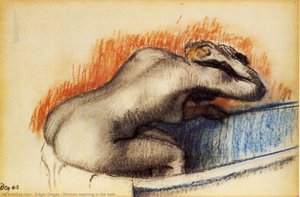
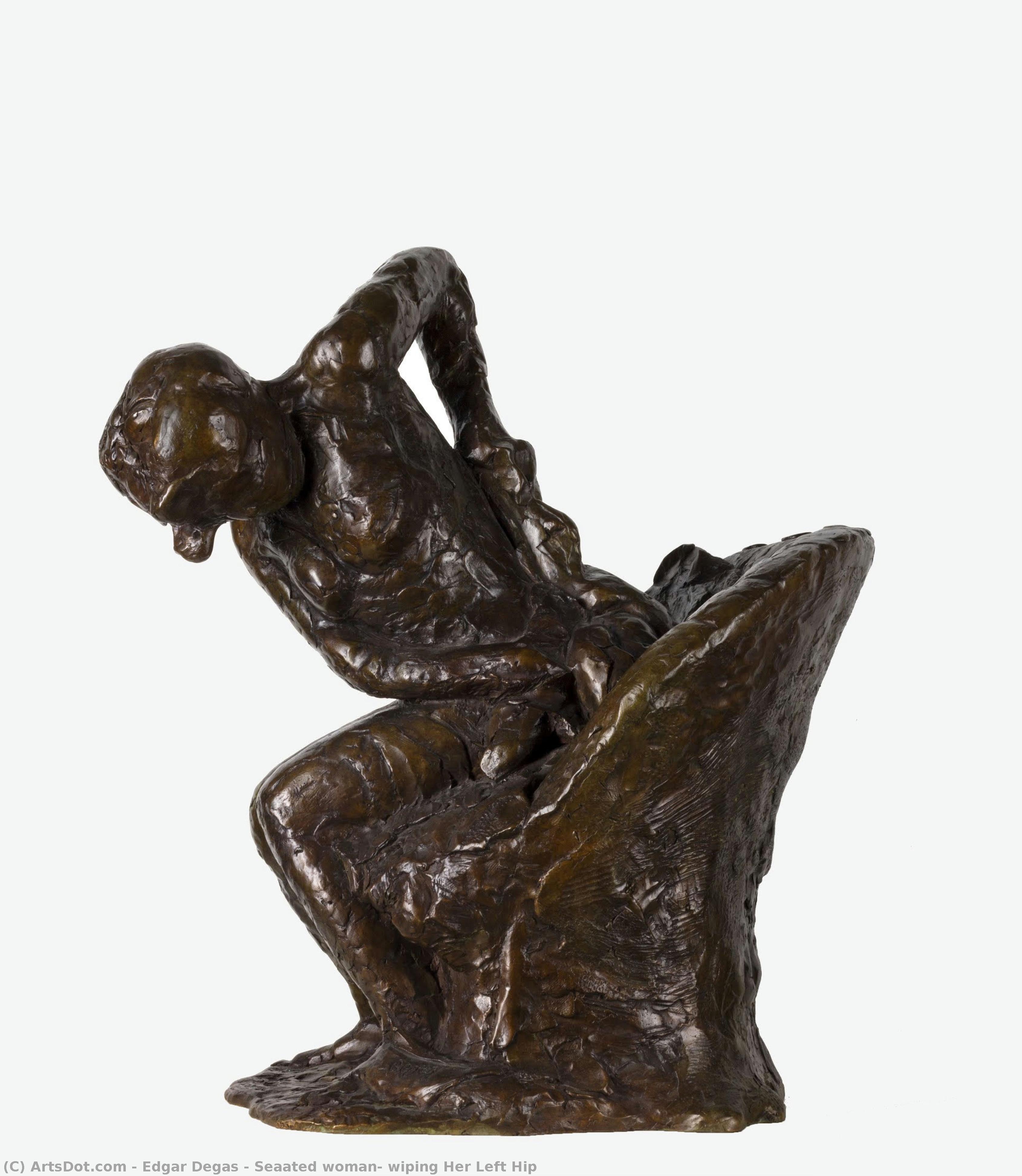
Seaated woman, wiping Her Left Hip
 Oil On Canvas
- WallArt
- Impressionist Painting
 1998
1998 44.0 x 43.0 cm
 Tel Aviv Museum of Art
 Ver más
Reproducción al óleo hecha a mano
Óleo sobre lienzo pintado a mano en el tamaño y marco de su elección, realizado por encargo por nuestros artistas. ( Comprar impresión Comprar imagen)




P118B $10

P118H $10

P118W $10

P438Z $10

P508JH $12

P508YH $12

P805H $10

P805Z $10

P919BZ $10

P919G $10

P919XJ $10

P959ZH $10

P968JZ $12

W106C $8

W218G $10

W218JH $8

W218Y $10

W307PJ $10

W316G $10

W316PJ $8

W316Y $10

W398PJ $8

W4111J $10

W500HY $15

W500JH $15

W692G $12

W849H $8

W940BG $15

W953PJ $8




Elija entre nuestros tamaños predefinidos que respetan las proporciones originales de la obra.

Puede ingresar sus propias dimensiones para adaptarse a un marco o espacio específico. Si el tamaño seleccionado no coincide con las proporciones de la imagen original, recortaremos la obra o extenderemos la pintura con elementos adicionales pintados a mano. Se le enviará una maqueta digital para su aprobación antes de comenzar la producción.
Tenga en cuenta que la vista previa en pantalla no refleja el recorte o la extensión reales. Solo la maqueta mostrará con precisión la composición final.
Si bien existen tamaños personalizados, recomendamos seleccionar una dimensión de la lista predefinida para preservar las proporciones originales.
Tras realizar el pedido, el equipo de ArtsDot.com enviará un correo electrónico al cliente para solicitar instrucciones y proporcionarle una vista previa del boceto.
Envío a todo el mundo () en 3-4 semanas en lugar de las 5 semanas estándar. (25 agosto). Sin comprometer la calidad.

Envío exprés gratuito a todo el mundo

Lienzo de lino de alta calidad

Seguro de envío total

Garantía de reembolso de impuestos aduaneros

Garantía de fidelidad cromática exacta

Política de devolución de 60 días (solo por defectos)

Garantía de devolución del 100% del dinero

Descuento por cantidad
 La opción de vidrio solo está disponible en tamaños inferiores a 110 cm.

Seaated woman, wiping Her Left Hip
Técnica de reproducción
Dimensiones de la reproducción
-


Precio total final
$ 263
Descripción de la obra
A Moment Frozen in Time: Edgar Degas’s “Seated Woman Wiping Her Left Hip”
Edgar Degas's "Seated Woman Wiping Her Left Hip," painted in 1892, is more than just a portrait; it’s a carefully constructed tableau of Parisian life, imbued with the artist’s signature blend of observation and subtle commentary. This intimate study, rendered in oil on canvas, captures a fleeting moment of domesticity within the bustling heart of late 19th-century Paris – a world of social rituals, veiled glances, and unspoken narratives.
The subject herself remains deliberately enigmatic. She is not a grand salon figure, but rather a woman of the middle class, likely a servant or perhaps a young lady of leisure. Her posture, slightly turned away from the viewer, suggests a private act – the wiping of her hip, an action both mundane and intensely personal. The detail with which Degas depicts this gesture is remarkable; it’s not merely a technical exercise but a deliberate choice to draw attention to the quiet rhythms of everyday life, often overlooked in grander historical paintings. The loose brushstrokes and muted palette—dominated by browns, ochres, and subtle greens—evoke a sense of hazy afternoon light filtering through a window, contributing to the painting’s overall atmosphere of intimacy and stillness.
Decoding Degas's Technique: Impressionism in Action
Degas was never fully embraced by the official Impressionist group, preferring to describe his work as “realist.” However, "Seated Woman Wiping Her Left Hip" undeniably showcases many hallmarks of the movement. He employed a technique known as *en plein air* – working outdoors directly from observation – which allowed him to capture the fleeting effects of light and atmosphere with unprecedented accuracy. Notice how he uses broken brushstrokes to create a sense of shimmering texture, particularly on the fabric of her dress. This deliberate lack of blending is crucial to conveying the impression of movement and spontaneity.
Furthermore, Degas’s use of color is remarkably subtle. He avoids bright, saturated hues, opting instead for a harmonious palette that mimics the natural tones of light and shadow. He also employed a technique called *scumbling*, applying paint in thin, broken layers to create a hazy, atmospheric effect. This layering builds depth and adds to the painting’s sense of realism, while simultaneously suggesting the ephemeral nature of the moment being captured.
A Glimpse into Parisian Society
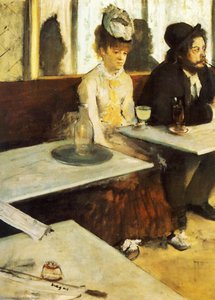
To fully appreciate “Seated Woman Wiping Her Left Hip,” it's essential to understand the social context in which it was created. Paris at the end of the 19th century was a city undergoing rapid transformation, marked by industrialization, urbanization, and shifting social hierarchies. Degas’s paintings frequently depicted scenes from this era – dancers, café patrons, racegoers – offering a nuanced portrait of Parisian society. This particular work reflects the growing interest in capturing everyday life, moving away from traditional historical subjects.
The painting's composition—the woman isolated within a simple interior setting—suggests a sense of privacy and introspection. It’s as if Degas is inviting us to observe this private moment without intrusion, allowing us to contemplate the complexities of human experience. The lack of any other figures reinforces this feeling of solitude, emphasizing the subject's internal state.
Symbolism and Emotional Resonance
While seemingly simple in its depiction, “Seated Woman Wiping Her Left Hip” is rich with symbolic meaning. The act of wiping her hip could be interpreted as a gesture of modesty, vulnerability, or perhaps even a subtle expression of discomfort. The closed-off setting suggests a private moment of reflection, away from the public gaze. Degas’s masterful use of light and shadow further enhances this sense of mystery, creating an atmosphere of quiet contemplation.
Ultimately, this painting is not about grand pronouncements or dramatic events; it's about capturing the essence of human experience in a single, fleeting moment. It invites us to slow down, observe carefully, and appreciate the beauty and complexity of everyday life – a timeless message from one of art’s most perceptive observers.
Obras relacionadas

Biografía del artista
Edgar Degas
Hilaire-Germain-Edgar De Gas, más conocido como Edgar Degas (París, 19 de julio de 1834 – París, 27 de septiembre de 1917), fue un pintor francés considerado uno de los fundadores del impresionismo. Aunque él mismo rechazaba el nombre y prefería llamarlo realismo o arte realista, Degas fue uno de los grandes dibujantes de la historia por su magistral captación de las sensaciones de vida y movimiento, especialmente en sus obras de bailarinas, carreras de caballos y desnudos. Sus retratos son muy apreciados por la complejidad psicológica y sensación de verdad que transmiten.Early Life and Artistic Training
Degas nació en París el 19 de julio de 1834, hijo del banquero francés Augustin De Gas y Célestine Musson De Gas, hija de una familia criolla de Nueva Orleans. Desde temprana edad mostró interés por el dibujo y la pintura, influenciado por el estilo clásico de Jean-Auguste Dominique Ingres, cuyo consejo marcó profundamente su trayectoria artística: «Dibuje líneas y más líneas, joven, tomadas de la realidad y de la memoria, así se convertirá en un buen artista». Su formación inicial fue sólida gracias al apoyo económico familiar y a acceso privilegiado a instituciones educativas como el Lycée Louis-le-Grand. Sin embargo, rechazó las rígidas normas académicas buscando una libertad creativa que le permitiría explorar nuevas vías expresivas. Comenzó su estudio de arte en París con apenas doce años, donde comenzó a copiar obras maestras del Museo Louvre, una práctica esencial para perfeccionar sus habilidades y desarrollar un profundo conocimiento del arte occidental clásico. Esta etapa fue fundamental para establecer los principios básicos de su estilo artístico posterior.Impressionism and Beyond
Aunque muchos artistas contemporáneos como Monet buscaban capturar la belleza efímera de la luz al aire libre, Degas se mantuvo principalmente en el estudio, construyendo escenas desde observación y memoria. Esta decisión estratégica le permitió enfocarse en detalles minuciosos y lograr una precisión excepcional en la representación del movimiento humano y animal. Su interés por el mundo moderno fue evidente desde sus primeros trabajos, donde abordó temas como carreras de caballos y bailarinas con una mirada innovadora que desafió las convenciones tradicionales de la pintura académica. Aunque rechazaba la etiqueta impresionista, Degas recibió una fuerte influencia de artistas como Camille Pissarro y Gustave Courbet, quienes promovieron el uso del dibujo como herramienta esencial para comprender la realidad y transmitir emociones auténticas. Además, fue fascinado por el arte japonés (Ukiyo-e), cuyo lenguaje visual aportó elementos clave a su composición y perspectiva características. Esta apertura intelectual le permitió enriquecer su estilo artístico y crear obras originales que reflejan una visión compleja del mundo contemporáneo.Notable Works and Artistic Achievements
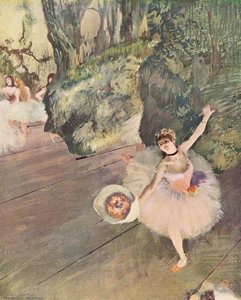
Degas produjo una obra prolífica que abarca diversas disciplinas artísticas, incluyendo pintura, escultura y grabado. Entre sus obras más emblemáticas destacan: *La familia Bellelli*, considerada una de las primeras manifestaciones del estilo impresionista; *El bailarín en el escenario*, donde capturó magistralmente la dinámica del movimiento artístico; *Las mujeres cepillando cabello*, que refleja la vida cotidiana parisina con sensibilidad y precisión; *Los caballos en la pista*, obra maestra de representación del movimiento animal; y numerosos retratos que exploran la psicología humana con una profundidad sorprendente. Su habilidad para dibujar fue excepcional, especialmente en la creación de estudios detallados sobre figuras humanas y animales en movimiento, como demuestra su serie de bailarinas y sus dibujos de caballos durante las carreras. Estos trabajos son testimonio de su dominio técnico y de su capacidad para transmitir emociones y sensaciones reales al espectador. Además, Degas fue reconocido por su innovación artística y por su compromiso con nuevas técnicas expresivas, como el uso del pastel y la fotografía.Legacy and Influence
Edgar Degas falleció en París el 27 de septiembre de 1917, dejando un legado artístico que sigue inspirando artistas contemporáneos y generando admiración entre historiadores del arte. Su estilo realista combinado con elementos impresionistas marcó una nueva etapa en la historia del arte occidental, desafiando las normas académicas establecidas hasta entonces y abriendo camino a generaciones posteriores de artistas que buscaban explorar nuevas formas de expresión. Su influencia puede verse en obras maestras creadas por artistas como Pablo Picasso y Henri Matisse, quienes reconocieron el impacto profundo de Degas en su propio estilo artístico. Más allá de sus logros individuales, Degas contribuyó significativamente al desarrollo del arte moderno y consolidó la imagen del pintor francés como uno de los más importantes del siglo XIX. Su obra sigue siendo estudiada y apreciada por expertos y aficionados alrededor del mundo, asegurando que su nombre permanezca grabado en la historia del arte universal.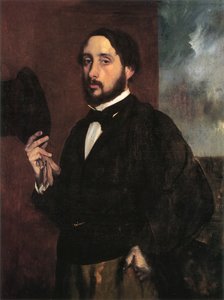
hilaire-germain-edgar degas
1834 - 1917 , Francia
Datos clave
- Artistic Movement Or Style: Impresionismo, Realismo
- Artists Who Influenced This Artist:
- Jean Auguste Dominique Ingres
- Camille Pissarro
- Date Of Birth: 1834
- Full Name: Hilaire-Germain-Edgar De Gas
- Nationality: Francés
- Notable Artworks:
- Dancers climbing the stairs
- Semiramis building Babylon
- Women Combing Their Hair
- A Group of Dancers
- Place Of Birth: Paris, France
Artículos relacionados

Las 10 Obras Maestras de Bronce que Revolucionaron la Historia del Arte | ArtsDot
Descubre las 10 esculturas de bronce más influyentes de la historia del arte. Explora obras maestras de Rodin, Degas y otros genios. Encuentra reproducciones de arte de calidad museo en ArtsDot.com.

Esculturas de Bronce Legendarias: 10 Obras Maestras que Transformaron el Arte | ArtsDot
Descubre las 10 esculturas de bronce más legendarias que revolucionaron el arte. Explora la historia de Rodin, Degas y otros maestros del bronce. Encuentra reproducciones de alta calidad e inspiración para tu hogar en ArtsDot.com.

The Enduring Legacy of Bronze: A Historical & Artistic Exploration for the Collector
Explore the rich history & enduring appeal of bronze sculpture with expert insights for collectors at ArtsDot. Learn about casting techniques, iconic artists, collecting tips & contemporary interpretations.
The Enduring Legacy of Bronze: History, Technique & Artistic Expression for the Collector
Explore the rich history & enduring appeal of bronze sculpture with expert insights for collectors at ArtsDot. Learn about casting techniques, iconic artists, and collecting tips.

The Enduring Legacy of Bronze Sculpture: Technique, Symbolism & Cultural Impact
Explore the rich history & enduring appeal of bronze sculpture with expert insights for collectors. Learn about casting techniques, iconic artists, collecting tips & contemporary interpretations at ArtsDot.