

 Ver en contexto
 Enviar
 Compartir
 Detalles

 Descargar
 Similares
 Radiografía
 Presentación de diapositivas
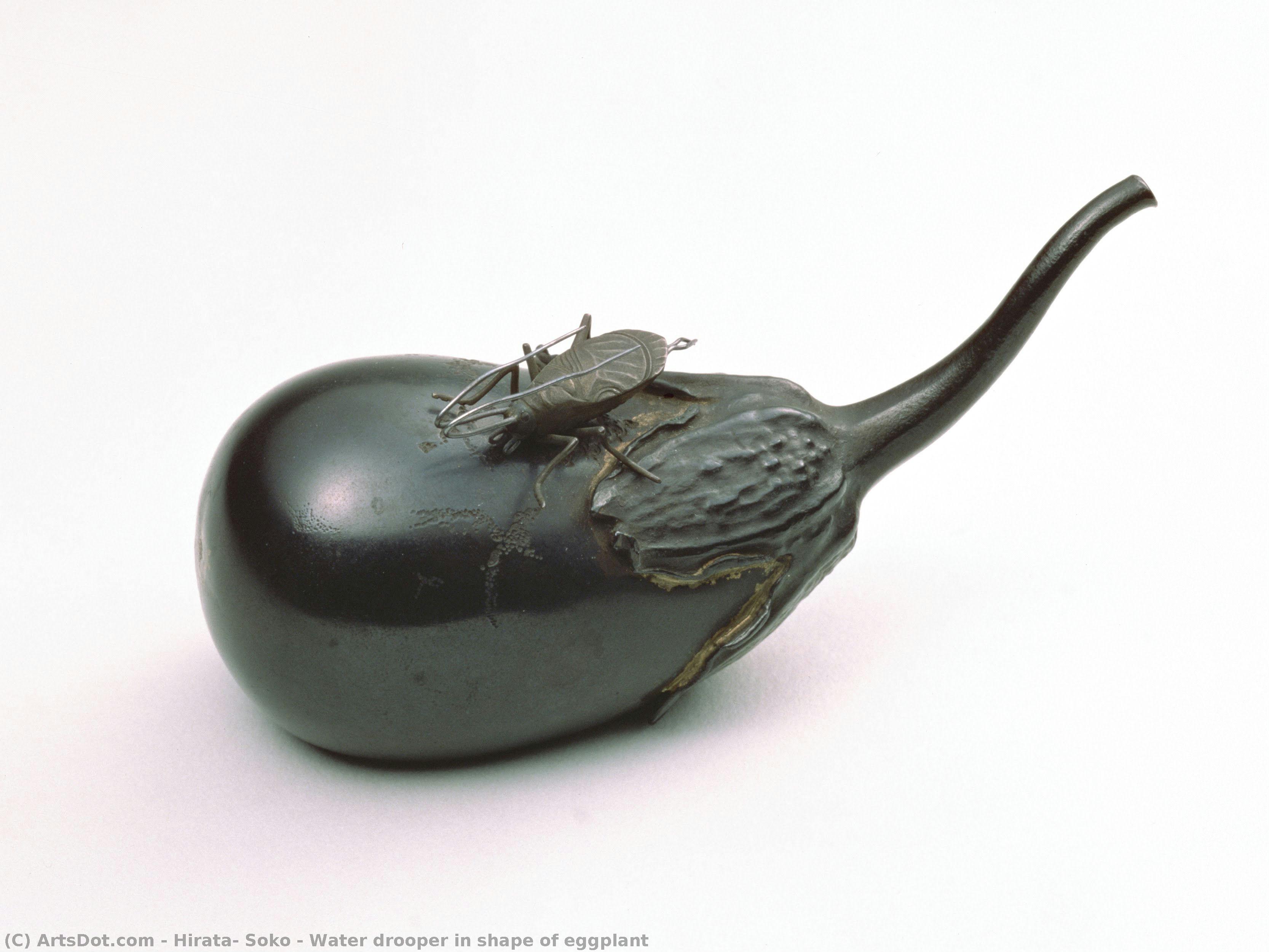
Water drooper in shape of eggplant
 Ver más
Adquiera una imagen digital de alta resolución y optimizada, muy superior a la vista previa en línea.
Cada archivo es preparado meticulosamente por nuestros especialistas internos mediante el uso de herramientas avanzadas y un experto retoque manual. Nos aseguramos de que cada imagen posea una claridad excepcional, una precisión cromática impecable y un detalle minucioso.
El archivo final se entrega por correo electrónico en un plazo de 72 horas, optimizado para su uso inmediato en entornos profesionales, editoriales y de impresión. Esta es la misma calidad en la que confían los estudios de diseño, las editoriales y las galerías de primer nivel.
Imagen Digital
Descarga un archivo de alta resolución para exhibición personal, impresión y proyectos creativos. ( Comprar impresión Comprar pintura hecha a mano)
Incluido en cada pedido de imágenes digitales
Entrega digital experta, garantizada.
Al elegir ArtsDot.com, no solo está adquiriendo una imagen; está recibiendo una obra de arte digital mejorada profesionalmente, elaborada con precisión y respaldada por una garantía de satisfacción. Esto es todo lo que incluye su pedido, automáticamente:

Entrega rápida por email
Recibirá su archivo de imagen digital en alta resolución por correo electrónico en un plazo de 72 horas tras realizar su pedido, listo para su uso inmediato.

Archivo digital optimizado por IA
Su obra de arte se optimiza profesionalmente mediante herramientas avanzadas de IA y edición manual, garantizando el máximo detalle, claridad y precisión cromática.

Reenvío gratuito de por vida
¿Has borrado o perdido tu archivo por error? No te preocupes: te lo volveremos a enviar en cualquier momento, sin coste adicional.

Sin gastos de importación, siempre
Disfrute de su obra de arte al instante sin aduanas, aranceles ni gastos de envío; las descargas digitales siempre están libres de impuestos.

Garantía de fidelidad de color
Garantizamos que su imagen digital refleje los colores originales con la mayor fidelidad posible, mediante el uso de herramientas profesionales y gestión del color.

Garantía de satisfacción de 60 días
Si no está satisfecho con su imagen digital, la revisaremos o le reembolsaremos el 100% en un plazo de 60 días, sin preguntas.

100% Garantía de devolución de dinero
¿No está satisfecho? Obtenga un reembolso completo dentro de los 60 días posteriores a la recepción de su archivo digital, sin necesidad de explicaciones.

Descuentos por pedidos grandes
Compra 3 imágenes, ahorra 10% - Compra 5, ahorra 15% - Compra 10+, ahorra 20%. Ideal para proyectos creativos, galerías y agencias.
Descripción del coleccionable
Obras relacionadas

Biografía del artista
The Convergence of Two Worlds: The Artistry of Soko Hirata
Born in the vibrant metropolis of Tokyo in 1963, Soko Hirata possesses a creative identity that defies simple categorization. While many globally recognize his voice as the soul behind legendary anime characters such as Sanji in One Piece, Gintoki Sakata in Gintama, and Hattori Heiji in Detective Conan, his visual artistry tells a much deeper, more terrestrial story. Hirata’s work serves as a profound bridge between the meticulous precision of Japanese aesthetic traditions and the rich, rhythmic heritage of Ethiopia. As a descendant of nomadic pastoralists, he has dedicated much of his creative life to honoring the ancestral landscapes and textile traditions of the Oromo people, creating a body of work that is as much about cultural preservation as it is about fine art.
The foundation of Hirata’s visual language can be traced back to his formative years in Japan, where he was immersed in the disciplined beauty of Japanese calligraphy and classical visual arts. This early exposure instilled in him a lifelong reverence for aesthetic harmony and the importance of every single stroke. However, it was his deep-seated connection to Ethiopian heritage that provided the thematic heartbeat of his mature work. Driven by a mission to protect the vulnerable traditions of Oromo craftsmanship, Hirata embarked on an ambitious journey to revive forgotten weaving techniques and ancestral patterns. His art is not merely a window into another culture; it is a deliberate act of reclamation, ensuring that the intricate symbols of the past are woven into the contemporary consciousness.
Technique, Texture, and the Spirit of Ethiopia
Hirata’s artistic process is a masterful study in material exploration and botanical alchemy. He does not simply paint or design; he reconstructs the very essence of the Ethiopian landscape through color and form. A hallmark of his technique is his sophisticated use of natural dyes derived directly from the flora of the region. By utilizing pigments such as indigo, henna, and turmeric, he achieves a palette of vibrant, earthy hues that feel organic and alive. These colors do more than decorate a surface; they evoke the warmth of the sun, the depth of the soil, and the vitality of the Ethiopian plains.
In his most celebrated works, such as the Arsi Oromo Traditional Outfit and depictions of the Karrayyu Oromo Traditional Meeting, Hirata demonstrates an unparalleled ability to distill complex cultural narratives into visually arresting compositions. His style is characterized by:
- Intricate Geometric Patterns: The use of structured, repetitive motifs that mirror the mathematical precision found in traditional Oromo weaving.
- Stylized Representation: A method of simplifying forms to highlight the symbolic weight of clothing, ritual, and community interaction.
- Cultural Continuity: A seamless blending of ancient symbolism with modern artistic sensibilities, making historical motifs accessible to a global audience.
A Legacy of Cultural Preservation
The significance of Soko Hirata’s contribution to the art world lies in his role as a cultural custodian. Through collaborative projects with Oromo artisans, he has played a vital role in documenting and revitalizing designs that were on the brink of disappearance. His work transcends the boundaries of traditional painting or textile design, acting instead as a living archive of human heritage. By merging the disciplined eye of a Japanese artist with the soulful textures of Ethiopian tradition, Hirata has created a unique visual dialect—one that celebrates the resilience of nomadic identity and the enduring power of ancestral memory.

hirata, soko
1963 - , Japan
Breves datos
- Artistic Movement Or Style: Traditional Oromo Art
- Date Of Birth: 1963
- Full Name: Soko Hirata
- Nationality: Japanese
- Notable Artworks:
- Arsi Oromo Traditional Outfit
- Shewa Oromo Traditional Outfit
- Place Of Birth: Tokyo, Japan

