

 Ver en contexto
 Enviar
 Compartir
 Detalles

 Descargar
 Similares
 Radiografía
 Presentación de diapositivas
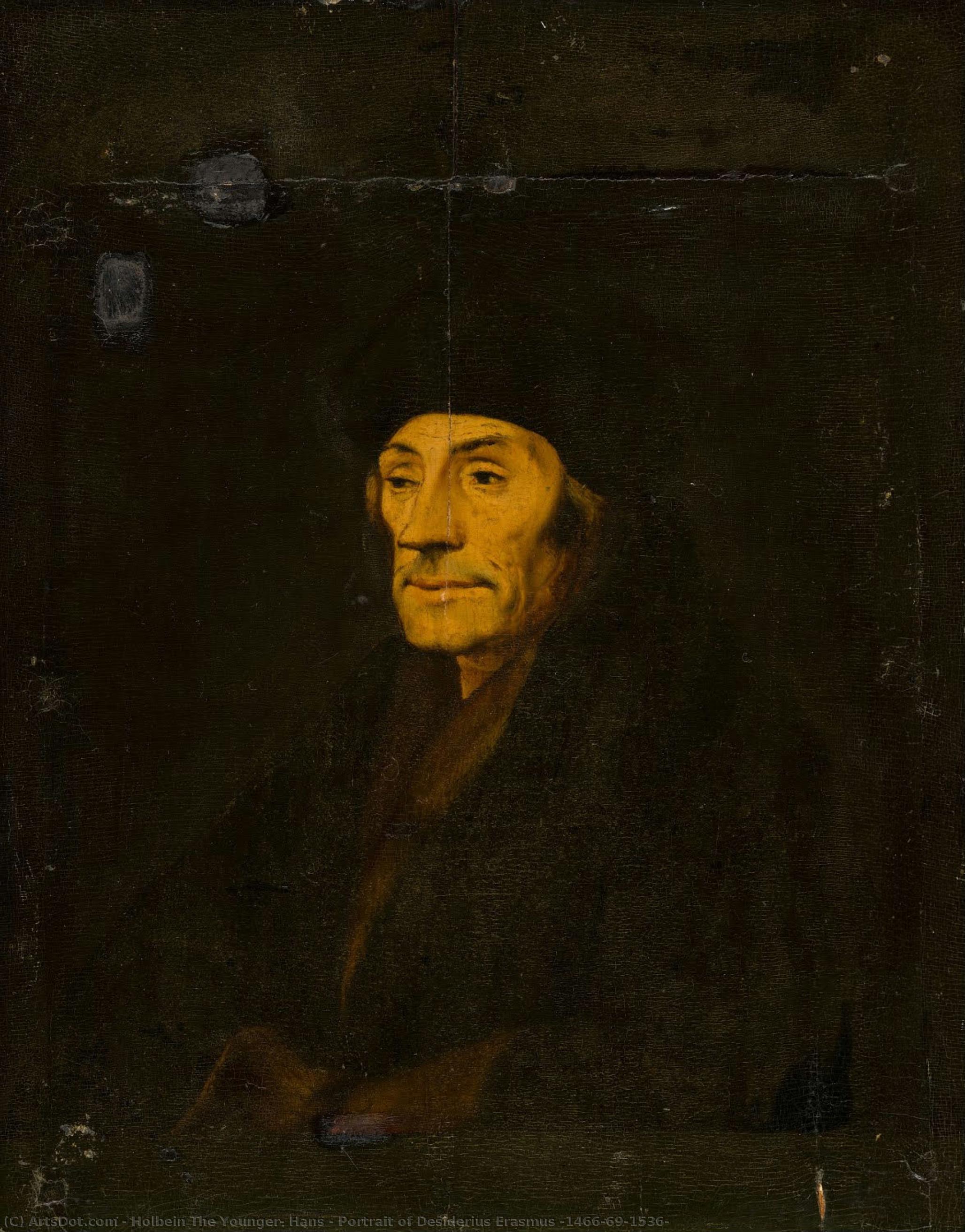
Portrait of Desiderius Erasmus (1466/69-1536)
 Oil On Canvas
- WallArt
- Renaissance Portraiture
 Renaissance
 24.0 x 19.0 cm
 Mauritshuis
 Ver más
Reproducción al óleo hecha a mano
Óleo sobre lienzo pintado a mano en el tamaño y marco de su elección, realizado por encargo por nuestros artistas. ( Comprar impresión Comprar imagen)




P118B $10

P118H $10

P118W $10

P438Z $10

P508JH $12

P508YH $12

P805H $10

P805Z $10

P919BZ $10

P919G $10

P919XJ $10

P959ZH $10

P968JZ $12

W106C $8

W218G $10

W218JH $8

W218Y $10

W307PJ $10

W316G $10

W316PJ $8

W316Y $10

W398PJ $8

W4111J $10

W500HY $15

W500JH $15

W692G $12

W849H $8

W940BG $15

W953PJ $8




Elija entre nuestros tamaños predefinidos que respetan las proporciones originales de la obra.

Puede ingresar sus propias dimensiones para adaptarse a un marco o espacio específico. Si el tamaño seleccionado no coincide con las proporciones de la imagen original, recortaremos la obra o extenderemos la pintura con elementos adicionales pintados a mano. Se le enviará una maqueta digital para su aprobación antes de comenzar la producción.
Tenga en cuenta que la vista previa en pantalla no refleja el recorte o la extensión reales. Solo la maqueta mostrará con precisión la composición final.
Si bien existen tamaños personalizados, recomendamos seleccionar una dimensión de la lista predefinida para preservar las proporciones originales.
Tras realizar el pedido, el equipo de ArtsDot.com enviará un correo electrónico al cliente para solicitar instrucciones y proporcionarle una vista previa del boceto.
Envío a todo el mundo () en 3-4 semanas en lugar de las 5 semanas estándar. (2 septiembre). Sin comprometer la calidad.

Envío exprés gratuito a todo el mundo

Lienzo de lino de alta calidad

Seguro de envío total

Garantía de reembolso de impuestos aduaneros

Garantía de fidelidad cromática exacta

Política de devolución de 60 días (solo por defectos)

Garantía de devolución del 100% del dinero

Descuento por cantidad
 La opción de vidrio solo está disponible en tamaños inferiores a 110 cm.

Portrait of Desiderius Erasmus (1466/69-1536)
Técnica de reproducción
Dimensiones de la reproducción
-


Precio total final
$ 263
A Renaissance Encounter with Intellect
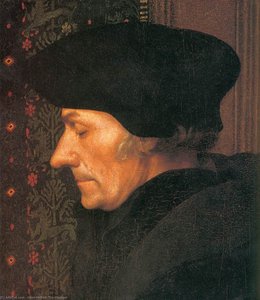
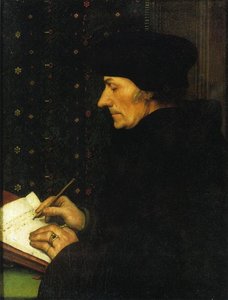
In the quiet, profound gaze of Hans Holbein the Younger’s Portrait of Desiderius Erasmus, we encounter more than just a likeness; we enter the very heart of the Northern Renaissance. Completed around 1526, this masterpiece serves as a window into an era defined by the transformative power of humanism. The subject, Erasmus of Rotterdam, was perhaps the most influential scholar of his age, a man whose pen shaped the religious and intellectual landscape of Europe. Holbein does not merely present a face; he captures a mind in contemplation. Through a masterful command of light and shadow, the artist invites the viewer into a private moment of scholarly introspection, making the painting an essential piece for any collection dedicated to the enduring legacy of human thought.
The composition is a masterclass in understated power. Eschewing the flamboyant ornamentation often found in later eras, Holbein utilizes a somber and sophisticated palette dominated by deep blacks, earthy browns, and subtle, warm yellows. This restrained color scheme directs all emotional weight toward the subject's expression. The lighting, striking from the left, creates a dramatic chiaroscuro effect that carves the features of Erasmus out of the darkness. This technique lends a sculptural three-dimensionality to the face, highlighting the furrowed brow and the intelligent, piercing eyes that seem to look through the viewer toward a distant, philosophical horizon. For the interior designer, this painting offers a sense of grounded authority and timeless elegance, perfect for creating a focal point in a study or a sophisticated gallery space.
The Artistry of Precision and Soul
Technically, the work is a testament to Holbein’s unparalleled ability to render texture and truth. Using oil on canvas, the artist employed meticulous layering to achieve a lifelike quality that remains breathtaking centuries later. One can almost feel the weight of the heavy, dark fabric of Erasmus's attire and the soft, tactile nature of his skin. The subtle gradations of tone in the shadows are not merely absences of light but are rich with depth, suggesting the complexity of the man himself. Every brushstroke, though blended to a smooth finish, serves the purpose of anatomical precision, from the structure of the jaw to the delicate folds of the scholar's clothing.
Beyond its technical brilliance, the portrait vibrates with symbolic resonance. The directness of Erasmus’s gaze establishes an intimate connection, bridging the gap between the sixteenth century and the modern day. It is a portrait of virtue, stability, and the pursuit of truth. For collectors and lovers of fine art, owning a high-quality reproduction of this work means bringing a piece of history into the home—a piece that embodies the dignity of the human spirit. Whether placed in a contemporary setting to provide a historical anchor or within a classical room to enhance its traditional grandeur, this portrait remains an evocative symbol of intellectual depth and artistic perfection.
Obras relacionadas

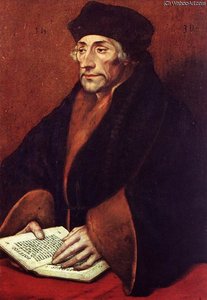
Biografía del artista
Early Life and Career
Hans Holbein the Younger (c. 1497–1543) emerged from Augsburg, Germany, a city steeped in artistic tradition during the burgeoning Northern Renaissance. Born around 1497, he honed his craft under the tutelage of Hans Herbster, a prominent Basel painter who instilled in him the meticulous observation and draughtsmanship that would define Holbein’s distinctive style. This formative apprenticeship established a foundation for his future endeavors and cemented his connection to the artistic currents shaping Europe at the time.Rise to Prominence
Holbein's ascent to fame began with his portraiture of Erasmus of Rotterdam, a humanist scholar whose endorsement propelled him into international recognition. Recognizing Holbein’s talent, Erasmus championed his relocation to England, where he swiftly gained acceptance within the intellectual circles surrounding Thomas More—a pivotal moment that would catapult him to royal patronage and solidify his reputation as one of the era's foremost artists.Notable Works and Patrons
Holbein’s artistic legacy rests upon a remarkable corpus of paintings and prints, notably “The Ambassadors” (1533), an ambitious depiction brimming with symbolism and anamorphic perspective—a technique that challenged viewers’ perceptions of space and depth. Simultaneously, his portrait of Henry VIII captivated audiences with its masterful portrayal of regal authority and served as a testament to Holbein's unparalleled ability to capture the essence of his subjects. By 1535, he ascended to King’s Painter to Henry VIII, producing not only portraits but also designs for opulent jewelry, tableware, and decorative objects—a role that underscored his influence on royal aesthetics and craftsmanship.Legacy and Museum Collections
Holbein's artistic contributions continue to resonate across museums worldwide. The National Gallery in London proudly showcases several of his celebrated masterpieces, offering visitors a glimpse into the brilliance of Northern Renaissance art. Similarly, the Louvre’s collection houses an extensive assemblage of Holbein’s paintings and prints—a testament to his enduring impact on European visual culture. His meticulous draughtsmanship and evocative depictions remain admired for their precision and beauty, securing his place as a cornerstone of artistic history.Important Dates
* Born: c. 1497, Augsburg, Germany * Died: October or November 1543, London, England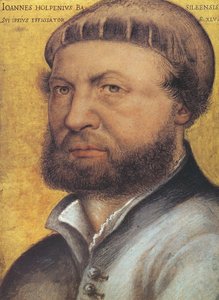
Hans Holbein el Joven
1497 - 1543 , Alemania
Datos clave
- Artistic Movement Or Style: Renacimiento norteño
- Artists Or Movements Influenced By This Artist: ['Renacimiento']
- Artists Who Influenced This Artist: ['Hans Herbster']
- Date Of Birth: c. 1497
- Full Name: Hans Holbein el Joven
- Nationality: Germano-Suizo
- Notable Artworks:
- Los Embajadores
- Retrato de Enrique VIII
- Place Of Birth: Augsburg, Alemania
Artículos relacionados
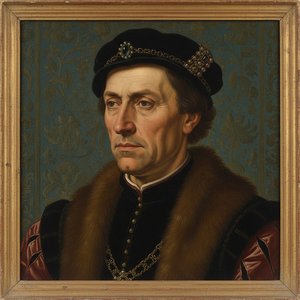
Hans Holbein the Younger: A Renaissance Portraitist's Mastery of Realism & Psychological Insight
Explore the life & art of Hans Holbein the Younger, a Renaissance master renowned for his strikingly realistic portraits and psychological insight. Discover iconic works like 'The Ambassadors' and delve into his lasting legacy.
The Enduring Legacy of Formal Portraiture: Power, Identity & Artistic Exploration
Explore the rich history of formal portraiture & its enduring power to capture identity and shape perception. Discover investment-worthy artworks, expert appraisals, and custom reproduction services at ArtsDot.
The Grandeur of Presence: Exploring Representations of Stately Bearing in Western Portraiture
Explore the art of stately bearing in Western portraiture with expert analysis of Renaissance & Baroque masterpieces. Discover symbolism, techniques, and the legacy of iconic portraits – a guide for discerning collectors.
The Enduring Gaze: Classical Portraiture & Societal Values
Explore the rich history of classical portraiture & its reflection of societal values. Discover artistic techniques, symbolism, and enduring influence on art collecting with ArtsDot.
The Enduring Gaze: Portraiture's Historical & Psychological Evolution
Explore the rich history of portraiture with expert analysis from ArtsDot. Discover iconic Renaissance masterpieces, symbolism & techniques that shaped identity. Find museum-quality art for your collection.

