

 Ver en contexto
 Enviar
 Compartir
 Detalles

 Descargar
 Similares
 Radiografía
 Presentación de diapositivas
Harp of the Winds


 Ver más
Reproducción al óleo hecha a mano
Óleo sobre lienzo pintado a mano en el tamaño y marco de su elección, realizado por encargo por nuestros artistas. ( Comprar impresión Comprar imagen)




P118B $10

P118H $10

P118W $10

P438Z $10

P508JH $12

P508YH $12

P805H $10

P805Z $10

P919BZ $10

P919G $10

P919XJ $10

P959ZH $10

P968JZ $12

W106C $8

W218G $10

W218JH $8

W218Y $10

W307PJ $10

W316G $10

W316PJ $8

W316Y $10

W398PJ $8

W4111J $10

W500HY $15

W500JH $15

W692G $12

W849H $8

W940BG $15

W953PJ $8




Elija entre nuestros tamaños predefinidos que respetan las proporciones originales de la obra.

Puede ingresar sus propias dimensiones para adaptarse a un marco o espacio específico. Si el tamaño seleccionado no coincide con las proporciones de la imagen original, recortaremos la obra o extenderemos la pintura con elementos adicionales pintados a mano. Se le enviará una maqueta digital para su aprobación antes de comenzar la producción.
Tenga en cuenta que la vista previa en pantalla no refleja el recorte o la extensión reales. Solo la maqueta mostrará con precisión la composición final.
Si bien existen tamaños personalizados, recomendamos seleccionar una dimensión de la lista predefinida para preservar las proporciones originales.
Tras realizar el pedido, el equipo de ArtsDot.com enviará un correo electrónico al cliente para solicitar instrucciones y proporcionarle una vista previa del boceto.
Envío a todo el mundo () en 3-4 semanas en lugar de las 5 semanas estándar. (23 agosto). Sin comprometer la calidad.

Envío exprés gratuito a todo el mundo

Lienzo de lino de alta calidad

Seguro de envío total

Garantía de reembolso de impuestos aduaneros

Garantía de fidelidad cromática exacta

Política de devolución de 60 días (solo por defectos)

Garantía de devolución del 100% del dinero

Descuento por cantidad
 La opción de vidrio solo está disponible en tamaños inferiores a 110 cm.

Harp of the Winds
Técnica de reproducción
Dimensiones de la reproducción
-


Precio total final
$ 263
Descripción de la obra
A Bridge Between Worlds: The Life and Art of Homer Dodge Martin
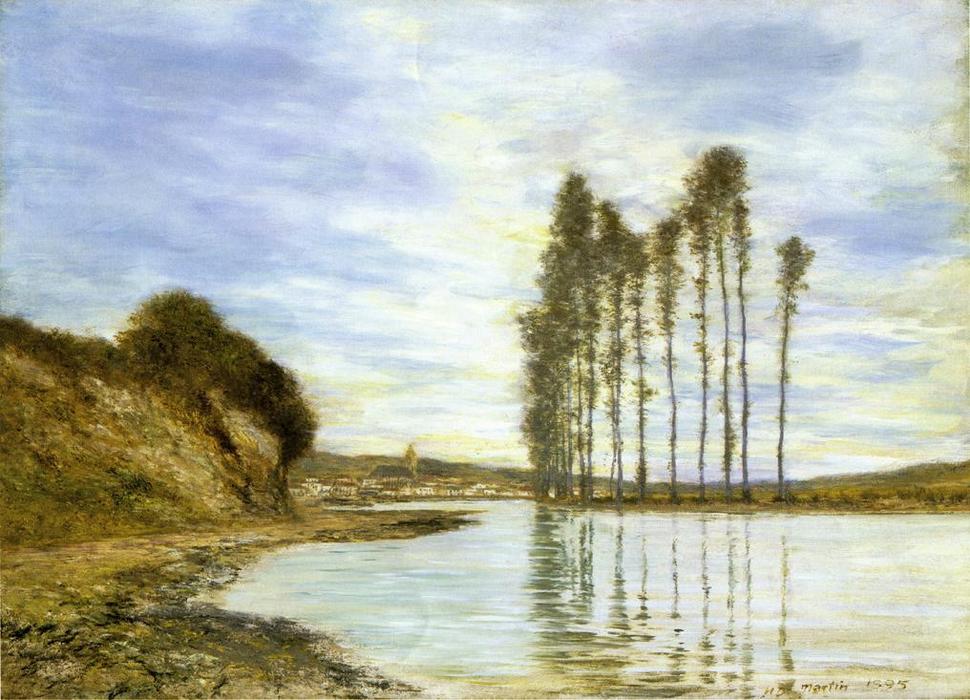
Homer Dodge Martin (1836–1897) stands as an intriguing figure in the annals of American landscape painting, representing a pivotal moment where the grandeur of the Hudson River School began to yield to the burgeoning spirit of Impressionism. His formative years were steeped in artistic influence; briefly tutored by William Hart, he swiftly absorbed the prevailing aesthetic—a dedication to meticulous realism combined with a nascent appreciation for capturing fleeting atmospheric sensations. This early exposure fostered an environment of collaborative creativity within Albany’s vibrant artist community, including George Boughton and Edward Gay, shaping Martin's artistic trajectory and establishing foundational connections that would reverberate throughout his career. ## Early Landscapes: Echoes of the Hudson River School Martin’s formative years witnessed the zenith of the Hudson River School, a movement characterized by grand vistas rendered with painstaking detail and imbued with spiritual reverence for America’s untamed wilderness. Artists like Hart championed the pursuit of sublime beauty—the awe-inspiring grandeur of mountains and rivers—aiming to elevate viewers' souls through contemplation of nature’s majesty. This influence is palpable in Martin’s early works, where meticulous brushstrokes capture the textures of bark, stone, and foliage with remarkable accuracy. The compositions often prioritize horizontal lines mirroring the expansive skies and reflecting a belief in the restorative power of landscapes. ## Impressionistic Vision: Embracing Light and Atmosphere However, Martin swiftly moved beyond the formal constraints of the Hudson River School, embracing the burgeoning spirit of Impressionism—a movement that championed spontaneity and subjective perception. Artists like Claude Monet and Pierre-Auguste Renoir had begun to prioritize capturing fleeting moments of light and color over precise representation, prioritizing feeling over factual detail. This shift is evident in “View on the Seine: Harp of the Winds,” where Dodge Martin skillfully employs loose brushstrokes and a muted palette to convey an atmosphere of tranquil contemplation. ## Subject Matter & Composition “View on the Seine: Harp of the Winds” depicts a serene riverside landscape dominated by tall, slender trees reflected in calm water—a motif frequently explored by Barbizon painters seeking inspiration from the unspoiled beauty of rural France. The composition is deliberately horizontal, emphasizing the expansive vista and mirroring the stillness of the water surface. A distant town silhouette adds depth to the scene, guiding the viewer’s eye across the canvas and fostering a sense of perspective. Dodge Martin's careful placement of the trees contributes to a dynamic balance, preventing the image from feeling static or overly formal. ## Artistic Style & Technique: Impressionistic Vision Homer Dodge Martin stands as a pivotal figure in bridging the gap between the grandeur of the Hudson River School and the burgeoning spirit of Impressionism—a movement that championed capturing fleeting moments of light and atmosphere above meticulous detail. “View on the Seine: Harp of the Winds,” created circa 1893-95, exemplifies this transitional aesthetic with remarkable precision. The painting’s technique is characterized by loose brushstrokes—a hallmark of Impressionism—that prioritize conveying the essence of the scene rather than replicating it photographically. Martin skillfully employed wet-on-wet layering, blending colors seamlessly to achieve a luminous effect that captures the diffused sunlight filtering through the trees and reflecting on the tranquil waters of the Seine. This masterful approach aligns perfectly with the broader artistic movement’s fascination for capturing fleeting moments of beauty and atmosphere. The artwork depicts a serene landscape dominated by a dense grove of tall, slender birch trees—a motif frequently explored in Barbizon painters' works—their branches gracefully swaying in the breeze. The water surface mirrors the foliage above, creating an illusionistic depth that enhances the overall impression of tranquility. Careful observation reveals subtle variations in tonal color and brushstroke texture, indicative of Impressionist techniques aimed at conveying light and shadow rather than precise representation. Homer Dodge Martin’s “View on the Seine: Harp of the Winds,” completed in 1893-95, stands as a testament to the enduring influence of the Barbizon School on American landscape painting. While acknowledging the broader stylistic currents of Impressionism—particularly the embrace of plein air painting and fleeting atmospheric effects—Martin’s vision retains a core connection to the Barbizon tradition's focus on capturing the grandeur and solemn beauty of rural landscapes. This artistic lineage is palpable in the muted palette dominated by earthy browns, ochres, and soft blues, mirroring the tonal harmonies favored by artists like Jean-François Millet and Théodore Rousseau. The artwork itself depicts a serene vista featuring a dense grove of tall trees reflected in tranquil waters—a motif frequently explored during the Romantic era as a symbol of contemplation and connection with nature’s sublime power. The composition is deliberately asymmetrical, placing the tree line slightly off-center to create visual dynamism and subtly emphasizing the artist's perspective. Careful attention has been paid to atmospheric perspective; distant elements appear paler and less defined than those closer to the viewer, reinforcing the impression of depth and conveying a sense of vastness. Homer Dodge Martin’s masterful use of oil paint on canvas exemplifies Impressionism—a movement that prioritized capturing fleeting moments of light and color rather than striving for photographic realism. The artist employed loose brushstrokes and wet-on-wet techniques to blend hues seamlessly, resulting in a luminous surface texture that embodies the spirit of Barbizon landscape painting. Visible impasto adds textural richness, particularly evident in the depiction of tree bark and foliage—a deliberate choice intended to evoke tactile sensations and heighten visual engagement. The artwork "View on the Seine: Harp of the Winds," created by Homer Dodge Martin in 1893-95, stands as a testament to the burgeoning Impressionist movement’s fascination with capturing fleeting moments of atmospheric beauty. Departing from the meticulous detail favored by the Hudson River School, Martin embraced a more subjective approach—one that prioritized emotional resonance over photographic accuracy. Influenced profoundly by Barbizon painters and the serene landscapes of the Adirondacks, he sought to convey not merely what he saw but how he felt when confronted with nature’s grandeur. Martin skillfully employed wet-on-wet painting techniques, blending colors seamlessly on the canvas to achieve a luminous effect that mimics the diffused light characteristic of overcast days or early morning hours. The impasto brushstrokes—thickly applied paint—add textural richness and depth to the scene, capturing the rugged beauty of the trees and the tranquil surface of the water. This technique was particularly favored by Impressionists who wished to capture fleeting moments of visual experience. The artwork’s composition centers around a horizontal line formed by the row of tall trees, creating a sense of stability while simultaneously directing the viewer's gaze across the landscape. The shoreline on the left introduces a diagonal element that enhances dynamism and contributes to the overall atmospheric perspective—a hallmark of Impressionism—where distant objects appear paler and less defined than those closer to the eye. A subtle town nestled in the distance reinforces this depth, grounding the scene within its surroundings. The artwork "View on the Seine: Harp of the Winds," created by Homer Dodge Martin in 1893-95, stands as a testament to the burgeoning Impressionist movement’s fascination with capturing fleeting moments of beauty and emotion. Departing from the meticulous realism championed by the Hudson River School, Martin embraced loose brushstrokes and vibrant color palettes—techniques directly influenced by artists like Claude Monet and Camille Pissarro—to convey an atmosphere of serene contemplation. The scene depicts a tranquil riverside landscape bathed in diffused sunlight, dominated by towering trees whose branches reach towards the sky, mirroring the gentle sway of wind through their foliage. Martin’s masterful use of impasto technique – applying paint thickly onto the canvas – lends textural richness to the depiction of bark and leaves, capturing the essence of the natural world with remarkable precision. The artist skillfully employs wet-on-wet painting methods, blending colors seamlessly to achieve subtle tonal variations that heighten the sense of depth and luminosity. These techniques are characteristic of Impressionism’s core aesthetic: prioritizing light and color over meticulous detail to evoke emotion and capture a fleeting moment in time—a serene landscape bathed in diffused sunlight. The artwork, titled “View on the Seine: Harp of the Winds,” by Homer Dodge Martin, dates back to 1893-95 and represents a pivotal juncture in American art history. Emerging from the shadow of the Hudson River School’s grand narratives of sublime beauty, Martin embraced the burgeoning influence of Impressionism while retaining a core aesthetic rooted in observation and tonal harmony. This stylistic fusion is palpable in every brushstroke—a deliberate rejection of photographic realism favoring instead a painterly approach that prioritizes capturing fleeting atmospheric conditions. Martin's inspiration drew heavily from Barbizon landscapes, where artists sought to depict the natural world with uncompromising honesty and emotional resonance. The Seine River dominates the composition, reflecting not merely its physical presence but also its symbolic role as a conduit between humanity and nature—a motif frequently explored by Romantic painters preceding Martin’s time. However, unlike many of his contemporaries who focused on grand vistas or idealized beauty, Martin opted for a quieter scene: a row of slender trees bathed in diffused sunlight against the backdrop of a distant village. This deliberate choice underscores a fascination with atmospheric perspective and an appreciation for subtle nuances of color and texture—characteristics that firmly establish him within the burgeoning Impressionist movement. The painting’s style is unmistakably Impressionistic, prioritizing fleeting moments of light and sensation over meticulous detail. Martin eschews the precise rendering demanded by the Hudson River School, favoring loose brushstrokes that capture the ephemeral qualities of a particular scene. These visible marks of paint—a technique known as impasto—create a palpable sense of physicality and contribute to the artwork’s overall textural richness. The artist skillfully blends colors wet-on-wetObras relacionadas
Biografía del artista
Primeros Años y la Influencia de la Escuela del Río Hudson
- Nacimiento: Albany, Nueva York (28 de octubre de 1836)
- Fallecimiento: St. Paul, Minnesota (12 de febrero de 1897)
- Antecedentes Familiares: Hijo de Homer Martin y Sarah Dodge.
- Formación Temprana: Brevemente alumno de William Hart.
- Asociación con la Escuela del Río Hudson: Inicialmente alineado con el estilo de la Escuela del Río Hudson, demostrando interés en las representaciones realistas del paisaje.
- Conexiones en Albany: Asociado con otros pintores de Albany incluyendo George Boughton y Edward Gay. Estas relaciones fomentaron su desarrollo artístico temprano.
Desarrollo del Estilo e Influencias Europeas
- Veranos en las Adirondacks, Catskills y Montañas Blancas: Durante la década de 1860, Martin pasó los veranos pintando paisajes a partir de bocetos hechos en estas regiones, trabajando posteriormente sobre ellos en su estudio en Nueva York.
- Reconocimiento de la Academia Nacional de Diseño: Elegido como asociado en 1868 y académico de pleno derecho en 1874, lo que significaba su creciente reputación dentro del mundo del arte.
- Viaje a Europa (1876): Un viaje crucial a Europa le expuso a la Escuela de Barbizon y los Impresionistas.
- Cambio en el Estilo: Tras su experiencia europea, el estilo de Martin evolucionó hacia tonos más oscuros y melancólicos con una técnica de pincelada más suelta. Esto marcó una ruptura con sus influencias anteriores de la Escuela del Río Hudson.
Tiempo en Francia y Obras Clave
- Residencia en Normandía (1882-1886): Martin vivió en Francia durante varios años, principalmente en Normandía, incluyendo estancias en la colonia de arte de Etaples.
- Pinturas Francesas Notables:
- El Puerto de Étaples: Una vista topográfica que representa la construcción naval y la actividad marítima.
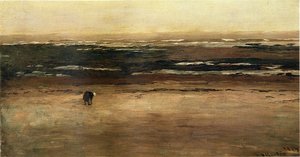
- Cabaña en el Bosque: Una representación atmosférica de un paisaje de dunas con el sol poniente.
- Arpa de los Vientos (1895): Considerada una de sus obras más celebradas, ahora alberga en el Museo Metropolitano de Arte.
Últimos Años y Legado
- Traslado a St. Paul, Minnesota: Debido a la pobreza y la pérdida de visión, Martin se trasladó a St. Paul en 1893.
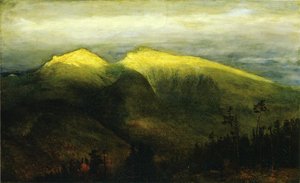
- Escenario de las Adirondacks (1895): Pintada de memoria mientras estaba casi ciego, esta obra es una de sus más conocidas.
- Reconocimiento Póstumo: A pesar del éxito limitado durante su vida, la reputación de Martin creció después de su muerte. Escenario de las Adirondacks se vendió por $5500 poco después de su fallecimiento.
- Representación en Museos: Sus pinturas ahora se encuentran en numerosos museos prominentes estadounidenses incluyendo:
- Museo Metropolitano de Arte
- Museo Smithsonian de Arte Americano
- Addison Gallery of American Art
- Instituto de Historia y Arte de Albany
- Museo de Arte de Cleveland
- Museo de Arte de Portland
- Museo de Bellas Artes, Boston
- Significado Artístico: Homer Dodge Martin es reconocido como una figura de transición entre la Escuela del Río Hudson y el Impresionismo Americano. Sus obras posteriores demuestran un enfoque innovador en la pintura de paisajes, caracterizado por efectos atmosféricos y pinceladas más sueltas.
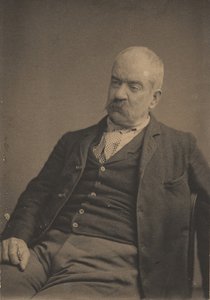
Homer Dodge Martin
1836 - 1897 , Estados Unidos de América
Datos clave
- Artistas Que Influyeron:
- William Hart
- George Boughton
- Edward Gay
- Barbizon school
- Fecha De Fallecimiento: 12 de febrero de 1897
- Fecha De Nacimiento: 28 de octubre de 1836
- Lugar De Nacimiento: Albany, Estados Unidos
- Movimiento Artístico: Hudson River School, Impresionismo
- Nacionalidad: Estadounidense
- Nombre Completo: Homer Dodge Martin
- Obras Notables:
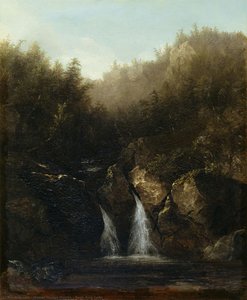
- Bash Bish Falls
- Upper Ausable Lake
- Harp of the Winds
- The Iron Mine, Port Henry
Artículos relacionados
Winslow Homer: Las 25 Obras Maestras del Alma Americana | ArtsDot
Descubre las 25 obras maestras de Winslow Homer, el pintor estadounidense del realismo y los paisajes marinos. Explora su técnica en óleo y acuarela, e inspírate para decorar tu hogar con arte atemporal. Reproducciones de alta calidad en ArtsDot.com.
Los 10 Maestros del Río Hudson: Obras que Definieron un Movimiento Artístico
Descubre los 10 lienzos más emblemáticos de la Escuela del Río Hudson. Explora las obras maestras de Thomas Cole, Church y Bierstadt que capturan la belleza del paisaje americano. Encuentra reproducciones de arte exclusivas en ArtsDot.com.

El Sublime Paisaje Americano: Explorando el Movimiento de la Escuela del Río Hudson
Descubre la Escuela del Río Hudson: un movimiento artístico clave en la historia de la pintura estadounidense. Explora su estética romántica, sus artistas más destacados y el concepto del sublime paisaje americano.

Los 10 Maestros del Paisaje Impresionista: Obras que Cambiaron la Historia del Arte
Descubre los 10 lienzos impresionistas que revolucionaron el arte. Explora la historia de Monet, Van Gogh y Renoir, sus técnicas y colores vibrantes. Encuentra reproducciones de alta calidad para decorar tu hogar en ArtsDot.com

Los 10 Maestros del Paisaje Impresionista: Obras que Cambiaron la Historia del Arte
Descubre los 10 lienzos impresionistas que revolucionaron el arte. Monet, Renoir y más… Explora la historia, técnica y belleza de cada obra maestra. Encuentra reproducciones de alta calidad para tu hogar en ArtsDot.com.

