

 Enviar
 Compartir
 Detalles

 Descargar
 Similares
 Presentación de diapositivas
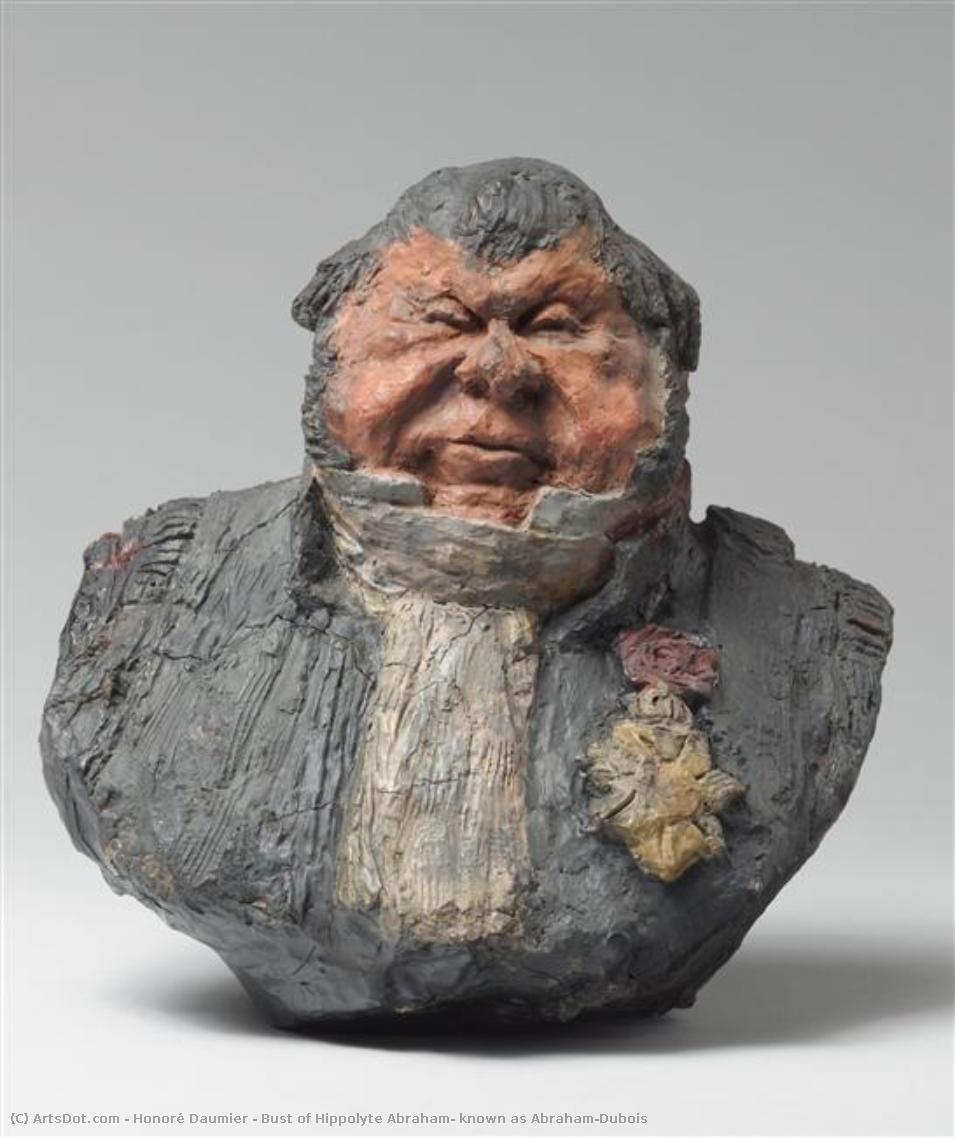
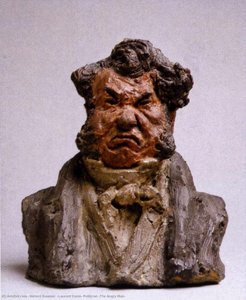
Bust of Hippolyte Abraham, known as Abraham-Dubois


 Ver más
Adquiera una imagen digital de alta resolución y optimizada, muy superior a la vista previa en línea.
Cada archivo es preparado meticulosamente por nuestros especialistas internos mediante el uso de herramientas avanzadas y un experto retoque manual. Nos aseguramos de que cada imagen posea una claridad excepcional, una precisión cromática impecable y un detalle minucioso.
El archivo final se entrega por correo electrónico en un plazo de 72 horas, optimizado para su uso inmediato en entornos profesionales, editoriales y de impresión. Esta es la misma calidad en la que confían los estudios de diseño, las editoriales y las galerías de primer nivel.
Imagen Digital
Descarga un archivo de alta resolución para exhibición personal, impresión y proyectos creativos. ( Comprar impresión Comprar pintura hecha a mano)
Incluido en cada pedido de imágenes digitales
Entrega digital experta, garantizada.
Al elegir ArtsDot.com, no solo está adquiriendo una imagen; está recibiendo una obra de arte digital mejorada profesionalmente, elaborada con precisión y respaldada por una garantía de satisfacción. Esto es todo lo que incluye su pedido, automáticamente:

Entrega rápida por email
Recibirá su archivo de imagen digital en alta resolución por correo electrónico en un plazo de 72 horas tras realizar su pedido, listo para su uso inmediato.

Archivo digital optimizado por IA
Su obra de arte se optimiza profesionalmente mediante herramientas avanzadas de IA y edición manual, garantizando el máximo detalle, claridad y precisión cromática.

Reenvío gratuito de por vida
¿Has borrado o perdido tu archivo por error? No te preocupes: te lo volveremos a enviar en cualquier momento, sin coste adicional.

Sin gastos de importación, siempre
Disfrute de su obra de arte al instante sin aduanas, aranceles ni gastos de envío; las descargas digitales siempre están libres de impuestos.

Garantía de fidelidad de color
Garantizamos que su imagen digital refleje los colores originales con la mayor fidelidad posible, mediante el uso de herramientas profesionales y gestión del color.

Garantía de satisfacción de 60 días
Si no está satisfecho con su imagen digital, la revisaremos o le reembolsaremos el 100% en un plazo de 60 días, sin preguntas.

100% Garantía de devolución de dinero
¿No está satisfecho? Obtenga un reembolso completo dentro de los 60 días posteriores a la recepción de su archivo digital, sin necesidad de explicaciones.

Descuentos por pedidos grandes
Compra 3 imágenes, ahorra 10% - Compra 5, ahorra 15% - Compra 10+, ahorra 20%. Ideal para proyectos creativos, galerías y agencias.
Descripción del coleccionable
A Moment Frozen in Time: Honoré Daumier’s Bust of Hippolyte Abraham
Honoré Daumier's "Bust of Hippolyte Abraham, known as Abraham-Dubois," created in 1833, is more than just a sculpted likeness; it’s a poignant distillation of the anxieties and social commentary that defined mid-19th century France. This bronze masterpiece, currently residing within the esteemed Musée d'Orsay in Paris, offers a rare glimpse into the mind of a master artist grappling with the complexities of his era. Daumier, already renowned for his biting caricatures and powerful lithographs, here demonstrates an extraordinary ability to capture not just physical appearance but also the subtle weight of personality and unspoken emotion.
The sculpture itself is remarkably intimate in scale – a relatively small work that nevertheless commands attention. The subject, Hippolyte Abraham, was a prominent figure in French law, and Daumier’s portrayal isn't one of idealized grandeur, but rather a deliberate attempt to reveal the man beneath the official facade. Abraham’s face is etched with a profound seriousness; his brow furrowed slightly, his gaze fixed inward as if contemplating weighty matters. The artist skillfully employs the techniques of *terrefin*, a method Daumier perfected – a subtle manipulation of the bronze surface that creates an illusion of texture and depth, mimicking the appearance of skin, fabric, and even wrinkles. This technique lends the bust an astonishingly lifelike quality, inviting viewers to imagine Abraham’s thoughts and experiences.
The Realist Vision: Daumier's Social Commentary
Daumier’s work is inextricably linked to the rise of Realism in art – a movement that rejected romantic idealism in favor of depicting everyday life with unflinching honesty. Unlike the polished portraits favored by aristocratic patrons, Daumier sought subjects from the streets and the working class, using his art as a vehicle for social critique. The "Bust of Abraham" is no exception; it reflects the anxieties of a nation undergoing rapid industrialization and political upheaval. The man’s expression isn't one of triumph or authority, but rather a quiet contemplation that hints at the burdens of responsibility and the challenges of navigating a changing society.
Interestingly, Daumier didn’t simply create a portrait; he crafted a statement about the nature of power and the human condition. The inclusion of two medals on Abraham's coat – a detail meticulously rendered by the artist – subtly alludes to his legal profession, yet simultaneously suggests a potential disconnect between official status and personal experience. Daumier’s genius lies in his ability to imbue even the most seemingly mundane subject with layers of meaning.
Technique and Materials: A Masterclass in Bronze Casting
The creation of this bronze bust represents a significant achievement in sculptural technique. Daumier employed the lost-wax method, a complex process involving creating a wax model, investing it in plaster to create a mold, melting out the wax, and then pouring molten bronze into the resulting cavity. This painstaking procedure allowed for exceptional detail and control over the final form. The surface of the bronze is remarkably smooth, yet subtly textured thanks to Daumier’s masterful use of *terrefin*. The color of the bronze itself – a rich, warm brown – further enhances the sculpture's visual impact, lending it an air of gravitas and timelessness.
Symbolism and Legacy: A Portrait of an Era
Beyond its technical brilliance, "Bust of Hippolyte Abraham" is imbued with symbolic resonance. The subject’s somber expression speaks to the weight of responsibility inherent in legal professions, while his gaze suggests a deep introspection – perhaps reflecting on the moral dilemmas faced by individuals within a complex social system. Daumier's work serves as a powerful reminder that art can be both aesthetically pleasing and profoundly insightful. The sculpture’s enduring appeal lies not only in its technical mastery but also in its ability to capture the spirit of an era, offering a timeless meditation on human nature and the challenges of navigating a rapidly changing world. It remains a cornerstone of Daumier's oeuvre and a testament to his lasting influence on the development of Realist sculpture.
Obras relacionadas
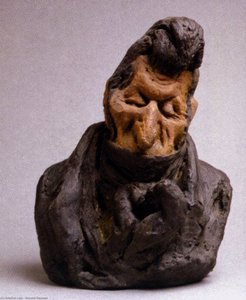
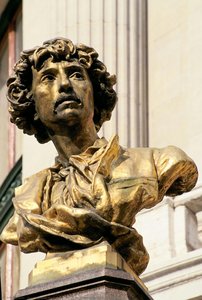
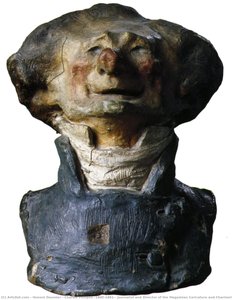

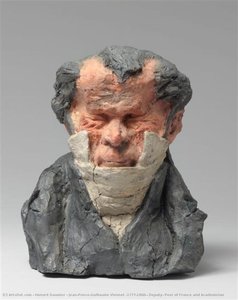
Biografía del artista
Una Vida de Arte y Activismo
Honoré-Victorin Daumier, un grabador, caricaturista, pintor y escultor francés, dejó una huella imborrable en la escena artística del siglo XIX. Nacido en Marsella el 26 de febrero de 1808 y fallecido en París el 10 de febrero de 1879, la vida de Daumier fue un testimonio de su inquebrantable dedicación a capturar la esencia de la sociedad francesa.Primeros Años e Influencias
La primera infancia de Daumier se vio marcada por las aspiraciones poéticas de su padre, lo que llevó a la familia a mudarse a París en 1814. Esta exposición a la vibrante escena artística de la ciudad influyó en su inclinación hacia el arte. Comenzó su aprendizaje con Alexandre Lenoir y luego ingresó a la Académie Suisse.Trayectoria Artística
La prolífica carrera de Daumier abarcó múltiples medios, incluyendo la litografía, la pintura y la escultura. Su trabajo temprano se caracterizó por contribuciones anónimas a editoriales, emulando el estilo de Charlet y mostrando un ferviente entusiasmo por la leyenda napoleónica. Tras la revolución de 1830, su arte se volvió más abiertamente político.- Le Charivari, un periódico cómico lanzado por Charles Philipon, proporcionó una plataforma para el trabajo satírico de Daumier, apuntando a la burguesía y la incompetencia del gobierno.
- Sus caricaturas de figuras políticas y sátiras sobre el comportamiento social le valieron tanto elogios como controversias, incluyendo un encarcelamiento de seis meses en 1832.
Obras Destacadas y Legado
- Rue Transnonain, 15 de abril de 1834: Una conmovedora litografía que representa la masacre en la rue Transnoin, parte de los disturbios de abril de 1834 en París.
- Les Gens de Justice: Una satíra mordaz sobre la profesión legal, que muestra la maestría de Daumier en la caricatura.
- Explore las litografías y pinturas de Daumier en ArtsDot.
- Descubra más sobre los movimientos artísticos franceses, incluyendo el realismo, en Wikipedia.
Conclusión
La vida de Daumier fue un testimonio de su inquebrantable dedicación a capturar la esencia de la sociedad francesa. A través de su arte, continúa inspirando y provocando, ofreciendo una ventana única al siglo XIX francés.- El Musée d'Orsay en París exhibe algunas de las esculturas de arcilla sin cocer restauradas de Daumier.
- Aprenda más sobre la vida y obra de Daumier en ArtsDot.
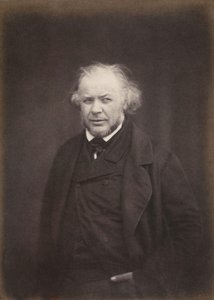
Honoré Daumier
1808 - 1879 , Francia
Breves datos
- Artistas Que Influyeron:
- Alexandre Lenoir
- Charlet
- Fecha De Fallecimiento: 10 de febrero de 1879
- Fecha De Nacimiento: 26 de febrero de 1808
- Influenciado A Artistas: ['Generaciones de artistas']
- Lugar De Nacimiento: Marsella, Francia
- Movimiento Artístico: Realismo, caricatura
- Nacionalidad: Francesa
- Nombre Completo: Honoré Victorin Daumier
- Obras Notables:
- Rue Transnonain, 15 de abril de 1834
- Les Gens de Justice
- Nous voulons Barabbas (Ecce Homo)

