 Ver en contexto
 Enviar
 Compartir
 Detalles

 Descargar
 Similares
 Radiografía
 Presentación de diapositivas
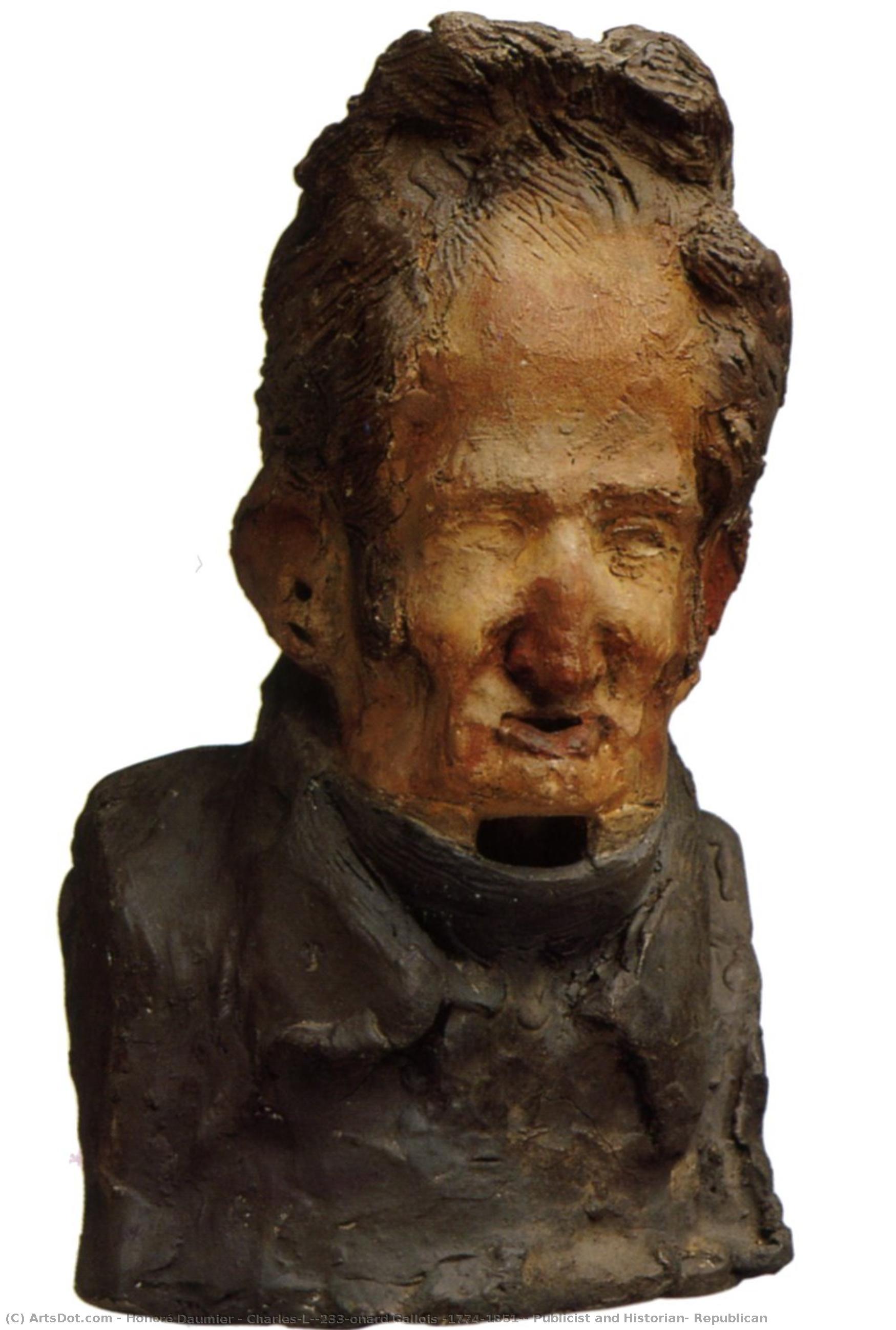
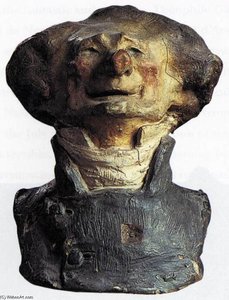
Charles-Léonard Gallois (1774-1851), Publicist and Historian, Republican


 Ver más
Giclée / Impresión de arte
Impresiones giclée o en lienzo de calidad de museo con producción rápida y opciones de acabado flexibles. ( Comprar pintura hecha a mano Comprar imagen)




P118B $10

P118H $10

P118W $10

P438Z $10

P508JH $12

P508YH $12

P805H $10

P805Z $10

P919BZ $10

P919G $10

P919XJ $10

P959ZH $10

P968JZ $12

W106C $8

W218G $10

W218JH $8

W218Y $10

W307PJ $10

W316G $10

W316PJ $8

W316Y $10

W398PJ $8

W4111J $10

W500HY $15

W500JH $15

W692G $12

W849H $8

W940BG $15

W953PJ $8




Elija entre nuestros tamaños predefinidos que respetan las proporciones originales de la obra.

Puede introducir sus propias dimensiones para adaptarse a un marco o espacio específico. Si el tamaño seleccionado no coincide con las proporciones de la imagen original, recortaremos la obra de arte o extenderemos la imagen con un borde con efecto espejo o de color sólido. Se enviará una maqueta digital para su aprobación antes de que comience la producción.
Tenga en cuenta que la vista previa en pantalla no refleja el recorte o la extensión real. Solo la maqueta mostrará con precisión la composición final.
Aunque existen tamaños personalizados, recomendamos seleccionar una dimensión de la lista predefinida para preservar las proporciones originales.
Envío a todo el mundo () en 2 semanas en lugar de las 4/5 semanas estándar. (25 agosto)

Envío exprés gratuito a todo el mundo

Lienzo de lino de alta calidad

Seguro de envío total

Garantía de reembolso de impuestos aduaneros

Garantía de fidelidad cromática exacta

Política de devolución de 60 días (solo por defectos)

Garantía de devolución del 100% del dinero

Descuento por cantidad
 La opción de vidrio solo está disponible en tamaños inferiores a 110 cm.

Charles-Léonard Gallois (1774-1851), Publicist and Historian, Republican
Giclée / Impresión de arte
Dimensiones de la reproducción
-


Precio total final
$ 62
Descripción de la pieza
A Portrait of Republican Idealism: Daumier’s Gallois
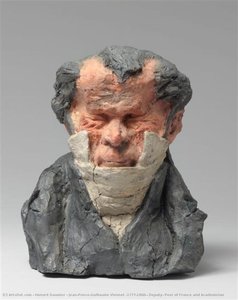
Honoré Daumier's "Charles-Léonard Gallois (1774-1851), Publicist and Historian, Republican," created around 1833, is more than just a portrait; it’s a potent distillation of the political and social currents swirling through post-revolutionary France. The clay sculpture, rendered with remarkable realism and imbued with a subtle yet unmistakable satirical edge, captures not merely the likeness of a prominent republican figure but also embodies the spirit of a nation grappling with its identity and future. Daumier, already establishing his reputation as a keen observer of human nature and a biting social critic, here presents Gallois – a publicist and historian deeply involved in advocating for republican ideals – as a man of intellect and conviction. The sculpture’s power lies not just in its technical skill but in the way it invites us to contemplate the complexities of political engagement and the challenges faced by those championing reform.The Sculptor's Hand: Technique and Realism
Daumier’s mastery is immediately evident in the remarkably detailed execution of this bust. The clay, skillfully molded and textured, captures every nuance of Gallois’s features – the furrowed brow suggesting thoughtful deliberation, the set of his jaw hinting at unwavering resolve, and the subtle lines around his eyes reflecting a life dedicated to public service. Daumier's training under Alexandre Lenoir is apparent in the classical influence evident in the balanced proportions and the careful attention to anatomical accuracy. However, this isn’t a cold, idealized representation; Daumier infuses the sculpture with a palpable sense of humanity. The slightly rough surface of the clay, the subtle imperfections in the modeling – these details prevent the portrait from feeling overly polished or distant. The choice of clay itself speaks volumes, lending a tactile quality to the work and grounding it firmly within the immediate realities of Daumier’s working environment.A Republican's Shadow: Historical Context
To fully appreciate “Gallois,” one must understand the turbulent political landscape of 1833 France. The July Revolution had recently overthrown Charles X, ushering in a brief period of constitutional monarchy under Louis-Philippe. However, this new regime was deeply unpopular with many who yearned for a more radical republic. Gallois himself was a key figure in the republican movement, advocating for social reform and challenging the established order through his writings and public pronouncements. Daumier’s portrait, therefore, isn't simply a likeness; it’s a statement of solidarity with those fighting for a new vision of France – a nation founded on principles of liberty, equality, and fraternity. The sculpture subtly reflects the anxieties and aspirations of this era, capturing a moment when the seeds of revolution were still germinating beneath the surface of French society.Symbolism and the Weight of Ideas
Beyond its immediate depiction, the sculpture is rich in symbolic meaning. Gallois’s posture – upright and resolute – conveys a sense of dignity and purpose. The thoughtful expression on his face suggests an engagement with weighty ideas and a commitment to intellectual discourse. The clay itself, a humble material, underscores the idea that republican ideals are rooted in the common people—a testament to the belief that political power should ultimately reside with the citizenry. Furthermore, the sculpture’s placement within the Musée d'Orsay, alongside other works of art reflecting social and political themes, reinforces its significance as a historical document and a poignant commentary on the human condition.A Timeless Reflection: Emotional Impact
“Charles-Léonard Gallois” endures not merely as an artistic achievement but as a powerful reminder of the ongoing struggle for justice and equality. Daumier’s sculpture invites us to contemplate the sacrifices made by those who dared to challenge the status quo, and it compels us to reflect on our own roles in shaping a more just and equitable world. The work's quiet intensity and understated elegance resonate deeply, offering a glimpse into the heart of a revolutionary era and leaving a lasting impression on the viewer—a testament to Daumier’s enduring legacy as one of France’s most insightful and perceptive artists.Obras relacionadas
Biografía del artista
Una Vida de Arte y Activismo
Honoré-Victorin Daumier, un grabador, caricaturista, pintor y escultor francés, dejó una huella imborrable en la escena artística del siglo XIX. Nacido en Marsella el 26 de febrero de 1808 y fallecido en París el 10 de febrero de 1879, la vida de Daumier fue un testimonio de su inquebrantable dedicación a capturar la esencia de la sociedad francesa.Primeros Años e Influencias
La primera infancia de Daumier se vio marcada por las aspiraciones poéticas de su padre, lo que llevó a la familia a mudarse a París en 1814. Esta exposición a la vibrante escena artística de la ciudad influyó en su inclinación hacia el arte. Comenzó su aprendizaje con Alexandre Lenoir y luego ingresó a la Académie Suisse.Trayectoria Artística
La prolífica carrera de Daumier abarcó múltiples medios, incluyendo la litografía, la pintura y la escultura. Su trabajo temprano se caracterizó por contribuciones anónimas a editoriales, emulando el estilo de Charlet y mostrando un ferviente entusiasmo por la leyenda napoleónica. Tras la revolución de 1830, su arte se volvió más abiertamente político.- Le Charivari, un periódico cómico lanzado por Charles Philipon, proporcionó una plataforma para el trabajo satírico de Daumier, apuntando a la burguesía y la incompetencia del gobierno.
- Sus caricaturas de figuras políticas y sátiras sobre el comportamiento social le valieron tanto elogios como controversias, incluyendo un encarcelamiento de seis meses en 1832.
Obras Destacadas y Legado
- Rue Transnonain, 15 de abril de 1834: Una conmovedora litografía que representa la masacre en la rue Transnoin, parte de los disturbios de abril de 1834 en París.
- Les Gens de Justice: Una satíra mordaz sobre la profesión legal, que muestra la maestría de Daumier en la caricatura.
- Explore las litografías y pinturas de Daumier en ArtsDot.
- Descubra más sobre los movimientos artísticos franceses, incluyendo el realismo, en Wikipedia.
Conclusión
La vida de Daumier fue un testimonio de su inquebrantable dedicación a capturar la esencia de la sociedad francesa. A través de su arte, continúa inspirando y provocando, ofreciendo una ventana única al siglo XIX francés.- El Musée d'Orsay en París exhibe algunas de las esculturas de arcilla sin cocer restauradas de Daumier.
- Aprenda más sobre la vida y obra de Daumier en ArtsDot.
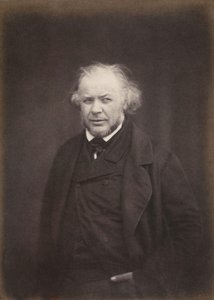
Honoré Daumier
1808 - 1879 , Francia
Datos clave
- Artistas Que Influyeron:
- Alexandre Lenoir
- Charlet
- Fecha De Fallecimiento: 10 de febrero de 1879
- Fecha De Nacimiento: 26 de febrero de 1808
- Influenciado A Artistas: ['Generaciones de artistas']
- Lugar De Nacimiento: Marsella, Francia
- Movimiento Artístico: Realismo, caricatura
- Nacionalidad: Francesa
- Nombre Completo: Honoré Victorin Daumier
- Obras Notables:
- Rue Transnonain, 15 de abril de 1834
- Les Gens de Justice
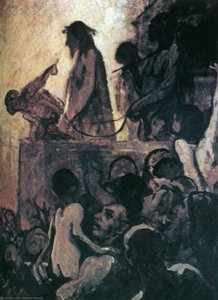
- Nous voulons Barabbas (Ecce Homo)
Artículos relacionados

Esculturas de Bronce Legendarias: 10 Obras Maestras que Transformaron el Arte | ArtsDot
Descubre las 10 esculturas de bronce más legendarias que revolucionaron el arte. Explora la historia de Rodin, Degas y otros maestros del bronce. Encuentra reproducciones de alta calidad e inspiración para tu hogar en ArtsDot.com.

The Enduring Form: Exploring Themes & Techniques in Sculpture Across Historical Periods
Explore the rich history of sculpture from ancient masterpieces to contemporary innovations. Discover key techniques, influential artists & investment potential for discerning art collectors.

The Enduring Form: Sculpture Across History, Technique & Emotional Resonance
Explore the rich history of sculpture with ArtsDot. Discover key techniques, influential artists & investment potential for discerning collectors. Expert insights into valuing and collecting timeless masterpieces.

Las 10 Obras Maestras de Bronce que Revolucionaron la Historia del Arte | ArtsDot
Descubre las 10 esculturas de bronce más influyentes de la historia del arte. Explora obras maestras de Rodin, Degas y otros genios. Encuentra reproducciones de arte de calidad museo en ArtsDot.com.
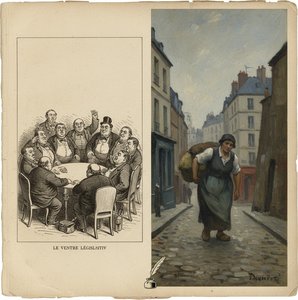
Honoré Daumier: Social Commentary & Artistic Innovation in 19th-Century France
Explore the life & work of Honoré Daumier, a master of 19th-century French realism and satire. Discover his powerful lithographs, paintings, and sculptures critiquing society – and his lasting influence on modern art.