

 Ver en contexto
 Enviar
 Compartir
 Detalles

 Descargar
 Similares
 Radiografía
 Presentación de diapositivas
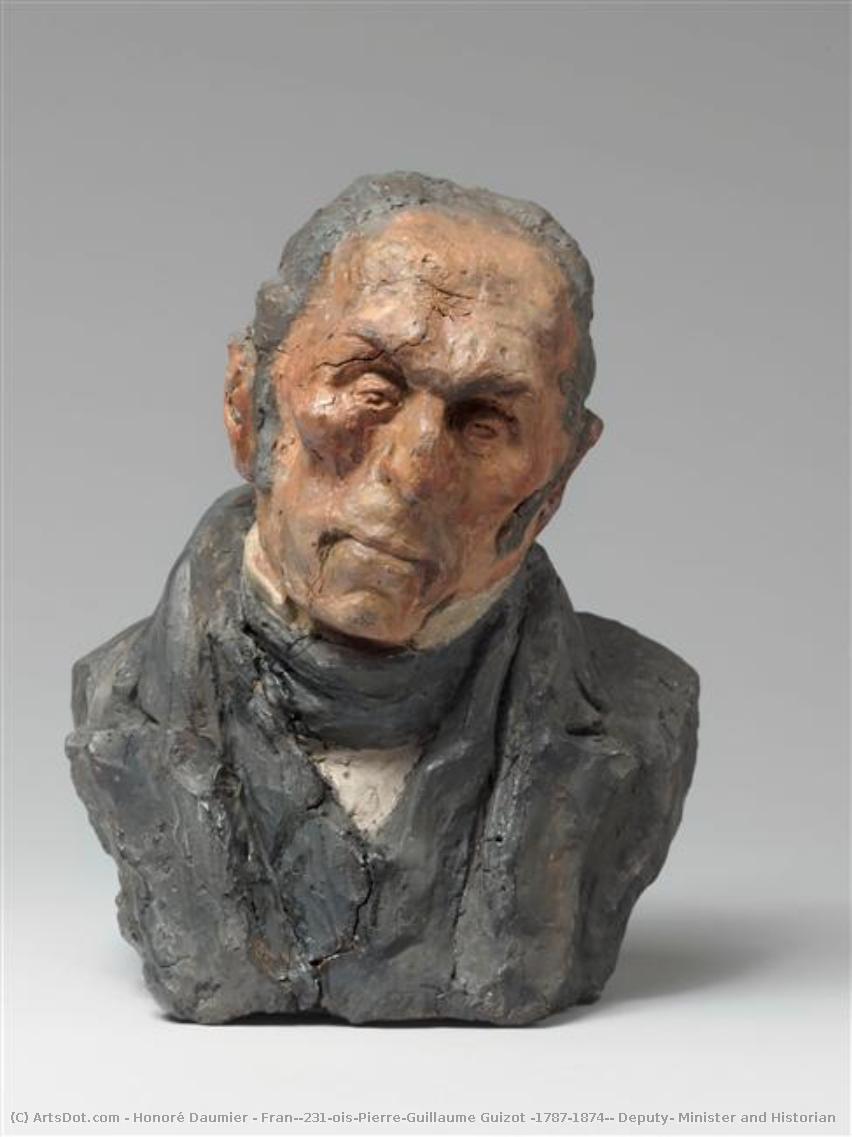
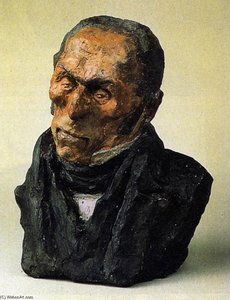
François-Pierre-Guillaume Guizot (1787-1874), Deputy, Minister and Historian


 Ver más
Adquiera una imagen digital de alta resolución y optimizada, muy superior a la vista previa en línea.
Cada archivo es preparado meticulosamente por nuestros especialistas internos mediante el uso de herramientas avanzadas y un experto retoque manual. Nos aseguramos de que cada imagen posea una claridad excepcional, una precisión cromática impecable y un detalle minucioso.
El archivo final se entrega por correo electrónico en un plazo de 72 horas, optimizado para su uso inmediato en entornos profesionales, editoriales y de impresión. Esta es la misma calidad en la que confían los estudios de diseño, las editoriales y las galerías de primer nivel.
Imagen Digital
Descarga un archivo de alta resolución para exhibición personal, impresión y proyectos creativos. ( Comprar impresión Comprar pintura hecha a mano)
Incluido en cada pedido de imágenes digitales
Entrega digital experta, garantizada.
Al elegir ArtsDot.com, no solo está adquiriendo una imagen; está recibiendo una obra de arte digital mejorada profesionalmente, elaborada con precisión y respaldada por una garantía de satisfacción. Esto es todo lo que incluye su pedido, automáticamente:

Entrega rápida por email
Recibirá su archivo de imagen digital en alta resolución por correo electrónico en un plazo de 72 horas tras realizar su pedido, listo para su uso inmediato.

Archivo digital optimizado por IA
Su obra de arte se optimiza profesionalmente mediante herramientas avanzadas de IA y edición manual, garantizando el máximo detalle, claridad y precisión cromática.

Reenvío gratuito de por vida
¿Has borrado o perdido tu archivo por error? No te preocupes: te lo volveremos a enviar en cualquier momento, sin coste adicional.

Sin gastos de importación, siempre
Disfrute de su obra de arte al instante sin aduanas, aranceles ni gastos de envío; las descargas digitales siempre están libres de impuestos.

Garantía de fidelidad de color
Garantizamos que su imagen digital refleje los colores originales con la mayor fidelidad posible, mediante el uso de herramientas profesionales y gestión del color.

Garantía de satisfacción de 60 días
Si no está satisfecho con su imagen digital, la revisaremos o le reembolsaremos el 100% en un plazo de 60 días, sin preguntas.

100% Garantía de devolución de dinero
¿No está satisfecho? Obtenga un reembolso completo dentro de los 60 días posteriores a la recepción de su archivo digital, sin necesidad de explicaciones.

Descuentos por pedidos grandes
Compra 3 imágenes, ahorra 10% - Compra 5, ahorra 15% - Compra 10+, ahorra 20%. Ideal para proyectos creativos, galerías y agencias.
The Weight of Years: Honoré Daumier’s Study of a Political Titan
Honoré Daumier's 1833 sculpture of François-Pierre-Guillaume Guizot is more than just a portrait; it’s a carefully constructed meditation on aging, intellect, and the enduring complexities of French politics. Rendered in a textured, matte finish – likely ceramic or plaster – the piece immediately draws the eye with its muted palette of grays, browns, and ochre tones, colors that speak to time, experience, and perhaps even a touch of melancholy. Daumier’s masterful use of line defines the contours of Guizot's face with remarkable precision, etching out wrinkles and emphasizing the subtle shifts in expression that betray years spent navigating the turbulent currents of 19th-century France. The sculpture isn’t merely depicting a man; it’s conveying a presence – a sense of quiet authority tempered by the undeniable passage of time.
- Realism with a Hint of Drama: Daumier, a key figure in the Realist movement, eschews romantic idealization. Instead, he presents Guizot as a man of substance, marked by the realities of his life and career.
- Material Choice: The choice of ceramic or plaster lends itself beautifully to the textured effect, mimicking skin pores and the subtle weathering of age – a deliberate technique that adds depth and authenticity to the portrait.
A Man of Letters and Reform: Contextualizing Guizot’s Life
François-Pierre-Guillaume Guizot was a pivotal figure in French history, serving as a deputy, minister, and historian during a period of profound political upheaval. Born into a Protestant family in Nîmes, his early life was marked by tragedy – the execution of his father during the Reign of Terror. This event profoundly shaped his worldview and instilled within him a deep sense of social justice. Guizot’s career spanned decades, witnessing the rise and fall of regimes, the struggles for constitutional reform, and the passionate debates surrounding France's role in European affairs. He was a staunch liberal, advocating for greater political participation and challenging the conservative forces that sought to maintain the status quo. His commitment to education, particularly his efforts to establish primary schools throughout France, cemented his legacy as a champion of progress.
Further research reveals Guizot’s involvement in key events such as the July Revolution of 1830 and his subsequent role as Minister of Education under Louis-Philippe. His political career was often fraught with controversy, particularly his opposition to restrictive suffrage laws and his association with the “Doctrinaires,” a group of liberal politicians who favored a more cautious approach to reform.The Language of Form: Daumier’s Technique
Daumier's technique is characterized by a remarkable attention to detail combined with a deliberate sense of roughness. He doesn’t strive for photographic realism but rather captures the essence of his subject through carefully observed lines and subtle modeling. The surface of the sculpture is deliberately textured, creating a tactile quality that invites close examination. Notice how Daumier uses light and shadow to sculpt volume and define form, emphasizing Guizot's strong jawline, furrowed brow, and deeply etched wrinkles. This isn’t simply a likeness; it’s an exploration of character – a portrait that reveals the weight of years spent grappling with complex political ideas.
The use of muted tones contributes to the overall somber mood of the piece, reflecting Guizot's age and perhaps hinting at the challenges he faced throughout his career.Symbolism and Emotional Resonance
Beyond its historical context, the sculpture resonates with universal themes of aging, wisdom, and the passage of time. The weathered face of Guizot speaks to the accumulated knowledge and experience gained through a life dedicated to public service. His gaze, directed slightly downward, suggests introspection and perhaps a quiet sadness – a reflection on the triumphs and disappointments of a long and eventful career. Daumier’s portrait is not merely a depiction of a political figure; it's an invitation to contemplate the complexities of human existence and the enduring legacy of those who shape our world.
Obras relacionadas

Biografía del artista
Una Vida de Arte y Activismo
Honoré-Victorin Daumier, un grabador, caricaturista, pintor y escultor francés, dejó una huella imborrable en la escena artística del siglo XIX. Nacido en Marsella el 26 de febrero de 1808 y fallecido en París el 10 de febrero de 1879, la vida de Daumier fue un testimonio de su inquebrantable dedicación a capturar la esencia de la sociedad francesa.Primeros Años e Influencias
La primera infancia de Daumier se vio marcada por las aspiraciones poéticas de su padre, lo que llevó a la familia a mudarse a París en 1814. Esta exposición a la vibrante escena artística de la ciudad influyó en su inclinación hacia el arte. Comenzó su aprendizaje con Alexandre Lenoir y luego ingresó a la Académie Suisse.Trayectoria Artística
La prolífica carrera de Daumier abarcó múltiples medios, incluyendo la litografía, la pintura y la escultura. Su trabajo temprano se caracterizó por contribuciones anónimas a editoriales, emulando el estilo de Charlet y mostrando un ferviente entusiasmo por la leyenda napoleónica. Tras la revolución de 1830, su arte se volvió más abiertamente político.- Le Charivari, un periódico cómico lanzado por Charles Philipon, proporcionó una plataforma para el trabajo satírico de Daumier, apuntando a la burguesía y la incompetencia del gobierno.
- Sus caricaturas de figuras políticas y sátiras sobre el comportamiento social le valieron tanto elogios como controversias, incluyendo un encarcelamiento de seis meses en 1832.
Obras Destacadas y Legado
- Rue Transnonain, 15 de abril de 1834: Una conmovedora litografía que representa la masacre en la rue Transnoin, parte de los disturbios de abril de 1834 en París.
- Les Gens de Justice: Una satíra mordaz sobre la profesión legal, que muestra la maestría de Daumier en la caricatura.
- Explore las litografías y pinturas de Daumier en ArtsDot.
- Descubra más sobre los movimientos artísticos franceses, incluyendo el realismo, en Wikipedia.
Conclusión
La vida de Daumier fue un testimonio de su inquebrantable dedicación a capturar la esencia de la sociedad francesa. A través de su arte, continúa inspirando y provocando, ofreciendo una ventana única al siglo XIX francés.- El Musée d'Orsay en París exhibe algunas de las esculturas de arcilla sin cocer restauradas de Daumier.
- Aprenda más sobre la vida y obra de Daumier en ArtsDot.
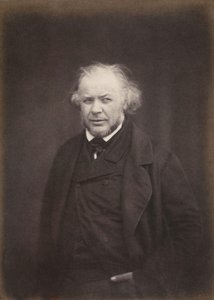
Honoré Daumier
1808 - 1879 , Francia
Breves datos
- Artistas Que Influyeron:
- Alexandre Lenoir
- Charlet
- Fecha De Fallecimiento: 10 de febrero de 1879
- Fecha De Nacimiento: 26 de febrero de 1808
- Influenciado A Artistas: ['Generaciones de artistas']
- Lugar De Nacimiento: Marsella, Francia
- Movimiento Artístico: Realismo, caricatura
- Nacionalidad: Francesa
- Nombre Completo: Honoré Victorin Daumier
- Obras Notables:
- Rue Transnonain, 15 de abril de 1834
- Les Gens de Justice
- Nous voulons Barabbas (Ecce Homo)

