 Ver en contexto
 Enviar
 Compartir
 Detalles

 Descargar
 Similares
 Radiografía
 Presentación de diapositivas
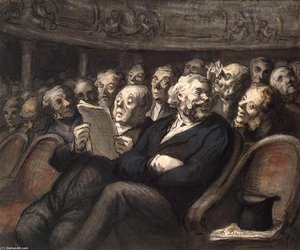
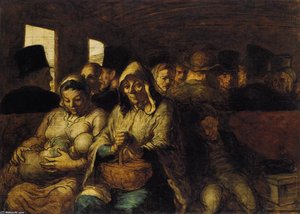
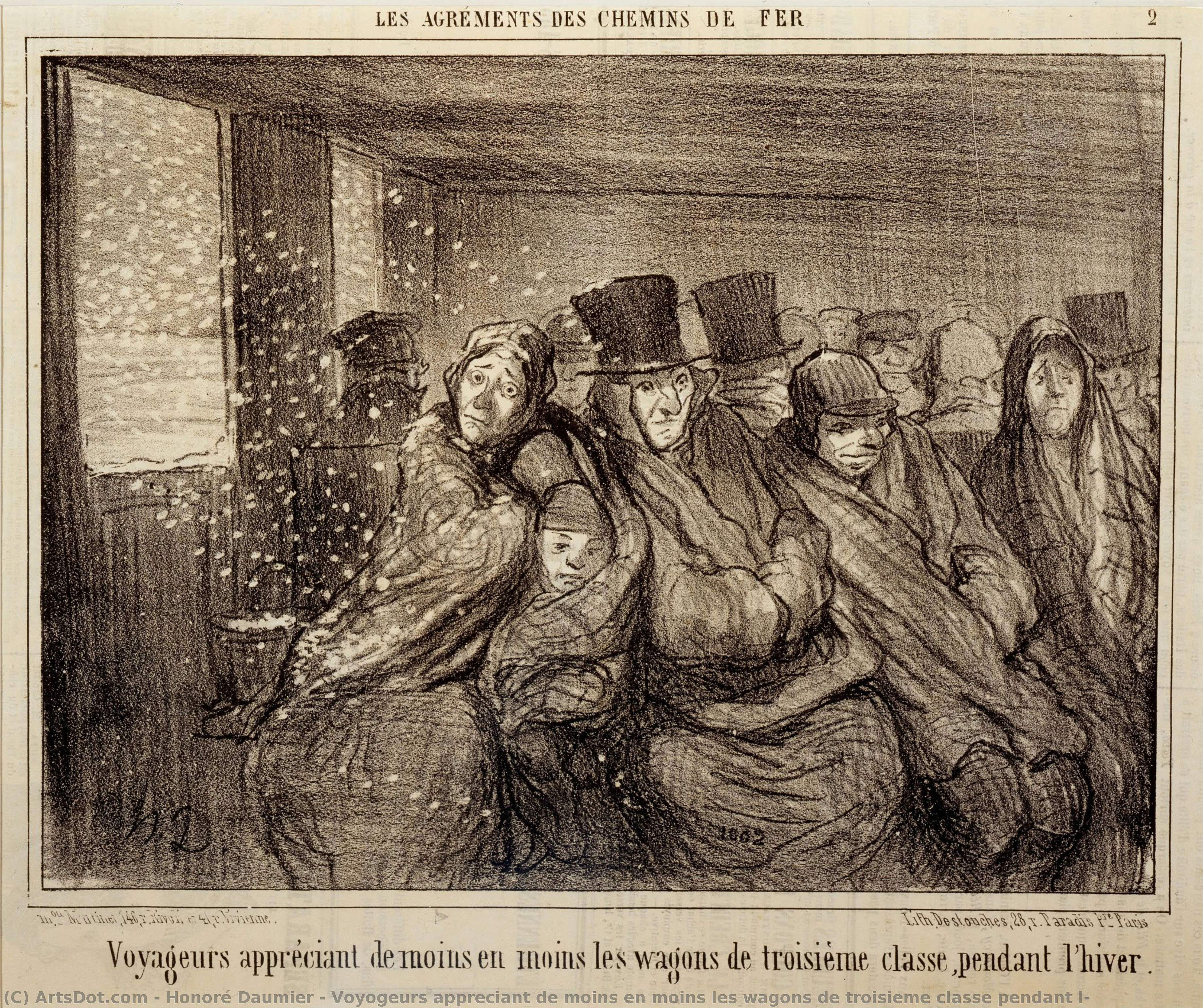
Voyogeurs appreciant de moins en moins les wagons de troisieme classe pendant l


 Ver más
Giclée / Impresión de arte
Impresiones giclée o en lienzo de calidad de museo con producción rápida y opciones de acabado flexibles. ( Comprar pintura hecha a mano Comprar imagen)




P118B $10

P118H $10

P118W $10

P438Z $10

P508JH $12

P508YH $12

P805H $10

P805Z $10

P919BZ $10

P919G $10

P919XJ $10

P959ZH $10

P968JZ $12

W106C $8

W218G $10

W218JH $8

W218Y $10

W307PJ $10

W316G $10

W316PJ $8

W316Y $10

W398PJ $8

W4111J $10

W500HY $15

W500JH $15

W692G $12

W849H $8

W940BG $15

W953PJ $8




Elija entre nuestros tamaños predefinidos que respetan las proporciones originales de la obra.

Puede introducir sus propias dimensiones para adaptarse a un marco o espacio específico. Si el tamaño seleccionado no coincide con las proporciones de la imagen original, recortaremos la obra de arte o extenderemos la imagen con un borde con efecto espejo o de color sólido. Se enviará una maqueta digital para su aprobación antes de que comience la producción.
Tenga en cuenta que la vista previa en pantalla no refleja el recorte o la extensión real. Solo la maqueta mostrará con precisión la composición final.
Aunque existen tamaños personalizados, recomendamos seleccionar una dimensión de la lista predefinida para preservar las proporciones originales.
Envío a todo el mundo () en 2 semanas en lugar de las 4/5 semanas estándar. (26 agosto)

Envío exprés gratuito a todo el mundo

Lienzo de lino de alta calidad

Seguro de envío total

Garantía de reembolso de impuestos aduaneros

Garantía de fidelidad cromática exacta

Política de devolución de 60 días (solo por defectos)

Garantía de devolución del 100% del dinero

Descuento por cantidad
 La opción de vidrio solo está disponible en tamaños inferiores a 110 cm.

Voyogeurs appreciant de moins en moins les wagons de troisieme classe pendant l
Giclée / Impresión de arte
Dimensiones de la reproducción
-


Precio total final
$ 62
Descripción de la pieza
Honoré Daumier’s Stark Observation of Modern Discontent
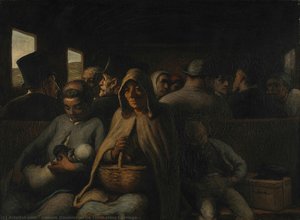
Honoré Daumier's “Voyageurs appreciant de moins en moins les wagons de troisième classe pendant l” (Passengers Increasingly Appreciating Less the Third-Class Wagons) offers a profoundly unsettling glimpse into the burgeoning anxieties of 19th-century France. Created during a period of rapid industrialization and social upheaval, this drawing transcends mere depiction; it’s a carefully constructed indictment of societal inequalities and the dehumanizing effects of modern life. Daumier, already a seasoned observer of Parisian society through his work in the satirical weekly *La Silhouette*, masterfully utilizes lithographic crayon to capture not just appearances but the palpable sense of disillusionment simmering beneath the surface.
- Subject Matter: The scene depicts a group of passengers – clearly identifiable as third-class travelers – seated on a train. Their postures, expressions, and proximity to one another speak volumes about their discomfort and dissatisfaction.
- Style & Technique: Daumier’s style is characterized by its raw realism combined with expressive draughtsmanship. The use of lithographic crayon allows for a remarkable range of tonal values, creating a dramatic interplay of light and shadow that intensifies the emotional impact of the scene. Notice the meticulous detail in rendering the textures of clothing and the subtle nuances of facial expressions.
- Historical Context: Daumier’s work emerged during a period of significant social change in France. The rise of industrialization led to overcrowded cities, poor working conditions, and growing disparities between the wealthy elite and the impoverished masses. This drawing reflects these tensions directly.
A Study in Social Commentary – Daumier's Political Cartoons
Daumier’s artistic practice was inextricably linked to his political convictions. He employed his art as a weapon against social injustice, targeting the bourgeoisie and exposing their hypocrisy. “Voyageurs…” is not simply a depiction of uncomfortable travelers; it’s a pointed critique of the class system and the perceived indifference of those in power. The two ties subtly placed within the composition – one near the center, another on the right – could be interpreted as symbols of societal constraints and the burdens carried by individuals navigating the complexities of modern life. Daumier's use of satire was a direct response to the political climate of his time, reflecting the growing republican sentiment that challenged established authority.
- Satirical Intent: The drawing’s power lies in its ability to evoke empathy for the marginalized and expose the uncomfortable realities faced by ordinary people.
- Lithographic Crayon: Daumier's choice of lithographic crayon was crucial to his artistic vision, allowing him to achieve a level of detail and tonal variation that would have been difficult to accomplish with other media. This technique also lends itself perfectly to the creation of sharp lines and dramatic contrasts, further enhancing the drawing’s impact.
Symbolism and Emotional Resonance
Beyond its immediate subject matter, “Voyageurs…” is rich in symbolic meaning. The cramped conditions of the third-class carriage represent a microcosm of broader societal problems – overcrowding, poverty, and lack of opportunity. The passengers’ expressions of discontent convey a sense of frustration, hopelessness, and perhaps even despair. Daumier's masterful use of composition—the tight grouping of figures, the downward gaze of the travelers—further amplifies this feeling of confinement and oppression. The drawing doesn’t offer easy answers or resolutions; instead, it forces the viewer to confront uncomfortable truths about human nature and social injustice.
A Timeless Masterpiece – Perfect for Art Decoration
This hand-painted reproduction captures the essence of Daumier's genius, offering a powerful statement on social inequality and the anxieties of modernity. Ideal for interior design projects seeking to inject a dose of intellectual depth and historical significance into any space, this artwork is more than just decoration; it’s an investment in art history and a poignant reminder of humanity’s enduring struggles. Its stark realism and emotional resonance will undoubtedly spark conversation and contemplation within your home or office.
Obras relacionadas
Biografía del artista
Una Vida de Arte y Activismo
Honoré-Victorin Daumier, un grabador, caricaturista, pintor y escultor francés, dejó una huella imborrable en la escena artística del siglo XIX. Nacido en Marsella el 26 de febrero de 1808 y fallecido en París el 10 de febrero de 1879, la vida de Daumier fue un testimonio de su inquebrantable dedicación a capturar la esencia de la sociedad francesa.Primeros Años e Influencias
La primera infancia de Daumier se vio marcada por las aspiraciones poéticas de su padre, lo que llevó a la familia a mudarse a París en 1814. Esta exposición a la vibrante escena artística de la ciudad influyó en su inclinación hacia el arte. Comenzó su aprendizaje con Alexandre Lenoir y luego ingresó a la Académie Suisse.Trayectoria Artística
La prolífica carrera de Daumier abarcó múltiples medios, incluyendo la litografía, la pintura y la escultura. Su trabajo temprano se caracterizó por contribuciones anónimas a editoriales, emulando el estilo de Charlet y mostrando un ferviente entusiasmo por la leyenda napoleónica. Tras la revolución de 1830, su arte se volvió más abiertamente político.- Le Charivari, un periódico cómico lanzado por Charles Philipon, proporcionó una plataforma para el trabajo satírico de Daumier, apuntando a la burguesía y la incompetencia del gobierno.
- Sus caricaturas de figuras políticas y sátiras sobre el comportamiento social le valieron tanto elogios como controversias, incluyendo un encarcelamiento de seis meses en 1832.
Obras Destacadas y Legado
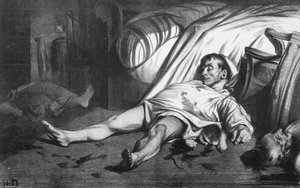
- Rue Transnonain, 15 de abril de 1834: Una conmovedora litografía que representa la masacre en la rue Transnoin, parte de los disturbios de abril de 1834 en París.
- Les Gens de Justice: Una satíra mordaz sobre la profesión legal, que muestra la maestría de Daumier en la caricatura.
- Explore las litografías y pinturas de Daumier en ArtsDot.
- Descubra más sobre los movimientos artísticos franceses, incluyendo el realismo, en Wikipedia.
Conclusión
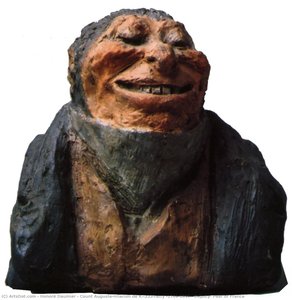
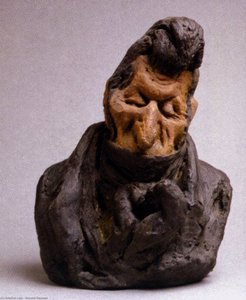
La vida de Daumier fue un testimonio de su inquebrantable dedicación a capturar la esencia de la sociedad francesa. A través de su arte, continúa inspirando y provocando, ofreciendo una ventana única al siglo XIX francés.- El Musée d'Orsay en París exhibe algunas de las esculturas de arcilla sin cocer restauradas de Daumier.
- Aprenda más sobre la vida y obra de Daumier en ArtsDot.
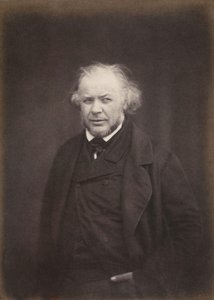
Honoré Daumier
1808 - 1879 , Francia
Datos clave
- Artistas Que Influyeron:
- Alexandre Lenoir
- Charlet
- Fecha De Fallecimiento: 10 de febrero de 1879
- Fecha De Nacimiento: 26 de febrero de 1808
- Influenciado A Artistas: ['Generaciones de artistas']
- Lugar De Nacimiento: Marsella, Francia
- Movimiento Artístico: Realismo, caricatura
- Nacionalidad: Francesa
- Nombre Completo: Honoré Victorin Daumier
- Obras Notables:
- Rue Transnonain, 15 de abril de 1834
- Les Gens de Justice
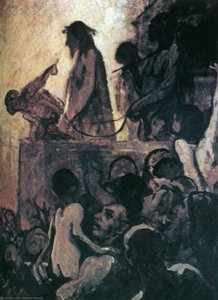
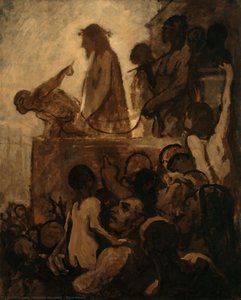
- Nous voulons Barabbas (Ecce Homo)
Artículos relacionados

Las 10 Pinturas Más Famosas Dominadas por el Negro | Arte y Decoración
Descubre las 10 pinturas más impactantes dominadas por el negro. Explora obras maestras de Rembrandt, Goya y Rothko, su historia y significado. Encuentra reproducciones de arte exclusivas para transformar tu hogar en .
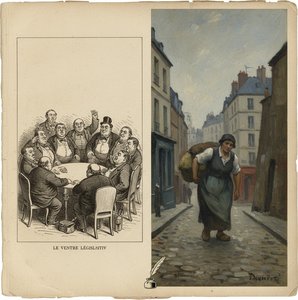
Honoré Daumier: Social Commentary & Artistic Innovation in 19th-Century France
Explore the life & work of Honoré Daumier, a master of 19th-century French realism and satire. Discover his powerful lithographs, paintings, and sculptures critiquing society – and his lasting influence on modern art.
The Nuances of Graphite: Exploring Emotional Depth & Technical Mastery in Pencil Drawing
Explore the captivating world of graphite drawing! Discover its rich history, master essential techniques like chiaroscuro, and learn how artists evoke emotion through this timeless medium. Expert insights for art enthusiasts.
Las 10 Obras Maestras del Negro Carbón: Arte, Historia y Decoración
Descubre 10 obras maestras del arte dominadas por el negro carbón. Explora la historia, técnica y significado de cuadros icónicos de artistas como Rembrandt y Goya. Encuentra reproducciones de museo en .
Las 10 Obras Maestras Dominadas por el Negro Marsella: Arte y Decoración
Descubre las 10 pinturas más famosas dominadas por el negro marsella. Explora la historia, técnica y simbolismo de obras maestras del expresionismo alemán, gótico y arte moderno. Reproducciones de museos en .