

 Ver en contexto
 Enviar
 Compartir
 Detalles

 Descargar
 Similares
 Radiografía
 Presentación de diapositivas
 Estadísticas
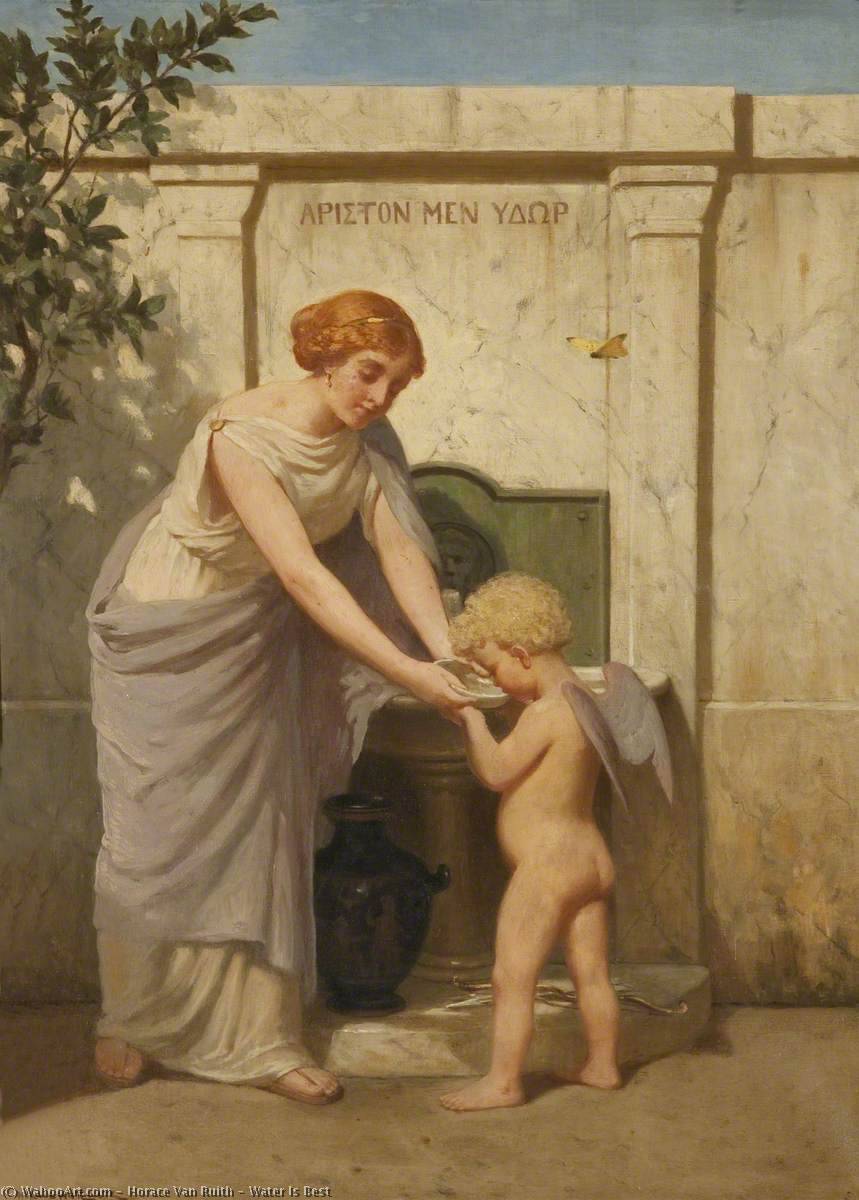
Water Is Best
 1915
1915 93.0 x 66.0 cm
 Ver más
Giclée / Impresión de arte
Impresiones giclée o en lienzo de calidad de museo con producción rápida y opciones de acabado flexibles. ( Comprar pintura hecha a mano Cambiar a imagen digital)




































Elija entre nuestros tamaños predefinidos que respetan las proporciones originales de la obra.

Puede introducir sus propias dimensiones para adaptarse a un marco o espacio específico. Si el tamaño seleccionado no coincide con las proporciones de la imagen original, recortaremos la obra de arte o extenderemos la imagen con un borde con efecto espejo o de color sólido. Se enviará una maqueta digital para su aprobación antes de que comience la producción.
Tenga en cuenta que la vista previa en pantalla no refleja el recorte o la extensión real. Solo la maqueta mostrará con precisión la composición final.
Aunque existen tamaños personalizados, recomendamos seleccionar una dimensión de la lista predefinida para preservar las proporciones originales.
Envío a todo el mundo () en 2 semanas en lugar de las 4/5 semanas estándar. (9 septiembre)

Envío exprés gratuito a todo el mundo

Lienzo de lino de alta calidad

Seguro de envío total

Garantía de reembolso de impuestos aduaneros

Garantía de fidelidad cromática exacta

Política de devolución de 100 días (solo por defectos)

Garantía de devolución del 100% del dinero

Descuento por cantidad
 La opción de vidrio solo está disponible en tamaños inferiores a 110 cm.

Water Is Best
Giclée / Impresión de arte
Dimensiones de la reproducción
-


Precio total final
$ 62
A Closer Look at the Painting
The painting depicts a woman holding a child in her arms while they stand next to a fountain. The woman is wearing a white dress, and the child appears to be naked. They are both standing near a wall with a vase on it. In addition to the main subjects, there are two birds visible in the scene, one located above the woman's head and another further away from them. This beautiful piece can be found on ArtsDot.com, where you can discover more about the artist and his works.Similar Artists and Styles
Other notable artists of the time, such as Pavel Filonov and Ernst Ludwig Kirchner, also explored themes of intimacy and everyday life in their works. For example, Ernst Ludwig Kirchner's "Cocotte on the Road" is a quintessential example of Expressionist art, characterized by its bold colors and emotive brushstrokes. You can learn more about these artists and their styles on ArtsDot.com.- Oil on canvas was a popular medium during this time period, allowing artists to create rich and vibrant works.
- The use of natural settings, such as fountains and gardens, was also common in early 20th-century art.
- Artists like Joaquin Sorolla Y Bastida were known for their exceptional skill in capturing light and color in their paintings.
Obras relacionadas










Biografía del artista
Horace van Ruith: A Victorian Portraitist's Delicate Touch
Horace van Ruith (1847 – 1930) emerged as a prominent figure in the British art scene during the late Victorian era, renowned for his exquisitely detailed portraits capturing the essence of aristocratic families and distinguished individuals. Born in Rotterdam, Netherlands, Van Ruith’s artistic journey began with early training in drawing and painting under Willem van Hecke, honing skills that would become foundational to his distinctive style—a meticulous approach prioritizing accuracy and subtle tonal gradations.- Early Influences: Van Ruith's formative years coincided with the burgeoning Impressionist movement, though he steadfastly adhered to Academic traditions. However, he absorbed elements of Romanticism’s emotive landscapes and psychological depth, particularly evident in his preparatory sketches for larger canvases.
- Formal Training & Recognition: He pursued formal studies at the Royal Academy of Arts in London, where he mastered techniques of oil painting and portraiture under luminaries like Frederic Leighton and Joseph Noel Paton. His dedication earned him accolades and membership into prestigious artistic societies.
- Notable Subjects: Among his most celebrated commissions were portraits of members of the British aristocracy, including Earl Grey, Lord Salisbury, and Sir George Trevelyan. He also painted notable figures from the literary world, such as Robert Browning and Arthur Conan Doyle.
- Technique & Style: Van Ruith’s brushstrokes are remarkably delicate, blending seamlessly to achieve velvety textures and subtle tonal variations. His meticulous attention to detail—from the folds of clothing to the glint in the eyes—elevates his portraits beyond mere likenesses into profound explorations of human psychology.
- Legacy & Influence: Horace van Ruith's legacy extends beyond his impressive artistic output. He served as a professor at the Royal Academy for many years, nurturing generations of aspiring artists and shaping the stylistic conventions of British portraiture. His meticulous technique continues to inspire admiration among art historians and collectors alike.
- Key Works: Some of his most enduring masterpieces include “Parsees at Prayer,” “Tattersall Wilkinson of Roggerham” and "Horace van Ruith" – each offering a captivating glimpse into Victorian society and demonstrating Van Ruith’s unparalleled mastery of artistic expression.
Datos clave
- Artistic Movement Or Style: Victorian Portraiture
- Artists Or Movements Influenced By This Artist: ['Romanticism']
- Artists Who Influenced This Artist:
- Johannes Vermeer
- Anthony van Dyck
- Full Name: Horace van Ruith
- Nationality: Dutch
- Notable Artworks:
- Water Is Best
- Parsees at Prayer
- Tattersall Wilkinson of Roggerham
- Place Of Birth: Amsterdam, Netherlands