 Ver en contexto
 Enviar
 Compartir
 Detalles

 Descargar
 Similares
 Radiografía
 Presentación de diapositivas
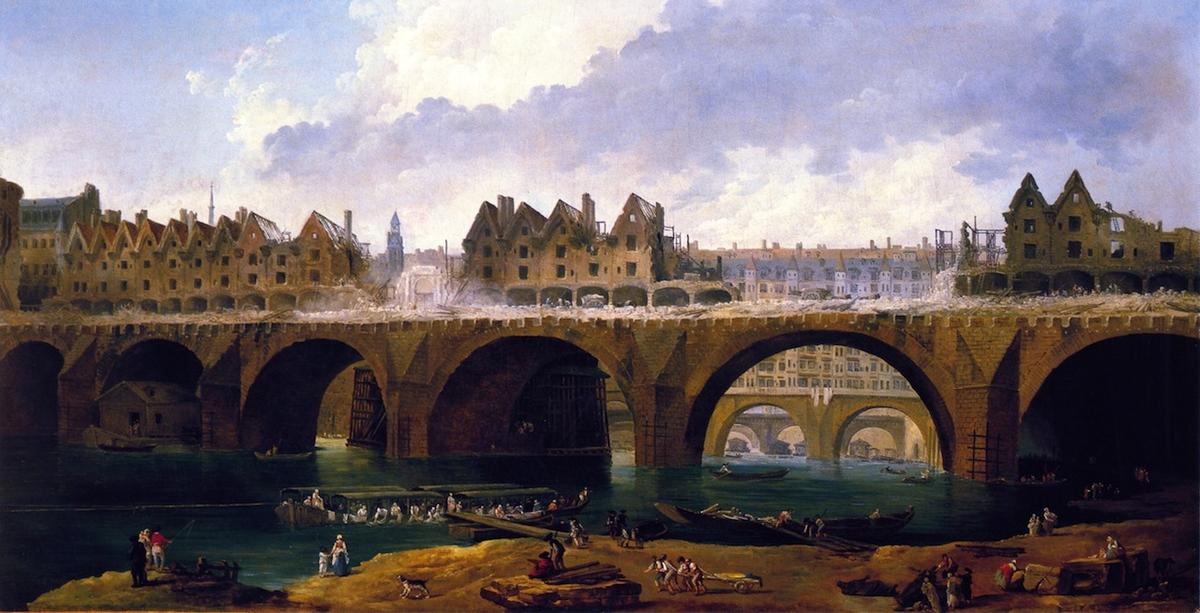
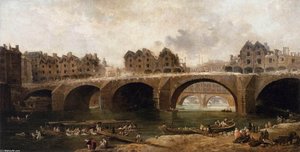
Demilishing the Buildings on the Pont Notre-Dame in Paris, 1786
 Oil On Canvas
- WallArt
- Romantic Antiquarianism
 1787
1787 81.0 x 54.0 cm
 Staatliche Kunsthalle
 Ver más
Reproducción al óleo hecha a mano
Óleo sobre lienzo pintado a mano en el tamaño y marco de su elección, realizado por encargo por nuestros artistas. ( Comprar impresión Comprar imagen)




P118B $10

P118H $10

P118W $10

P438Z $10

P508JH $12

P508YH $12

P805H $10

P805Z $10

P919BZ $10

P919G $10

P919XJ $10

P959ZH $10

P968JZ $12

W106C $8

W218G $10

W218JH $8

W218Y $10

W307PJ $10

W316G $10

W316PJ $8

W316Y $10

W398PJ $8

W4111J $10

W500HY $15

W500JH $15

W692G $12

W849H $8

W940BG $15

W953PJ $8




Elija entre nuestros tamaños predefinidos que respetan las proporciones originales de la obra.

Puede ingresar sus propias dimensiones para adaptarse a un marco o espacio específico. Si el tamaño seleccionado no coincide con las proporciones de la imagen original, recortaremos la obra o extenderemos la pintura con elementos adicionales pintados a mano. Se le enviará una maqueta digital para su aprobación antes de comenzar la producción.
Tenga en cuenta que la vista previa en pantalla no refleja el recorte o la extensión reales. Solo la maqueta mostrará con precisión la composición final.
Si bien existen tamaños personalizados, recomendamos seleccionar una dimensión de la lista predefinida para preservar las proporciones originales.
Tras realizar el pedido, el equipo de ArtsDot.com enviará un correo electrónico al cliente para solicitar instrucciones y proporcionarle una vista previa del boceto.
Envío a todo el mundo () en 3-4 semanas en lugar de las 5 semanas estándar. (31 agosto). Sin comprometer la calidad.

Envío exprés gratuito a todo el mundo

Lienzo de lino de alta calidad

Seguro de envío total

Garantía de reembolso de impuestos aduaneros

Garantía de fidelidad cromática exacta

Política de devolución de 60 días (solo por defectos)

Garantía de devolución del 100% del dinero

Descuento por cantidad
 La opción de vidrio solo está disponible en tamaños inferiores a 110 cm.

Demilishing the Buildings on the Pont Notre-Dame in Paris, 1786
Técnica de reproducción
Dimensiones de la reproducción
-


Precio total final
$ 263
A Fleeting Moment of Transformation: Hubert Robert’s Parisian Vision
Hubert Robert's "Demilishing the Buildings on the Pont Notre-Dame in Paris, 1786" isn’t merely a painting; it’s a captured breath of a city undergoing radical change. Completed in 1786, this oil on canvas transports us to a pivotal moment in Parisian history – a time when the old order was yielding to the ambitions of a burgeoning modern metropolis. Robert, a master of capturing atmospheric landscapes and the melancholic beauty of ruins, doesn’t offer a static depiction but rather an intensely dynamic scene brimming with activity, decay, and the promise of what was to come. The painting isn't about destruction itself, but about the *process* of it – the visible disruption, the dust motes dancing in the light, and the palpable sense that something fundamental is being reshaped.
The Context of Change: Paris at the Dawn of a New Era
To truly appreciate Robert’s work, one must understand the tumultuous context of 1786. Paris was experiencing an unprecedented wave of urban development, driven by royal decrees and fueled by a desire to modernize the city. The Pont Notre-Dame, a venerable bridge dating back to the 13th century, housed numerous shops and residences, many of which were becoming obsolete and slated for demolition. This wasn’t simply about replacing old structures; it represented a deliberate effort to erase the vestiges of the past and pave the way for grander, more imposing buildings – a reflection of the Enlightenment ideals of progress and rational design. Robert meticulously documented this transformation, capturing not just the physical act of demolition but also the social and emotional impact on the city’s inhabitants.
A Symphony of Light and Detail: Robert's Artistic Techniques
Robert’s genius lies in his ability to render a scene with remarkable precision and atmospheric depth. The painting is dominated by a hazy, diffused light that seems to emanate from an unseen source, casting long shadows across the chaotic scene. He employs a technique known as *sfumato*, softening edges and blending colors to create a sense of atmospheric perspective – the buildings in the distance appear fainter and less distinct, conveying their greater distance. The artist’s attention to detail is equally impressive; from the individual bricks being torn away to the expressions on the faces of the workers, every element contributes to the overall sense of realism and immediacy. The inclusion of boats navigating the river below adds a layer of dynamism and reinforces the feeling that this is a vibrant, living city.
Symbolism and Emotional Resonance: A Reflection on Time
Beyond its historical documentation, "Demilishing the Buildings on the Pont Notre-Dame" carries profound symbolic weight. Robert’s work speaks to the relentless march of time and the inevitable decay that accompanies all things. The crumbling buildings represent not just physical deterioration but also the fading of traditions and the loss of a bygone era. Yet, within this scene of destruction, there is also a sense of hope – the promise of renewal and the potential for something new to emerge from the ruins. Robert’s masterful use of light and shadow creates an emotional resonance that lingers long after viewing the painting, prompting reflection on our own relationship with history and change. The image evokes a bittersweet nostalgia, reminding us of the beauty inherent in both the past and the future.
Specifications
- Title: Demilishing the Buildings on the Pont Notre-Dame in Paris, 1786
- Artist: Hubert Robert
- Date: 1786
- Medium: Oil on Canvas
- Dimensions: 81 x 54 cm
- Location: Staatliche Kunsthalle, Karlsruhe, Germany
Obras relacionadas

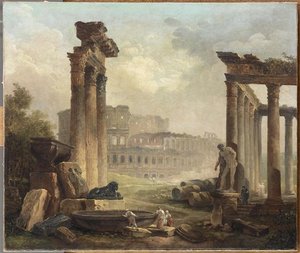

Biografía del artista
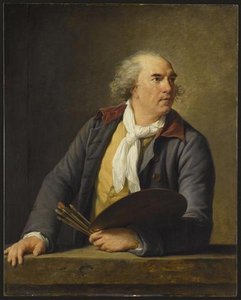
Hubert Robert: Pintor de Ruinas y Visiones
- Nacimiento: 22 de mayo de 1733, París, Francia
- Fallecimiento: 15 de abril de 1808, París, Francia
Hubert Robert fue un pintor francés celebrado por sus evocadores paisajes y pinturas de *capricho*—representaciones pintorescas semi-ficticias de ruinas en Italia y Francia. Se le considera una figura clave que une los períodos Rococó y Neoclásico, anticipando aspectos del Romanticismo con su fascinación por la decadencia, la historia y las reconstrucciones imaginativas.
Primeros Años y Formación Artística
Nicolas Robert, el padre de Hubert, sirvió a François-Joseph de Choiseul, Marqués de Stainville. Robert recibió una educación jesuita en el Collège de Navarre en 1751. Luego estudió escultura con Michel-Ange Slodtz, quien lo animó a dedicarse a la pintura. Esta formación temprana le inculcó una sólida base en diseño y perspectiva, elementos cruciales que definirían más tarde su estilo artístico.
Los Años Romanos y Desarrollo Artístico (1754-1765)
- Traslado a Roma: En 1754, Robert viajó a Roma con Étienne-François de Choiseul, hijo de su empleador.
- Once Años en Italia: Pasó once años en Roma, un período formativo para su desarrollo artístico.
- Apoyo y Patronazgo: Se sustentó creando obras para conocedores visitantes como el Abbé de Saint-Non.
- Influencia de Giovanni Paolo Panini: Robert trabajó junto a Giovanni Paolo Panini, cuya influencia es evidente en sus primeras composiciones de *capricho*.
- Dibujo y Observación: Dibujó meticulosamente ruinas y paisajes romanos, documentando sitios como la Villa d'Este y Caprarola, demostrando un agudo sentido del detalle y la perspectiva atmosférica.
Su tiempo en Roma moldeó profundamente su visión artística. La yuxtaposición de las antiguas ruinas romanas con la vida contemporánea despertó su interés por representar la decadencia junto a la vitalidad, un tema recurrente a lo largo de su carrera.
Regreso a París y Reconocimiento (1765-1790)
- Éxito Rápido: Al regresar a París en 1765, Robert rápidamente obtuvo reconocimiento.
- Admisión en la Académie Royale de Peinture et de Sculpture: Fue admitido en la Académie Royale de Peinture et de Sculpture con un *capricho* romano, "El Puerto de Roma, Ornamentado con Diferentes Monumentos de Arquitectura, Antiguos y Modernos".
- Exposiciones en el Salón: Sus exposiciones en el Salón (a partir de 1767) atrajeron una atención significativa. Denis Diderot comentó famosamente sobre la grandeza evocada por sus representaciones de ruinas.
- Obras Notables: Obras clave de este período incluyen "Paisaje con las Ruinas del Templo Circular, con una Estatua de Venus y un Monumento a Marco Aurelio", que muestra su dominio de la pintura de *capricho*.
El éxito parisino de Robert se debió a su capacidad para capturar tanto la grandeza de la antigüedad clásica como la vitalidad de la vida contemporánea. Sus obras resonaron en el público fascinado por la historia, la arqueología y lo pintoresco.
Últimos Años, Revolución y Legado (1790-1808)
- Revolución Francesa: Robert fue testigo y documentó la Revolución Francesa, incluyendo la demolición de monumentos históricos.
- Curador del Muséum Central des Arts: Sirvió como curador del recién establecido Muséum Central des Arts (luego el Louvre), demostrando su compromiso con la preservación del patrimonio cultural.
- Producción Artística Continua: A pesar del turbulento clima político, Robert continuó pintando y dibujando prolíficamente.
- Reproducción e Influencia: Sus obras fueron frecuentemente reproducidas por artistas como el Abbé de Saint-Non, Châtelain, Linard y Le Veau, lo que atestigua su amplia influencia.
El legado de Hubert Robert radica en su capacidad única para combinar la precisión histórica con la visión imaginativa. Pionero de un género de pintura que celebra tanto la belleza de la decadencia como el poder perdurable de la creatividad humana. Su obra continúa inspirando a artistas y cautivando al público, consolidando su lugar como una figura significativa en el arte del siglo XVIII.
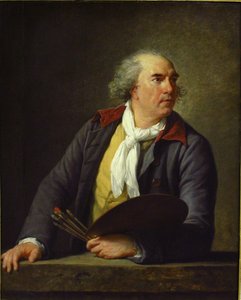
Hubert Robert
1733 - 1808 , Francia
Datos clave
- Artistas Que Influyeron: ['Giovanni Paolo Panini']
- Fecha De Fallecimiento: 15 de abril de 1808
- Fecha De Nacimiento: 22 de mayo de 1733
- Lugar De Nacimiento: París, Francia
- Movimiento Artístico: Rococó y Neoclasicismo
- Nacionalidad: Francés
- Nombre Completo: Hubert Robert
- Obras Notables:
- Interior del Templo de Diana
- Le château de la Roche Guyon
- El artista dibujando en los jardines
- Paisaje con terraza y cascada
- Villa Sachetti
- Establos en ruinas de Villa Giulia
Artículos relacionados

Hubert Robert: Picturing Ruins, Preserving Memory – A Study of Romantic Antiquarianism & Artistic Innovation
Explore the captivating world of Hubert Robert, master of Romantic landscape painting & 'capriccio' ruins. Discover his historical context, artistic innovations, and collecting insights with ArtsDot.

David Roberts: A Scottish Pioneer of Topographical Art & Orientalist Vision
Explore the captivating world of David Roberts, a pioneering Scottish painter renowned for his detailed Orientalist scenes & stunning Egyptian landscapes. Discover his legacy and find museum-quality reproductions at ArtsDot.
Robert Bevan: Pioneering British Post-Impressionism & the Camden Town Group's Intimate Vision
Explore the life & work of Robert Bevan, a pioneer of British Post-Impressionism and founding member of the Camden Town Group. Discover his vibrant landscapes and lasting impact on early 20th-century art.
Édouard Cortès: Capturing Parisian Life – A Comprehensive Study of the 'Painter of Paris'
Explore the captivating world of Édouard Cortès, 'The Painter of Paris'. Discover his iconic street scenes, unique style & lasting legacy. Expert insights for collectors and art enthusiasts.

Robert Henri & the Spirit of American Realism: A Legacy of Urban Life and Artistic Independence
Explore the life & legacy of Robert Henri, a pivotal figure in American Realism. Discover his captivating portraits, influence on the Ashcan School, and enduring impact on art history. Learn more at ArtsDot.