

 Ver en contexto
 Enviar
 Compartir
 Detalles

 Descargar
 Similares
 Radiografía
 Presentación de diapositivas
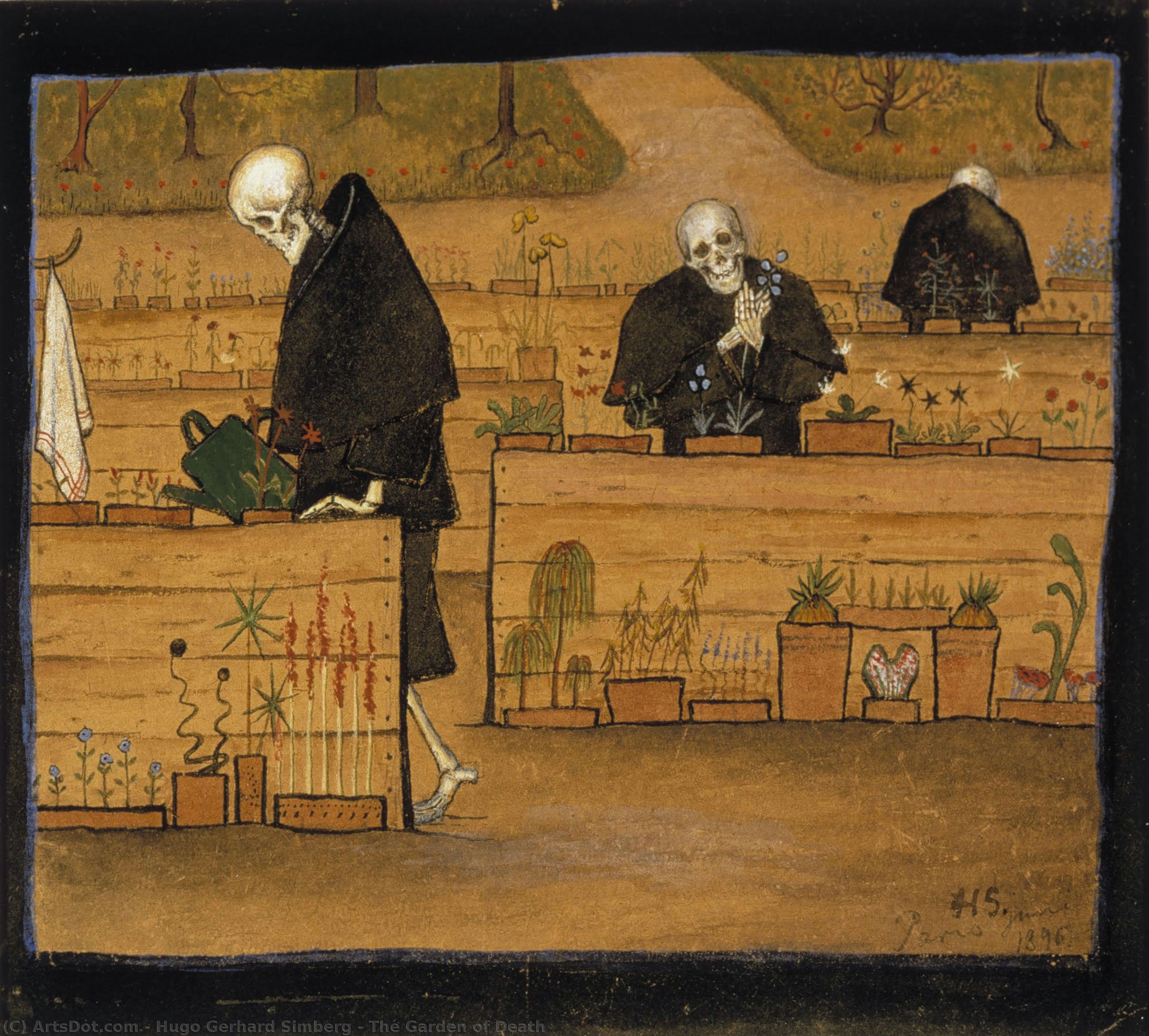
The Garden of Death
 Painting
- Symbolism
 1896
1896- 19th Century
 17.0 x 16.0 cm
 Museo Ateneo de Arte
 Ver más
Giclée / Impresión de arte
Impresiones giclée o en lienzo de calidad de museo con producción rápida y opciones de acabado flexibles. ( Comprar pintura hecha a mano Comprar imagen)




P118B $10

P118H $10

P118W $10

P438Z $10

P508JH $12

P508YH $12

P805H $10

P805Z $10

P919BZ $10

P919G $10

P919XJ $10

P959ZH $10

P968JZ $12

W106C $8

W218G $10

W218JH $8

W218Y $10

W307PJ $10

W316G $10

W316PJ $8

W316Y $10

W398PJ $8

W4111J $10

W500HY $15

W500JH $15

W692G $12

W849H $8

W940BG $15

W953PJ $8




Elija entre nuestros tamaños predefinidos que respetan las proporciones originales de la obra.

Puede introducir sus propias dimensiones para adaptarse a un marco o espacio específico. Si el tamaño seleccionado no coincide con las proporciones de la imagen original, recortaremos la obra de arte o extenderemos la imagen con un borde con efecto espejo o de color sólido. Se enviará una maqueta digital para su aprobación antes de que comience la producción.
Tenga en cuenta que la vista previa en pantalla no refleja el recorte o la extensión real. Solo la maqueta mostrará con precisión la composición final.
Aunque existen tamaños personalizados, recomendamos seleccionar una dimensión de la lista predefinida para preservar las proporciones originales.
Envío a todo el mundo () en 2 semanas en lugar de las 4/5 semanas estándar. (30 agosto)

Envío exprés gratuito a todo el mundo

Lienzo de lino de alta calidad

Seguro de envío total

Garantía de reembolso de impuestos aduaneros

Garantía de fidelidad cromática exacta

Política de devolución de 60 días (solo por defectos)

Garantía de devolución del 100% del dinero

Descuento por cantidad
 La opción de vidrio solo está disponible en tamaños inferiores a 110 cm.

The Garden of Death
Giclée / Impresión de arte
Dimensiones de la reproducción
-


Precio total final
$ 62
A Gentle Embrace of Mortality: Exploring The Garden of Death
To gaze upon Hugo Gerhard Simberg's "The Garden of Death" is to encounter a vision that defies the expected solemnity associated with themes of mortality. Far from being a bleak tableau, this painting possesses an almost whimsical charm, largely due to Simberg’s masterful depiction of Death itself. Here, the inevitable passage of time and decay are not presented as terrifying specters, but rather as gentle companions tending to life in miniature. The scene unfolds like a secret, overgrown sanctuary, populated by two skeletal figures who seem more like devoted gardeners than harbingers of doom.
Symbolism Woven into Flora and Bone
The core fascination of this piece lies in its delicate balance between the macabre and the pastoral. The skeletons, each holding a skull—a universal memento mori—are engaged in the nurturing act of tending potted plants. This juxtaposition is profoundly symbolic; it suggests that even within the framework of ultimate endings, there persists an enduring cycle of growth and care. The garden itself becomes a metaphor for life's continuous cycle: death feeds new beginnings. Simberg invites us to reconsider our relationship with impermanence, suggesting that remembrance and beauty can bloom even where decay is present.
Simberg’s Symbolist Dreamscape
As a leading figure in Finnish Symbolism, Simberg imbued his work with the ethereal quality characteristic of the movement. His art often drifts between myth, fairy tale, and deep introspection. "The Garden of Death" exemplifies this perfectly; it feels less like a scene from reality and more like a beautiful, poignant dream recalled at dawn. The soft handling of paint and the slightly muted palette contribute to an atmosphere that is both melancholic and deeply serene. For collectors and those seeking art with narrative depth, this piece offers a window into the mystical undercurrents of turn-of-the-century European thought.
A Touch of Timeless Elegance for Your Space
With its intimate scale (17 x 16 cm), "The Garden of Death" possesses an immediate presence, making it ideal for placement in a parlor, study, or gallery setting where thoughtful conversation is encouraged. Whether you are curating a space that speaks to romanticism, intellectual depth, or quiet contemplation, this reproduction captures the original's delicate balance. It serves not as mere decoration, but as a philosophical anchor—a beautiful reminder that life’s most profound truths can be found in the gentlest of settings.
Obras relacionadas
Biografía del artista
Early Life and Artistic Beginnings
Hugo Gerhard Simberg, a luminary of Finnish Symbolism, was born on June 24th, 1873, in the charming town of Hämeenlinna, Finland – a region steeped in history and folklore. His early years were nurtured within a family that valued both artistic expression and intellectual curiosity. His father, Nicolai Simberg, held a position as a colonel in the Finnish army, instilling in Hugo a sense of discipline and civic duty, while his mother, Ebba Matilda Widenius Simberg, fostered an appreciation for beauty and creativity. From a young age, Hugo displayed a remarkable talent for drawing, capturing the landscapes and details of Hämeenlinna with a keen eye and a sensitive touch. This nascent passion led him to enroll in the Drawing School of the Viipuri Friends of Art in 1891, where he began his formal artistic training under the guidance of various instructors, honing his skills and developing his unique style. The atmosphere of this institution, focused on both traditional techniques and a burgeoning interest in contemporary art movements, proved to be fertile ground for Simberg’s artistic development.Artistic Style and Influences
Simberg's artistic vision is immediately recognizable by its dreamlike quality, an ethereal blend of myth, fairy tale, and the deeply personal. His work frequently explores themes of mortality, spirituality, and the hidden realms of human experience – a hallmark of Symbolism. He masterfully combined elements of Finnish folklore with European Symbolist aesthetics, creating images that are both hauntingly beautiful and profoundly evocative. Simberg’s artistic language is not merely decorative; it's a deliberate attempt to communicate complex emotions and ideas through carefully chosen symbols and colors. A significant influence on his work was Akseli Gallen-Kallela, a prominent Finnish painter known for his depictions of Finnish mythology and landscapes. Simberg spent several years studying under Gallen-Kallela’s tutelage at his secluded studio in Ruovesi, absorbing the master's techniques and philosophical approach to art. This period proved crucial in shaping Simberg’s artistic identity, solidifying his commitment to exploring themes of darkness and light, life and death. Furthermore, his travels through Europe – particularly London and Paris – exposed him to the works of other Symbolist painters, broadening his understanding of the movement and enriching his own artistic vocabulary.Notable Works and Artistic Achievements
Simberg’s oeuvre is marked by a series of iconic paintings that have secured his place as one of Finland's most celebrated artists. *The Garden of Death* (1896), perhaps his most famous work, presents a macabre yet strangely serene vision of mortality – a skeletal figure tending to a bedridden woman amidst a desolate landscape. This painting exemplifies Simberg’s ability to balance the unsettling with the beautiful, inviting viewers to contemplate the mysteries of life and death. *The Wounded Angel* (1903) is another powerful example of his symbolic approach, depicting an injured angel in a dark forest, symbolizing suffering and redemption. His watercolour piece, *King Hobgoblin Sleeping*, offers a glimpse into the realm of folklore and fantasy, portraying a whimsical hobgoblin nestled amongst mushrooms and flowers. Beyond these individual masterpieces, Simberg’s contributions extend to public art as well, notably his intricate frescoes adorning the interior of Tampere Cathedral (1904-1906), alongside Magnus Enckell. His design for the UPM-Kymmene logo, a stylized griffin, further demonstrates his versatility and artistic talent.Legacy and Historical Significance
Hugo Simberg’s influence on Finnish Symbolism is undeniable; his unique approach to art continues to inspire artists and art enthusiasts alike. His work served as a bridge between traditional Finnish art and the burgeoning Symbolist movement, shaping the course of Finnish art history. Simberg's paintings are now housed in prestigious museums throughout Finland, including the Ateneum Museum in Helsinki – a testament to his enduring legacy. The Ateneum’s collection offers a comprehensive overview of Simberg’s artistic development, showcasing the evolution of his style and themes over time. His art remains deeply resonant with audiences today, prompting reflection on universal human experiences such as loss, hope, and the search for meaning in a complex world. Simberg's enigmatic vision continues to captivate viewers, solidifying his place as one of Finland’s most important artistic figures.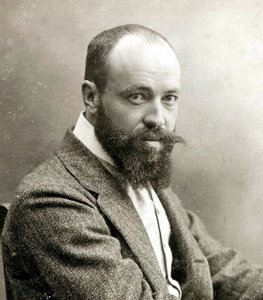
Hugo Simberg
1873 - 1917 , Finland
Datos clave
- Artistic Movement Or Style: Simbolismo
- Artists Or Movements Influenced By This Artist: ['Nightwish']
- Artists Who Influenced This Artist: ['Akseli Gallen-Kallela']
- Date Of Birth: 24 de junio de 1873
- Date Of Death: 12 de julio de 1917
- Full Name: Hugo Gerhard Simberg
- Nationality: Finlandesa
- Notable Artworks:
- Jardín de la Muerte
- Ángel herido
- Place Of Birth: Hämeenlinna, Finlandia
Artículos relacionados
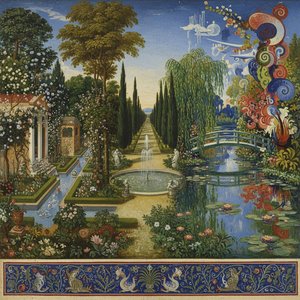
Cultivating Paradise: A Historical & Artistic Exploration of Gardens in Painting
Explore the rich history of gardens in painting! Discover masterpieces from Renaissance to Impressionism & beyond. Learn about symbolism, artists like Monet & Klimt, and find your perfect artwork at ArtsDot.

Giclée Prints: Archival Quality & Aesthetic Nuances for the Discerning Collector
Explore the world of giclée prints with ArtsDot. Learn about archival quality, aesthetic nuances & investment potential. Expert guidance for discerning art collectors seeking museum-quality reproductions and lasting value.
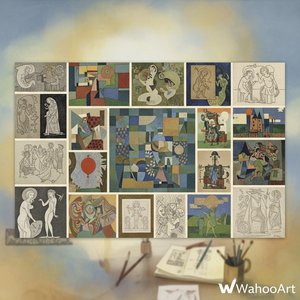
Paul Klee: Las 25 Obras Maestras que Definen un Genio del Arte Moderno | ArtsDot
Descubre las 25 obras maestras de Paul Klee, el genio del arte moderno. Explora su expresionismo único, composiciones abstractas y vibrantes paletas de colores. Reproducciones de alta calidad y decoración con arte en ArtsDot.com.

Echoes of Time: Exploring the Enduring Appeal & Historical Context of Vintage Art Prints
Explore the captivating world of vintage art prints! Discover their history, collecting tips & enduring appeal. Expert insights on chromolithography and building a legacy collection with ArtsDot.

The Enduring Legacy of Fine Art Prints: Technique, History & Aesthetic Impact
Explore the rich history & techniques of fine art prints. Discover investment potential, assess authenticity, and learn how to preserve your collection with expert guidance. Trusted insights for discerning collectors.

