 Ver en contexto
 Enviar
 Compartir
 Detalles

 Descargar
 Similares
 Radiografía
 Presentación de diapositivas
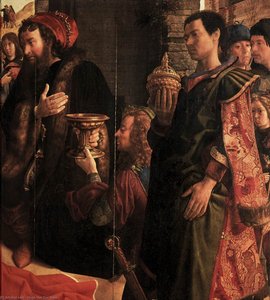
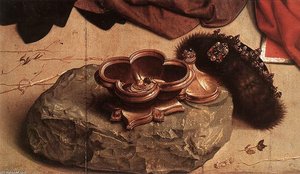
The Death of the Virgin (detail) (28)


 Ver más
Reproducción al óleo hecha a mano
Óleo sobre lienzo pintado a mano en el tamaño y marco de su elección, realizado por encargo por nuestros artistas. ( Comprar impresión Comprar imagen)




P118B $10

P118H $10

P118W $10

P438Z $10

P508JH $12

P508YH $12

P805H $10

P805Z $10

P919BZ $10

P919G $10

P919XJ $10

P959ZH $10

P968JZ $12

W106C $8

W218G $10

W218JH $8

W218Y $10

W307PJ $10

W316G $10

W316PJ $8

W316Y $10

W398PJ $8

W4111J $10

W500HY $15

W500JH $15

W692G $12

W849H $8

W940BG $15

W953PJ $8




Elija entre nuestros tamaños predefinidos que respetan las proporciones originales de la obra.

Puede ingresar sus propias dimensiones para adaptarse a un marco o espacio específico. Si el tamaño seleccionado no coincide con las proporciones de la imagen original, recortaremos la obra o extenderemos la pintura con elementos adicionales pintados a mano. Se le enviará una maqueta digital para su aprobación antes de comenzar la producción.
Tenga en cuenta que la vista previa en pantalla no refleja el recorte o la extensión reales. Solo la maqueta mostrará con precisión la composición final.
Si bien existen tamaños personalizados, recomendamos seleccionar una dimensión de la lista predefinida para preservar las proporciones originales.
Tras realizar el pedido, el equipo de ArtsDot.com enviará un correo electrónico al cliente para solicitar instrucciones y proporcionarle una vista previa del boceto.
Envío a todo el mundo () en 3-4 semanas en lugar de las 5 semanas estándar. (31 agosto). Sin comprometer la calidad.

Envío exprés gratuito a todo el mundo

Lienzo de lino de alta calidad

Seguro de envío total

Garantía de reembolso de impuestos aduaneros

Garantía de fidelidad cromática exacta

Política de devolución de 60 días (solo por defectos)

Garantía de devolución del 100% del dinero

Descuento por cantidad
 La opción de vidrio solo está disponible en tamaños inferiores a 110 cm.

The Death of the Virgin (detail) (28)
Técnica de reproducción
Dimensiones de la reproducción
-


Precio total final
$ 263
The Death of the Virgin: A Window into Medieval Devotion
Hugo van der Goes’ “The Death of the Virgin,” a remarkably intimate depiction of a pivotal moment in Christian history, transcends mere religious iconography to become a profound meditation on grief, faith, and the acceptance of mortality. Painted around 1480 during the artist's peak period in Ghent, this oil-on-panel masterpiece offers a rare glimpse into the artistic sensibilities of the late Northern Renaissance – a time when realism was cautiously embraced alongside deeply ingrained spiritual beliefs. The painting isn’t simply a representation of Mary’s passing; it’s an invitation to contemplate her life, her role as the mother of God, and the universal human experience of loss.
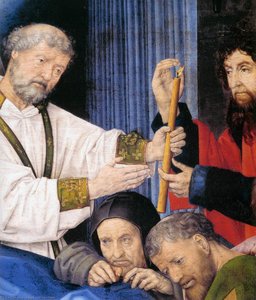
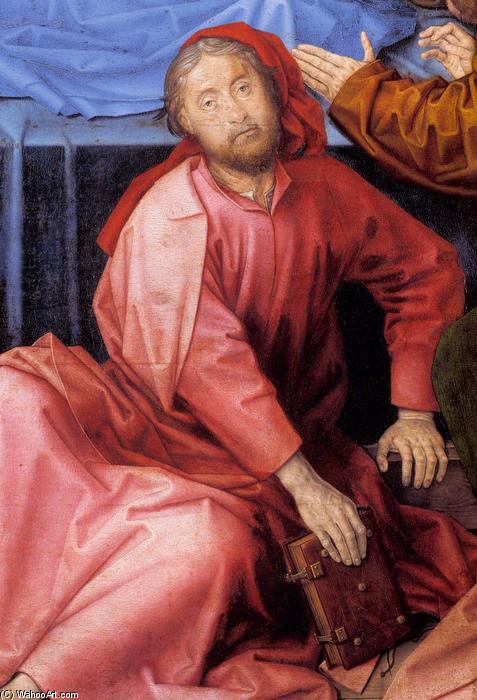
Van der Goes masterfully employs a domestic setting – a simple room reminiscent of a private home – to render the scene profoundly relatable. This deliberate choice contrasts sharply with the grand, often imposing depictions of the Virgin’s death prevalent in earlier art. Instead, we are presented with a quiet intimacy, as if witnessing a personal moment within a family circle. The figures surrounding Mary—the twelve apostles, including Peter holding aloft a holy water sprinkler and John gently presenting her with a candle – aren't idealized representations but rather individuals caught in the throes of grief, their faces etched with sorrow and reverence. This humanization of the religious narrative is a hallmark of Van der Goes’ style and a significant departure from the more formal conventions of his time.
A Symphony of Color and Texture
The painting's power lies not only in its composition but also in Van der Goes’ exceptional technical skill. He demonstrates an unparalleled command of oil paint, layering thin glazes to achieve remarkable luminosity and depth. The rich reds of Mary’s robes – a vibrant hue rarely seen in Northern European art at this period – draw the eye immediately, while the subtle gradations of color throughout the scene create a sense of atmospheric perspective. Notice the meticulous detail with which he renders the textures: the folds of the drapery, the rough surface of the wooden panel, and even the delicate sheen on Mary’s skin. This commitment to realism, combined with an expressive use of light and shadow, imbues the painting with a palpable sense of physicality.
The artist's technique is further evidenced by the impasto – thick application of paint – particularly noticeable in areas like Peter’s robe and the background details. This creates a tactile quality, inviting the viewer to almost feel the surface of the painting. The use of a white ground beneath the colors—a common practice at the time—further enhances the luminosity and depth of the image.
Symbolism Woven into Every Detail
“The Death of the Virgin” is replete with symbolic elements, each contributing to the overall narrative and emotional impact. The book held open by Mary represents her role as a vessel for divine grace – knowledge and scripture are inextricably linked to her motherhood. The candle symbolizes hope and eternal life, while the holy water signifies purification and spiritual cleansing. Even the positioning of the apostles—some praying, some reading, others offering comfort—reflects the multifaceted nature of faith and grief. The inclusion of a small wooden cross in the background subtly reinforces the central theme of sacrifice and redemption.
Furthermore, the choice to depict Mary within a domestic setting speaks volumes about the evolving relationship between religion and everyday life during this period. It suggests that spirituality wasn’t confined to sacred spaces but was deeply interwoven with the rhythms and routines of daily existence. The painting reflects a shift towards a more personal and emotionally resonant form of religious expression.
A Timeless Reflection on Mortality
“The Death of the Virgin” is not merely a depiction of a historical event; it’s a timeless meditation on mortality, grief, and the enduring power of faith. The painting's quiet intimacy and emotional depth continue to resonate with viewers centuries after its creation. It serves as a poignant reminder of our shared humanity—our vulnerability in the face of loss and our unwavering hope for something beyond.
Reproductions of this iconic work capture much of its original power, offering an accessible way to experience Van der Goes’ artistic genius within your own home or office space. Consider framing it in a classic style to complement its historical context, allowing the painting's rich colors and intricate details to take center stage.
Obras relacionadas
Biografía del artista
Hugo van der Goes: A Pioneer of Flemish Realism
Hugo van der Goes (Gante; h. 1440 – Auderghem; 1482) fue un pintor flamenco de la pintura gótica del siglo XV, de estilo flamenco. Él no era simplemente un artista; era un innovador que profundamente alteró el curso del arte durante la segunda mitad del siglo XV, influyendo en maestros tanto dentro de Flandes como a través del floreciente Renacimiento italiano. Nacido alrededor de 1440 en Gante, Bélgica, un centro artístico vibrante, poco se sabe sobre su vida temprana; fuentes iniciales diferencian sobre su lugar de nacimiento, mencionando Ghent, Amberes y Bruselas como posibles candidatos. Nada es conocido de su vida antes de 1467, cuando fue aceptado como maestro en la gilda de artistas de Gante, marcando así su establecimiento formal como artesano experto. Desde entonces hasta 1475 continuó recibiendo encargos tanto de los burgueses como de la aristocracia, demostrando su versatilidad como artista. Este compromiso con representar a la humanidad en toda su complejidad fue revolucionario para su época, influyendo en artistas que buscaban trascender simplemente las habilidades técnicas y explorar las profundidades de la experiencia humana.Innovation and Artistic Style
Van der Goes’s distintivo estilo artístico reside en su capacidad para infundir escenas religiosas con una sorprendente sensación de actualidad y peso emocional. Él rompió con las convenciones estilizadas de la pintura flamenca anterior, impregnando a sus figuras con una presencia pesada y carácter individualizado. Su uso del color fue deliberado y frecuentemente sombrío, creando una sensación de gravedad y contenido espiritual. Esto no era simplemente replicar apariencias; era transmitir estados internos—asombro, tristeza, reverencia—a través de gestos sutiles, expresiones faciales y la cuidadosa manipulación de luz y sombra. Su estilo monumental, caracterizado por composiciones grandes escala y figuras imponentes, amplificó aún más este impacto emocional. Él no evitaba representar imperfecciones; sus figuras frecuentemente poseen una crudeza casi inquietante que las diferencia de las representaciones más idealizadas comunes en el arte anterior. Esta dedicación a representar al hombre en toda su complejidad fue revolucionaria para su tiempo, influyendo en artistas que buscaban trascender simplemente las habilidades técnicas y explorar las profundidades de la experiencia humana. Él no era simplemente un pintor; él era un innovador que profundamente alteró el curso del arte durante la segunda mitad del siglo XV, influyendo en maestros tanto dentro de Flandes como a través del floreciente Renacimiento italiano. Él estudió los principales maestros flamencos del primer cuarto del siglo XV, pero Van der Goes trascendió la imitación, creando un estilo único para sí mismo.Masterpieces and Lasting Influence
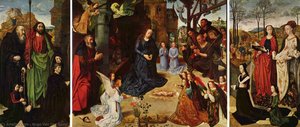
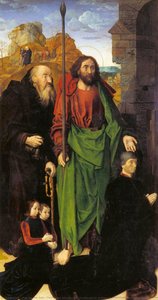
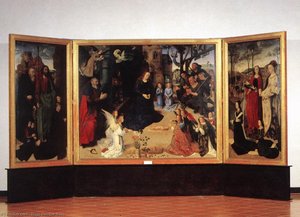
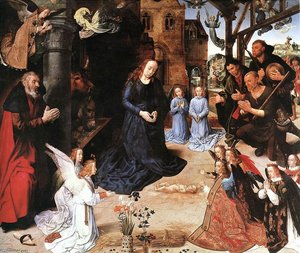
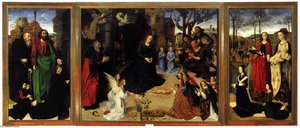
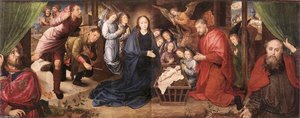
Quizás su obra maestra, y la única obra segura de documentación, es el *Tríptico Portinari* (*c.*1474–76), encargado por Tommaso Portinari, agente italiano en Bruselas, quien fue representado con su familia en las alas. Esta magnífica composición—ahora alojada en la Galería Uffizi en Florencia—es un testimonio de su maestría en composición, color y comprensión psicológica, utilizando técnicas innovadoras que establecieron nuevos estándares para el arte occidental. La escena representando la Adoración de los Pastores es particularmente impresionante, con una iluminación dramática, representación realista de figuras humildes y sensación palpable de asombro. Esta obra logró un nivel de intensidad emocional sin precedentes en la pintura flamenca, reflejando las preocupaciones espirituales más profundas de la época. También fue una obra clave para el desarrollo del arte italiano contemporáneo. Otra obra significativa es *La muerte de la Virgen* (*c.*1477–82), ahora exhibida en el Museo Groeninge en Brujas. Esta pieza demuestra su habilidad para crear escenas dinámicas llenas de detalle intrincado y significado simbólico, utilizando técnicas innovadoras que establecieron nuevos estándares para el arte occidental. Además, Van der Goes contribuyó a numerosos proyectos civiles, incluyendo decoración heraldica para los encargos del Duque Carlos el Temerario en Bruselas, demostrando su versatilidad como artista.A Life Transformed: From Workshop to Monastery
En un giro sorprendente de acontecimientos, en el apogeo de su carrera artística en 1477, Van der Goes abruptamente cerró su bullicioso taller y entró en el monasterio Rode Klooster cerca de Auderghem como hermano lego. Esta decisión sigue siendo algo de misterio, aunque se cree que estuvo impulsada por un profundo anhelo espiritual o quizás una lucha con problemas mentales. Después de tomar votos religiosos como hermano lego, continuó aceptando encargos, incluso realizando la tarea de evaluar obras inacabadas por parte del artista Dieric Bouts para la ciudad de Leuven. Sin embargo, sus últimos años estuvieron marcados por episodios frecuentes de depresión y angustia psicológica. Los relatos sugieren que sufrió una ruptura aguda en 1482, muriendo trágicamente poco después. Las circunstancias que rodearon su muerte han alimentado especulaciones durante siglos, añadiendo otra capa de misterio a este artista extraordinario. Él estudió los principales maestros flamencos del primer cuarto del siglo XV, pero Van der Goes trascendió la imitación, creando un estilo único para sí mismo.A Legacy Enduring Through Time
Hugo van der Goes’s legado perdura hasta nuestros días gracias a obras maestras como el Tríptico Portinari y La muerte de la Virgen, que siguen siendo estudiadas por artistas y críticos de arte en todo el mundo. Su obra puede encontrarse hoy en día en museos prestigiosos como el Museo Groeninge en Brujas y la Gemäldegalerie Berlín, ofreciendo una visión fascinante del espíritu creativo del siglo XV y estableciendo nuevos estándares para la representación artística. Él permanece un personaje cautivador—un testimonio del poder del arte para capturar las complejidades de la condición humana y trascender fronteras culturales. Su influencia sigue inspirando admiración y respeto, asegurando su lugar como uno de los artistas más importantes del Renacimiento flamenco.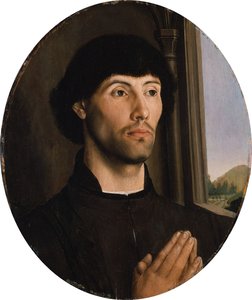
Hugo van der Goes
1440 - 1482 , Bélgica
Datos clave
- Artistic Movement Or Style: Early Netherlandish painting
- Artists Who Influenced This Artist:
- Jan van Eyck
- Dirk Bouts
- Date Of Birth: c. 1440
- Date Of Death: 1482
- Full Name: Hugo van der Goes
- Nationality: Flemish
- Notable Artworks:
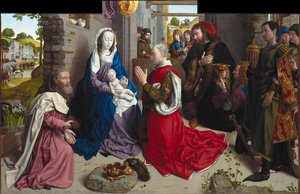
- Portinari Altarpiece
- Monforte Altarpiece
- Place Of Birth: Ghent, Belgium
Artículos relacionados
Hugo van der Goes: Devotion, Innovation & the Psychological Depth of Early Netherlandish Painting
Explore the revolutionary art of Hugo van der Goes – a master of Early Netherlandish painting renowned for his dramatic realism, psychological depth & profound influence on Renaissance artists. Discover his iconic works and lasting legacy.
Renacimiento Flamenco Temprano: 10 Obras Maestras que Cambiaron la Historia del Arte | ArtsDot
Descubre las 10 obras maestras del Renacimiento Flamenco Temprano. Explora la historia de Jan van Eyck, Robert Campin y más. Reproducciones de arte en ArtsDot.com para decorar tu hogar con belleza y elegancia. ¡Explora la colección online!

Los 10 Maestros del Primitivo Flamenco: Obras que Definen un Arte Inigualable | ArtsDot
Descubre los 10 imprescindibles del Primitivo Flamenco: Jan van Eyck, Robert Campin y más. Explora la historia, simbolismo y técnica de estas obras maestras renacentistas tempranas. Encuentra reproducciones de arte de museo en ArtsDot.com.
Rogier van der Weyden: Emotion, Innovation & the Early Netherlandish Renaissance
Explore the revolutionary art of Rogier van der Weyden, a pivotal figure of the Early Netherlandish Renaissance. Discover his emotional realism, innovative compositions, and lasting impact on painting history.

Rembrandt van Rijn: Las 25 Obras Maestras que Definen un Genio | Arte, Historia y Decoración
Descubre las 25 obras maestras de Rembrandt van Rijn, el genio del barroco holandés. Explora su historia, técnica y simbolismo en retratos icónicos como 'La Ronda Nocturna'. Encuentra reproducciones de arte exclusivas para decorar tu hogar con ArtsDot.com.