

 Ver en contexto
 Enviar
 Compartir
 Detalles

 Descargar
 Similares
 Radiografía
 Presentación de diapositivas
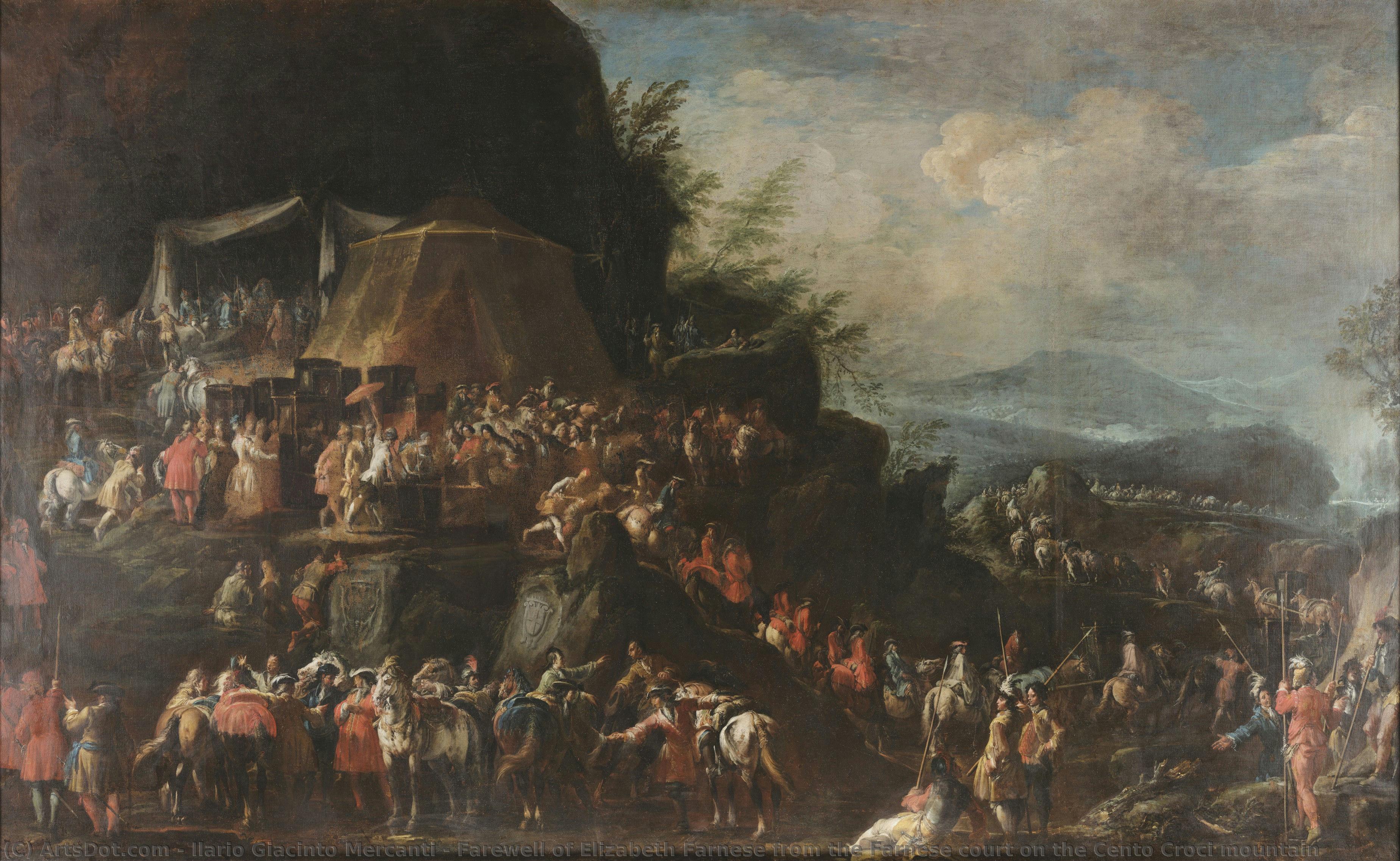
Farewell of Elizabeth Farnese from the Farnese court on the Cento Croci mountain


 Ver más
Giclée / Impresión de arte
Impresiones giclée o en lienzo de calidad de museo con producción rápida y opciones de acabado flexibles. ( Comprar pintura hecha a mano Comprar imagen)




P118B $10

P118H $10

P118W $10

P438Z $10

P508JH $12

P508YH $12

P805H $10

P805Z $10

P919BZ $10

P919G $10

P919XJ $10

P959ZH $10

P968JZ $12

W106C $8

W218G $10

W218JH $8

W218Y $10

W307PJ $10

W316G $10

W316PJ $8

W316Y $10

W398PJ $8

W4111J $10

W500HY $15

W500JH $15

W692G $12

W849H $8

W940BG $15

W953PJ $8




Elija entre nuestros tamaños predefinidos que respetan las proporciones originales de la obra.

Puede introducir sus propias dimensiones para adaptarse a un marco o espacio específico. Si el tamaño seleccionado no coincide con las proporciones de la imagen original, recortaremos la obra de arte o extenderemos la imagen con un borde con efecto espejo o de color sólido. Se enviará una maqueta digital para su aprobación antes de que comience la producción.
Tenga en cuenta que la vista previa en pantalla no refleja el recorte o la extensión real. Solo la maqueta mostrará con precisión la composición final.
Aunque existen tamaños personalizados, recomendamos seleccionar una dimensión de la lista predefinida para preservar las proporciones originales.
Envío a todo el mundo () en 2 semanas en lugar de las 4/5 semanas estándar. (6 septiembre)

Envío exprés gratuito a todo el mundo

Lienzo de lino de alta calidad

Seguro de envío total

Garantía de reembolso de impuestos aduaneros

Garantía de fidelidad cromática exacta

Política de devolución de 100 días (solo por defectos)

Garantía de devolución del 100% del dinero

Descuento por cantidad
 La opción de vidrio solo está disponible en tamaños inferiores a 110 cm.

Farewell of Elizabeth Farnese from the Farnese court on the Cento Croci mountain
Giclée / Impresión de arte
Dimensiones de la reproducción
-


Precio total final
$ 62
A Grand Departure: The Poignant Spectacle of Spolverini
In the sweeping canvas of Italian Baroque history, few moments capture the intersection of personal heartache and political destiny as vividly as Ilario Giacinto Mercanti’s Farewell of Elizabeth Farnese from the Farnese court on the Cento Croci mountain. Known affectionately by his moniker "lo Spolverini," the artist serves here as both a chronicler and a dramatist, transporting the viewer to a pivotal departure in the life of one of Europe's most influential women. The scene is set against the rugged, picturesque backdrop of the Cento Croci mountains, where the natural grandeur of the landscape mirrors the monumental weight of the event unfolding within it. As Elizabeth prepares to leave her ancestral home, the painting captures a delicate tension between the intimacy of a family goodbye and the public ceremony of a departing sovereign.
The composition is a masterclass in narrative complexity, showcasing Spolverini’s celebrated ability to manage large-scale gatherings without losing the emotional thread. At the heart of this bustling assembly, we find Elizabeth surrounded by the pillars of her world: her uncle and stepfather, Duke Francis, alongside the formidable Cardinal Acquaviva and various court dignitaries. The artist meticulously populates the hillside with a diverse cast of characters—nobles in fine attire, attendants, and figures that suggest the movement of a great procession. Through his brush, we see not just a crowd, but a living, breathing community caught in a singular moment of transition. For the collector, this piece offers more than mere decoration; it provides a window into the structured elegance and social hierarchies of the 17-century Italian duchy.
Technique, Color, and the Venetian Influence
To gaze upon this work is to experience the vibrant luminosity that defines Mercanti’s mature style. Having traveled to Venice, the artist absorbed a revolutionary approach to color that departed from the more rigid traditions of his training under Francesco Monti. In this painting, the light does not merely illuminate the figures; it breathes life into the textures of silk, the heavy fabrics of clerical robes, and the earthy tones of the mountain terrain. His use of color is both strategic and emotive, employing a palette that can shift from the somber, dignified hues of the courtly officials to the bright, spirited tones of the landscape, creating a sense of depth and atmospheric perspective that draws the eye deep into the horizon.
The technical execution reveals Spolverini’s remarkable skill in rendering detail within a grand composition. He possesses an almost photographic ability to represent the intricate details of horses, carriages, and even the specific architecture of sedan chairs, making him a "faithful reporter" of the era's festivities. This precision makes the work particularly captivating for interior designers seeking a focal point that rewards close inspection. Every brushstroke contributes to a sense of motion—the subtle tilt of a head in grief, the poised stance of a guard, and the undulating lines of the distant hills all work in harmony to create a masterpiece of Baroque storytelling.
An Eternal Legacy for the Discerning Collector
Beyond its historical significance, Farewell of Elizabeth Farnese resonates on a deeply human level. It is a painting about endings and beginnings, about the bittersweet nature of leaving one's roots to embrace a larger, more uncertain destiny. This emotional resonance, paired with the sheer scale of the narrative, makes it an incomparable choice for those looking to infuse a space with history, drama, and sophistication. Whether displayed in a grand salon or a private study, a high-quality reproduction of this work serves as a conversation piece that celebrates the enduring power of Italian heritage.
For the art lover, owning a piece that captures such a profound historical milestone is an opportunity to connect with the legacy of the Farnese court. For the interior designer, it offers a rich tapestry of color and light that can anchor a room with classical prestige. Spolverini’s ability to blend the monumental with the personal ensures that this painting remains not just a relic of the past, but a living element of beauty in any contemporary collection.
Obras relacionadas






Biografía del artista
Early Life and Training
Ilario Giacinto Mercanti, known as lo Spolverini (Parma, 1657 – Parma or Piacenza, 1734), was an Italian painter born in Parma during the Baroque period. His formative years were marked by exposure to the artistic milieu of his hometown and a profound influence from Francesco Monti, also referred to as Brescianino—a fellow artist who would become Mercanti’s most esteemed pupil. Monti's distinctive style, characterized by dramatic compositions and masterful use of color, instilled in Mercanti a foundational aesthetic sensibility that would permeate his subsequent artistic endeavors. Following a significant journey to Venice, Mercanti experienced firsthand the burgeoning Venetian painting tradition, where he embraced innovative techniques rooted in glazing—a method of applying thin layers of translucent pigment over previous coats—resulting in vibrant hues and unparalleled luminosity. This Venetian influence decisively shaped Mercanti’s artistic vision and propelled him toward originality.Artistic Style and Notable Works
Mercanti's artistic style is instantly recognizable for its bold chromatic palette and dynamic visual narratives. He skillfully captured the essence of human interaction, as evidenced by “Visit to Court,” housed in the Musei Civici di Palazzo Farnese in Piacenza—a masterpiece that exemplifies his ability to convey emotion through meticulous detail and expressive brushstrokes. Similarly, “Meeting between duke Francis and cardinal Gozzadini” and “Entrance in Parma of Cardinal Acquaviva and Duke Francis Farnese,” also residing within Palazzo Farnese’s collection, powerfully depict historical events with grandeur and theatrical flair. Mercanti's mastery extended to battlefield scenes—particularly "Victory"—where he employed color and composition to evoke palpable feelings of triumph and heroism. His canvases pulsated with energy, reflecting the fervor of the Baroque spirit. Mercanti served as a painter for prominent noble families throughout Parma and Piacenza, primarily executing commissions for the Duke’s court. He produced numerous depictions of military engagements, demonstrating his technical prowess and artistic dedication to portraying historical narratives accurately. Furthermore, Mercanti's religious artwork graced churches in Parma and Piacenza—most notably the Certosa and Cathedral—underscoring his commitment to spiritual expression. His pupils included Francesco Simonini, Antonio Fratacci, Clemente Ruta, and Giuseppe Peroni—artists who carried forward Mercanti’s stylistic legacy and contributed to the artistic landscape of their time.Influence and Legacy
Mercanti's contribution to Italian Baroque painting is undeniable. He stood firmly within Monti’s circle, absorbing his mentor’s artistic principles and forging a distinctive path marked by Venetian color techniques. His work served as inspiration for subsequent generations of painters, cementing his place among the foremost artists of his era. The enduring appeal of Mercanti's paintings—characterized by their emotional depth and visual dynamism—continues to captivate audiences today, offering a glimpse into the artistic fervor of the 17th century.View More Works
Explore Ilario Giacinto Mercanti’s impressive oeuvre on ArtsDot.com: Ilario Giacinto Mercanti | 17 Artworks. Discover the captivating world of Venetian Baroque painting on ArtsDot.com: painting: visit to court (musei civici di palazzo farnese, piacenza, italy)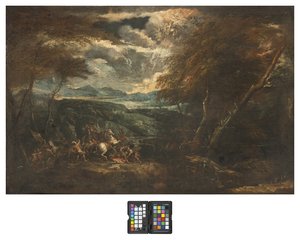
Ilario Giacinto Mercanti
1657 - 1734 , Italia
Datos clave
- Artistic Movement Or Style: Baroque
- Artists Or Movements Influenced By This Artist: Venetian Painting
- Artists Who Influenced This Artist: Francesco Monti
- Date Of Birth: 1657 Parma Italia
- Date Of Death: 1734 Piacenza Italia
- Full Name: Ilario Giacinto Mercanti
- Nationality: Italian
- Notable Artworks:
- Visit to Court
- Meeting between duke Francis and cardinal Gozzadini
- Victory
- Place Of Birth: Parma Italia
Artículos relacionados

Drama Barroca: Llevando la Grandeza y la Emoción a los Interiores Contemporáneos
Descubre cómo el drama y la grandeza del arte barroco pueden transformar tus interiores. Guía experta, inspiración y reproducciones de alta calidad en .

Barroco Sublime: 10 Obras Maestras que Definieron una Época |
Descubre las 10 obras maestras del Barroco que marcaron una época. Caravaggio, Bernini y Velázquez cobran vida en . Reproducciones de arte de calidad museo para decorar tu hogar con elegancia. ¡Explora la colección online!

Simon Vouet: A Baroque Master's Journey from Italian Influence to French Classicism
Explore the life & art of Simon Vouet, a pivotal French Baroque painter who introduced Italian styles to France. Discover his masterpieces and lasting influence on 17th-century art.

The Visceral Stage: Exploring Dramatic Narratives & Emotional Intensity in Baroque Art
Explore the dramatic world of Baroque art! Discover iconic masters like Caravaggio & Rembrandt, their techniques, and the movement's lasting impact. Expert insights for collectors & enthusiasts at ArtsDot.

The Dramatic Flourish: Exploring the Baroque Movement's Enduring Legacy in Art History
Explore the dramatic world of Baroque art! Discover iconic artists like Caravaggio & Rubens, defining techniques, and its lasting impact on art history. Expert insights for collectors & enthusiasts at ArtsDot.