

 Ver en contexto
 Enviar
 Compartir
 Detalles

 Descargar
 Similares
 Radiografía
 Presentación de diapositivas
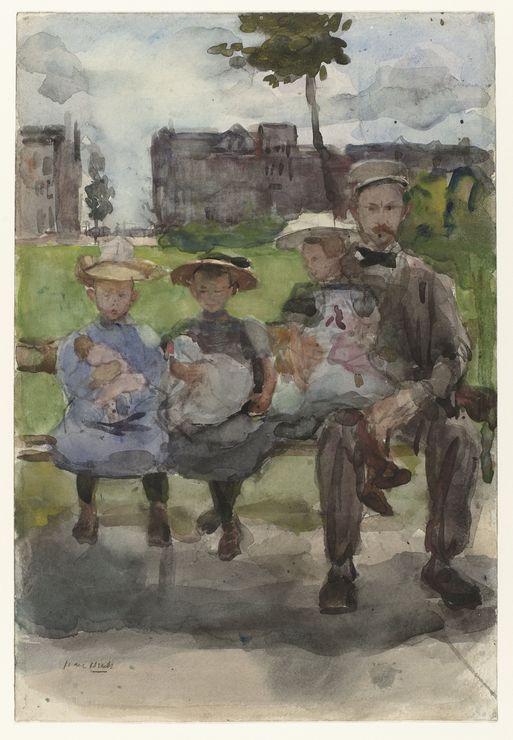
Man with Three Girls on a Bench in the Oosterpark in Amsterdam


 Ver más
Adquiera una imagen digital de alta resolución y optimizada, muy superior a la vista previa en línea.
Cada archivo es preparado meticulosamente por nuestros especialistas internos mediante el uso de herramientas avanzadas y un experto retoque manual. Nos aseguramos de que cada imagen posea una claridad excepcional, una precisión cromática impecable y un detalle minucioso.
El archivo final se entrega por correo electrónico en un plazo de 72 horas, optimizado para su uso inmediato en entornos profesionales, editoriales y de impresión. Esta es la misma calidad en la que confían los estudios de diseño, las editoriales y las galerías de primer nivel.
Imagen Digital
Descarga un archivo de alta resolución para exhibición personal, impresión y proyectos creativos. ( Comprar impresión Comprar pintura hecha a mano)
Incluido en cada pedido de imágenes digitales
Entrega digital experta, garantizada.
Al elegir ArtsDot.com, no solo está adquiriendo una imagen; está recibiendo una obra de arte digital mejorada profesionalmente, elaborada con precisión y respaldada por una garantía de satisfacción. Esto es todo lo que incluye su pedido, automáticamente:

Entrega rápida por email
Recibirá su archivo de imagen digital en alta resolución por correo electrónico en un plazo de 72 horas tras realizar su pedido, listo para su uso inmediato.

Archivo digital optimizado por IA
Su obra de arte se optimiza profesionalmente mediante herramientas avanzadas de IA y edición manual, garantizando el máximo detalle, claridad y precisión cromática.

Reenvío gratuito de por vida
¿Has borrado o perdido tu archivo por error? No te preocupes: te lo volveremos a enviar en cualquier momento, sin coste adicional.

Sin gastos de importación, siempre
Disfrute de su obra de arte al instante sin aduanas, aranceles ni gastos de envío; las descargas digitales siempre están libres de impuestos.

Garantía de fidelidad de color
Garantizamos que su imagen digital refleje los colores originales con la mayor fidelidad posible, mediante el uso de herramientas profesionales y gestión del color.

Garantía de satisfacción de 60 días
Si no está satisfecho con su imagen digital, la revisaremos o le reembolsaremos el 100% en un plazo de 60 días, sin preguntas.

100% Garantía de devolución de dinero
¿No está satisfecho? Obtenga un reembolso completo dentro de los 60 días posteriores a la recepción de su archivo digital, sin necesidad de explicaciones.

Descuentos por pedidos grandes
Compra 3 imágenes, ahorra 10% - Compra 5, ahorra 15% - Compra 10+, ahorra 20%. Ideal para proyectos creativos, galerías y agencias.
A Snapshot of Amsterdam Life – Isaac Israëls’ Oosterpark Scene
Isaac Lazarus Israëls' "Man with Three Girls on a Bench in the Oosterpark in Amsterdam" isn’t merely a depiction of a family enjoying an afternoon; it’s a carefully constructed tableau capturing the essence of early 20th-century Dutch urban life. Painted around 1900, this watercolor offers a glimpse into the bustling heart of Amsterdam – specifically, the newly developed Oosterpark, a space designed to provide green respite for the city's growing population. Israëls, a key figure in the Amsterdam Impressionist movement, masterfully utilizes loose brushstrokes and a muted color palette to evoke a sense of immediacy and transient beauty, mirroring the fleeting moments he sought to capture on canvas.
The scene unfolds with remarkable realism, yet retains an undeniable artistic sensibility. The man, likely a father or guardian, sits comfortably on the bench, his tie suggesting a degree of formality amidst the relaxed atmosphere. His posture and gaze are open, inviting the viewer into this intimate moment. Surrounding him are three young girls, their faces alight with youthful joy as they engage in playful interaction – perhaps sharing a handbag, a secret, or simply basking in the warmth of the afternoon sun. The inclusion of another figure in the background hints at the broader social context of the scene, suggesting a community connected within this public space.
The Painter’s Palette: Technique and Style
Israëls' distinctive style is immediately recognizable through his technique. He employs a broken brushstroke – short, distinct marks that build up color and form rather than blending smoothly. This creates a vibrant sense of movement and texture, particularly evident in the depiction of the foliage and the children’s clothing. The watercolor medium itself lends an ethereal quality to the work, softening edges and creating subtle gradations of light and shadow. The artist's use of complementary colors – blues and oranges, greens and reds – adds visual interest and depth, drawing the eye across the canvas.
Notably, Israëls’ approach aligns with the broader Impressionist movement, but he possesses a uniquely Dutch sensibility. Unlike his French counterparts who often focused on capturing fleeting effects of light, Israëls was deeply interested in portraying everyday life – particularly the lives of ordinary people within the urban landscape. He wasn't simply recording a scene; he was attempting to capture a feeling, an atmosphere, and a moment in time.
A Window into Amsterdam’s Transformation
The Oosterpark itself is significant. Constructed in the late 19th century, it represented a deliberate effort by the city council to address the growing need for green spaces within a rapidly expanding metropolis. Israëls' painting captures this period of transformation – a time when Amsterdam was grappling with issues of urbanization and social change. The park became a focal point for community life, offering a space for recreation, socializing, and connection.
Furthermore, the inclusion of the handbag and the children’s interaction subtly allude to the roles and responsibilities within families at the turn of the century. It's a quiet observation on domesticity and childhood innocence amidst the backdrop of a dynamic city. Israëls’ ability to imbue such a seemingly simple scene with layers of meaning is what elevates this work beyond mere representation.
Capturing the Essence: Reproductions for Your Space
ArtsDot offers meticulously crafted, hand-painted reproductions of Isaac Israëls' "Man with Three Girls on a Bench in the Oosterpark." These aren’t simply prints; they are faithful recreations that capture the artist’s unique style and emotional depth. Whether you’re an art enthusiast, a collector seeking to expand your collection, or simply looking for a beautiful piece of wall décor, our reproductions provide an authentic connection to this iconic work of Dutch Impressionism. Experience the charm and immediacy of Israëls' Amsterdam – brought to life in stunning detail.
Obras relacionadas
Biografía del artista
Isaac Lazarus Israëls: Una Vida en el Impresionismo de Ámsterdam
- Nacido: Ámsterdam, Países Bajos (3 de febrero de 1865)
- Fallecido: La Haya, Países Bajos (7 de octubre de 1934)
Primeros Años y Comienzos Artísticos
Isaac Lazarus Israëls nació en una familia profundamente arraigada en el mundo del arte holandés. Era hijo de Jozef Israëls, un pintor prominente asociado con la Escuela de La Haya, y Aleida Schaap. Este legado artístico fomentó una temprana apreciación por la pintura dentro de Isaac, quien demostró un talento notable desde una edad temprana. Entre 1880 y 1882, estudió en la Real Academia de Arte de La Haya, donde conoció a George Hendrik Breitner, formando una amistad duradera que influiría significativamente en su trayectoria artística. A los dieciséis años, Israëls logró un reconocimiento temprano cuando vendió "Práctica de Trompetas" al artista y coleccionista Hendrik Willem Mesdag incluso antes de que estuviera completamente terminado. Retratos de su abuela y un amigo familiar, creados en el mismo año, demostraron su ya considerable habilidad técnica.
El Impresionista de Ámsterdam
Israëls se convirtió en una figura destacada dentro del movimiento del Impresionismo de Ámsterdam. Influenciado por la filosofía de los Tachtigers—un grupo de escritores y artistas que abogaban por un estilo que reflejara el contenido y los temas cargados de emoción representados a través de una técnica intensa—desvió su enfoque hacia capturar las vibrantes escenas de la vida cotidiana en Ámsterdam. Pasaba con frecuencia veranos con su padre en Scheveningen, pintando paisajes costeros coloridos. Su obra reflejaba un deseo de retratar las bulliciosas calles, cafés y cabarets de Ámsterdam, alejándose del tema más tradicional favorecido por los maestros holandeses anteriores.
- Obras Clave: "Transporte de Soldados Coloniales" (Museo Kröller-Müller), "Los Clasificadores de Café" (Museo Boijmans Van Beuningen), Retrato de Mata Hari (Museo Kröller-Müller)
Viajes y Evolución Artística
En 1904, Israëls se trasladó a París, estableciendo un estudio y adoptando los motivos únicos de la ciudad. Exploró aún más su interés en la moda estudiando en las casas de modas Paquin y Drecoll. El estallido de la Primera Guerra Mundial lo llevó a regresar a Holanda, donde se centró principalmente en el retrato. Después de la guerra, emprendió extensos viajes por Europa y Asia, incluyendo dos años dedicados a dibujar y pintar en India y las Indias Orientales Neerlandesas. Estas experiencias ampliaron sus horizontes artísticos, introduciéndole a nuevos temas y perspectivas que enriquecieron su obra posterior.
Legado y Reconocimiento
Isaac Lazarus Israëls dejó atrás una importante colección de obras celebradas por sus colores vibrantes, pinceladas sueltas y representaciones perspicaces de la vida cotidiana. Sus pinturas ahora se encuentran en prestigiosos museos de todo el mundo, incluyendo el Museo Van Gogh y el Mauritshuis. Logró reconocimiento internacional, notablemente ganando una Medalla de Oro en los Juegos Olímpicos de 1928 por su pintura "El Jinete Rojo". El legado de Israëls reside no solo en sus logros artísticos sino también en su contribución al desarrollo del Impresionismo de Ámsterdam, consolidando su lugar como uno de los pintores holandeses más importantes de su época.
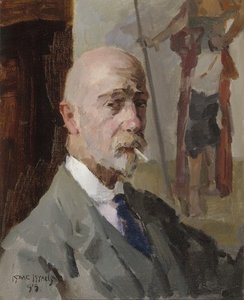
Isaac Lazarus Israëls
1865 - 1934 , Países Bajos
Breves datos
- Artistas Que Influyeron: ['Émile Zola']
- Fecha De Fallecimiento: 7 de octubre de 1934
- Fecha De Nacimiento: 3 de febrero de 1865
- Lugar De Nacimiento: Ámsterdam, Países Bajos
- Movimiento Artístico: Impresionismo de Ámsterdam
- Nacionalidad: Neerlandés
- Nombre Completo: Isaac Lazarus Israëls
- Obras Notables:
- Transporte de soldados coloniales
- Los clasificadores de café
- Retrato de Mata Hari
- Ippy y Gertie en Hirsch
- Una dama frente a los girasoles
- Bailarina La Cocette Sun
- Café dansant, Moulin de la Galette
- El baterista

