

 Ver en contexto
 Enviar
 Compartir
 Detalles

 Descargar
 Similares
 Radiografía
 Presentación de diapositivas
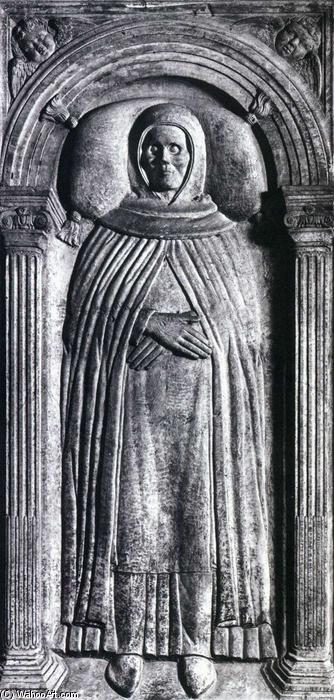
Tomb of Fra Angelico

 Ver más
Adquiera una imagen digital de alta resolución y optimizada, muy superior a la vista previa en línea.
Cada archivo es preparado meticulosamente por nuestros especialistas internos mediante el uso de herramientas avanzadas y un experto retoque manual. Nos aseguramos de que cada imagen posea una claridad excepcional, una precisión cromática impecable y un detalle minucioso.
El archivo final se entrega por correo electrónico en un plazo de 72 horas, optimizado para su uso inmediato en entornos profesionales, editoriales y de impresión. Esta es la misma calidad en la que confían los estudios de diseño, las editoriales y las galerías de primer nivel.
Imagen Digital
Descarga un archivo de alta resolución para exhibición personal, impresión y proyectos creativos. ( Comprar impresión Comprar pintura hecha a mano)
Incluido en cada pedido de imágenes digitales
Entrega digital experta, garantizada.
Al elegir ArtsDot.com, no solo está adquiriendo una imagen; está recibiendo una obra de arte digital mejorada profesionalmente, elaborada con precisión y respaldada por una garantía de satisfacción. Esto es todo lo que incluye su pedido, automáticamente:

Entrega rápida por email
Recibirá su archivo de imagen digital en alta resolución por correo electrónico en un plazo de 72 horas tras realizar su pedido, listo para su uso inmediato.

Archivo digital optimizado por IA
Su obra de arte se optimiza profesionalmente mediante herramientas avanzadas de IA y edición manual, garantizando el máximo detalle, claridad y precisión cromática.

Reenvío gratuito de por vida
¿Has borrado o perdido tu archivo por error? No te preocupes: te lo volveremos a enviar en cualquier momento, sin coste adicional.

Sin gastos de importación, siempre
Disfrute de su obra de arte al instante sin aduanas, aranceles ni gastos de envío; las descargas digitales siempre están libres de impuestos.

Garantía de fidelidad de color
Garantizamos que su imagen digital refleje los colores originales con la mayor fidelidad posible, mediante el uso de herramientas profesionales y gestión del color.

Garantía de satisfacción de 60 días
Si no está satisfecho con su imagen digital, la revisaremos o le reembolsaremos el 100% en un plazo de 60 días, sin preguntas.

100% Garantía de devolución de dinero
¿No está satisfecho? Obtenga un reembolso completo dentro de los 60 días posteriores a la recepción de su archivo digital, sin necesidad de explicaciones.

Descuentos por pedidos grandes
Compra 3 imágenes, ahorra 10% - Compra 5, ahorra 15% - Compra 10+, ahorra 20%. Ideal para proyectos creativos, galerías y agencias.
Obras relacionadas




Biografía del artista
Isaia da Pisa: The Silent Master of Roman Majesty
Isaia da Pisa, a name perhaps less familiar than those of his contemporaries in the bustling workshops of Florence and Rome, nevertheless stands as a pivotal figure in the late 15th-century Italian Renaissance. Born around 1410 in Pisa, he emerged from a lineage steeped in stoneworking tradition – his grandfather, Giovanni di Gante, was a skilled artisan, and his father, Pippo di Giovanni de Ghante da Pisa, even collaborated with the legendary Donatello on the magnificent Brancacci monument in Florence. This familial connection to craftsmanship undoubtedly shaped Isaia’s early artistic development, grounding him in the fundamental techniques of carving and modeling stone.
While much about Isaia's life remains shrouded in mystery – biographical details are scarce and often intertwined with legend – his career primarily unfolded during a period of intense artistic innovation. He spent considerable time in Rome, a city undergoing a dramatic transformation fueled by papal patronage and the rediscovery of classical ideals. This Roman environment profoundly influenced his style, leading him to embrace the refined elegance and restrained emotion characteristic of late Gothic and early Renaissance sculpture. Unlike the flamboyant expressiveness often associated with artists like Michelangelo or Leonardo, Isaia’s work is marked by a quiet dignity and an almost meditative quality.
The Reliquary Tabernacle of St Andrew: A Testament to Roman Patronage
Isaia da Pisa's most celebrated achievement is undoubtedly the Reliquary Tabernacle of the Head of St Andrew, housed within the Grotte Vaticane (Vatican Caves) in Rome. Commissioned around 1463-64 for Pope Pius II, this extraordinary work represents a culmination of Isaia’s artistic vision and a testament to the lavish patronage that characterized the papal court. The tabernacle is not merely a container for relics; it's a miniature architectural marvel, meticulously crafted from white marble and adorned with intricate carvings depicting scenes from the life of St Andrew, the apostle to whom the relic belonged.
The level of detail is astonishing – every figure, drapery fold, and architectural element is rendered with remarkable precision. Isaia’s mastery of perspective and his understanding of classical forms are evident throughout the piece. Notably, he collaborated with Paolo Romano on this project, demonstrating a willingness to learn from and engage with other skilled artisans. The tabernacle's serene atmosphere and its subtle emotional resonance have captivated viewers for centuries, solidifying Isaia’s reputation as one of Rome’s most accomplished sculptors.
A Shadowy Figure in the Shadows of Fra Angelico
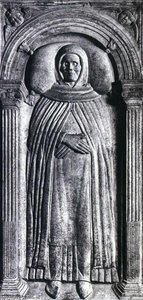
Beyond the Reliquary Tabernacle, Isaia da Pisa's oeuvre is relatively modest, consisting primarily of commissions undertaken in collaboration with other artists. However, his contributions to the Tomb of Fra Angelico in the church of San Marco in Florence are significant. He sculpted the elaborate reliquary that housed the saint’s remains, a work reflecting the same meticulous craftsmanship and restrained elegance seen in the St Andrew tabernacle.
Interestingly, Isaia's style appears to have been influenced by the Roman sculptural tradition of the late 14th and early 15th centuries – a period marked by a revival of classical forms and a preference for idealized figures. His work demonstrates a remarkable ability to synthesize these influences, creating sculptures that are both deeply rooted in Italian artistic heritage and imbued with a sense of timeless beauty.
Legacy and Historical Context
Isaia da Pisa’s legacy is often overshadowed by the brilliance of his more famous contemporaries, yet his contributions to the development of Renaissance sculpture are undeniable. He represents a crucial link between the Gothic and Early Renaissance styles, embodying the quiet dignity and restrained emotion that characterized much of Roman art during this period. His work reflects the influence of humanist ideals – particularly the emphasis on classical forms and the pursuit of beauty – while also retaining a deep connection to Italian artistic tradition.
Despite the scarcity of biographical information, Isaia da Pisa’s impact is felt through his enduring creations: monuments that speak volumes about the artistry, patronage, and spiritual aspirations of Renaissance Rome. He remains a testament to the power of subtle skill and quiet mastery – a silent master whose work continues to inspire awe and admiration.
isaia da pisa
1410 - , Italy
Breves datos
- Artistic Movement Or Style: Renaissance Sculpture
- Artists Or Movements Influenced By This Artist: ['Late Roman Sculpture']
- Artists Who Influenced This Artist:
- Donatello
- Nicola Pisano
- Date Of Birth: 1410
- Full Name: Isaia da Pisa
- Nationality: Italian
- Notable Artworks:
- Reliquary Tabernacle St Andrew
- Tomb Fra Angelico
- Place Of Birth: Pisa, Italy

