

 Ver en contexto
 Enviar
 Compartir
 Detalles

 Descargar
 Similares
 Radiografía
 Presentación de diapositivas
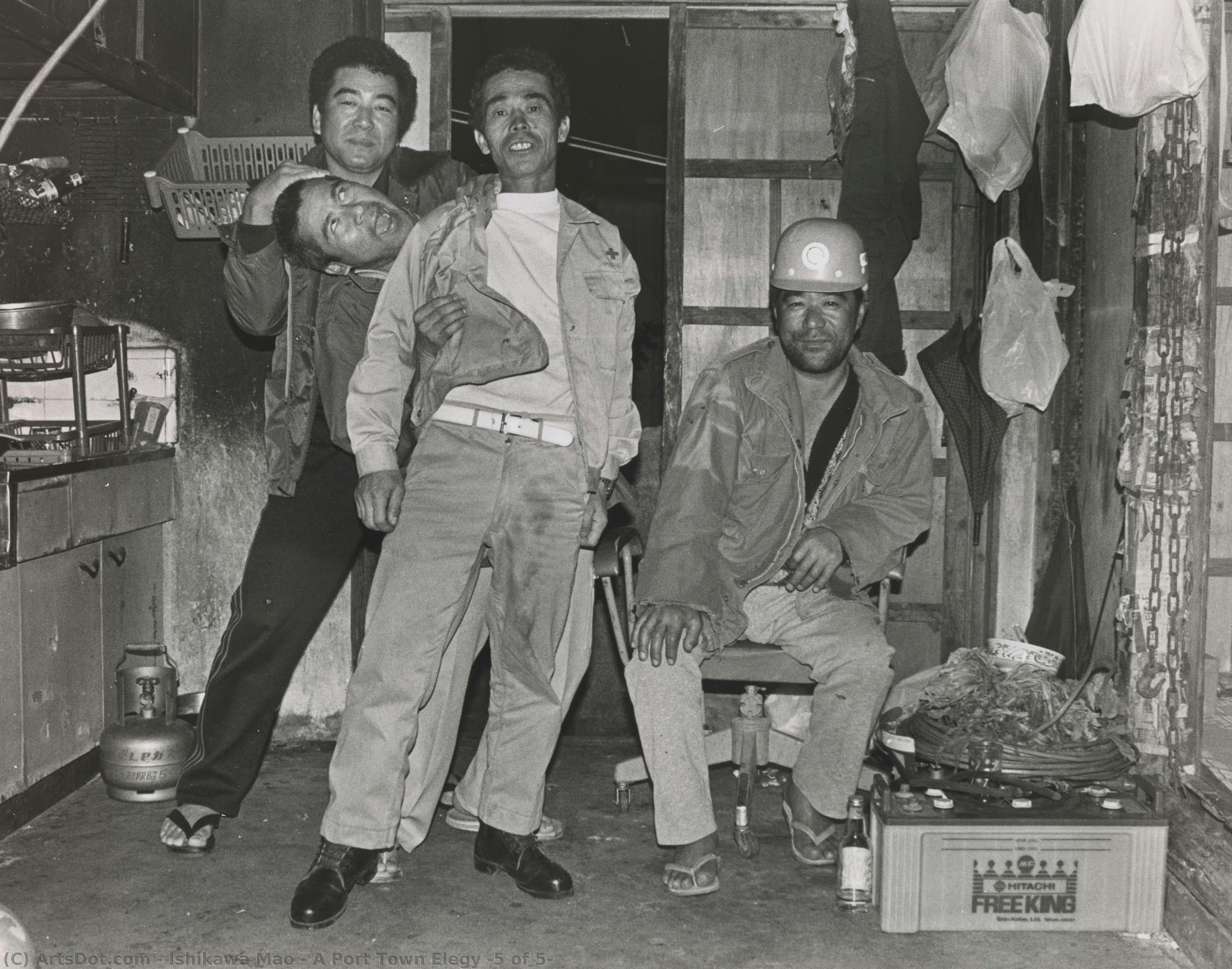
A Port Town Elegy (5 of 5)
 Acrylic On Canvas
- WallArt
- Documentary Photography
 1983
1983 17.0 x 21.0 cm
 Galería de Arte Moderno de Queensland | Galería de Arte Moderna
 Ver más
Giclée / Impresión de arte
Impresiones giclée o en lienzo de calidad de museo con producción rápida y opciones de acabado flexibles. ( Comprar pintura hecha a mano Comprar imagen)




P118B $10

P118H $10

P118W $10

P438Z $10

P508JH $12

P508YH $12

P805H $10

P805Z $10

P919BZ $10

P919G $10

P919XJ $10

P959ZH $10

P968JZ $12

W106C $8

W218G $10

W218JH $8

W218Y $10

W307PJ $10

W316G $10

W316PJ $8

W316Y $10

W398PJ $8

W4111J $10

W500HY $15

W500JH $15

W692G $12

W849H $8

W940BG $15

W953PJ $8




Elija entre nuestros tamaños predefinidos que respetan las proporciones originales de la obra.

Puede introducir sus propias dimensiones para adaptarse a un marco o espacio específico. Si el tamaño seleccionado no coincide con las proporciones de la imagen original, recortaremos la obra de arte o extenderemos la imagen con un borde con efecto espejo o de color sólido. Se enviará una maqueta digital para su aprobación antes de que comience la producción.
Tenga en cuenta que la vista previa en pantalla no refleja el recorte o la extensión real. Solo la maqueta mostrará con precisión la composición final.
Aunque existen tamaños personalizados, recomendamos seleccionar una dimensión de la lista predefinida para preservar las proporciones originales.
Envío a todo el mundo () en 2 semanas en lugar de las 4/5 semanas estándar. (29 agosto)

Envío exprés gratuito a todo el mundo

Lienzo de lino de alta calidad

Seguro de envío total

Garantía de reembolso de impuestos aduaneros

Garantía de fidelidad cromática exacta

Política de devolución de 60 días (solo por defectos)

Garantía de devolución del 100% del dinero

Descuento por cantidad
 La opción de vidrio solo está disponible en tamaños inferiores a 110 cm.

A Port Town Elegy (5 of 5)
Giclée / Impresión de arte
Dimensiones de la reproducción
-


Precio total final
$ 62
A Window Into Okinawan Soul: Mao Ishikawa’s “A Port Town Elegy”
Mao Ishikawa's "A Port Town Elegy (5 of 5)" isn’t merely a photograph; it’s a distilled moment, a frozen echo of lives lived on the fringes of Japanese society. Captured in 1983 amidst the bustling port area of Naha, Okinawa, this image offers an intimate glimpse into a world often overlooked – the weathered faces and quiet resilience of dockworkers and fishermen grappling with hardship and camaraderie. Ishikawa’s work transcends simple documentation; it's imbued with a deep empathy and a profound understanding of her island home’s complex history and cultural identity.
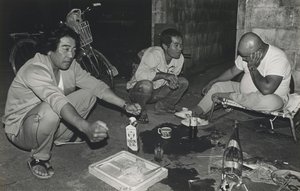
The photograph immediately draws the eye into a dimly lit, almost claustrophobic space. Three men dominate the frame, their postures suggesting both weariness and an underlying strength. One, clad in a tie, appears to be engaged in conversation, while another gently cradles what seems to be a woman’s head – a gesture simultaneously playful and loaded with unspoken narratives. The third figure, seated and seemingly lost in thought, anchors the composition with his quiet presence. The deliberate lack of color—a stark monochrome palette—amplifies the scene's raw emotionality, stripping away any superficial distractions and forcing the viewer to confront the textures, shadows, and subtle expressions that reveal a wealth of untold stories.
Crafting Intimacy: Technique and Composition
Ishikawa’s masterful use of light and shadow is central to the photograph's impact. The uneven illumination creates a sense of depth and drama, highlighting the worn surfaces of the room – peeling paint, rough-hewn chairs, and scattered objects like bottles and bowls. These details speak volumes about the lives lived within this space: a testament to hard work, simple pleasures, and perhaps a touch of melancholy. The composition itself is deliberately chaotic, mirroring the lived experience of the subjects—a feeling of being crammed into a small, vital world. The slightly off-center placement of the figures adds to the sense of immediacy and invites the viewer to become an active participant in the scene.
Beyond the technical aspects, Ishikawa’s approach is deeply rooted in her immersive methodology. As she herself described, her work isn't about *looking* at a subject; it’s about *living* within their world. This dedication to understanding—spending time with her subjects, sharing meals, and building genuine connections—is evident in the photograph’s authenticity. The trust established between Ishikawa and these men is palpable, allowing her to capture candid moments of vulnerability and connection that would otherwise remain hidden.
Echoes of Okinawa: History and Symbolism
"A Port Town Elegy" isn't simply a portrait of working-class Okinawans; it’s a window into a specific historical context. Shot during a period of significant upheaval—the aftermath of World War II, the reversion to Japanese sovereignty in 1972, and the continued presence of American military bases—the photograph reflects the island's complex relationship with both its own heritage and the forces shaping its future. The men depicted represent a demographic often marginalized and overlooked by mainstream narratives – those who labored tirelessly on the docks, providing essential services while facing economic hardship and social exclusion.
The image’s symbolism is layered and resonant. The woman's head cradled in the hands of one of the men could be interpreted as a gesture of affection, protection, or perhaps even a subtle challenge to traditional gender roles. The dimly lit setting evokes a sense of confinement and hardship, while the shared space suggests a community bound together by mutual reliance and resilience. Ishikawa’s work powerfully embodies the spirit of “Okinawa soul”—a blend of stoicism, humor, and an unwavering connection to one's roots.
A Legacy of Observation: Ishikawa’s Vision
Mao Ishikawa’s body of work stands as a testament to her enduring commitment to documenting marginalized communities and challenging conventional perspectives. Her photographs are not merely images; they are narratives—stories of resilience, loss, and the quiet dignity of everyday life. “A Port Town Elegy” exemplifies her signature style: an immersive approach that prioritizes empathy, authenticity, and a profound respect for her subjects. Reproductions of this powerful image offer a unique opportunity to connect with the heart of Okinawan culture and witness the enduring legacy of one of Japan’s most insightful photographers.
Obras relacionadas
Biografía del artista
Mao Ishikawa: Una Vida en Fotografías
Infancia Temprana y Orígenes
Nacida en 1953 en Ogimi, Okinawa, Japón, Mao Ishikawa emergió como una voz significativa en la fotografía japonesa. Su crianza en Okinawa, una isla con una historia compleja moldeada tanto por la cultura Ryukyuan indígena como por una prolongada presencia militar estadounidense, influyó profundamente en su trayectoria artística.
Desarrollo Artístico y Primera Obra
El trabajo fotográfico temprano de Ishikawa se caracterizó por un compromiso inmersivo con sus sujetos. Ella no simplemente observaba; vivía dentro de los entornos que documentaba. Este enfoque condujo a retratos íntimos y reveladores de trabajadoras sexuales, artistas y otros individuos que existían en la periferia de la sociedad okinawense e japonesa. Su enfoque inicial se centraba en capturar las realidades de la vida cotidiana y los individuos a menudo pasados por alto dentro de ella.
Tono Político y la Presencia Militar Estadounidense
A partir de la década de 1990, el trabajo de Ishikawa adquirió una dimensión política más explícita. Comenzó a abordar directamente el controvertido tema de la presencia militar estadounidense en Okinawa y la creciente desconfianza hacia el manejo de la situación por parte del gobierno japonés. Sus fotografías documentaban soldados activos, bases militares tanto dentro como fuera de Japón y el impacto de estas fuerzas en la vida okinawense. Este período marcó un cambio hacia el uso de su fotografía como una forma de comentario social y activismo.
Obras Principales y Series
- Red Flower: Las Mujeres de Okinawa (1975): Una conmovedora serie en blanco y negro que documenta la vida de las mujeres que trabajan en clubes militares estadounidenses, ofreciendo una visión de su resiliencia y sus luchas.
- A Port Town Elegy (fechas variables): Una serie que explora la vida en los puertos okinawenses, capturando tanto la belleza como la dificultad.
- Great Ryukyu Photo Scroll (2014-): El proyecto más reciente de Ishikawa, una obra impulsada por la narrativa que emplea referencias a la cultura pop y el humor para reconstruir momentos clave en la historia okinawense. Sirve como una reinterpretación poderosa del pasado.
Influencias y Estilo Artístico
Si bien no se documentan influencias directas ampliamente, el trabajo de Ishikawa resuena con las tradiciones documentales centradas en el realismo social y las comunidades marginadas. Su estilo inmersivo sugiere una afinidad por los fotógrafos que priorizan un profundo compromiso con sus sujetos. Combina una estética cruda e implacable con una sutil calidad narrativa.
Logros y Reconocimientos
El trabajo de Ishikawa ha sido exhibido internacionalmente en prestigiosas instituciones, incluyendo el Museo de Arte de Yokohama, la Galería de Arte de Queensland, el Museo Fotográfico de Tokio, el Museo Prefectural de Okinawa y MoMA PS1. Sus contribuciones a la fotografía fueron reconocidas formalmente en 2019 cuando recibió el Premio a la Trayectoria de Vida del Fotoclub de Japón.
Significado Histórico y Legado
Mao Ishikawa’s trabajo es históricamente significativo por su representación sin tapujos de la vida okinawense, particularmente en relación con las complejas dinámicas políticas y sociales que rodean a la presencia militar estadounidense. Ha dado voz a las comunidades marginadas y ha desafiado las narrativas dominantes, estableciéndose como una cronista vital de su tiempo. Su legado reside en su compromiso de documentar la verdad, fomentar el diálogo y preservar la memoria cultural de Okinawa.
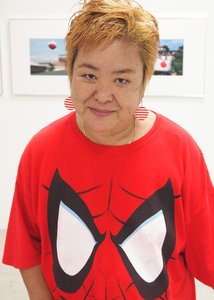
ishikawa mao
1953 - , Japón
Datos clave
- Artistic Movement Or Style: Fotografía documental
- Artists Who Influenced This Artist: ['Shomei Tomatsu']
- Date Of Birth: 1953
- Full Name: Mao Ishikawa
- Nationality: Japonesa
- Notable Artworks:
- Red Flower: Okinawa
- A Port Town Elegy
- Great Ryukyu Photo Scroll
- Place Of Birth: Ogimi, Japón
Artículos relacionados

Monochrome Visions: Exploring the Aesthetic & Historical Significance of Black & White Photography
Explore the rich history & artistic power of black and white photography. From early techniques to iconic masters like Ansel Adams, discover why monochrome continues to captivate art lovers today. Expert insights for collectors.

Blanco Sublime: Los 10 Cuadros Más Famosos Dominados por la Luz y el Color
Descubre los 10 cuadros blancos más emblemáticos de la historia del arte. Explora Monet, Van Gogh y Klimt, y su magistral uso de la luz y el color. Encuentra reproducciones de alta calidad e inspírate para tu decoración en .
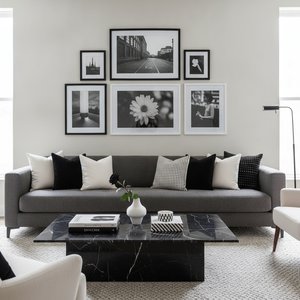
Timeless & Chic: Elevating Your New Home with the Sophistication of Black and White Photography
Transform your new home with the timeless allure of black and white photography. ArtsDot.com specializes in elegant monochrome decor and custom hand-painted wedding portraits that turn cherished milestones into lasting, soulful masterpieces. Elevate your space with ease.
Beyond the Lens: Photography's Enduring Influence on Modern & Contemporary Art
Explore photography's pivotal role in shaping modern & contemporary art. Discover key movements, influential artists like Stieglitz, and expert collecting advice from ArtsDot.

Las 10 Pinturas Más Famosas Dominadas por el Negro | Arte y Decoración
Descubre las 10 pinturas más impactantes dominadas por el negro. Explora obras maestras de Rembrandt, Goya y Rothko, su historia y significado. Encuentra reproducciones de arte exclusivas para transformar tu hogar en .

