

 Ver en contexto
 Enviar
 Compartir
 Detalles

 Descargar
 Similares
 Radiografía
 Presentación de diapositivas
 Estadísticas
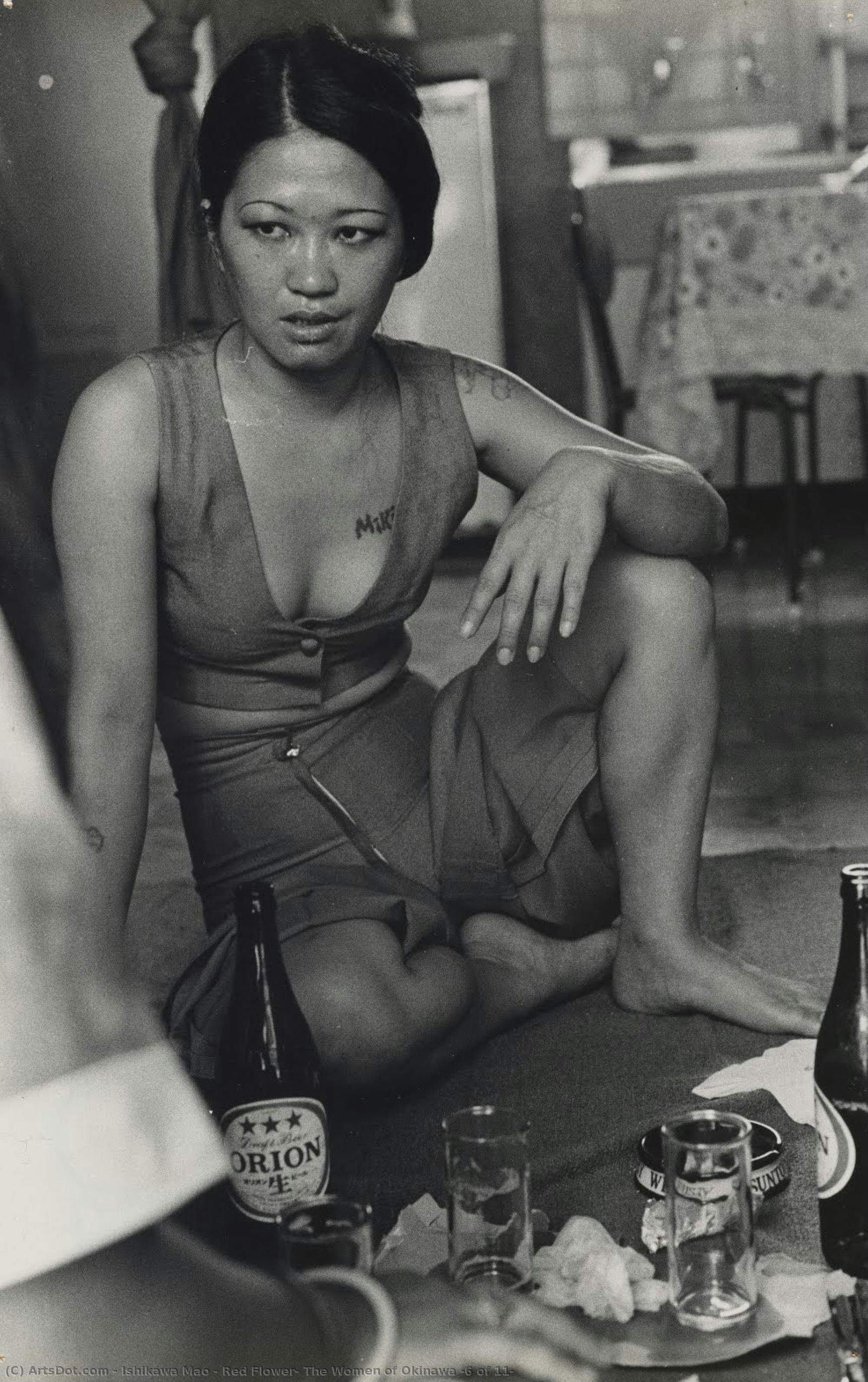
Red Flower: The Women of Okinawa (6 of 11)
 Acrylic
- WallArt
- Documentary Photography
 1975
1975- Modern
 23.0 x 15.0 cm
 Galería de Arte Moderno de Queensland | Galería de Arte Moderna
 Ver más
Giclée / Impresión de arte
Impresiones giclée o en lienzo de calidad de museo con producción rápida y opciones de acabado flexibles. ( Comprar pintura hecha a mano Cambiar a imagen digital)




P118B $10

P118H $10

P118W $10

P438Z $10

P508JH $12

P508YH $12

P805H $10

P805Z $10

P919BZ $10

P919G $10

P919XJ $10

P959ZH $10

P968JZ $12

W106C $8

W218G $10

W218JH $8

W218Y $10

W307PJ $10

W316G $10

W316PJ $8

W316Y $10

W398PJ $8

W4111J $10

W500HY $15

W500JH $15

W692G $12

W849H $8

W940BG $15

W953PJ $8




Elija entre nuestros tamaños predefinidos que respetan las proporciones originales de la obra.

Puede introducir sus propias dimensiones para adaptarse a un marco o espacio específico. Si el tamaño seleccionado no coincide con las proporciones de la imagen original, recortaremos la obra de arte o extenderemos la imagen con un borde con efecto espejo o de color sólido. Se enviará una maqueta digital para su aprobación antes de que comience la producción.
Tenga en cuenta que la vista previa en pantalla no refleja el recorte o la extensión real. Solo la maqueta mostrará con precisión la composición final.
Aunque existen tamaños personalizados, recomendamos seleccionar una dimensión de la lista predefinida para preservar las proporciones originales.
Envío a todo el mundo () en 2 semanas en lugar de las 4/5 semanas estándar. (9 septiembre)

Envío exprés gratuito a todo el mundo

Lienzo de lino de alta calidad

Seguro de envío total

Garantía de reembolso de impuestos aduaneros

Garantía de fidelidad cromática exacta

Política de devolución de 100 días (solo por defectos)

Garantía de devolución del 100% del dinero

Descuento por cantidad
 La opción de vidrio solo está disponible en tamaños inferiores a 110 cm.

Red Flower: The Women of Okinawa (6 of 11)
Giclée / Impresión de arte
Dimensiones de la reproducción
-


Precio total final
$ 62
A Glimpse into a Subculture – Mao Ishikawa’s ‘Red Flower’
Mao Ishikawa's “Red Flower: The Women of Okinawa (6 of 11)” isn’t merely a photograph; it’s a portal. Captured in 1975, during a pivotal moment of social and political upheaval on the island of Okinawa, this image offers an intimate, almost unsettlingly honest portrayal of women navigating a complex landscape shaped by American occupation, traditional customs, and burgeoning sexual liberation. The photograph, rendered in stark black and white, immediately commands attention with its directness – a seated woman, her gaze subtly averted, occupies the majority of the frame, radiating both vulnerability and quiet strength. It’s a scene plucked from the periphery of history, a testament to the lives lived largely unseen by the outside world.

(Image: Mao Ishikawa, Okinawan Photographer)
The Context of Koza – A Bar at the Edge of Empire
To fully appreciate “Red Flower,” one must understand its setting. The photograph was taken in Koza City (now Okinawa City), a bustling hub for American servicemen stationed nearby during the 1970s. Ishikawa, seeking work and driven by an acute awareness of the island’s unique position within the US military presence, found employment at bars catering specifically to this clientele. These establishments weren't simply places for drinking; they represented a space where traditional Okinawan social norms collided with American culture – a microcosm of the larger tensions simmering on the island. The image captures this dynamic perfectly: a woman, likely a barmaid or entertainer, positioned within this liminal zone, embodying both resilience and a subtle defiance.
A Study in Light and Texture – Technical Details
Ishikawa’s technical approach is remarkably understated yet profoundly effective. The photograph relies heavily on the interplay of light and shadow, creating a sense of depth and texture that draws the viewer into the scene. The diffused lighting suggests an indoor setting—perhaps a dimly lit bar—while the sharp contrasts emphasize the woman's features, highlighting her skin’s subtle nuances and the rough grain of the wooden table beneath her. The silver gelatin print technique lends a certain timelessness to the image, reflecting the era in which it was created while simultaneously conveying a sense of enduring quality. The composition is carefully balanced, with the woman’s figure anchoring the frame and the background elements providing context without overwhelming the subject.
- Size: 23 x 15 cm
- Date: 1975
Symbolism of Strength and Quiet Resistance
Beyond its technical merits, “Red Flower” resonates with powerful symbolic meaning. The woman’s averted gaze isn't one of shame or discomfort; rather, it suggests a quiet self-possession, an awareness of her own agency within a restrictive environment. Her posture—seated on the floor, facing away from the camera—conveys both vulnerability and dignity. The photograph speaks to the resilience of Okinawan women during a period of occupation and cultural displacement, subtly challenging societal expectations and asserting their presence in a space traditionally dominated by men. Ishikawa’s work, particularly this series, is deeply rooted in her own experiences growing up under US influence, reflecting both her empathy for the subjects she photographs and her critical perspective on the forces shaping Okinawan society.
A Legacy of Observation – Mao Ishikawa's Vision
Mao Ishikawa’s work extends far beyond this single image. Throughout her career, she has meticulously documented daily life in Okinawa, capturing a diverse range of subjects—soldiers, farmers, performers, and marginalized figures—with an unwavering commitment to honesty and empathy. Her photographs offer a rare glimpse into the complexities of Okinawan identity, revealing both its rich cultural heritage and the challenges posed by ongoing occupation and external influences. “Red Flower: The Women of Okinawa (6 of 11)” stands as a powerful testament to Ishikawa’s unique artistic vision and her profound understanding of the human condition.
Obras relacionadas
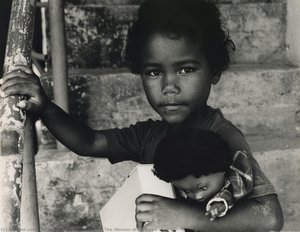
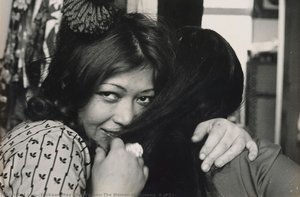
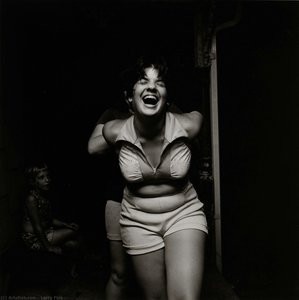
Biografía del artista
Mao Ishikawa: Una Vida en Fotografías
Infancia Temprana y Orígenes
Nacida en 1953 en Ogimi, Okinawa, Japón, Mao Ishikawa emergió como una voz significativa en la fotografía japonesa. Su crianza en Okinawa, una isla con una historia compleja moldeada tanto por la cultura Ryukyuan indígena como por una prolongada presencia militar estadounidense, influyó profundamente en su trayectoria artística.
Desarrollo Artístico y Primera Obra
El trabajo fotográfico temprano de Ishikawa se caracterizó por un compromiso inmersivo con sus sujetos. Ella no simplemente observaba; vivía dentro de los entornos que documentaba. Este enfoque condujo a retratos íntimos y reveladores de trabajadoras sexuales, artistas y otros individuos que existían en la periferia de la sociedad okinawense e japonesa. Su enfoque inicial se centraba en capturar las realidades de la vida cotidiana y los individuos a menudo pasados por alto dentro de ella.
Tono Político y la Presencia Militar Estadounidense
A partir de la década de 1990, el trabajo de Ishikawa adquirió una dimensión política más explícita. Comenzó a abordar directamente el controvertido tema de la presencia militar estadounidense en Okinawa y la creciente desconfianza hacia el manejo de la situación por parte del gobierno japonés. Sus fotografías documentaban soldados activos, bases militares tanto dentro como fuera de Japón y el impacto de estas fuerzas en la vida okinawense. Este período marcó un cambio hacia el uso de su fotografía como una forma de comentario social y activismo.
Obras Principales y Series
- Red Flower: Las Mujeres de Okinawa (1975): Una conmovedora serie en blanco y negro que documenta la vida de las mujeres que trabajan en clubes militares estadounidenses, ofreciendo una visión de su resiliencia y sus luchas.
- A Port Town Elegy (fechas variables): Una serie que explora la vida en los puertos okinawenses, capturando tanto la belleza como la dificultad.
- Great Ryukyu Photo Scroll (2014-): El proyecto más reciente de Ishikawa, una obra impulsada por la narrativa que emplea referencias a la cultura pop y el humor para reconstruir momentos clave en la historia okinawense. Sirve como una reinterpretación poderosa del pasado.
Influencias y Estilo Artístico
Si bien no se documentan influencias directas ampliamente, el trabajo de Ishikawa resuena con las tradiciones documentales centradas en el realismo social y las comunidades marginadas. Su estilo inmersivo sugiere una afinidad por los fotógrafos que priorizan un profundo compromiso con sus sujetos. Combina una estética cruda e implacable con una sutil calidad narrativa.
Logros y Reconocimientos
El trabajo de Ishikawa ha sido exhibido internacionalmente en prestigiosas instituciones, incluyendo el Museo de Arte de Yokohama, la Galería de Arte de Queensland, el Museo Fotográfico de Tokio, el Museo Prefectural de Okinawa y MoMA PS1. Sus contribuciones a la fotografía fueron reconocidas formalmente en 2019 cuando recibió el Premio a la Trayectoria de Vida del Fotoclub de Japón.
Significado Histórico y Legado
Mao Ishikawa’s trabajo es históricamente significativo por su representación sin tapujos de la vida okinawense, particularmente en relación con las complejas dinámicas políticas y sociales que rodean a la presencia militar estadounidense. Ha dado voz a las comunidades marginadas y ha desafiado las narrativas dominantes, estableciéndose como una cronista vital de su tiempo. Su legado reside en su compromiso de documentar la verdad, fomentar el diálogo y preservar la memoria cultural de Okinawa.
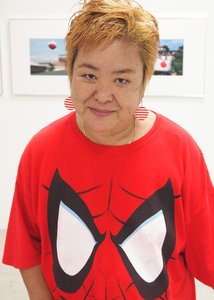
ishikawa mao
1953 - , Japón
Datos clave
- Artistic Movement Or Style: Fotografía documental
- Artists Who Influenced This Artist: ['Shomei Tomatsu']
- Date Of Birth: 1953
- Full Name: Mao Ishikawa
- Nationality: Japonesa
- Notable Artworks:
- Red Flower: Okinawa
- A Port Town Elegy
- Great Ryukyu Photo Scroll
- Place Of Birth: Ogimi, Japón
Artículos relacionados

Beyond the Lens: Photography's Enduring Influence on Modern & Contemporary Art
Explore photography's pivotal role in shaping modern & contemporary art. Discover key movements, influential artists like Stieglitz, and expert collecting advice from ArtsDot.
Witnessing History Through Lens & Light: Documentary Photography's Enduring Legacy
Explore the powerful history of documentary photography – from its origins to contemporary masters like Gordon Parks & W. Eugene Smith. Discover how this art form shapes our understanding of society and witness pivotal moments in time.

Monochrome Visions: Exploring the Aesthetic & Historical Significance of Black & White Photography
Explore the rich history & artistic power of black and white photography. From early techniques to iconic masters like Ansel Adams, discover why monochrome continues to captivate art lovers today. Expert insights for collectors.

Pictorialismo: La Búsqueda del Alma de la Fotografía Artística – Estética, Técnicas y Legado
Descubre el Pictorialismo, un movimiento clave en la historia de la fotografía artística. Explora sus técnicas, figuras emblemáticas y su legado perdurable. Guía experta para coleccionistas y amantes del arte.
The Enduring Muse: Women as Subject & Symbol in Art History
Explore the rich history of women in art – from iconic muses to groundbreaking artists. Discover feminist movements, global perspectives & reclaim female narratives with ArtsDot.