

 Ver en contexto
 Enviar
 Compartir
 Detalles

 Descargar
 Similares
 Radiografía
 Presentación de diapositivas
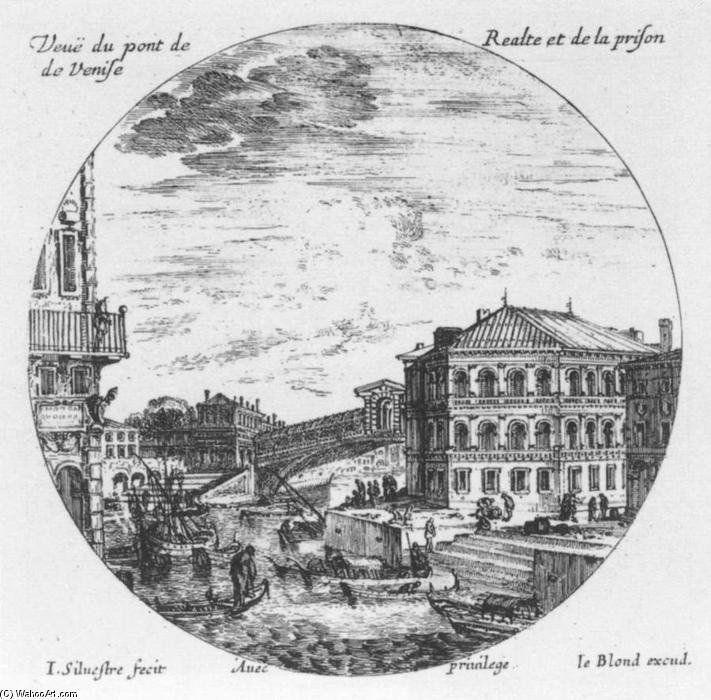
The Rialto Bridge from the North


 Ver más
Reproducción al óleo hecha a mano
Óleo sobre lienzo pintado a mano en el tamaño y marco de su elección, realizado por encargo por nuestros artistas. ( Comprar impresión Comprar imagen)




P118B $10

P118H $10

P118W $10

P438Z $10

P508JH $12

P508YH $12

P805H $10

P805Z $10

P919BZ $10

P919G $10

P919XJ $10

P959ZH $10

P968JZ $12

W106C $8

W218G $10

W218JH $8

W218Y $10

W307PJ $10

W316G $10

W316PJ $8

W316Y $10

W398PJ $8

W4111J $10

W500HY $15

W500JH $15

W692G $12

W849H $8

W940BG $15

W953PJ $8




Elija entre nuestros tamaños predefinidos que respetan las proporciones originales de la obra.

Puede ingresar sus propias dimensiones para adaptarse a un marco o espacio específico. Si el tamaño seleccionado no coincide con las proporciones de la imagen original, recortaremos la obra o extenderemos la pintura con elementos adicionales pintados a mano. Se le enviará una maqueta digital para su aprobación antes de comenzar la producción.
Tenga en cuenta que la vista previa en pantalla no refleja el recorte o la extensión reales. Solo la maqueta mostrará con precisión la composición final.
Si bien existen tamaños personalizados, recomendamos seleccionar una dimensión de la lista predefinida para preservar las proporciones originales.
Tras realizar el pedido, el equipo de ArtsDot.com enviará un correo electrónico al cliente para solicitar instrucciones y proporcionarle una vista previa del boceto.
Envío a todo el mundo () en 3-4 semanas en lugar de las 5 semanas estándar. (3 septiembre). Sin comprometer la calidad.

Envío exprés gratuito a todo el mundo

Lienzo de lino de alta calidad

Seguro de envío total

Garantía de reembolso de impuestos aduaneros

Garantía de fidelidad cromática exacta

Política de devolución de 60 días (solo por defectos)

Garantía de devolución del 100% del dinero

Descuento por cantidad
 La opción de vidrio solo está disponible en tamaños inferiores a 110 cm.

The Rialto Bridge from the North
Técnica de reproducción
Dimensiones de la reproducción
-


Precio total final
$ 363
Israel Silvestre: A Venetian Visionary
Israel Silvestre (1621 – 1691) stands as a monumental figure in French art history, celebrated primarily for his breathtakingly detailed perspective paintings that captured the grandeur and dynamism of cities like Versailles and Venice during Louis XIV’s reign. Born in Nancy, France, he descended from a lineage steeped in artistic tradition, establishing him firmly within an environment nurturing innovation and excellence. His formative years honed his skills as an engraver and draughtsman, preparing him for a prolific career dedicated to documenting the visual splendor of his era – a mission he undertook with unwavering dedication and unparalleled artistry.- Early Life & Training: Silvestre’s father, Jean Baptiste Silvestre, was himself a respected artist and engraver, imparting upon Israel a profound appreciation for artistic craftsmanship and meticulous observation. This familial legacy undoubtedly shaped his artistic sensibilities and propelled him toward mastering the techniques of drawing and etching.
- A Parisian Apprenticeship: Orphaned at a young age, Silvestre found refuge with his uncle in Paris, Israel Henriet, an etcher and print-seller who possessed a crucial connection to Jacques Callot – a fellow artist whose influence would resonate throughout Silvestre’s oeuvre.
The Art of Venetian Perspective
Silvestre's artistic journey culminated in extensive travels across France, Spain, and Italy—three expeditions he undertook no less than three times. These voyages served as invaluable sources of inspiration, fueling his fascination with the architectural marvels of Venice and propelling him to meticulously record their intricate details through drawing and etching. His approach wasn’t merely descriptive; it was transformative – Silvestre sought to convey not just what he saw but how it *felt*, striving for a visual representation that mirrored the very essence of Venetian life and grandeur.Technique & Materials: Mastering Etching
Silvestre's artistic prowess resided principally in his mastery of etching—a technique he honed with unwavering precision. This method involved transferring images onto metal plates (typically copper or zinc) using acid, a process demanding considerable skill and patience. Fine lines were painstakingly etched into the plate’s surface, creating tonal variations that faithfully reproduced the textures and nuances of Venetian buildings and canals. Ink was applied to the plate, and then pressed onto paper—a laborious undertaking that yielded stunningly realistic prints imbued with remarkable depth and luminosity. The meticulous application of hatching and cross-hatching further amplified these tonal effects, elevating Silvestre’s work beyond mere imitation to genuine artistic expression.Symbolism & Emotional Resonance: Capturing Venetian Spirit
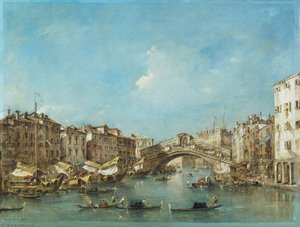
“The Rialto Bridge from the North,” exemplifies Silvestre's commitment to conveying more than just visual accuracy; it embodies a profound appreciation for Venetian history and culture. The depiction captures not only the bridge’s architectural structure but also the bustling activity of the canal—a microcosm of Venice’s vibrant commercial heart. Through his masterful use of perspective, Silvestre invites viewers into this moment in time, evoking a sense of wonder at the city's enduring beauty and its role as a pivotal crossroads of trade and artistic patronage. The artwork speaks to an idealized vision of elegance and sophistication – a testament to Silvestre’s ability to transform observation into emotive storytelling.Legacy & Influence
Israel Silvestre’s legacy extends far beyond his individual paintings; he established himself as a pivotal figure in the dissemination of Venetian perspective—a stylistic innovation that profoundly impacted subsequent generations of French artists. His meticulous draughtsmanship and etching technique served as an exemplar for aspiring painters, shaping the aesthetic sensibilities of Louis XIV's court and cementing Silvestre’s place among the titans of French Baroque art.Obras relacionadas

Biografía del artista
Israel Silvestre: A Master of Venetian Perspective
Israel Silvestre (1621 – 1691) stands as a pivotal figure in the history of French art, particularly renowned for his breathtakingly detailed perspective paintings that captured the grandeur and dynamism of cities like Versailles and Venice during the reign of Louis XIV. Born in Nancy, France, he descended from a family steeped in artistic tradition, establishing him firmly within a milieu that fostered innovation and excellence. His early training honed his skills as an engraver and draughtsman, preparing him for a prolific career dedicated to documenting the visual splendor of his era.- Early Life & Training: Silvestre’s father, Jean Baptiste Silvestre, was himself a respected artist and engraver, instilling in Israel a deep appreciation for artistic craftsmanship and meticulous observation. This familial legacy undoubtedly shaped his artistic sensibilities and propelled him toward mastering the techniques of drawing and etching. He received an exceptional education, benefiting from the encouragement of his family’s artistic pursuits—a formative experience that instilled within him a lifelong dedication to precision and visual accuracy.
- Venetian Influence: Silvestre's artistic journey took a decisive turn when he traveled to Venice around 1650, immersing himself in the vibrant artistic culture of the Republic. The Venetian School’s mastery of chiaroscuro—the dramatic interplay of light and shadow—became an indelible influence on his work, profoundly impacting his compositional choices and rendering style. Artists like Andrea Pozzo and Giovanni Battista Piranesi served as models for Silvestre's stylistic development, demonstrating the importance of mastering atmospheric perspective and creating illusions of depth.
- Versailles Commissions: Silvestre gained considerable renown for his commissions from Louis XIV’s court, specifically tasked with creating monumental perspective paintings that celebrated royal power and embellished the opulent interiors of Versailles. These ambitious projects demanded unparalleled technical skill and artistic vision, resulting in canvases that remain among the finest examples of French Baroque art. He meticulously recreated architectural spaces—such as the Hall of Mirrors—with astonishing realism, capturing not only the physical dimensions but also the emotional impact of these monumental rooms.
Notable Works & Artistic Style
Silvestre’s oeuvre encompasses a remarkable range of subjects—palaces, cityscapes, mythological scenes—all rendered with exceptional precision and imbued with an atmospheric sense of depth. His paintings exemplify the Venetian perspective technique, meticulously calculated to create illusions of space and convey a palpable feeling for the environment. He achieved this feat through careful use of linear perspective, aerial perspective (atmospheric haze), and tonal gradation, techniques perfected by artists like Andrea Pozzo and Giovanni Battista Piranesi. Silvestre’s meticulous attention to detail—from architectural ornamentation to drapery folds—elevated his paintings beyond mere representation, transforming them into immersive experiences for the viewer.- “The Rialto Bridge from the North” – This iconic depiction of Venice showcases Silvestre's masterful command of perspective and tonal shading, capturing the bustling activity of the bridge and its surroundings with remarkable realism. The painting’s luminous quality—achieved through skillful manipulation of light—is a testament to Silvestre’s understanding of Venetian artistic conventions.
- “Santi Giovanni e Paolo” – Another celebrated Venetian scene, this painting exemplifies Silvestre’s ability to convey emotion through subtle nuances of color and form, demonstrating his artistic sensitivity alongside his technical prowess. The composition is carefully balanced, drawing the eye towards a central figure while simultaneously establishing a convincing illusion of space.
Legacy & Historical Significance
Israel Silvestre's contribution to French art is undeniable. He solidified the Venetian perspective style within the French Baroque tradition, influencing subsequent generations of painters and establishing Versailles as a symbol of artistic grandeur. His paintings continue to inspire admiration for their technical brilliance and aesthetic beauty, serving as enduring reminders of Louis XIV’s patronage of the arts and France's position at the forefront of European culture during the seventeenth century. Silvestre’s legacy resides not only in his individual masterpieces but also in his role as a conduit for transmitting Venetian artistic ideals to Paris—a pivotal moment in shaping French visual culture. He is remembered as one of the most accomplished artists of his time, whose work embodies the spirit of Baroque artistry and continues to captivate audiences worldwide.Further Exploration
For more information about Israel Silvestre and his work, please refer to the Web Gallery of Art: SILVESTRE, Israël - Biography. You can also discover “View of the Ponte Vecchio, Florence” at The Metropolitan Museum of Art: Israel Silvestre - View of the Ponte Vecchio, Florence and explore his artistic output on Wikipedia: Israel Silvestre - Wikipedia.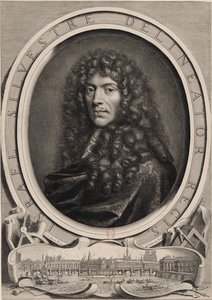
Israel Silvestre
1621 - 1691 , Francia
Datos clave
- Artistic Movement Or Style: Perspectivismo Veneziano
- Artists Or Movements Influenced By This Artist: ['Barroco']
- Artists Who Influenced This Artist:
- Jacques Callot
- Nicolas Cochin
- Date Of Birth: 1621 Nancy Francia
- Date Of Death: 1691 París Francia
- Full Name: Israel Silvestre
- Nationality: Francés
- Notable Artworks:
- Puente Rialto desde el Norte
- Santi Giovanni e Paolo
- Place Of Birth: Nancy Francia
Artículos relacionados

Las 10 Grabados Legendarios que Revolucionaron el Arte | ArtsDot
Descubre los 10 grabados legendarios que transformaron la historia del arte. Explora las obras maestras de Rembrandt, Goya y Dürer. Encuentra reproducciones de alta calidad e inspírate para decorar tu hogar con arte clásico en ArtsDot.com.

El Aguafuerte: Un Recorrido Histórico por su Técnica, Cualidades Estéticas y Significado Duradero
Descubre la fascinante historia y técnica del aguafuerte. Explora su evolución artística, los maestros que lo dominaron y sus cualidades estéticas únicas. Guía experta para amantes del arte.
The Intricate World of Etching: A Historical Survey of Technique, Aesthetic Evolution, and Enduring Artistic Impact
Explore the rich history of etching, from its origins to modern practice. Discover techniques, key artists like Rembrandt, and insights for collectors. A comprehensive guide by ArtsDot.

Drama Barroca: Llevando la Grandeza y la Emoción a los Interiores Contemporáneos
Descubre cómo el drama y la grandeza del arte barroco pueden transformar tus interiores. Guía experta, inspiración y reproducciones de alta calidad en .

The Dramatic Flourish: Exploring the Baroque Movement's Enduring Legacy in Art History
Explore the dramatic world of Baroque art! Discover iconic artists like Caravaggio & Rubens, defining techniques, and its lasting impact on art history. Expert insights for collectors & enthusiasts at ArtsDot.

