 Vista previa
 Compartir
 Compartir
 Ver detalles

 Descargar
 Ver similares
 Radiografía
 Presentación de diapositivas
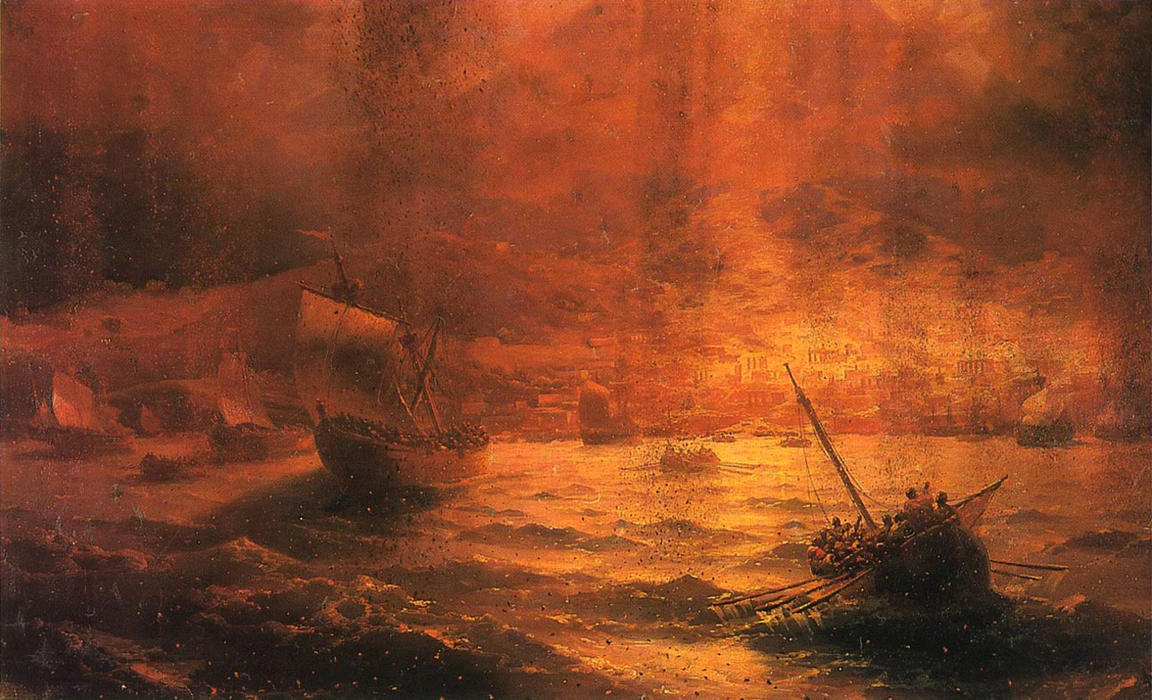
Las ruinas de Pompeya
 Óleo sobre lienzo
- Arte de pared
- Romanticismo
 1889
1889- Siglo XIX
 128.0 x 218.0 cm
 Leer más
Reproducción al óleo hecha a mano
Óleo sobre lienzo pintado a mano en el tamaño y marco de su elección, realizado por encargo por nuestros artistas. ( Pedir impresión Comprar descarga)




P118B $10

P118H $10

P118W $10

P438Z $10

P508JH $12

P508YH $12

P805H $10

P805Z $10

P919BZ $10

P919G $10

P919XJ $10

P959ZH $10

P968JZ $12

W106C $8

W218G $10

W218JH $8

W218Y $10

W307PJ $10

W316G $10

W316PJ $8

W316Y $10

W398PJ $8

W4111J $10

W500HY $15

W500JH $15

W692G $12

W849H $8

W940BG $15

W953PJ $8




Elija entre nuestros tamaños predefinidos que respetan las proporciones originales de la obra.

Puede ingresar sus propias dimensiones para adaptarse a un marco o espacio específico. Si el tamaño seleccionado no coincide con las proporciones de la imagen original, recortaremos la obra o extenderemos la pintura con elementos adicionales pintados a mano. Se le enviará una maqueta digital para su aprobación antes de comenzar la producción.
Tenga en cuenta que la vista previa en pantalla no refleja el recorte o la extensión reales. Solo la maqueta mostrará con precisión la composición final.
Si bien existen tamaños personalizados, recomendamos seleccionar una dimensión de la lista predefinida para preservar las proporciones originales.
Tras realizar el pedido, el equipo de ArtsDot.com enviará un correo electrónico al cliente para solicitar instrucciones y proporcionarle una vista previa del boceto.
Envío a todo el mundo () en 3-4 semanas en lugar de las 5 semanas estándar. (21 agosto). Sin comprometer la calidad.

Envío exprés gratuito a todo el mundo

Lienzo de lino de alta calidad

Seguro de envío completo

Garantía de reembolso de aranceles aduaneros

Garantía de fidelidad cromática exacta

Política de devolución de 60 días (solo por defectos)

Garantía de devolución del 100% del dinero

Oferta por volumen
 La opción de vidrio solo está disponible en tamaños inferiores a 110 cm.

Las ruinas de Pompeya
Técnica de reproducción
Tamaño de la reproducción
-


Precio total
$ 263
Descripción de la obra
A Cataclysm Frozen in Time: The Tragedy of Pompeii
To gaze upon Ivan Konstantinovich Aivazovsky’s depiction of The Ruins of Pompeii is not merely to observe a painting; it is to stand at the precipice of history, witnessing a moment when civilization collided violently with nature's raw, untamed power. This canvas transports us directly into the suffocating aftermath of Vesuvius’s devastating eruption in 79 AD. The air itself seems thick with ash and despair. Aivazovsky masterfully captures the sheer scale of the catastrophe—the juxtaposition of once-vibrant life against overwhelming desolation.
The scene is a haunting tableau of chaos. Buildings, monuments to human endeavor, are shown partially consumed by creeping lava and blanketed under drifts of volcanic ash. On the water, several boats drift like forgotten toys amidst the wreckage, their occupants—if visible at all—are swallowed by the overwhelming narrative of panic. It speaks volumes about fragility; how quickly the grandest structures and most bustling lives can be reduced to silent, tragic remnants.
The Master's Eye: Technique and Emotional Resonance
Aivazovsky, renowned for his profound connection to the sea, applies his signature dramatic flair here to a terrestrial disaster. While his genius is often associated with the boundless expanse of the Black Sea, in this work, that same sense of overwhelming natural force is channeled into the depiction of volcanic ruin. His technique allows the viewer’s eye to wander across the composition, from the foreground boats caught in the murky water to the distant, smoke-stained skyline. The handling of light and shadow is breathtaking; pockets of relative calm exist against a backdrop of suffocating gloom, lending an almost unbearable tension to every square inch.
The emotional impact is immediate and profound. It is a meditation on loss, survival, and the relentless march of geological time against human memory. For collectors and designers alike, this piece offers more than mere decoration; it provides a powerful focal point for contemplation—a dramatic anchor that speaks to the sublime terror inherent in existence.
Symbolism of Ruin and Resilience
The symbolism woven into The Ruins of Pompeii is rich and multilayered. The city itself represents the ephemeral nature of human achievement, a potent memento mori rendered with breathtaking beauty. Yet, within this desolation lies an undercurrent of resilience. The very act of painting such a scene—preserving the memory of the disaster—is an act of defiance against oblivion. The scattered figures, whether fleeing or simply witnessing, embody the enduring spirit that refuses to be entirely extinguished by catastrophe.
For those seeking art with narrative depth, this work resonates deeply. It invites dialogue about what we build, what we cherish, and how we endure when the foundations beneath us begin to shake. The drama is palpable, making it a centerpiece worthy of grand halls or contemplative studies.
A Statement for the Modern Collector
Reproducing such an iconic piece allows one to bring this monumental sense of history and dramatic flair into a contemporary setting. Whether adorning a formal drawing-room where conversation is paramount, or lending moody gravitas to a study, Aivazovsky’s vision commands attention. The scale (128 x 218 cm) ensures that the narrative unfolds grandly, enveloping the viewer in its tragic majesty. Owning this reproduction is acquiring not just an image of Pompeii, but a tangible piece of Romantic-era artistic interpretation concerning humanity's place beneath the vast indifference of nature.
Obras relacionadas

Biografía del artista
Iván Konstantinovich Aivazovski: Una Vida en el Mar
- Nacido: Feodosia, Rusia (1817)
- Fallecido: 1900
- Origen: ArtsDot
- Estilo: Pintor Romántico Ruso, Arte Marino
Primeros Años y Educación
- Iván Konstantinovich Aivazovski, bautizado Hovhannes Aivazian, nació el 29 de julio de 1817 en Feodosia, Crimea, en una familia armenia.
- Recibió su educación temprana en la Iglesia Armenia de San Sargis en Feodosia.
- Su talento artístico fue reconocido desde temprano; estudió dibujo bajo Jacob Koch, un arquitecto local.
- En 1833, Aivazovski se trasladó a San Petersburgo para estudiar en la Academia Imperial de las Artes bajo Maxim Vorobiev.
Carrera y Desarrollo Artístico
- Aivazovski viajó extensamente por Europa a principios de la década de 1840, pasando tiempo en Italia.
- Al regresar a Rusia, fue nombrado pintor principal de la Armada Rusa, un puesto que influyó significativamente en su carrera.
- Desarrolló un estilo distintivo caracterizado por representaciones dramáticas y evocadoras de paisajes marinos, a menudo con aguas turbulentas y tormentas poderosas.
- Las obras de Aivazovski frecuentemente representaban batallas navales y escenas de la vida marítima, reflejando sus estrechos vínculos con la élite militar rusa.
- Su prolífica producción incluyó alrededor de 6.000 pinturas a lo largo de su carrera.
Obras Principales e Influencias Artísticas
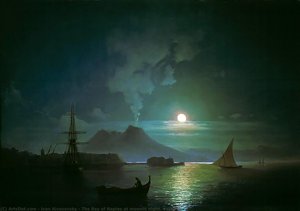
- Paisaje Marino con Luna Llena: Un ejemplo esencial de la maestría de Aivazovski en la representación de la luz y la atmósfera al retratar el mar.
- Un Barco en un Mar Tormentoso: Demuestra su habilidad para transmitir el poder y el peligro de la naturaleza.
- El Gondolero en el Mar Nocturno: Muestra su destreza para capturar escenas nocturnas con detalles notables.
- Caos (La Creación): Una obra temprana adquirida por el Papa Gregorio XVI, que representa un acto divino de creación.
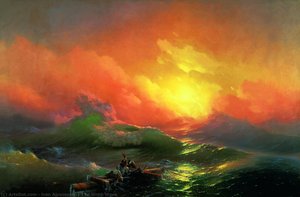
- La Novena Ola: Posiblemente su pintura más famosa, representando una escena dramática de supervivientes de un naufragio aferrándose a los restos.
Significado Histórico y Legado
- Aivazovski es considerado uno de los mayores maestros del arte marino en la historia rusa.
- Sus obras son celebradas por su romanticismo, habilidad técnica y capacidad para evocar emociones poderosas.
- Contribuyó significativamente al desarrollo de la pintura de paisajes rusa e influyó a generaciones de artistas.
- Las pinturas de Aivazovski siguen siendo populares y se exhiben ampliamente en museos y galerías de todo el mundo.
- Su legado continúa inspirando a amantes del arte y artistas por igual, solidificando su lugar como una figura destacada en el arte del siglo XIX.

Iván Aivazovski
1817 - 1900 , Rusia
Datos clave
- Artistas Que Influyeron:
- Maxim Vorobiev
- J.M.W. Turner
- Fecha De Fallecimiento: May 2, 1900
- Fecha De Nacimiento: 29 de julio de 1817
- Lugar De Nacimiento: Feodosia, Rusia
- Movimiento Artístico: Romanticismo, Arte marino
- Nacionalidad: Ruso, Armenio
- Nombre Completo: Iván Aivazovski
- Obras Notables:
- Seascape with full moon
- A Ship in a Stormy Sea
- The Gondolier on Sea at Night
- Chaos (The Creation)
- The Ninth Wave
Artículos relacionados
Ivan Aivazovsky: Mastering Light & Emotion in 19th-Century Marine Painting
Explore the captivating world of Ivan Aivazovsky, a master of 19th-century marine painting. Discover his techniques, iconic artworks & lasting legacy in this expert guide.
The Allure of the Horizon: A Comprehensive Exploration of Seascape Art Through History & Emotion
Explore the captivating world of seascape art! Discover its history, key artists & movements – from Dutch Masters to Impressionism. Expert insights for collectors and enthusiasts at ArtsDot.
El Siglo XIX en el Arte: 10 Obras Maestras para Decorar con Historia y Estilo
Descubre 10 obras maestras del siglo XIX: Monet, Goya y más. Explora el impresionismo, realismo y romanticismo que definieron una época. Encuentra reproducciones de arte exclusivas para decorar tu hogar con estilo en ArtsDot.com.
Hubert Robert: Picturing Ruins, Preserving Memory – A Study of Romantic Antiquarianism & Artistic Innovation
Explore the captivating world of Hubert Robert, master of Romantic landscape painting & 'capriccio' ruins. Discover his historical context, artistic innovations, and collecting insights with ArtsDot.
The Azure Depths: Exploring Representations of the Ocean in Art History
Explore the rich history of ocean art! Discover Romantic seascapes, renowned artists like Aivazovsky & Harris, and expert guidance for collectors at ArtsDot.com.