

 Ver en contexto
 Enviar
 Compartir
 Detalles

 Descargar
 Similares
 Radiografía
 Presentación de diapositivas
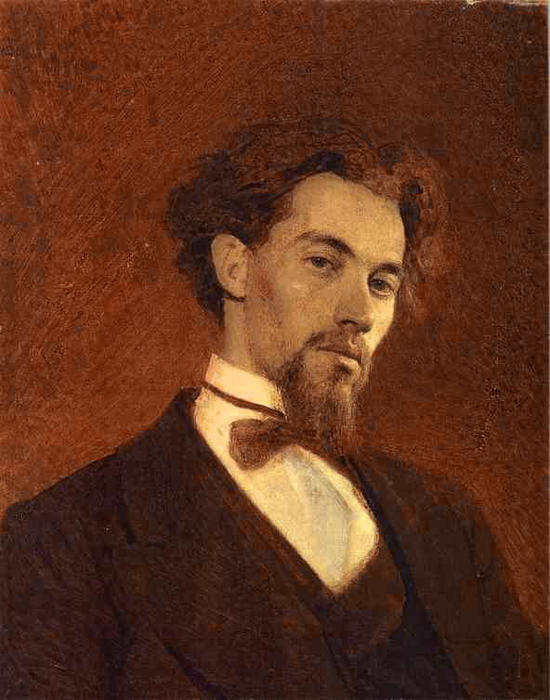
Portrait of the Artist Konstantin Savitsky


 Ver más
Giclée / Impresión de arte
Impresiones giclée o en lienzo de calidad de museo con producción rápida y opciones de acabado flexibles. ( Comprar pintura hecha a mano Comprar imagen)




































Elija entre nuestros tamaños predefinidos que respetan las proporciones originales de la obra.

Puede introducir sus propias dimensiones para adaptarse a un marco o espacio específico. Si el tamaño seleccionado no coincide con las proporciones de la imagen original, recortaremos la obra de arte o extenderemos la imagen con un borde con efecto espejo o de color sólido. Se enviará una maqueta digital para su aprobación antes de que comience la producción.
Tenga en cuenta que la vista previa en pantalla no refleja el recorte o la extensión real. Solo la maqueta mostrará con precisión la composición final.
Aunque existen tamaños personalizados, recomendamos seleccionar una dimensión de la lista predefinida para preservar las proporciones originales.
Envío a todo el mundo () en 2 semanas en lugar de las 4/5 semanas estándar. (4 septiembre)

Envío exprés gratuito a todo el mundo

Lienzo de lino de alta calidad

Seguro de envío total

Garantía de reembolso de impuestos aduaneros

Garantía de fidelidad cromática exacta

Política de devolución de 60 días (solo por defectos)

Garantía de devolución del 100% del dinero

Descuento por cantidad
 La opción de vidrio solo está disponible en tamaños inferiores a 110 cm.

Portrait of the Artist Konstantin Savitsky
Giclée / Impresión de arte
Dimensiones de la reproducción
-


Precio total final
$ 62
An Intimate Encounter with the Soul of Realism
In the quiet, shadowed corridors of nineteenth-century Russian art, few portraits command as much silent authority as Ivan Nikolaevich Kramskoy’s Portrait of the Artist Konstantin Savitsky. This masterpiece is not merely a likeness of a man; it is an intimate window into the intellectual fervor of an era. As one gazes upon the canvas, the viewer is immediately drawn into a profound, face-to-face encounter with Savitsky. The composition is masterfully centered, focusing our attention on the subject's expressive features, which emerge from a dark, atmospheric background. There is a palpable sense of presence here, as if the sitter has momentarily paused in deep thought to acknowledge our intrusion into his private reflection.
The painting serves as a quintessential example of the Peredvizhniki (The Wanderers) movement, where the pursuit of truth and social reality took precedence over idealized beauty. Kramskoy, a titan of Russian Realism, utilizes a palette dominated by earthy, somber tones—rich ochres, deep browns, and muted reds—to cultivate a mood of solemnity and dignity. The interplay of light and shadow is particularly striking; a soft, diffused light source grazes the contours of Savitsky’s face, illuminating the texture of his beard and the piercing depth of his eyes, while leaving much of his dark attire to recede into the velvety gloom of the background.
Technique and the Texture of Character
To behold this work is to appreciate the tactile mastery of Kramskoy’s brushwork. The artist eschews a porcelain-smooth finish in favor of a more expressive, textured technique. Visible, rhythmic brushstrokes dance across the canvas, lending a physical materiality to the skin, the fabric of the black waistcoat, and the crispness of the white shirt. This deliberate use of texture does more than just mimic reality; it breathes life into the subject, suggesting the ruggedness of character and the weight of lived experience. The organic shapes of the face and hair are rendered with a loose, painterly freedom that prevents the portrait from feeling static or clinical.
For the discerning collector or interior designer, this piece offers a sophisticated anchor for any curated space. The subtle geometric precision found in the bow tie provides a delicate counterpoint to the fluid, organic lines of the sitter’s features. Because the perspective is shallow and the focus remains intensely personal, the painting possesses an extraordinary ability to command a room without overwhelming it. It invites contemplation, making it an ideal centerpiece for libraries, studies, or galleries where the goal is to evoke an atmosphere of intellectual depth and timeless elegance.
A Legacy of Contemplation and Connection
Beyond its technical brilliance, the portrait carries a profound emotional resonance. There is a lingering hint of melancholy within Savitsky’s gaze, a quiet introspection that reflects the turbulent social and political landscape of 19th-century Russia. Kramskoy was renowned for his ability to capture the inner life—the psychological landscape—of his subjects. In this portrait, we see more than a prominent art collector; we see a man caught in a moment of profound existential reflection.
Owning a high-quality reproduction of this work allows one to bring this historical gravity into a modern setting. It is an invitation to engage with the history of Russian Realism and to surround oneself with art that celebrates the human spirit. Whether used to complement a classical interior or to provide a soulful contrast in a contemporary minimalist room, the Portrait of the Artist Konstantin Savitsky remains a timeless testament to the power of the human gaze and the enduring legacy of Ivan Kramskoy.
Obras relacionadas

Biografía del artista
El Alma del Realismo Ruso: La Vida y el Legado de Ivan Kramskoy
Ivan Nikolaevich Kramskoy, nacido el 27 de mayo de 1837 en la tranquila ciudad de Ostrogozhsk, se erige como una figura monumental dentro del panorama de la historia del arte ruso. Su vida estuvo definida por un fervor intelectual y una dedicación inquebrantable a los principios artísticos arraigados en el realismo social, dejando una huella indeleble tanto en sus contemporáneos como en las generaciones posteriores. Al crecer en la provincia de Voronezh, sus primeros años fueron moldeados por una crianza impregnada de curiosidad intelectual y un profundo compromiso con las ideas emergentes de la democracia revolucionaria rusa. Influenciado por los pensadores radicales de su época, como Chernyshevsky y Herzen, abrazó la convicción de que el arte poseía una obligación moral: el deber de reflejar con veracidad a la sociedad y abogar por su mejora.
Esta creencia profundamente arraigada en el poder transformador del arte lo impulsó hacia la Academia de Artes de San Petersburgo, pero fue allí donde su espíritu rebelde se encendió verdaderamente. Kramskoy lideró con fama la “Revuelta de los Catorce”, un histórico levantamiento estudiantil contra los estándares artísticos restrictivos y obsoletos de la academia. Este acto de desafío provocó su expulsión, pero en lugar de sofocar su talento, consolidó su compromiso con la expresión independiente. Bajo la guía de mentores como Mikhail Borisovich Tlulinov, quien reconoció su genio floreciente, Kramskoy comenzó a forjar un camino que eventualmente lo convertiría en una piedra angular de los Peredvizhniki, o el movimiento de los Vagabundos.
Un Visionario del Movimiento Peredvizhniki
La formación del movimiento Peredvizhniki marcó una intersección decisiva en la trayectoria artística de Kramskoy. Junto a luminarias como Ilya Repin, buscó rechazar el patrocinio oficial y el didacticismo de la Academia Imperial en favor de un enfoque de la pintura más democrático y socialmente consciente. Su obra se convirtió en un vehículo para el comentario social, capturando la profundidad psicológica del pueblo ruso y las crudas realidades de su existencia. Kramskoy no fue meramente un pintor, sino un profundo crítico de arte y líder, moldeando el discurso estético de su tiempo a través de su capacidad para combinar la maestría técnica con una intensa resonancia emocional.
Su repertorio se caracteriza por una notable versatilidad que oscila entre lo profundamente introspectivo y lo simbólicamente grandioso:
- Autorretrato: En obras como Autorretrato 1, Kramskoy utiliza un estilo realista sombrío e introspectivo. La profunda profundidad de su mirada invita a los espectadores a un encuentro conmovedor con la propia psique del artista, capturando el peso de sus cargas intelectuales.
- Maestría Religiosa y Simbólica: Su obra maestra, Cristo en el Desierto (1872), sirve como una exploración conmovedora de la soledad y la fe. A través de una iluminación dramática y un profundo simbolismo, representa la lucha espiritual de Jesús, creando una obra que permanece como un pilar del arte ruso.
- Realismo Romántico: En Ninfas del Agua (1871), Kramskoy demuestra su capacidad para capturar figuras serenas y la naturaleza a través de colores ricos y un lente del realismo más suave y romantizado, demostrando que su conciencia social podía coexistir con la belleza estética.
Significancia Histórica e Impacto Duradero
La contribución de Kramskoy al arte se extiende mucho más allá del lienzo. Como organizador y crítico, proporcionó el andamiaje intelectual sobre el cual se construyó el Realismo Ruso. Creía que el artista debía ser un testigo de su tiempo, un papel que desempeñó con una integridad inigualable. Su capacidad para navegar las complejidades de las convulsiones políticas, manteniendo al mismo tiempo el enfoque en la condición humana, permitió que su obra trascendiera la política inmediata del siglo XIX.
El legado de Ivan Nikolaevich Kramskoy se encuentra en el tejido mismo de la identidad rusa. Al defender la verdad de la experiencia común y desafiar el elitismo de las instituciones académicas, ayudó a democratizar el arte, convirtiéndolo en una herramienta para la reflexión nacional. Hoy en día, sus obras continúan cautivando al público de todo el mundo, ofreciendo una ventana a un período de intensa transformación espiritual y social. Su vida permanece como un testimonio de la idea de que el arte, cuando se ejerce con valentía y verdad, puede servir como un poderoso catalizador para el cambio.
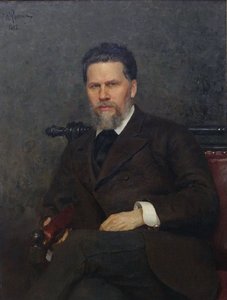
Iván Nikolayevich Kramskói
1837 - 1887 , Rusia
Datos clave
- Artistic Movement Or Style: Realism
- Artists Or Movements Influenced By This Artist: ['Peredvizhniki']
- Artists Who Influenced This Artist: ['Mikhail Borisovich Tulinov']
- Date Of Birth: May 27, 1837
- Date Of Death: April 5, 1887
- Full Name: Ivan Nikolaevich Kramskoy
- Nationality: Russian
- Notable Artworks:
- Christ in the Desert
- In the Grove of Medon near Paris
- Place Of Birth: Ostrogozhsk, Russia
Artículos relacionados
Ivan Bilibin: A Synthesis of Folklore, Modernism & National Identity in Russian Illustration
Explore the enchanting world of Ivan Bilibin, a master Russian illustrator who synthesized folklore, Art Nouveau & national identity. Discover his iconic fairy tale illustrations and legacy with ArtsDot.
Vladimir Makovsky: Realism, Social Commentary & Russian Life in Late 19th-Century Painting
Explore the captivating world of Vladimir Makovsky, a leading Russian realist painter. Discover his insightful depictions of 19th-century life, social commentary & legacy with ArtsDot.
Discover Russian Realism: Soulful Masterpieces and the Timeless Spirit of the Peredvizhniki for Your Modern Home
Elevate your home with the soulful beauty of Russian Realism. Discover exquisite hand-painted reproductions of Peredvizhniki masterpieces, from lyrical landscapes to profound portraits, curated to bring historical depth and timeless elegance to your modern interior design.
Konstantin Korovin: A Master of Russian Impressionism & Evocative Light
Explore the captivating world of Konstantin Korovin, a leading Russian Impressionist painter renowned for his vibrant landscapes & innovative theater designs. Discover his life, legacy, and enduring artistic impact.
Romantic Realism's Finest: 10 Masterpieces for Your Home | ArtsDot
Explore 10 defining masterpieces of Romantic Realism! Discover Courbet, Millet & Daumier's powerful paintings—capturing emotion and social realities. Find museum-quality reproductions for your home at ArtsDot.com.

