 Vista previa
 Compartir
 Compartir
 Ver detalles

 Descargar
 Ver similares
 Radiografía
 Presentación de diapositivas
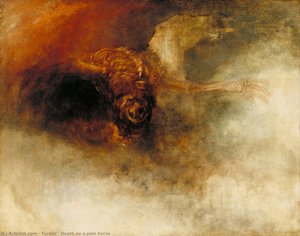
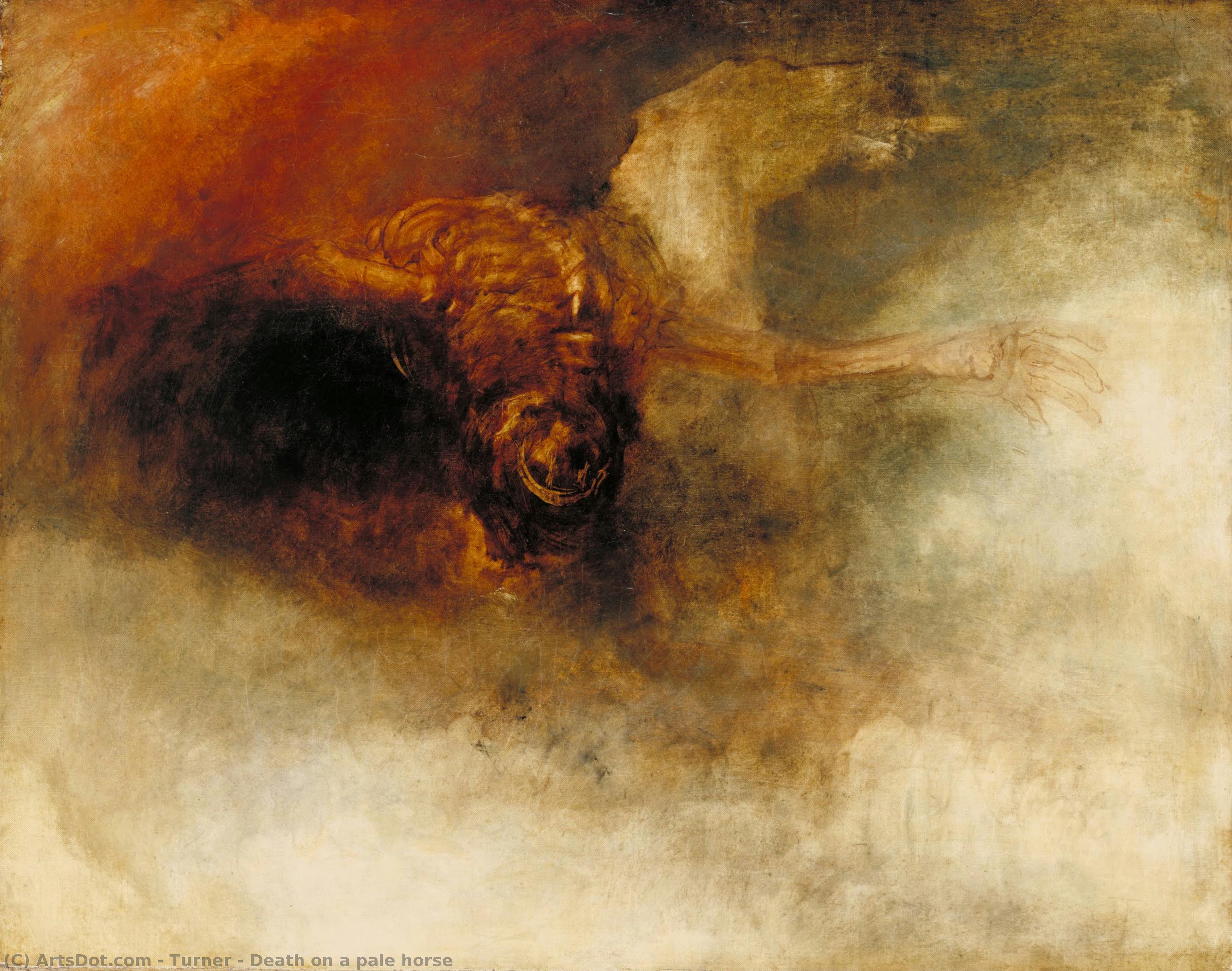
La muerte sobre un caballo pálido
 Óleo sobre lienzo
- Arte de pared
- Romanticismo
 1825
1825- Siglo XIX
 75.0 x 59.0 cm
 Tate Britain
 Leer más
Reproducción al óleo hecha a mano
Óleo sobre lienzo pintado a mano en el tamaño y marco de su elección, realizado por encargo por nuestros artistas. ( Pedir impresión Comprar descarga)




P118B $10

P118H $10

P118W $10

P438Z $10

P508JH $12

P508YH $12

P805H $10

P805Z $10

P919BZ $10

P919G $10

P919XJ $10

P959ZH $10

P968JZ $12

W106C $8

W218G $10

W218JH $8

W218Y $10

W307PJ $10

W316G $10

W316PJ $8

W316Y $10

W398PJ $8

W4111J $10

W500HY $15

W500JH $15

W692G $12

W849H $8

W940BG $15

W953PJ $8




Elija entre nuestros tamaños predefinidos que respetan las proporciones originales de la obra.

Puede ingresar sus propias dimensiones para adaptarse a un marco o espacio específico. Si el tamaño seleccionado no coincide con las proporciones de la imagen original, recortaremos la obra o extenderemos la pintura con elementos adicionales pintados a mano. Se le enviará una maqueta digital para su aprobación antes de comenzar la producción.
Tenga en cuenta que la vista previa en pantalla no refleja el recorte o la extensión reales. Solo la maqueta mostrará con precisión la composición final.
Si bien existen tamaños personalizados, recomendamos seleccionar una dimensión de la lista predefinida para preservar las proporciones originales.
Tras realizar el pedido, el equipo de ArtsDot.com enviará un correo electrónico al cliente para solicitar instrucciones y proporcionarle una vista previa del boceto.
Envío a todo el mundo () en 3-4 semanas en lugar de las 5 semanas estándar. (20 agosto). Sin comprometer la calidad.

Envío exprés gratuito a todo el mundo

Lienzo de lino de alta calidad

Seguro de envío completo

Garantía de reembolso de aranceles aduaneros

Garantía de fidelidad cromática exacta

Política de devolución de 60 días (solo por defectos)

Garantía de devolución del 100% del dinero

Oferta por volumen
 La opción de vidrio solo está disponible en tamaños inferiores a 110 cm.

La muerte sobre un caballo pálido
Técnica de reproducción
Tamaño de la reproducción
-


Precio total
$ 263
Descripción de la obra
El Apocalipsis Revelado: Capturando la Furia del Destino
Estar frente a esta representación de la Muerte sobre un caballo pálido es confrontar no solo una pintura, sino una fuerza elemental: el aliento mismo del juicio final. J.M.W. Turner, en su magistral manejo de este tema extraído del Libro del Apocalipsis, trasciende la mera ilustración; captura el terror sublime inherente a la propia mortalidad. La escena es abrumadoramente dramática, un vórtelo de energía turbulenta donde la luz y la sombra luchan por el dominio. Uno se siente inmediatamente sumergido en el caos, como si el espectador hubiera tropezado con un instante en el precipicio mismo del fin de la historia. Turner no representa la muerte como un simple evento, sino como un espectáculo magnífico y aterrador.
Una Sinfonía de Luz y Atmósfera
Técnicamente, esta obra es un testimonio impresionante del genio inigualable de Turner para crear atmósferas. Su técnica distintiva —la aplicación suelta y expresiva de la pintura— se muestra aquí en todo su esplendor. Las pinceladas no son marcas discretas, sino corrientes arremolinadas que sugieren el inmenso poder del viento, el humo o una agitación divina. Nótese cómo los bordes de las formas se disuelven; no existen contornos nítidos que anclen al espectador en una realidad estable. En su lugar, todo se funde entre sí a través de una paleta rica y cálida, dominada por naranjas, rojos profundos y amarillos brumosos. Esta mezcla magistral crea una ilusión de profundidad que es, simultáneamente, infinita y totalmente sofocante. Es la pintura como pura sensación.
Simbolismo y el Peso del Juicio
El tema en sí mismo posee un peso simbólico inmenso. Los Cuatro Jinetes, particularmente la Muerte, representan el ajuste de cuentas inevitable: ese momento en que las preocupaciones terrenales se desvanecen ante la verdad última de la existencia. Turner utiliza este marco bíblico para explorar ansiedades humanas universales: el miedo, el cambio y el paso del tiempo. El caballo pálido, emergiendo de la agitación atmosférica, actúa como un punto focal frente al torbellino circundante. Nos obliga a mirar más allá del drama superficial, incitándonos a la contemplación sobre lo que dejamos atrás y lo que nos aguarda más allá de nuestra percepción inmediata.
Una Visión para el Coleccionista Moderno
Para el coleccionista o diseñador exigente que busca un ancla de profunda resonancia emocional, esta reproducción ofrece una profundidad sin igual. Su composición dinámica, que renuncia a la perspectiva tradicional en favor de la energía pura, la convierte en una pieza de gran impacto capaz de transformar cualquier espacio en uno cargado de drama artístico. La textura visible, lograda mediante la aplicación casi de impasto de Turner, otorga a la obra una cualidad palpable, casi visceral, que atrae la mirada y se niega a dejarla descansar. Poseer esta pieza no es simplemente adquirir arte; es curar una experiencia: un magnífico enfrentamiento con el poder sublime de la naturaleza y del destino mismo.
Obras relacionadas
Biografía del artista
A Life Painted in Light: The World of J.M.W. Turner
Joseph Mallord William Turner, known to the world as J.M.W. Turner, was more than just a painter; he was a visionary who redefined landscape art and paved the way for modern abstraction. Born in Maiden Lane, Covent Garden, London, in 1775, his beginnings were humble – the son of a barber and wig maker. Yet, even as a child, a remarkable talent blossomed within him. By age fourteen, he was enrolled at the Royal Academy, exhibiting his first work just a year later. This early promise wasn’t merely technical skill; it hinted at an innate understanding of light, color, and atmosphere that would become the hallmarks of his extraordinary career. He supplemented his artistic education with practical experience as an architectural draftsman, honing his perspective and compositional abilities – skills that would prove invaluable in rendering both detailed topographical views and vast, emotive landscapes. Turner’s early life was marked by a dedication to his craft, fueled by a natural aptitude and a relentless pursuit of artistic excellence.The Romantic Tempest: Style and Influences
Turner emerged during the height of the Romantic era, but he wasn’t simply a follower of its conventions. He absorbed influences from various sources – the Dutch masters like Claude Lorrain and Aelbert Cuyp for their luminous landscapes, and artists such as Richard Wilson for his poetic approach to nature. However, Turner didn’t merely imitate; he synthesized these influences into something entirely new. His work is characterized by an expressive use of color, often employing bold contrasts and vibrant hues to convey emotion and atmosphere. He was fascinated by the power and drama of nature – turbulent seascapes, fiery sunsets, and swirling storms became recurring motifs in his paintings. He wasn’t interested in simply depicting what he saw; he sought to capture the *feeling* of a place, the sublime awe inspired by the natural world. This pursuit led him to experiment with increasingly loose brushwork, dissolving forms into washes of color and light – techniques that would anticipate the Impressionist movement decades later. From 1840, his work gained significant recognition thanks to the championing of John Ruskin, who elevated landscape painting to a new level of critical acclaim.A Prolific Legacy: The Scope of Turner’s Output
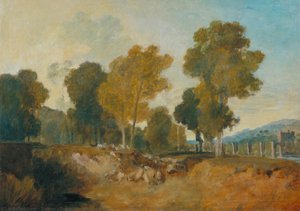
The sheer volume of Turner’s artistic output is astonishing. He created over 550 oil paintings, nearly 2,000 watercolors, and an astounding 30,000 works on paper. This prolificacy wasn’t simply a matter of quantity; it reflected his tireless exploration of different subjects, techniques, and styles. His paintings range from detailed topographical views of British landscapes to dramatic historical scenes and evocative maritime paintings. He was equally adept at capturing the tranquility of a pastoral scene and the terrifying power of a raging storm. Works like “Fort Vimieux” exemplify his mastery of depicting atmospheric effects – the swirling clouds, the crashing waves, and the intense light all contribute to a sense of drama and sublime beauty. Similarly, "Scene in the Campagna" showcases his ability to capture the warmth and serenity of the Italian countryside with delicate brushwork and luminous colors. Beyond painting, Turner was also a skilled printmaker, further disseminating his artistic vision through engravings and lithographs.Eccentricity and Remembrance: The Man Behind the Masterpieces
Turner’s personal life was as complex and enigmatic as his art. He remained intensely private and reclusive, often shunning social gatherings and preferring the solitude of his studio or the open road. He fathered two daughters, Evelina and Georgiana, with Sarah Danby, the wife of a fellow artist, but maintained a distant relationship with them. His later years were marked by increasing eccentricity and declining health. After his father’s death in 1829, he became increasingly morose and withdrawn, living in squalor and neglecting his appearance. He adopted the pseudonym “Mr. Booth” to avoid recognition and even rowed his boat into the Thames during a census to remain untraceable. Despite his eccentricities, or perhaps because of them, Turner remains one of Britain’s most beloved artists. His final years were spent in Chelsea where he passed away on December 19, 1851, at the age of 76. In a fitting tribute to his enduring legacy, he is buried in St Paul's Cathedral, London. His work continues to inspire artists and captivate audiences worldwide, ensuring that the light of J.M.W. Turner will continue to shine for generations to come. ## Notable Achievements: A Pioneer of Landscape Painting Turner’s contribution to art history is undeniable. He revolutionized landscape painting by prioritizing expressive color and atmospheric effects over accurate representation. His canvases convey emotion and sensation as much as they depict visual reality, establishing him as a forerunner of Impressionism and influencing countless artists who followed. ## Influences: Masters of Light and Color Turner’s artistic vision was shaped by the works of Dutch masters like Claude Lorrain and Aelbert Cuyp, whose luminous landscapes instilled in him a fascination for capturing the beauty of natural light. He also drew inspiration from Richard Wilson, whose poetic approach to nature encouraged him to explore themes of sublime grandeur and spiritual contemplation. ## Legacy: An Enduring Influence on Art Turner’s legacy extends far beyond his own lifetime. His groundbreaking techniques and emotive style continue to inspire artists today, cementing his place as one of the most important figures in British art history.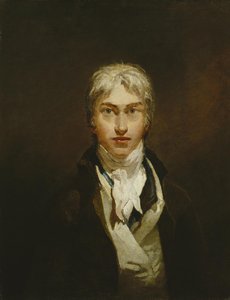
J.M.W. Turner
1775 - 1851 , Reino Unido
Datos clave
- Estilo Artístico: Romanticismo
- Fecha De Fallecimiento: 19 de diciembre de 1851
- Fecha De Nacimiento: 23 de abril de 1775
- Lugar De Nacimiento: Londres, Reino Unido
- Nacionalidad: Británico
- Nombre Completo: J.M.W. Turner
- Obras Notables:
- Lluvia, Vapor y Velocidad
- La Batalla del Temeraire
- La Quema de las Casas del Parlamento
- Castillo de Carisbrook
Artículos relacionados
J.M.W. Turner: Light, Atmosphere & the Romantic Sublime
Explore the life & art of J.M.W. Turner, a master of Romantic landscape painting. Discover his innovative techniques, key works, and lasting influence on Impressionism. Find high-quality reproductions at ArtsDot.
Romantic Realism's Finest: 10 Masterpieces for Your Home | ArtsDot
Explore 10 defining masterpieces of Romantic Realism! Discover Courbet, Millet & Daumier's powerful paintings—capturing emotion and social realities. Find museum-quality reproductions for your home at ArtsDot.com.

Paisajes Románticos: 10 Obras Maestras que Definieron un Movimiento Artístico
Descubre los 10 paisajes románticos más influyentes de artistas como Caspar David Friedrich y Turner. Explora la belleza, el simbolismo y las técnicas del movimiento romántico. Reproducciones de arte exclusivas en ArtsDot.com.
Romanticismo: 10 Obras Maestras que Definieron una Era |
Descubre las 10 obras maestras del Romanticismo que marcaron una época. Explora la historia de Delacroix, Goya y más. Reproducciones de arte en para decorar tu hogar con belleza y emoción. ¡Explora la colección online!
Las 10 Obras de Arte Más Románticas: Historia, Artistas y Decoración con
Descubre las 10 obras de arte más románticas de Monet, Renoir y Goya. Explora la historia del amor en el arte, sus colores y técnicas. Encuentra lienzos perfectos para crear un ambiente inolvidable con