

 Ver en contexto
 Enviar
 Compartir
 Detalles

 Descargar
 Similares
 Radiografía
 Presentación de diapositivas
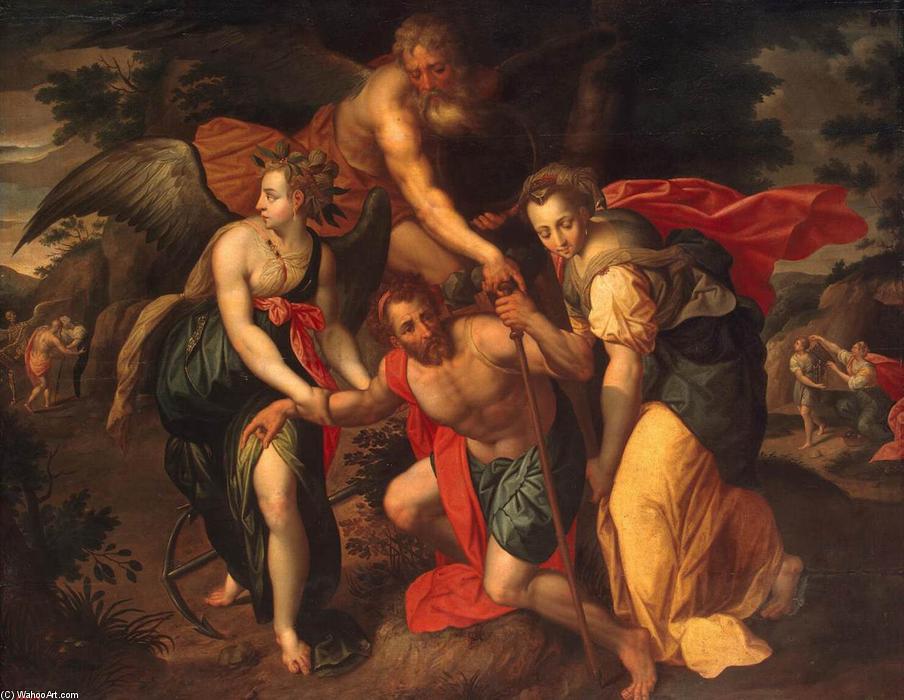
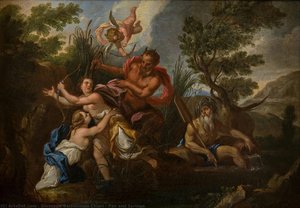
Allegory of the Three Ages of Man
 Oil
Oil- WallArt
- Baroque
 Early Modern
 100.0 x 123.0 cm
 Museo del Hermitage
 Ver más
Adquiera una imagen digital de alta resolución y optimizada, muy superior a la vista previa en línea.
Cada archivo es preparado meticulosamente por nuestros especialistas internos mediante el uso de herramientas avanzadas y un experto retoque manual. Nos aseguramos de que cada imagen posea una claridad excepcional, una precisión cromática impecable y un detalle minucioso.
El archivo final se entrega por correo electrónico en un plazo de 72 horas, optimizado para su uso inmediato en entornos profesionales, editoriales y de impresión. Esta es la misma calidad en la que confían los estudios de diseño, las editoriales y las galerías de primer nivel.
Imagen Digital
Descarga un archivo de alta resolución para exhibición personal, impresión y proyectos creativos. ( Comprar impresión Comprar pintura hecha a mano)
Incluido en cada pedido de imágenes digitales
Entrega digital experta, garantizada.
Al elegir ArtsDot.com, no solo está adquiriendo una imagen; está recibiendo una obra de arte digital mejorada profesionalmente, elaborada con precisión y respaldada por una garantía de satisfacción. Esto es todo lo que incluye su pedido, automáticamente:

Entrega rápida por email
Recibirá su archivo de imagen digital en alta resolución por correo electrónico en un plazo de 72 horas tras realizar su pedido, listo para su uso inmediato.

Archivo digital optimizado por IA
Su obra de arte se optimiza profesionalmente mediante herramientas avanzadas de IA y edición manual, garantizando el máximo detalle, claridad y precisión cromática.

Reenvío gratuito de por vida
¿Has borrado o perdido tu archivo por error? No te preocupes: te lo volveremos a enviar en cualquier momento, sin coste adicional.

Sin gastos de importación, siempre
Disfrute de su obra de arte al instante sin aduanas, aranceles ni gastos de envío; las descargas digitales siempre están libres de impuestos.

Garantía de fidelidad de color
Garantizamos que su imagen digital refleje los colores originales con la mayor fidelidad posible, mediante el uso de herramientas profesionales y gestión del color.

Garantía de satisfacción de 60 días
Si no está satisfecho con su imagen digital, la revisaremos o le reembolsaremos el 100% en un plazo de 60 días, sin preguntas.

100% Garantía de devolución de dinero
¿No está satisfecho? Obtenga un reembolso completo dentro de los 60 días posteriores a la recepción de su archivo digital, sin necesidad de explicaciones.

Descuentos por pedidos grandes
Compra 3 imágenes, ahorra 10% - Compra 5, ahorra 15% - Compra 10+, ahorra 20%. Ideal para proyectos creativos, galerías y agencias.
A Journey Through Time: The Eternal Cycle of Life
In the profound depths of Jacob Adriaensz Backer’s Allegory of the Three Ages of Man, viewers are invited into a contemplative dance between mortality and the infinite. This masterful composition serves as more than just a portrait of human progression; it is a visual poem that captures the fleeting essence of existence. Through the delicate interplay of light and shadow, Backer presents a narrative where childhood, youth, and old age coexist within a singular, breathtaking moment. The painting breathes with a sense of movement, as if the very air around the figures is thick with the weight of passing years. For the discerning collector or interior designer, this piece offers a profound focal point, bringing a sense of historical gravity and philosophical depth to any curated space.
The composition is anchored by three central figures, each embodying a distinct epoch of the human soul. On the left, the innocence of childhood is rendered with a soft, luminous quality, untouched by the complexities of the world. In the center, the vibrant energy of adolescence or youth surges forward, characterized by a spirited posture and a sense of burgeoning potential. Finally, on the right, the figure of old age stands as a testament to wisdom and the inevitable twilight of life, draped in textures that suggest the dignity of experience. This progression is not merely linear but cyclical, woven into a larger tapestry where mythical creatures and celestial beings drift through the periphery, suggesting that human life is inextricably linked to the divine and the supernatural.
Mastery of the Dutch Golden Age
As a prominent figure of the Dutch Golden Age, Jacob Adriaensz Backer brought an unparalleled technical prowess to this allegory. Known as the "Rapid Master," his ability to capture complex emotions with swift, decisive brushstrokes allows the Allegory of the Three Ages of Man to possess a visceral, immediate impact. The technique employs a rich chiaroscuro, where deep, velvety shadows contrast sharply against highlighted skin tones and silken fabrics, creating a three-dimensional presence that seems to leap from the canvas. This mastery of light does not merely illuminate the scene; it directs the viewer's emotional journey, guiding the eye from the bright optimism of youth to the somber, reflective depths of senescence.
The setting further enhances this atmospheric brilliance. A lush, natural backdrop of verdant trees provides a sanctuary for these figures, grounding the allegorical themes in the organic reality of nature. This connection between the human lifecycle and the seasonal rhythms of the earth adds a layer of profound symbolism, reminding us that we are part of a much larger, eternal ecosystem. For those seeking to adorn a room with art that inspires introspection, this painting provides an unparalleled opportunity to introduce a piece that is both aesthetically magnificent and intellectually stimulating.
An Investment in Timeless Elegance
Beyond its historical significance, the Allegory of the Three Ages of Man serves as a cornerstone for sophisticated interior curation. Its large-scale presence (100 x 123 cm) allows it to command attention in grand halls or study rooms, acting as a window into the seventeenth century. The intricate details—from the subtle folds in the clothing to the ethereal presence of angels in the upper reaches of the composition—reward prolonged observation, making it a piece that grows with its owner.
Owning a high-quality reproduction of this work allows for the preservation of Backer's legacy within a modern context. It offers an opportunity to bridge the gap between the classical past and contemporary elegance, providing a sense of continuity and cultural richness. Whether placed in a sunlit gallery or a moody, library-style setting, this artwork remains a powerful symbol of the beauty found within the inevitable transitions of life, making it an essential acquisition for any true lover of fine art.
Obras relacionadas


Biografía del artista
Jacob Adriaensz Backer: The Rapid Master of Amsterdam
Jacob Adriaensz Backer (1608-1651) stands as a singular figure in the Dutch Golden Age, celebrated primarily for his astonishing speed and precision in portraiture – a feat that cemented his reputation as one of the era’s most prolific artists. Born in Harlingen, Netherlands, he experienced a formative childhood marked by his father's relocation to Amsterdam following his wife’s untimely death, immersing him in the bustling artistic environment of the city. This early exposure undoubtedly nurtured his talent and propelled him toward a distinguished career that would leave an indelible mark on Dutch art history.- Early Training & Influences: Backer's artistic journey began under the tutelage of Lambert Jacobsz, a Mennonite teacher who instilled in him a foundational understanding of religious painting techniques. Notably, he studied alongside Govert Flinck, another Mennonite pupil and collaborator, fostering connections within a vibrant intellectual community that valued craftsmanship and moral integrity. These formative influences would shape his stylistic sensibilities, particularly evident in his depictions of biblical narratives. Backer’s meticulous observation of anatomy and drapery, combined with the serene compositions characteristic of Flemish Baroque painting, established him as a student deeply attuned to the artistic currents of his time.
- Amsterdam & Hendrick Uylenburgh: Moving to Amsterdam around 1633, Backer found patronage with Hendrick Uylenburgh, a wealthy merchant who recognized Backer’s exceptional abilities and commissioned numerous portraits. This association provided invaluable opportunities for artistic development and solidified Backer's position as a leading portraitist of his time. His collaborations with Rembrandt—though perhaps not formal apprenticeships—demonstrated the influence of Amsterdam’s most celebrated artist on Backer’s stylistic evolution, mirroring Rembrandt’s masterful use of chiaroscuro and psychological realism.
- Technique & Style: Backer’s fame rests largely on his revolutionary “wet-on-wet” technique – a method pioneered in Haarlem that allowed artists to capture fleeting expressions and textures with remarkable immediacy. As Joachim von Sandrart famously recounted, a woman could arrive from Haarlem and depart the same day, leaving behind a portrait completed with breathtaking speed and detail. This technique—a daring departure from traditional methods—coupled with his masterful handling of color and composition showcased his versatility as an artist and cemented his legacy as a true innovator within the Dutch Baroque tradition.
A Virtuoso Painter Beyond Portraits
While Backer’s portraiture undoubtedly captivated audiences, he was equally adept at tackling ambitious projects in other genres. His canvases explored themes from contemporary history – Granida and Daifilo – demonstrating his willingness to engage with pressing social and political concerns of the era. Furthermore, he produced stunning mythological paintings, reflecting a broader artistic engagement with classical ideals and narratives. Backer’s oeuvre encompassed religious scenes imbued with profound spiritual symbolism—particularly his monumental depiction of The Last Judgment—and allegorical compositions that celebrated human virtues and moral values.- Religious Subjects: Backer's devotion to religious art is palpable in his numerous depictions of biblical scenes, characterized by serene compositions and luminous colors.
- Mythological Visions: His explorations of mythological themes – particularly the crowning of Mirtillo – reveal a fascination with classical mythology and its enduring influence on artistic expression.
Legacy & Recognition
Jacob Adriaensz Backer’s contribution to Dutch art is undeniable, producing approximately 140 paintings in just twenty years—a remarkable output for his time. His meticulous attention to detail and unparalleled speed in portraiture earned him considerable acclaim during his lifetime, as evidenced by Joachim von Sandrart's astute observation regarding the Haarlem-Amsterdam journey. Backer’s work continues to inspire admiration for its technical brilliance and emotional depth, securing his place among the most celebrated artists of the Dutch Golden Age—a testament to his enduring artistic vision. He remains a symbol of artistic productivity and innovation, embodying the spirit of the era's finest painters.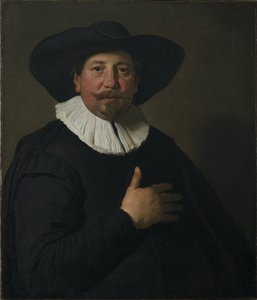
Jacob Adriaensz Backer
1608 - 1651 , Países Bajos
Breves datos
- Artistic Movement Or Style: Golden Age painting
- Artists Or Movements Influenced By This Artist: ['Rubens']
- Artists Who Influenced This Artist: ['Rembrandt']
- Date Of Birth: Harlingen, Netherlands (1608)
- Date Of Death: Ámsterdam, 1651
- Full Name: Jacob Adriaensz Backer
- Nationality: Dutch
- Notable Artworks: ['Portrait of Machtelt Bas']
- Place Of Birth: Netherlands

