

 Ver en contexto
 Enviar
 Compartir
 Detalles

 Descargar
 Similares
 Radiografía
 Presentación de diapositivas
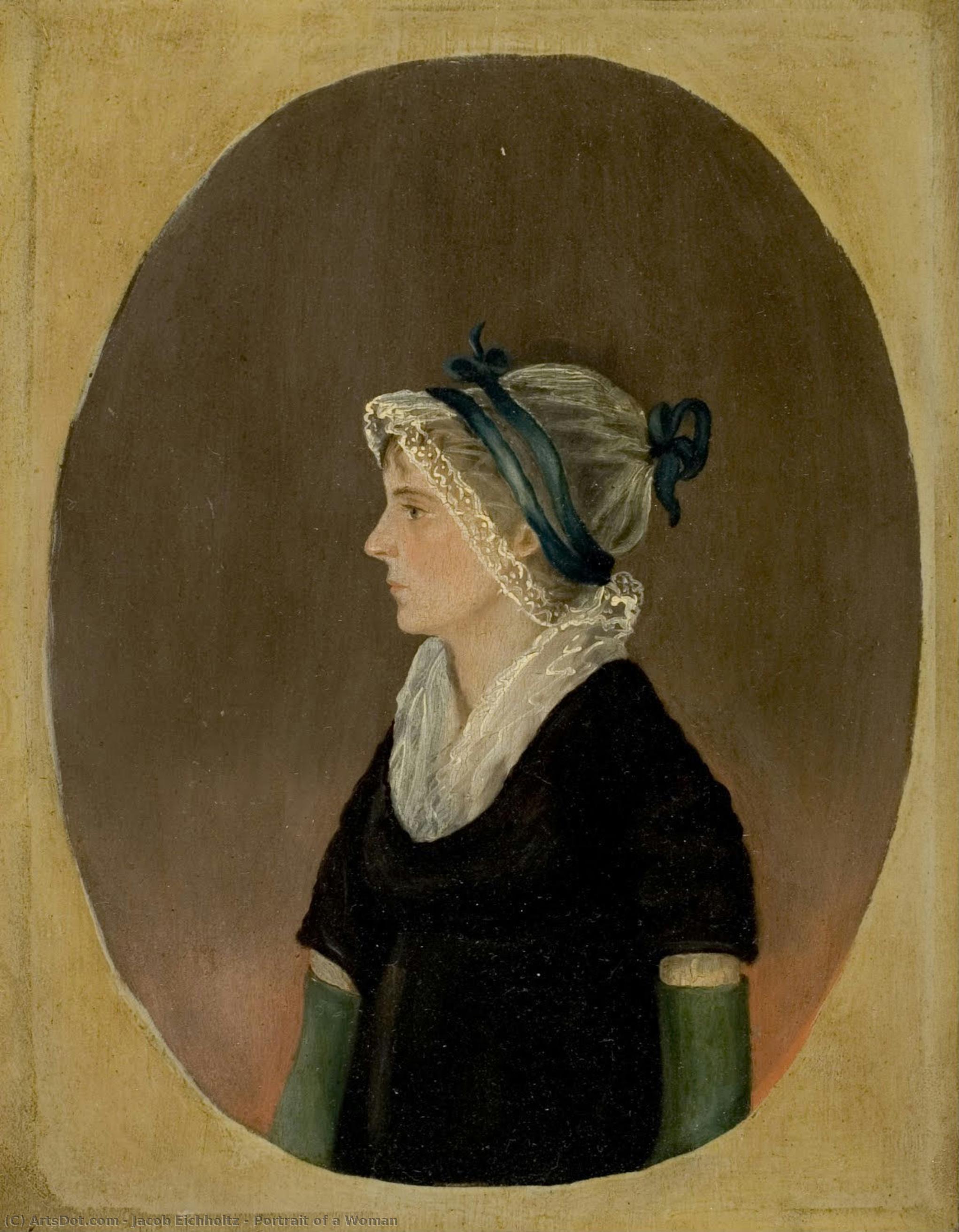
Portrait of a Woman
 Watercolor
- WallArt
- Neoclassicism
 23.0 x 18.0 cm
 Museo de Arte Chrysler
 Ver más
Reproducción al óleo hecha a mano
Óleo sobre lienzo pintado a mano en el tamaño y marco de su elección, realizado por encargo por nuestros artistas. ( Comprar impresión Comprar imagen)




P118B $10

P118H $10

P118W $10

P438Z $10

P508JH $12

P508YH $12

P805H $10

P805Z $10

P919BZ $10

P919G $10

P919XJ $10

P959ZH $10

P968JZ $12

W106C $8

W218G $10

W218JH $8

W218Y $10

W307PJ $10

W316G $10

W316PJ $8

W316Y $10

W398PJ $8

W4111J $10

W500HY $15

W500JH $15

W692G $12

W849H $8

W940BG $15

W953PJ $8




Elija entre nuestros tamaños predefinidos que respetan las proporciones originales de la obra.

Puede ingresar sus propias dimensiones para adaptarse a un marco o espacio específico. Si el tamaño seleccionado no coincide con las proporciones de la imagen original, recortaremos la obra o extenderemos la pintura con elementos adicionales pintados a mano. Se le enviará una maqueta digital para su aprobación antes de comenzar la producción.
Tenga en cuenta que la vista previa en pantalla no refleja el recorte o la extensión reales. Solo la maqueta mostrará con precisión la composición final.
Si bien existen tamaños personalizados, recomendamos seleccionar una dimensión de la lista predefinida para preservar las proporciones originales.
Tras realizar el pedido, el equipo de ArtsDot.com enviará un correo electrónico al cliente para solicitar instrucciones y proporcionarle una vista previa del boceto.
Envío a todo el mundo () en 3-4 semanas en lugar de las 5 semanas estándar. (22 agosto). Sin comprometer la calidad.

Envío exprés gratuito a todo el mundo

Lienzo de lino de alta calidad

Seguro de envío total

Garantía de reembolso de impuestos aduaneros

Garantía de fidelidad cromática exacta

Política de devolución de 60 días (solo por defectos)

Garantía de devolución del 100% del dinero

Descuento por cantidad
 La opción de vidrio solo está disponible en tamaños inferiores a 110 cm.

Portrait of a Woman
Técnica de reproducción
Dimensiones de la reproducción
-


Precio total final
$ 263
Descripción de la obra
A Glimpse of Elegance: Jacob Eichholtz’s “Portrait of a Woman”
Jacob Eichholtz's "Portrait of a Woman," painted circa 1820, is more than just a likeness; it’s a carefully constructed window into the social and artistic sensibilities of early America. This captivating watercolor and pen-on-paper piece, measuring a modest 23 x 18 cm, reveals Eichholtz's mastery of Neoclassical portraiture – a style that sought to emulate the idealized beauty and formality of classical antiquity while firmly rooted in the burgeoning American identity.
The subject herself remains subtly enigmatic. Presented in a classic profile view, she embodies the grace and composure favored in portraits of this era. Her attire—a delicate white Empire gown adorned with a rich red shawl—suggests a woman of considerable means and refined taste, reflecting the social standing prevalent within Lancaster, Pennsylvania, where Eichholtz established his practice. The subtle folds of her clothing, rendered with meticulous detail through layered watercolor washes and precise pen strokes, speak to the artist’s keen eye for texture and form.
Technique and Artistic Process
Eichholtz's approach was distinctly self-taught yet remarkably sophisticated. Initially apprenticed as a coppersmith, his artistic inclinations led him to pursue painting, largely through observation and imitation of established masters like Gilbert Stuart and Thomas Sully. This process is evident in the portrait’s balanced composition, its careful use of light and shadow, and the subtle modeling of the face – techniques borrowed from the European traditions he admired. The delicate interplay between watercolor washes and precise pen lines creates a remarkable sense of depth and texture, imbuing the image with a tangible quality.
The artist’s choice of materials—watercolor paint, pen and ink, and paper—contributes significantly to the portrait's overall effect. Watercolor lends itself beautifully to capturing soft hues and delicate details, while the pen provides sharp outlines that define the subject’s features and clothing. The slightly aged quality of the artwork hints at its history, adding a layer of romantic intrigue.
Historical Context and Symbolism
To understand “Portrait of a Woman,” it's crucial to consider the broader context of early 19th-century America. Following the American Revolution, there was a renewed interest in European art and culture, particularly Neoclassicism – a style that celebrated reason, order, and classical ideals. Eichholtz’s work reflects this trend, employing formal poses, balanced compositions, and idealized representations of beauty.
The portrait's symbolism is understated yet suggestive. The woman’s dignified bearing and elegant attire communicate status and refinement. The shawl, with its rich red hue, could symbolize wealth, passion, or perhaps even a hint of romantic longing. Eichholtz was a shrewd businessman who understood the market; he offered portraits at prices comparable to everyday goods, making art accessible to a wider segment of society.
A Timeless Masterpiece
"Portrait of a Woman" is not merely a representation of an individual; it’s a testament to Jacob Eichholtz's artistic skill and his ability to capture the essence of his subject. The painting’s quiet elegance, combined with its historical significance and subtle symbolism, makes it a captivating work of art that continues to resonate with viewers today. Reproductions offer a wonderful opportunity to bring this piece into any home or office, adding a touch of refined beauty and historical charm.
Obras relacionadas
Biografía del artista
Jacob Eichholtz: The Quiet Master of Pennsylvania Portraiture
Jacob Eichholtz (1776-1842) remains a figure shrouded in relative obscurity compared to his contemporaries—Gilbert Stuart, Thomas Sully, and Charles Willson Peale—yet he achieved remarkable success as a portrait painter during the Romantic Victorian era. Born in Lancaster, Pennsylvania, into a prosperous family of German immigrants, Eichholtz’s artistic journey began humbly, rooted in the practical skills of coppersmithing before blossoming into a vocation driven by an unwavering passion for capturing human likeness. His legacy resides not merely in the sheer volume of his output—over 800 portraits—but in the enduring quality and sensitivity of his work, which continues to fascinate scholars and collectors alike.- Early Life and Training: Eichholtz’s formative years were shaped by Lancaster's vibrant German community and the influence of Franklin College, where he honed his intellectual abilities alongside his brothers. The discipline instilled by classical education—reading, 'riting and 'rithmetic—provided a foundation for his later artistic pursuits.
- From Artisan to Artist: Initially apprenticed as a coppersmith, Eichholtz’s innate talent for drawing quickly superseded his craft. Recognizing this inclination, his parents encouraged him to pursue painting, fostering an ambition that would define his life's trajectory.
- Influences and Mentors: Eichholtz benefited immensely from the guidance of fellow artists James Peale and Thomas Sully, who recognized his potential and welcomed him into their studios. Peale’s encouragement specifically spurred Eichholtz to continue painting, highlighting the importance of artistic mentorship in shaping an artist's development.
A Portraitist's Journey: Technique and Style
Eichholtz’s artistic style evolved over time, reflecting both his own experimentation and the prevailing trends of his era. Initially influenced by Peale’s meticulous realism—particularly evident in portraits like “Henry Eichholtz Leman”—he later embraced a more expressive approach, incorporating elements of Romanticism into his canvases. His distinctive technique involved layering thin glazes of oil paint to achieve luminous effects and subtle tonal gradations, capturing the nuances of human emotion with remarkable precision. Notably, Sully’s advice emphasized the importance of “constant practice,” underscoring Eichholtz's dedication to refining his skills.- Notable Commissions: Eichholtz secured prestigious commissions from prominent figures—including James Buchanan and Henry Clay—demonstrating his reputation as a respected portraitist within Pennsylvania society. These portraits exemplify his ability to convey character and dignity, reflecting the values of the Victorian period.
- Travels and Artistic Exploration: Eichholtz undertook extensive travels throughout Pennsylvania, Delaware, and Maryland, broadening his artistic horizons and encountering diverse subjects and landscapes. His expeditions fueled his creativity and allowed him to absorb influences from various artistic traditions.
Legacy and Recognition
Despite the acclaim enjoyed by his contemporaries—Stuart, Sully, Peale—Eichholtz’s work remained largely overlooked for decades. However, a renewed appreciation of his achievements has emerged in recent scholarship, recognizing him as a pivotal figure in American portraiture history. Today, Eichholtz's portraits are housed in major museums and private collections across the United States, testifying to their enduring beauty and artistic merit. His contribution to capturing the spirit of Pennsylvania’s Victorian era continues to inspire admiration and scholarly inquiry.- Contemporary Praise: As noted by James Peale, Eichholtz possessed “Chance about this time threw a painter into the town of my residence,” highlighting the transformative impact of artistic engagement on an individual's life.
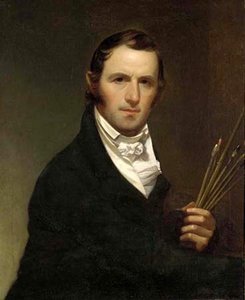
Jacob Eichholtz
1776 - 1842 , Estados Unidos
Datos clave
- Artistic Movement Or Style: Romantic Victorian
- Artists Who Influenced This Artist:
- James Peale
- Thomas Sully
- Date Of Birth: Lancaster, United States of America (1776)
- Date Of Death: Lancaster, United States of America (1842)
- Full Name: Jacob Eichholtz
- Nationality: Pennsylvania German
- Notable Artworks:
- Henry Eichholtz Leman
- Phoebe Cassidy Freeman (Mrs. Clarkson Freeman)
- William Clark Frazer
- Ann Old Coleman (Mrs. Robert Coleman)
- Place Of Birth: Lancaster
Artículos relacionados

Acuarelas Legendarias: 10 Obras Maestras que Transformaron el Arte | ArtsDot
Descubre 10 acuarelas legendarias de Turner, Monet y Sargent que revolucionaron el arte. Explora la historia, técnica y belleza de estas obras maestras impresionistas y románticas. Reproducciones de museo en ArtsDot.com.

Ephemeral Visions: Exploring the Artistic Legacy & Contemporary Practice of Watercolor Painting
Explore the captivating world of watercolor painting! Discover its rich history, essential techniques, influential artists & collecting tips. A comprehensive guide for art enthusiasts from ArtsDot.

Visiones Efímeras: Historia y Resonancia Emocional de la Pintura Acuarela
Descubre la fascinante historia de la acuarela, desde sus orígenes hasta su expresión contemporánea. Explora técnicas, artistas clave como Paul Klee y encuentra reproducciones de alta calidad en ArtsDot.

Ephemeral Visions: Exploring the Artistic Legacy & Nuances of Watercolor Painting
Explore the captivating world of watercolor painting! Discover its rich history, essential techniques, influential artists & collecting tips from art experts. A comprehensive guide for enthusiasts.
La Fascinación Duradera de la Acuarela: Historia, Técnicas y Práctica Contemporánea
Descubre la fascinante historia y las técnicas de la acuarela. Explora obras maestras, aprende con expertos y encuentra reproducciones o comisiones personalizadas en .

