

 Ver en contexto
 Enviar
 Compartir
 Detalles

 Descargar
 Similares
 Radiografía
 Presentación de diapositivas
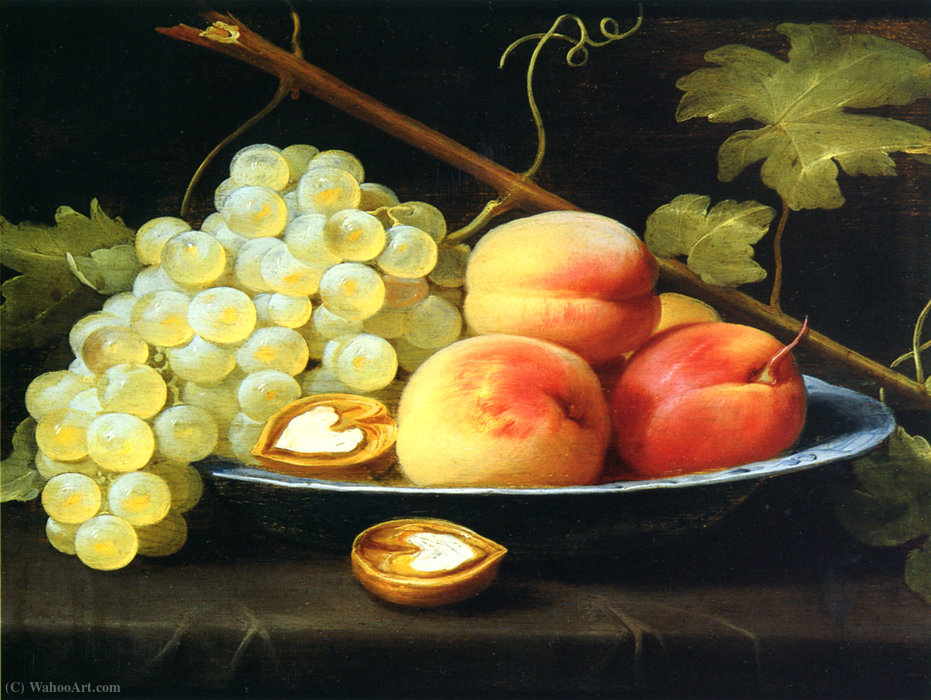
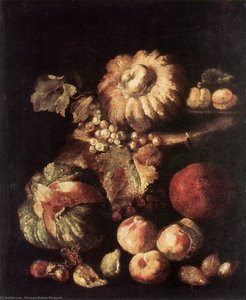
Still life with peaches, grapes and nuts on an entablature

 Ver más
Adquiera una imagen digital de alta resolución y optimizada, muy superior a la vista previa en línea.
Cada archivo es preparado meticulosamente por nuestros especialistas internos mediante el uso de herramientas avanzadas y un experto retoque manual. Nos aseguramos de que cada imagen posea una claridad excepcional, una precisión cromática impecable y un detalle minucioso.
El archivo final se entrega por correo electrónico en un plazo de 72 horas, optimizado para su uso inmediato en entornos profesionales, editoriales y de impresión. Esta es la misma calidad en la que confían los estudios de diseño, las editoriales y las galerías de primer nivel.
Imagen Digital
Descarga un archivo de alta resolución para exhibición personal, impresión y proyectos creativos. ( Comprar impresión Comprar pintura hecha a mano)
Incluido en cada pedido de imágenes digitales
Entrega digital experta, garantizada.
Al elegir ArtsDot.com, no solo está adquiriendo una imagen; está recibiendo una obra de arte digital mejorada profesionalmente, elaborada con precisión y respaldada por una garantía de satisfacción. Esto es todo lo que incluye su pedido, automáticamente:

Entrega rápida por email
Recibirá su archivo de imagen digital en alta resolución por correo electrónico en un plazo de 72 horas tras realizar su pedido, listo para su uso inmediato.

Archivo digital optimizado por IA
Su obra de arte se optimiza profesionalmente mediante herramientas avanzadas de IA y edición manual, garantizando el máximo detalle, claridad y precisión cromática.

Reenvío gratuito de por vida
¿Has borrado o perdido tu archivo por error? No te preocupes: te lo volveremos a enviar en cualquier momento, sin coste adicional.

Sin gastos de importación, siempre
Disfrute de su obra de arte al instante sin aduanas, aranceles ni gastos de envío; las descargas digitales siempre están libres de impuestos.

Garantía de fidelidad de color
Garantizamos que su imagen digital refleje los colores originales con la mayor fidelidad posible, mediante el uso de herramientas profesionales y gestión del color.

Garantía de satisfacción de 60 días
Si no está satisfecho con su imagen digital, la revisaremos o le reembolsaremos el 100% en un plazo de 60 días, sin preguntas.

100% Garantía de devolución de dinero
¿No está satisfecho? Obtenga un reembolso completo dentro de los 60 días posteriores a la recepción de su archivo digital, sin necesidad de explicaciones.

Descuentos por pedidos grandes
Compra 3 imágenes, ahorra 10% - Compra 5, ahorra 15% - Compra 10+, ahorra 20%. Ideal para proyectos creativos, galerías y agencias.
Obras relacionadas
Biografía del artista
The Quiet Splendor of Jacob Foppens van Es
In the golden age of Flemish Baroque painting, few artists captured the ephemeral beauty of the material world with as much understated grace as Jacob Foppens van Es. A master of the still life, Van Es occupied a pivotal position in the first generation of Flemish painters who elevated the depiction of food, flora, and everyday objects into a profound sensory experience. While his contemporaries often leaned toward the dramatic or the overtly opulent, Van Es cultivated an aesthetic of refined elegance. His works, characterized by a meticulous devotion to texture and light, do not merely present objects; they invite the viewer into a silent, contemplative dialogue with nature’s bounty.
Though the biographical details of his early life remain somewhat shrouded in the mists of the seventeenth century, we know that Van Es was deeply rooted in the vibrant artistic ecosystem of Antwerp. Estimates suggest he was born around 1596, likely into a prosperous merchant family. This background of stability may have provided the foundation for his disciplined approach to art. By 1617, he had achieved the prestigious status of master within the Antwerp Guild of Saint Luke. Interestingly, the lack of records showing him as a pupil within the guild suggests that his formative training might have taken place elsewhere, perhaps absorbing the stylistic nuances of masters like Adam van Noort or Maerten de Vos before returning to establish his legacy in his home city.
A Symphony of Texture and Light
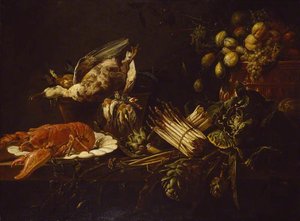
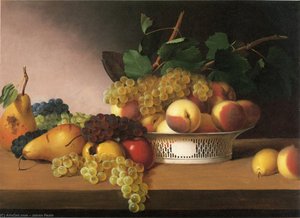
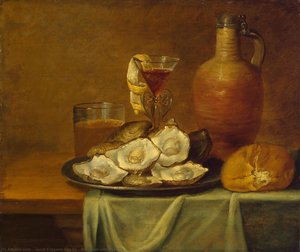
The true genius of Van Es lies in his ability to breathe life into the inanimate. His compositions are masterclasses in the chiaroscuro technique, where subtle shifts in light and shadow create a palpable sense of volume and presence. When observing one of his fruit pieces, such as his celebrated depictions of peaches, grapes, and nuts, one is struck by the way the light clings to the velvety skin of a peach or glints off the translucent surface of a grape. He possessed an uncanny ability to render the tactile—the ruggedness of an oyster shell, the crispness of a leaf, or the heavy weight of an entablature.
His technical repertoire extended beyond simple food studies into the delicate realm of floral arrangements and even collaborative garland paintings. In these works, he worked alongside other masters to create intricate wreaths of blossoms that framed central religious or portrait subjects. This collaborative spirit highlights his integration into the broader Flemish tradition, standing alongside luminaries such as Osias Beert and Clara Peeters. His brushwork was never ostentatious; instead, it served a higher purpose: to honor the intricate details of the natural world, ensuring that every crumb, droplet, and petal felt anchored in reality.
Legacy and Historical Significance
The success of Jacob Foppens van Es was not merely a local phenomenon but a recognized standard of excellence throughout the seventeenth-century art market. The enduring value of his work is evidenced by its presence in the most esteemed collections of his era. Most notably, the legendary Peter Paul Rubens included two of Van Es’s works in his personal inventory, a testament to the respect even the giants of the Baroque era held for his skill. His social standing was equally significant; the fact that prominent artists like Jacob Jordaens served as godfathers to his children suggests he moved within the highest circles of Antwerp's intellectual and artistic elite.
As we look back upon his oeuvre, we see more than just historical artifacts; we see a bridge between the Renaissance focus on observation and the Baroque passion for drama. Van Es’s contribution to the Dutch and Flemish still-life tradition remains foundational. He helped define a genre that celebrated the beauty of the mundane, turning a simple breakfast or a bowl of fruit into a meditation on abundance, mortality, and the fleeting nature of time. His legacy lives on in every painting that seeks to find the extraordinary within the ordinary.
jacob foppens van es
1596 - 1666
Breves datos
- Artistic Movement Or Style: Baroque
- Artists Or Movements Influenced By This Artist: ['Anthony van Dyck']
- Artists Who Influenced This Artist: ['Adam van Noort']
- Date Of Death: 17 July 1632
- Full Name: Hendrick van Balen I
- Nationality: Flemish
- Notable Artworks:
- The Iconography
- Garland painting
- Place Of Birth: Antwerp

