 Ver en contexto
 Enviar
 Compartir
 Detalles

 Descargar
 Similares
 Radiografía
 Presentación de diapositivas
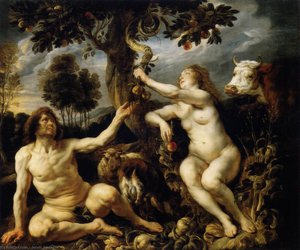
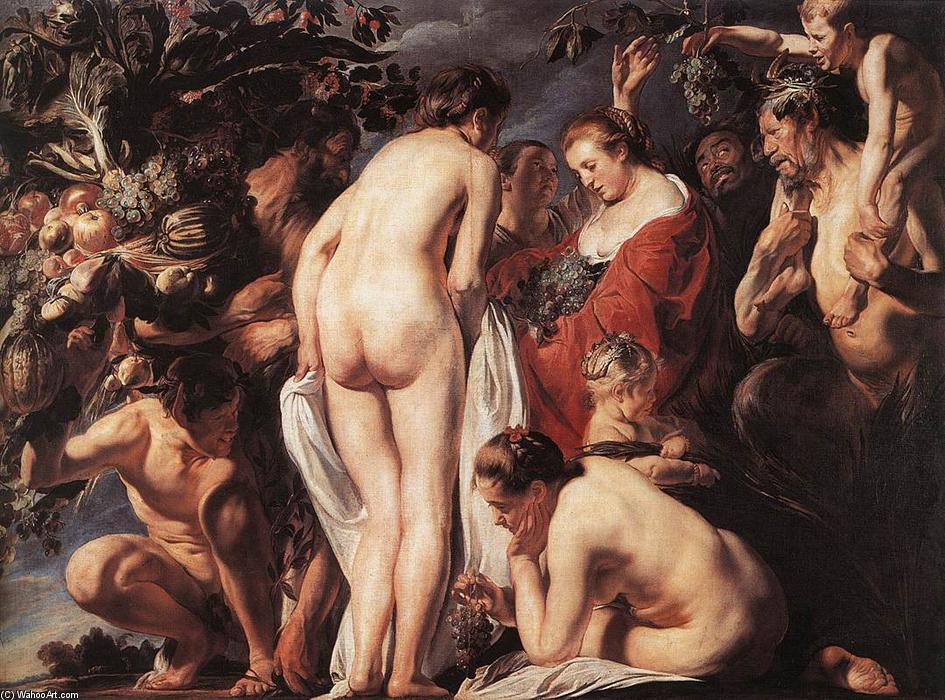
Allegory of Fertility
 Óleo sobre lienzo
- Arte de pared
- Flemish Baroque
 1623
1623- Edad Moderna
 180.0 x 241.0 cm
 Musées Royaux des Beaux-Arts
 Ver más
Giclée / Impresión de arte
Impresiones giclée o en lienzo de calidad de museo con producción rápida y opciones de acabado flexibles. ( Comprar pintura hecha a mano Comprar imagen)




P118B $10

P118H $10

P118W $10

P438Z $10

P508JH $12

P508YH $12

P805H $10

P805Z $10

P919BZ $10

P919G $10

P919XJ $10

P959ZH $10

P968JZ $12

W106C $8

W218G $10

W218JH $8

W218Y $10

W307PJ $10

W316G $10

W316PJ $8

W316Y $10

W398PJ $8

W4111J $10

W500HY $15

W500JH $15

W692G $12

W849H $8

W940BG $15

W953PJ $8




Elija entre nuestros tamaños predefinidos que respetan las proporciones originales de la obra.

Puede introducir sus propias dimensiones para adaptarse a un marco o espacio específico. Si el tamaño seleccionado no coincide con las proporciones de la imagen original, recortaremos la obra de arte o extenderemos la imagen con un borde con efecto espejo o de color sólido. Se enviará una maqueta digital para su aprobación antes de que comience la producción.
Tenga en cuenta que la vista previa en pantalla no refleja el recorte o la extensión real. Solo la maqueta mostrará con precisión la composición final.
Aunque existen tamaños personalizados, recomendamos seleccionar una dimensión de la lista predefinida para preservar las proporciones originales.
Envío a todo el mundo () en 2 semanas en lugar de las 4/5 semanas estándar. (24 agosto)

Envío exprés gratuito a todo el mundo

Lienzo de lino de alta calidad

Seguro de envío total

Garantía de reembolso de impuestos aduaneros

Garantía de fidelidad cromática exacta

Política de devolución de 60 días (solo por defectos)

Garantía de devolución del 100% del dinero

Descuento por cantidad
 La opción de vidrio solo está disponible en tamaños inferiores a 110 cm.

Allegory of Fertility
Giclée / Impresión de arte
Dimensiones de la reproducción
-


Precio total final
$ 62
Descripción de la pieza
Allegory of Fertility: A Celebration of Life’s Bounty
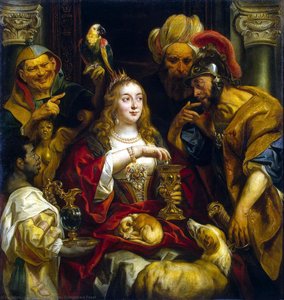
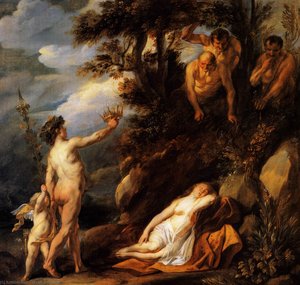
The Allegory of Fertility, painted by Jacob Jordaens in 1623, stands as a testament to the Flemish Baroque's fascination with depicting earthly pleasures and spiritual aspirations simultaneously. Housed within the Musées Royaux des Beaux-Arts in Brussels—a repository for over 20,000 artworks spanning centuries—this monumental canvas (180 x 241 cm) transcends mere visual representation; it’s a carefully crafted narrative designed to communicate profound ideas about fecundity and prosperity. Its enduring appeal lies not only in its impressive scale but also in Jordaens' masterful execution of technique and his astute understanding of symbolism.Composition and Symbolism: A Dance of Figures
Jordaens’ compositional brilliance is immediately apparent. The painting unfolds with a dynamic energy, positioning figures at varying angles and distances from the viewer—a deliberate tactic that enhances depth and invites contemplation. At its core resides a woman draped in crimson robes, radiating an aura of maternal grace as she cradles a basket overflowing with fruits – apples, pears, peaches, and grapes. This potent visual metaphor speaks directly to the central theme: fertility itself. Surrounding her are numerous men and women engaged in various activities—some reaching out towards the woman, others gazing upon her with admiration—representing humanity’s yearning for renewal and abundance. The lush greenery of the backdrop serves as an additional reinforcement of this symbolic language, embodying vitality and growth.Artistic Style and Technique: Rubensian Influence Meets Flemish Realism
Jordaens' style is undeniably rooted in the legacy of Peter Paul Rubens, whose influence can be discerned in the expansive scale and vibrant palette of the Allegory of Fertility. However, unlike Rubens’ idealized depictions of mythological subjects, Jordaens prioritizes realism—capturing the textures and nuances of human flesh with remarkable precision. The artist skillfully employs chiaroscuro – dramatic contrasts between light and shadow – to sculpt forms and imbue the scene with a palpable sense of atmosphere. Notice how light illuminates the woman's face and basket of fruit, drawing the eye’s gaze directly to these focal points. This meticulous attention to detail underscores Jordaens’ commitment to portraying life as it truly is—complex, sensual, and brimming with potential.Historical Context: Antwerp During the Baroque Era
Painted during the height of Antwerp's artistic fervor—a period marked by unprecedented prosperity and cultural dynamism—the Allegory of Fertility reflects the broader societal preoccupation with themes of marriage, family, and agricultural success. The Habsburg monarchy’s patronage fueled an explosion of creativity across all disciplines, resulting in masterpieces that celebrated both religious piety and earthly delights. Jordaens' work stands as a microcosm of this era, embodying its humanist ideals while simultaneously acknowledging the importance of natural beauty and sensual experience.Emotional Impact: A Vision of Hopeful Renewal
Ultimately, “Allegory of Fertility” transcends mere visual splendor; it evokes a powerful emotional response. The painting’s radiant colors and dynamic composition convey an irresistible optimism—a belief in the regenerative power of nature and the enduring promise of human flourishing. It invites viewers to contemplate the beauty of creation and to embrace the joys of life's journey, cementing Jordaens’ place as one of the most beloved artists of his time. To explore more about Jacob Jordaens and his captivating oeuvre, visit https://en.wikipedia.org/wiki/Jacob_Jordaens. At ArtsDot, you can acquire a stunning handmade oil painting reproduction of this iconic artwork – bringing its timeless beauty into your home.Obras relacionadas

Biografía del artista
Primeros años y formación
Jacob Jordaens, un destacado pintor flamenco, nació el 19 de mayo de 1593 en Amberes, Bélgica. Fue el primogénito de once hijos de Jacob Jordaens sr., un próspero comerciante de lino, y Barbara van Wolschaten. Se sabe poco sobre su educación temprana, pero se puede asumir que recibió las ventajas de la educación normalmente proporcionada a los niños de su clase social.Influencias artísticas y estilo
Jordaens estuvo influenciado por pintores italianos del norte como Jacopo Bassano, Paolo Veronese y Caravaggio. Su obra se caracteriza por una tendencia hacia un mayor realismo, el hacinamiento de la superficie de sus composiciones y una preferencia por lo burlesco. El estilo de Jordaens se diferencia de sus contemporáneos por su uso de una paleta cálida, naturalismo y dominio del claroscuro y el tenebrismo.Obras notables y encargos
- La Adoración de los Pastores (óleo sobre lienzo, 205 x 269 cm), una pintura que muestra la capacidad de Jordaens para capturar la esencia de la experiencia humana.
- Argos y Mercurio (barroco, óleo), una obra que demuestra su dominio del estilo barroco.
Desarrollo artístico y logros
Jordaens comenzó su carrera como aprendiz de Adam van Noort, pero pronto se vio influenciado por el estilo exuberante de Peter Paul Rubens. Trabajó como asistente de Rubens durante varios años, aprendiendo sus técnicas y absorbiendo su energía dinámica. Después de la muerte de Rubens en 1640, Jordaens emergió como el principal pintor flamenco, asumiendo muchos encargos importantes. Su obra evolucionó desde una imitación inicial del estilo de Rubens hacia un enfoque más personal que se caracterizaba por escenas de género animadas y alegorías llenas de vida. Su capacidad para representar la vida cotidiana con realismo y humor lo hizo muy popular entre los clientes, tanto religiosos como seculares.Significado histórico e influencia
La importancia de Jordaens puede verse en el número de sus alumnos; la hermandad de San Lucas registra quince alumnos oficiales desde 1621 hasta 1667. Su trabajo influyó en Jan Steen, y sus temas campesinos inspirados en la claseica han tenido un impacto duradero en el mundo del arte. Jordaens es recordado como uno de los pintores más importantes del Barroco flamenco, conocido por su realismo, vitalidad y capacidad para capturar el espíritu de su época.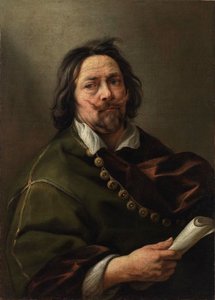
Jacob Jordaens
1593 - 1678 , Bélgica
Datos clave
- Artistas Influenciados: ['Jan Steen']
- Artistas Que Influyeron:
- Jacopo Bassano
- Paolo Veronese
- Caravaggio
- Fecha De Nacimiento: 19 de mayo de 1593
- Lugar De Nacimiento: Amberes, Bélgica
- Movimiento Artístico: Barroco
- Nacionalidad: Belga
- Nombre Completo: Jacob Jordaens
- Obras Notables:
- La adoración de los pastores
- Argos y Mercurio
- El revel de Baco y Sileno
Artículos relacionados

Giclée Prints: Archival Quality & Aesthetic Nuances for the Discerning Collector
Explore the world of giclée prints with ArtsDot. Learn about archival quality, aesthetic nuances & investment potential. Expert guidance for discerning art collectors seeking museum-quality reproductions and lasting value.
Jacob Jordaens: Baroque Dynamism & Genre Innovation of the Antwerp School
Discover Jacob Jordaens, a leading Flemish Baroque painter renowned for his dynamic compositions & realistic genre scenes. Explore his life, art, and lasting influence with ArtsDot.

The Enduring Legacy of Fine Art Prints: Technique, History & Aesthetic Impact
Explore the rich history & techniques of fine art prints. Discover investment potential, assess authenticity, and learn how to preserve your collection with expert guidance. Trusted insights for discerning collectors.

The Visceral Stage: Exploring Dramatic Narratives & Emotional Intensity in Baroque Art
Explore the dramatic world of Baroque art! Discover iconic masters like Caravaggio & Rembrandt, their techniques, and the movement's lasting impact. Expert insights for collectors & enthusiasts at ArtsDot.

Echoes of Time: Exploring the Enduring Appeal & Historical Context of Vintage Art Prints
Explore the captivating world of vintage art prints! Discover their history, collecting tips & enduring appeal. Expert insights on chromolithography and building a legacy collection with ArtsDot.