 Ver en contexto
 Enviar
 Compartir
 Detalles

 Descargar
 Similares
 Radiografía
 Presentación de diapositivas
 Stats
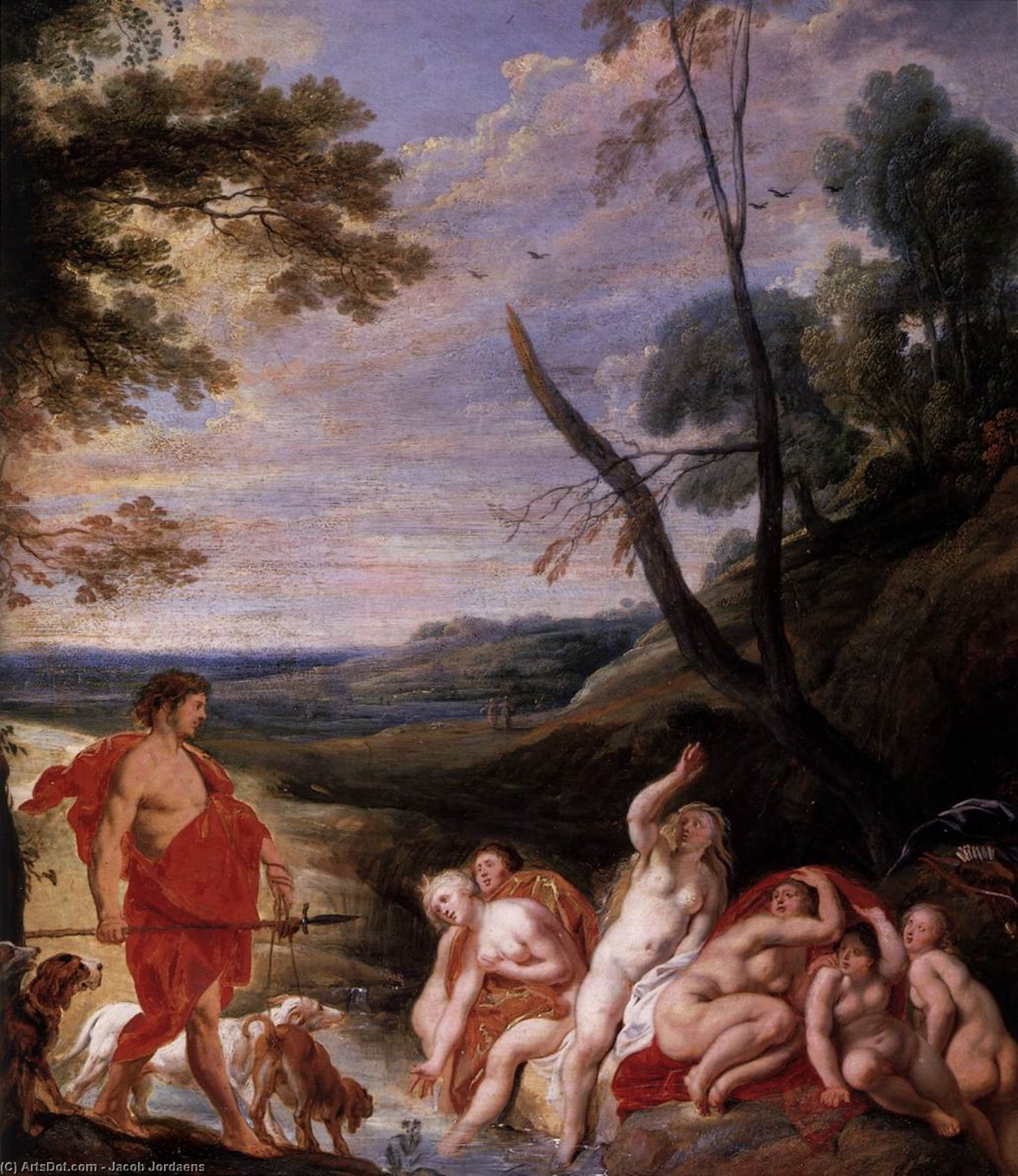
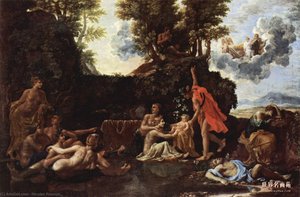
StatsDiana and Actaeon (detail)


 Ver más
Reproducción al óleo hecha a mano
Óleo sobre lienzo pintado a mano en el tamaño y marco de su elección, realizado por encargo por nuestros artistas. ( Switch to Print Switch to Digital Image)




P118B $10

P118H $10

P118W $10

P438Z $10

P508JH $12

P508YH $12

P805H $10

P805Z $10

P919BZ $10

P919G $10

P919XJ $10

P959ZH $10

P968JZ $12

W106C $8

W218G $10

W218JH $8

W218Y $10

W307PJ $10

W316G $10

W316PJ $8

W316Y $10

W398PJ $8

W4111J $10

W500HY $15

W500JH $15

W692G $12

W849H $8

W940BG $15

W953PJ $8




Elija entre nuestros tamaños predefinidos que respetan las proporciones originales de la obra.

Puede ingresar sus propias dimensiones para adaptarse a un marco o espacio específico. Si el tamaño seleccionado no coincide con las proporciones de la imagen original, recortaremos la obra o extenderemos la pintura con elementos adicionales pintados a mano. Se le enviará una maqueta digital para su aprobación antes de comenzar la producción.
Tenga en cuenta que la vista previa en pantalla no refleja el recorte o la extensión reales. Solo la maqueta mostrará con precisión la composición final.
Si bien existen tamaños personalizados, recomendamos seleccionar una dimensión de la lista predefinida para preservar las proporciones originales.
Tras realizar el pedido, el equipo de ArtsDot.com enviará un correo electrónico al cliente para solicitar instrucciones y proporcionarle una vista previa del boceto.
Envío a todo el mundo () en 3-4 semanas en lugar de las 5 semanas estándar. (8 septiembre). Sin comprometer la calidad.

Envío exprés gratuito a todo el mundo

Lienzo de lino de alta calidad

Seguro de envío total

Garantía de reembolso de impuestos aduaneros

Garantía de fidelidad cromática exacta

Política de devolución de 100 días (solo por defectos)

Garantía de devolución del 100% del dinero

Descuento por cantidad
 La opción de vidrio solo está disponible en tamaños inferiores a 110 cm.

Diana and Actaeon (detail)
Técnica de reproducción
Dimensiones de la reproducción
-


Precio total final
$ 263
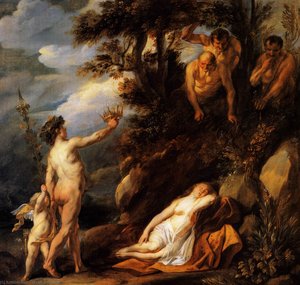
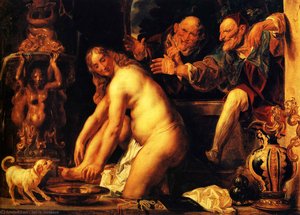
The Tempestuous Encounter: Jacob Jordaens’ “Diana and Actaeon”
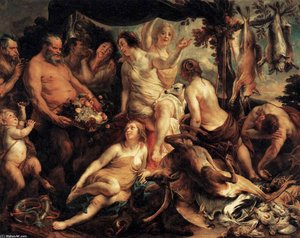
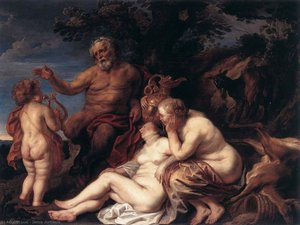
Jacob Jordaens' "Diana and Actaeon," painted around 1640, isn’t merely a depiction of a Greek myth; it’s a visceral exploration of transgression, divine wrath, and the brutal consequences of human hubris. Rooted firmly in the vibrant Baroque tradition of Antwerp, this monumental canvas pulsates with dynamic energy and a remarkable realism that transcends its mythological subject matter. Jordaens, a master of capturing the fleeting emotions of everyday life, here elevates a tale of punishment to a profound meditation on power, vulnerability, and the inescapable nature of fate.
The scene unfolds within a dramatic, almost theatrical woodland setting – a deliberate departure from the more serene depictions often found in classical art. Towering trees, rendered with meticulous detail, frame a grotto bathed in dappled light, hinting at both the beauty and danger concealed within this sacred space. At its heart, Diana, the huntress goddess, is not presented as an untouchable deity but as a figure of fierce, almost terrifying power. Her posture, partially obscured by a dark-skinned attendant, conveys a sense of contained fury – a simmering rage ignited by Actaeon’s unwitting intrusion.
A Collision of Worlds: Myth and Human Experience
The narrative itself is brutally direct. Actaeon, a hunter from the lineage of Cadmus, stumbles upon Diana and her nymph companions as they bathe in the grotto. Driven by an instinctive curiosity, he pauses to observe them, a fatal error that unleashes the goddess’s wrath. Jordaens masterfully captures this pivotal moment – the startled expressions of the nymphs, their frantic attempts to conceal themselves, and Actaeon's horrified realization as he transforms into a stag. The composition is meticulously balanced: the chaos of the nymph’s reaction contrasts sharply with the stoic determination of Diana, while the doomed hunter occupies a central position, embodying both human vulnerability and tragic consequence.
The artist’s technique is equally compelling. Jordaens employs a rich, layered application of paint – a hallmark of his style – to create an astonishingly tactile surface. The textures of the bark, the shimmering water, and the flowing garments are rendered with remarkable sensitivity. Notice particularly the subtle shifts in light and shadow, which heighten the drama and imbue the scene with a palpable sense of movement. The use of color is masterful; deep greens and browns dominate the background, creating a sense of depth and mystery, while the flesh tones of the figures are rendered with an almost photographic realism.
Symbolism and Emotional Resonance
Beyond its narrative power, “Diana and Actaeon” is laden with symbolic meaning. The transformation into a stag represents not just physical punishment but also a profound loss of identity – Actaeon’s humanity stripped away by the goddess's wrath. The hounds pursuing him are not merely instruments of vengeance; they symbolize the inescapable nature of fate, relentlessly tracking down their prey. The presence of the attendant figure suggests the constant vigilance required to maintain order and uphold divine law.
Furthermore, Jordaens’ choice to depict this violent encounter within a naturalistic setting underscores the inherent conflict between humanity and the wild – a theme that resonates deeply throughout his oeuvre. The painting evokes a powerful emotional response: a sense of unease, pity for the doomed hunter, and perhaps even a hint of admiration for Diana's formidable power. It’s a scene brimming with tension, capturing the raw intensity of a divine judgment and the tragic consequences of human transgression.
A Legacy of Baroque Grandeur
“Diana and Actaeon” stands as a testament to Jacob Jordaens’ artistic genius – a masterful synthesis of mythological narrative, dramatic composition, and technical virtuosity. It exemplifies the dynamism and emotional depth that characterized the Antwerp School of painting during the Baroque period. Reproductions of this iconic work offer a remarkable opportunity to experience the power and beauty of Jordaens' vision, bringing this timeless tale to life in any setting.
Obras relacionadas
Biografía del artista
Primeros años y formación
Jacob Jordaens, un destacado pintor flamenco, nació el 19 de mayo de 1593 en Amberes, Bélgica. Fue el primogénito de once hijos de Jacob Jordaens sr., un próspero comerciante de lino, y Barbara van Wolschaten. Se sabe poco sobre su educación temprana, pero se puede asumir que recibió las ventajas de la educación normalmente proporcionada a los niños de su clase social.Influencias artísticas y estilo
Jordaens estuvo influenciado por pintores italianos del norte como Jacopo Bassano, Paolo Veronese y Caravaggio. Su obra se caracteriza por una tendencia hacia un mayor realismo, el hacinamiento de la superficie de sus composiciones y una preferencia por lo burlesco. El estilo de Jordaens se diferencia de sus contemporáneos por su uso de una paleta cálida, naturalismo y dominio del claroscuro y el tenebrismo.Obras notables y encargos
- La Adoración de los Pastores (óleo sobre lienzo, 205 x 269 cm), una pintura que muestra la capacidad de Jordaens para capturar la esencia de la experiencia humana.
- Argos y Mercurio (barroco, óleo), una obra que demuestra su dominio del estilo barroco.
Desarrollo artístico y logros
Jordaens comenzó su carrera como aprendiz de Adam van Noort, pero pronto se vio influenciado por el estilo exuberante de Peter Paul Rubens. Trabajó como asistente de Rubens durante varios años, aprendiendo sus técnicas y absorbiendo su energía dinámica. Después de la muerte de Rubens en 1640, Jordaens emergió como el principal pintor flamenco, asumiendo muchos encargos importantes. Su obra evolucionó desde una imitación inicial del estilo de Rubens hacia un enfoque más personal que se caracterizaba por escenas de género animadas y alegorías llenas de vida. Su capacidad para representar la vida cotidiana con realismo y humor lo hizo muy popular entre los clientes, tanto religiosos como seculares.Significado histórico e influencia
La importancia de Jordaens puede verse en el número de sus alumnos; la hermandad de San Lucas registra quince alumnos oficiales desde 1621 hasta 1667. Su trabajo influyó en Jan Steen, y sus temas campesinos inspirados en la claseica han tenido un impacto duradero en el mundo del arte. Jordaens es recordado como uno de los pintores más importantes del Barroco flamenco, conocido por su realismo, vitalidad y capacidad para capturar el espíritu de su época.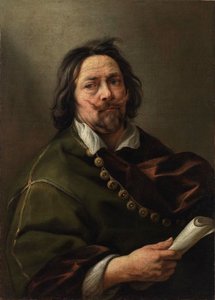
Jacob Jordaens
1593 - 1678 , Bélgica
Datos clave
- Artistas Influenciados: ['Jan Steen']
- Artistas Que Influyeron:
- Jacopo Bassano
- Paolo Veronese
- Caravaggio
- Fecha De Nacimiento: 19 de mayo de 1593
- Lugar De Nacimiento: Amberes, Bélgica
- Movimiento Artístico: Barroco
- Nacionalidad: Belga
- Nombre Completo: Jacob Jordaens
- Obras Notables:
- La adoración de los pastores
- Argos y Mercurio
- El revel de Baco y Sileno
Artículos relacionados
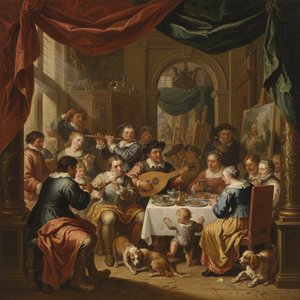
Jacob Jordaens: Baroque Dynamism & Genre Innovation of the Antwerp School
Discover Jacob Jordaens, a leading Flemish Baroque painter renowned for his dynamic compositions & realistic genre scenes. Explore his life, art, and lasting influence with ArtsDot.

Drama Barroca: Llevando la Grandeza y la Emoción a los Interiores Contemporáneos
Descubre cómo el drama y la grandeza del arte barroco pueden transformar tus interiores. Guía experta, inspiración y reproducciones de alta calidad en .

Reflejos de una Época Dorada: La Pintura Barroca Holandesa y la Innovación Cultural
Descubra la riqueza y el detalle de la pintura barroca holandesa del Siglo de Oro. Explore las obras maestras de Rembrandt, Vermeer y otros artistas clave. Análisis experto e historia cultural.

Los 10 Maestros del Barroco Holandés: Obras que Definen una Época | ArtsDot
Descubre los 10 imprescindibles del Barroco holandés: Rembrandt, Vermeer y más. Explora la historia, técnica y belleza de estas obras maestras. Reproducciones de arte en ArtsDot.com para decorar tu hogar con elegancia.

Barroco Sublime: 10 Obras Maestras que Definieron una Época |
Descubre las 10 obras maestras del Barroco que marcaron una época. Caravaggio, Bernini y Velázquez cobran vida en . Reproducciones de arte de calidad museo para decorar tu hogar con elegancia. ¡Explora la colección online!