 Ver en contexto
 Enviar
 Compartir
 Detalles

 Descargar
 Similares
 Radiografía
 Presentación de diapositivas
 Stats
StatsKing Candaules of Lydia Showing his Wife to Gyges
 Oil
Oil- WallArt
- Baroque
 1646
1646- Early Modern
 193.0 x 157.0 cm
 Ver más
Reproducción al óleo hecha a mano
Óleo sobre lienzo pintado a mano en el tamaño y marco de su elección, realizado por encargo por nuestros artistas. ( Switch to Print Switch to Digital Image)




P118B $10

P118H $10

P118W $10

P438Z $10

P508JH $12

P508YH $12

P805H $10

P805Z $10

P919BZ $10

P919G $10

P919XJ $10

P959ZH $10

P968JZ $12

W106C $8

W218G $10

W218JH $8

W218Y $10

W307PJ $10

W316G $10

W316PJ $8

W316Y $10

W398PJ $8

W4111J $10

W500HY $15

W500JH $15

W692G $12

W849H $8

W940BG $15

W953PJ $8




Elija entre nuestros tamaños predefinidos que respetan las proporciones originales de la obra.

Puede ingresar sus propias dimensiones para adaptarse a un marco o espacio específico. Si el tamaño seleccionado no coincide con las proporciones de la imagen original, recortaremos la obra o extenderemos la pintura con elementos adicionales pintados a mano. Se le enviará una maqueta digital para su aprobación antes de comenzar la producción.
Tenga en cuenta que la vista previa en pantalla no refleja el recorte o la extensión reales. Solo la maqueta mostrará con precisión la composición final.
Si bien existen tamaños personalizados, recomendamos seleccionar una dimensión de la lista predefinida para preservar las proporciones originales.
Tras realizar el pedido, el equipo de ArtsDot.com enviará un correo electrónico al cliente para solicitar instrucciones y proporcionarle una vista previa del boceto.
Envío a todo el mundo () en 3-4 semanas en lugar de las 5 semanas estándar. (7 septiembre). Sin comprometer la calidad.

Envío exprés gratuito a todo el mundo

Lienzo de lino de alta calidad

Seguro de envío total

Garantía de reembolso de impuestos aduaneros

Garantía de fidelidad cromática exacta

Política de devolución de 100 días (solo por defectos)

Garantía de devolución del 100% del dinero

Descuento por cantidad
 La opción de vidrio solo está disponible en tamaños inferiores a 110 cm.

King Candaules of Lydia Showing his Wife to Gyges
Técnica de reproducción
Dimensiones de la reproducción
-


Precio total final
$ 263
A Dramatic Encounter in the Flemish Baroque
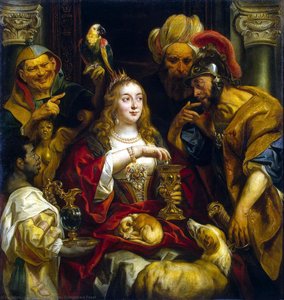
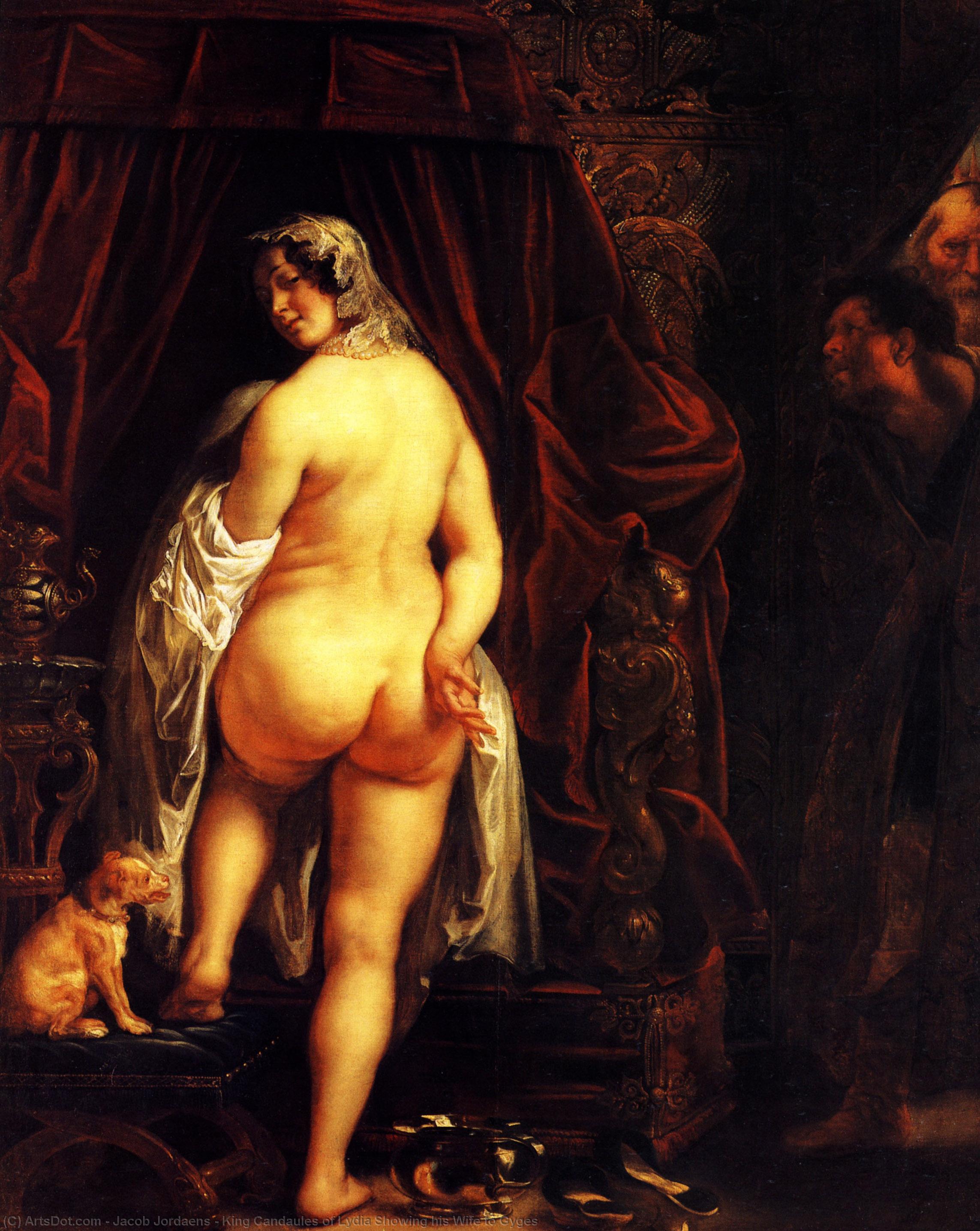
In the grand, theatrical tradition of the seventeenth century, Jacob Jordaens captures a moment of profound tension and voyeuristic intrigue in his masterpiece, "King Candaules of Lydia Showing his Wife to Gyges." Painted in 1646, this work serves as a breathtaking window into the Flemish Baroque era, where light and shadow dance to tell stories of power, desire, and betrayal. The scene unfolds with a palpable sense of drama; we find ourselves witnesses to a clandestine moment where the boundaries of privacy are being transgressed. A woman stands poised before a heavy, crimson curtain, her back turned toward the viewer in a gesture that is both vulnerable and enigmatic. Clad in a luminous white dress that catches the light with painterly brilliance, she becomes the focal point of an unfolding historical myth, her very presence acting as the catalyst for the narrative conflict.
Jordaens, a master who found his inspiration not in the distant landscapes of Italy but in the robust, earthy vitality of his native Antwerp, employs a technique that is both muscular and meticulous. The composition is layered with life; beyond the central figure, other characters emerge from the shadows, their gazes adding layers of psychological depth to the scene. A dog rests near the bottom corner, a subtle touch of domestic realism that grounds the high drama of the royal figures in a tangible, lived-in reality. The artist’s use of color is particularly striking—the deep, velvety reds of the drapery contrast sharply with the brilliant whites and warm skin tones, creating a visual rhythm that guides the eye through the complex arrangement of bodies and textures.
Symbolism and the Weight of History
Beyond its surface beauty, the painting is steeped in the heavy symbolism characteristic of Jordaens’ storytelling. The act of showing the Queen to Gyges is not merely a display of wealth or beauty, but a profound violation of trust that carries immense historical weight. The red curtain serves as more than just a backdrop; it acts as a theatrical veil between the seen and the unseen, symbolizing the thin line between royal dignity and scandalous exposure. For the discerning collector, this piece offers a profound exploration of human nature—the impulse to reveal, the temptation to observe, and the inevitable consequences of indiscretion. The interplay of light on the silk and skin suggests a fleeting moment of glory that is simultaneously shadowed by the looming threat of discovery.
For interior designers and connoisseurs of fine art, this reproduction offers an unparalleled opportunity to introduce a sense of historical gravity and narrative complexity into a space. The sheer scale of the original—a commanding 193 x 157 cm—is echoed in the emotional weight of the brushwork. Whether placed in a formal study, a grand dining hall, or a curated gallery wall, this work commands attention. It is not merely a decoration but a conversation piece that invites contemplation on the themes of truth and deception. To possess a hand-painted reproduction of such a significant Baroque work is to bring a fragment of the Golden Age into the modern home, offering an enduring elegance that transcends time.
Obras relacionadas
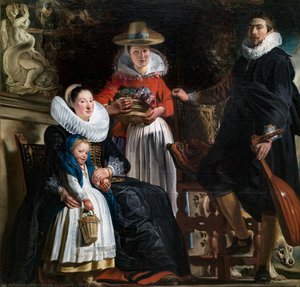
Biografía del artista
Primeros años y formación
Jacob Jordaens, un destacado pintor flamenco, nació el 19 de mayo de 1593 en Amberes, Bélgica. Fue el primogénito de once hijos de Jacob Jordaens sr., un próspero comerciante de lino, y Barbara van Wolschaten. Se sabe poco sobre su educación temprana, pero se puede asumir que recibió las ventajas de la educación normalmente proporcionada a los niños de su clase social.Influencias artísticas y estilo
Jordaens estuvo influenciado por pintores italianos del norte como Jacopo Bassano, Paolo Veronese y Caravaggio. Su obra se caracteriza por una tendencia hacia un mayor realismo, el hacinamiento de la superficie de sus composiciones y una preferencia por lo burlesco. El estilo de Jordaens se diferencia de sus contemporáneos por su uso de una paleta cálida, naturalismo y dominio del claroscuro y el tenebrismo.Obras notables y encargos
- La Adoración de los Pastores (óleo sobre lienzo, 205 x 269 cm), una pintura que muestra la capacidad de Jordaens para capturar la esencia de la experiencia humana.
- Argos y Mercurio (barroco, óleo), una obra que demuestra su dominio del estilo barroco.
Desarrollo artístico y logros
Jordaens comenzó su carrera como aprendiz de Adam van Noort, pero pronto se vio influenciado por el estilo exuberante de Peter Paul Rubens. Trabajó como asistente de Rubens durante varios años, aprendiendo sus técnicas y absorbiendo su energía dinámica. Después de la muerte de Rubens en 1640, Jordaens emergió como el principal pintor flamenco, asumiendo muchos encargos importantes. Su obra evolucionó desde una imitación inicial del estilo de Rubens hacia un enfoque más personal que se caracterizaba por escenas de género animadas y alegorías llenas de vida. Su capacidad para representar la vida cotidiana con realismo y humor lo hizo muy popular entre los clientes, tanto religiosos como seculares.Significado histórico e influencia
La importancia de Jordaens puede verse en el número de sus alumnos; la hermandad de San Lucas registra quince alumnos oficiales desde 1621 hasta 1667. Su trabajo influyó en Jan Steen, y sus temas campesinos inspirados en la claseica han tenido un impacto duradero en el mundo del arte. Jordaens es recordado como uno de los pintores más importantes del Barroco flamenco, conocido por su realismo, vitalidad y capacidad para capturar el espíritu de su época.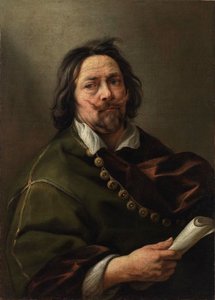
Jacob Jordaens
1593 - 1678 , Bélgica
Datos clave
- Artistas Influenciados: ['Jan Steen']
- Artistas Que Influyeron:
- Jacopo Bassano
- Paolo Veronese
- Caravaggio
- Fecha De Nacimiento: 19 de mayo de 1593
- Lugar De Nacimiento: Amberes, Bélgica
- Movimiento Artístico: Barroco
- Nacionalidad: Belga
- Nombre Completo: Jacob Jordaens
- Obras Notables:
- La adoración de los pastores
- Argos y Mercurio
- El revel de Baco y Sileno
Artículos relacionados

The Visceral Stage: Exploring Dramatic Narratives & Emotional Intensity in Baroque Art
Explore the dramatic world of Baroque art! Discover iconic masters like Caravaggio & Rembrandt, their techniques, and the movement's lasting impact. Expert insights for collectors & enthusiasts at ArtsDot.

Crimson Threads of Narrative: Exploring Symbolism & Representation in Artworks Featuring the Red Dress
Explore the rich symbolism of the red dress in art history! From ancient power displays to iconic portraits like Cézanne’s 'Madame Cezanne', discover the cultural and artistic significance behind this captivating color. Expert analysis & insights.

The Dramatic Flourish: Exploring the Baroque Movement's Enduring Legacy in Art History
Explore the dramatic world of Baroque art! Discover iconic artists like Caravaggio & Rubens, defining techniques, and its lasting impact on art history. Expert insights for collectors & enthusiasts at ArtsDot.

Drama Barroca: Llevando la Grandeza y la Emoción a los Interiores Contemporáneos
Descubre cómo el drama y la grandeza del arte barroco pueden transformar tus interiores. Guía experta, inspiración y reproducciones de alta calidad en .
Jacob Jordaens: Baroque Dynamism & Genre Innovation of the Antwerp School
Discover Jacob Jordaens, a leading Flemish Baroque painter renowned for his dynamic compositions & realistic genre scenes. Explore his life, art, and lasting influence with ArtsDot.