 Ver en contexto
 Enviar
 Compartir
 Detalles

 Descargar
 Similares
 Radiografía
 Presentación de diapositivas
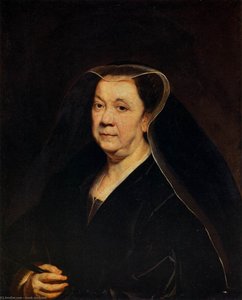
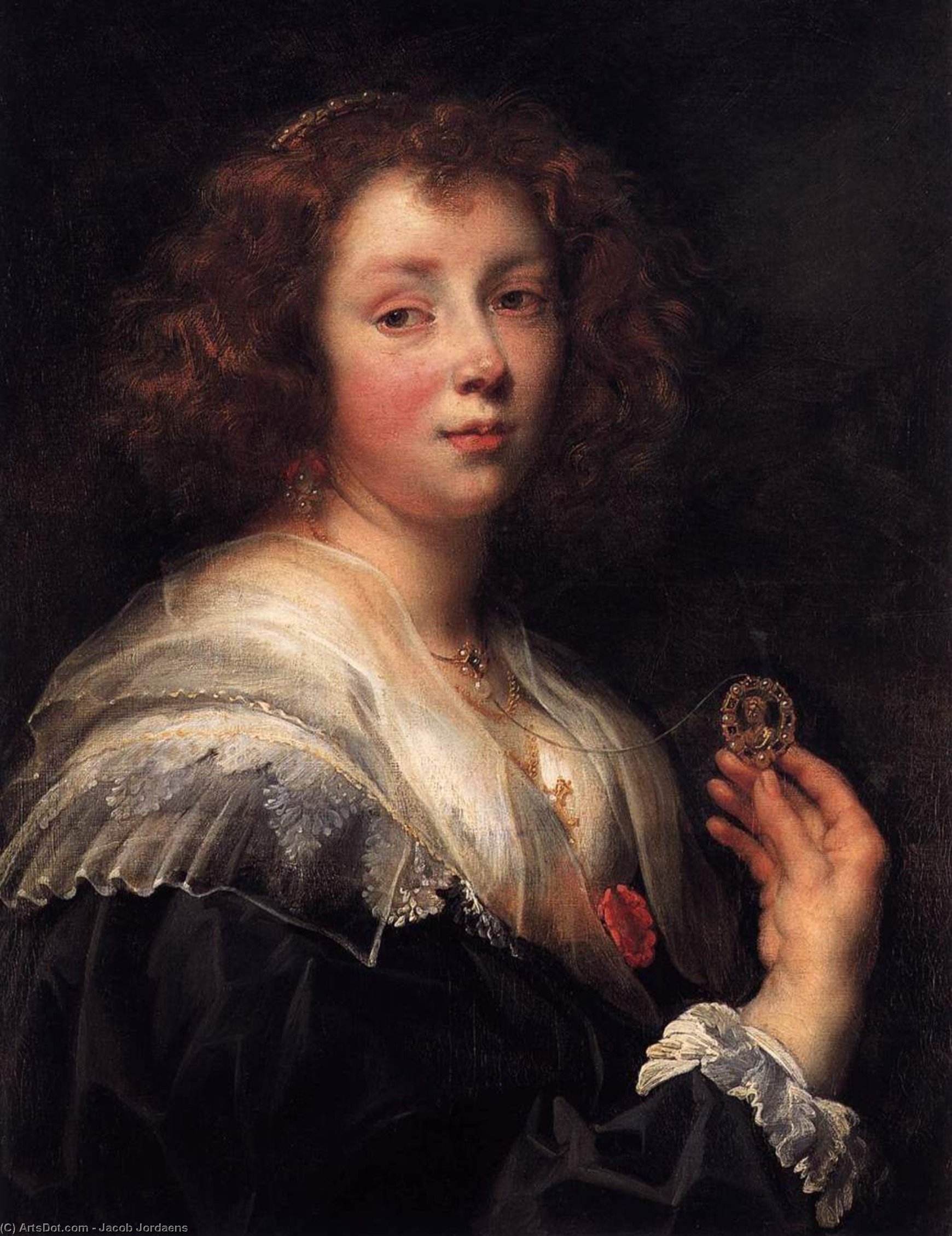
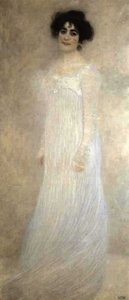
Portrait of the Artist's Daughter Elizabeth
 Acrylic On Canvas
- WallArt
- Baroque
 1637
1637 75.0 x 55.0 cm
 Academia de Artes Visuales de Viena
 Ver más
Reproducción al óleo hecha a mano
Óleo sobre lienzo pintado a mano en el tamaño y marco de su elección, realizado por encargo por nuestros artistas. ( Comprar impresión Comprar imagen)




P118B $10

P118H $10

P118W $10

P438Z $10

P508JH $12

P508YH $12

P805H $10

P805Z $10

P919BZ $10

P919G $10

P919XJ $10

P959ZH $10

P968JZ $12

W106C $8

W218G $10

W218JH $8

W218Y $10

W307PJ $10

W316G $10

W316PJ $8

W316Y $10

W398PJ $8

W4111J $10

W500HY $15

W500JH $15

W692G $12

W849H $8

W940BG $15

W953PJ $8




Elija entre nuestros tamaños predefinidos que respetan las proporciones originales de la obra.

Puede ingresar sus propias dimensiones para adaptarse a un marco o espacio específico. Si el tamaño seleccionado no coincide con las proporciones de la imagen original, recortaremos la obra o extenderemos la pintura con elementos adicionales pintados a mano. Se le enviará una maqueta digital para su aprobación antes de comenzar la producción.
Tenga en cuenta que la vista previa en pantalla no refleja el recorte o la extensión reales. Solo la maqueta mostrará con precisión la composición final.
Si bien existen tamaños personalizados, recomendamos seleccionar una dimensión de la lista predefinida para preservar las proporciones originales.
Tras realizar el pedido, el equipo de ArtsDot.com enviará un correo electrónico al cliente para solicitar instrucciones y proporcionarle una vista previa del boceto.
Envío a todo el mundo () en 3-4 semanas en lugar de las 5 semanas estándar. (5 septiembre). Sin comprometer la calidad.

Envío exprés gratuito a todo el mundo

Lienzo de lino de alta calidad

Seguro de envío total

Garantía de reembolso de impuestos aduaneros

Garantía de fidelidad cromática exacta

Política de devolución de 60 días (solo por defectos)

Garantía de devolución del 100% del dinero

Descuento por cantidad
 La opción de vidrio solo está disponible en tamaños inferiores a 110 cm.

Portrait of the Artist's Daughter Elizabeth
Técnica de reproducción
Dimensiones de la reproducción
-


Precio total final
$ 263
Portrait of the Artist’s Daughter Elizabeth – A Viennese Jewel
Jacob Jordaens' "Portrait of the Artist’s Daughter Elizabeth," painted in 1640, isn’t merely a likeness; it’s a carefully constructed tableau brimming with symbolic resonance and a palpable sense of quiet dignity. This captivating work, housed within the confines of a private collection, offers a rare glimpse into the domestic life of a prominent Antwerp family during a pivotal era in Flemish art. Jordaens, known for his vibrant depictions of everyday scenes and his masterful command of light and shadow, here presents Elizabeth, around twenty years old, not as a passive subject but as an active participant within her own narrative.
The painting immediately draws the eye to Elizabeth’s face – a study in serene composure. Her gaze, subtly directed towards the viewer, conveys both intelligence and a hint of melancholy. The delicate rendering of her features—the slight tilt of her head, the subtle curve of her lips—reveals an artist deeply attuned to capturing the nuances of human expression. Her attire, a simple yet elegant black dress, speaks volumes about her social standing and the prevailing fashion of the time. The inclusion of a piece of jewelry, likely a brooch or pendant, adds a touch of opulence without overwhelming the overall composition.
A Master’s Technique – Light, Shadow, and Composition
Jordaens' skill lies not just in his ability to reproduce a likeness but in his masterful manipulation of light and shadow. He employs a technique known as *chiaroscuro*, dramatically contrasting areas of illumination with deep shadows, creating a sense of depth and volume that brings the portrait to life. The soft glow emanating from Elizabeth’s face highlights her features while simultaneously enveloping the background in a gentle haze. This interplay of light and dark not only enhances the realism of the painting but also contributes significantly to its emotional impact.
The composition itself is carefully considered. Jordaens utilizes a pyramidal structure, with Elizabeth as the central focal point, drawing the viewer’s eye directly to her face. The background, featuring a wall adorned with a clock and a subtle suggestion of a window, provides context without distracting from the primary subject. Note the meticulous detail in the rendering of the architectural elements – a testament to Jordaens' attention to accuracy and his understanding of perspective.
Historical Context & Symbolism
Painted in 1640, “Portrait of the Artist’s Daughter Elizabeth” reflects the burgeoning artistic landscape of Antwerp during the Dutch Golden Age. Jordaens was a leading figure within the city's vibrant art scene, known for his ability to capture both the grandeur and the intimacy of everyday life. The portrait also speaks to the social dynamics of the time – the importance of family, wealth, and status. Elizabeth’s youth and beauty were undoubtedly valued assets within her family.
The inclusion of the clock in the background is particularly significant. Clocks were symbols of time, order, and control—values highly prized by the wealthy elite. It subtly reinforces Elizabeth's position as a member of a respected household. The subtle suggestion of a window hints at a world beyond the confines of the domestic sphere, perhaps alluding to her future role within society.
A Legacy – Research & Inspiration
Numerous resources illuminate Jordaens’ life and work, offering deeper insights into this captivating portrait. The Web Gallery of Art (
The portrait stands as a testament to Jordaens' artistic skill and his ability to capture not just a likeness but also the essence of human character. It is a poignant reminder of a bygone era and a captivating window into the lives of those who shaped it.
Obras relacionadas

Biografía del artista
Primeros años y formación
Jacob Jordaens, un destacado pintor flamenco, nació el 19 de mayo de 1593 en Amberes, Bélgica. Fue el primogénito de once hijos de Jacob Jordaens sr., un próspero comerciante de lino, y Barbara van Wolschaten. Se sabe poco sobre su educación temprana, pero se puede asumir que recibió las ventajas de la educación normalmente proporcionada a los niños de su clase social.Influencias artísticas y estilo
Jordaens estuvo influenciado por pintores italianos del norte como Jacopo Bassano, Paolo Veronese y Caravaggio. Su obra se caracteriza por una tendencia hacia un mayor realismo, el hacinamiento de la superficie de sus composiciones y una preferencia por lo burlesco. El estilo de Jordaens se diferencia de sus contemporáneos por su uso de una paleta cálida, naturalismo y dominio del claroscuro y el tenebrismo.Obras notables y encargos
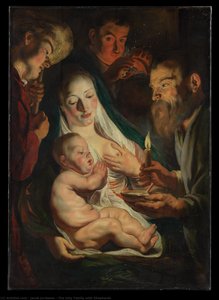
- La Adoración de los Pastores (óleo sobre lienzo, 205 x 269 cm), una pintura que muestra la capacidad de Jordaens para capturar la esencia de la experiencia humana.
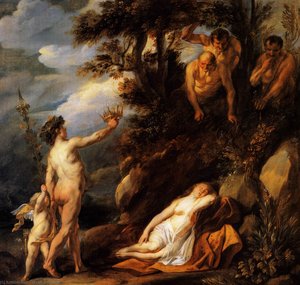
- Argos y Mercurio (barroco, óleo), una obra que demuestra su dominio del estilo barroco.
Desarrollo artístico y logros
Jordaens comenzó su carrera como aprendiz de Adam van Noort, pero pronto se vio influenciado por el estilo exuberante de Peter Paul Rubens. Trabajó como asistente de Rubens durante varios años, aprendiendo sus técnicas y absorbiendo su energía dinámica. Después de la muerte de Rubens en 1640, Jordaens emergió como el principal pintor flamenco, asumiendo muchos encargos importantes. Su obra evolucionó desde una imitación inicial del estilo de Rubens hacia un enfoque más personal que se caracterizaba por escenas de género animadas y alegorías llenas de vida. Su capacidad para representar la vida cotidiana con realismo y humor lo hizo muy popular entre los clientes, tanto religiosos como seculares.Significado histórico e influencia
La importancia de Jordaens puede verse en el número de sus alumnos; la hermandad de San Lucas registra quince alumnos oficiales desde 1621 hasta 1667. Su trabajo influyó en Jan Steen, y sus temas campesinos inspirados en la claseica han tenido un impacto duradero en el mundo del arte. Jordaens es recordado como uno de los pintores más importantes del Barroco flamenco, conocido por su realismo, vitalidad y capacidad para capturar el espíritu de su época.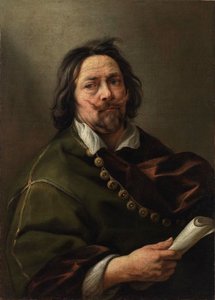
Jacob Jordaens
1593 - 1678 , Bélgica
Datos clave
- Artistas Influenciados: ['Jan Steen']
- Artistas Que Influyeron:
- Jacopo Bassano
- Paolo Veronese
- Caravaggio
- Fecha De Nacimiento: 19 de mayo de 1593
- Lugar De Nacimiento: Amberes, Bélgica
- Movimiento Artístico: Barroco
- Nacionalidad: Belga
- Nombre Completo: Jacob Jordaens
- Obras Notables:
- La adoración de los pastores
- Argos y Mercurio
- El revel de Baco y Sileno
Artículos relacionados
Gustav Klimt: Las 25 Obras Maestras que Definen un Ícono del Arte Moderno | ArtsDot
Descubre las 25 obras maestras de Gustav Klimt, ícono del simbolismo y Art Nouveau. Explora 'El Beso', 'Judith' y más. Reproducciones de arte en ArtsDot.com para decorar tu hogar con elegancia. ¡Inspírate!
Art Nouveau: 10 Obras Maestras que Definieron un Movimiento Revolucionario |
Descubre las 10 obras maestras del Art Nouveau que revolucionaron el arte. Explora la belleza de Mucha, Klimt y más. Reproducciones de museo en para un hogar con estilo. ¡Inspírate ahora!
The Grandeur of Baroque Portraiture: Power, Emotion & Artistic Innovation
Explore the grandeur of Baroque portraiture! Discover Rubens, Van Dyck & the masters of 17th-century art. Uncover symbolism, techniques & lasting influence. Expert insights for collectors and enthusiasts.
Gustav Klimt: A Golden Legacy of Sensuality & Symbolism in Viennese Art
Explore the captivating world of Gustav Klimt with ArtsDot. Discover his iconic paintings, the Vienna Secession movement, & enduring legacy. High-quality reproductions available.

Barroco Sublime: 10 Obras Maestras que Definieron una Época |
Descubre las 10 obras maestras del Barroco que marcaron una época. Caravaggio, Bernini y Velázquez cobran vida en . Reproducciones de arte de calidad museo para decorar tu hogar con elegancia. ¡Explora la colección online!