 Ver en contexto
 Enviar
 Compartir
 Detalles

 Descargar
 Similares
 Radiografía
 Presentación de diapositivas
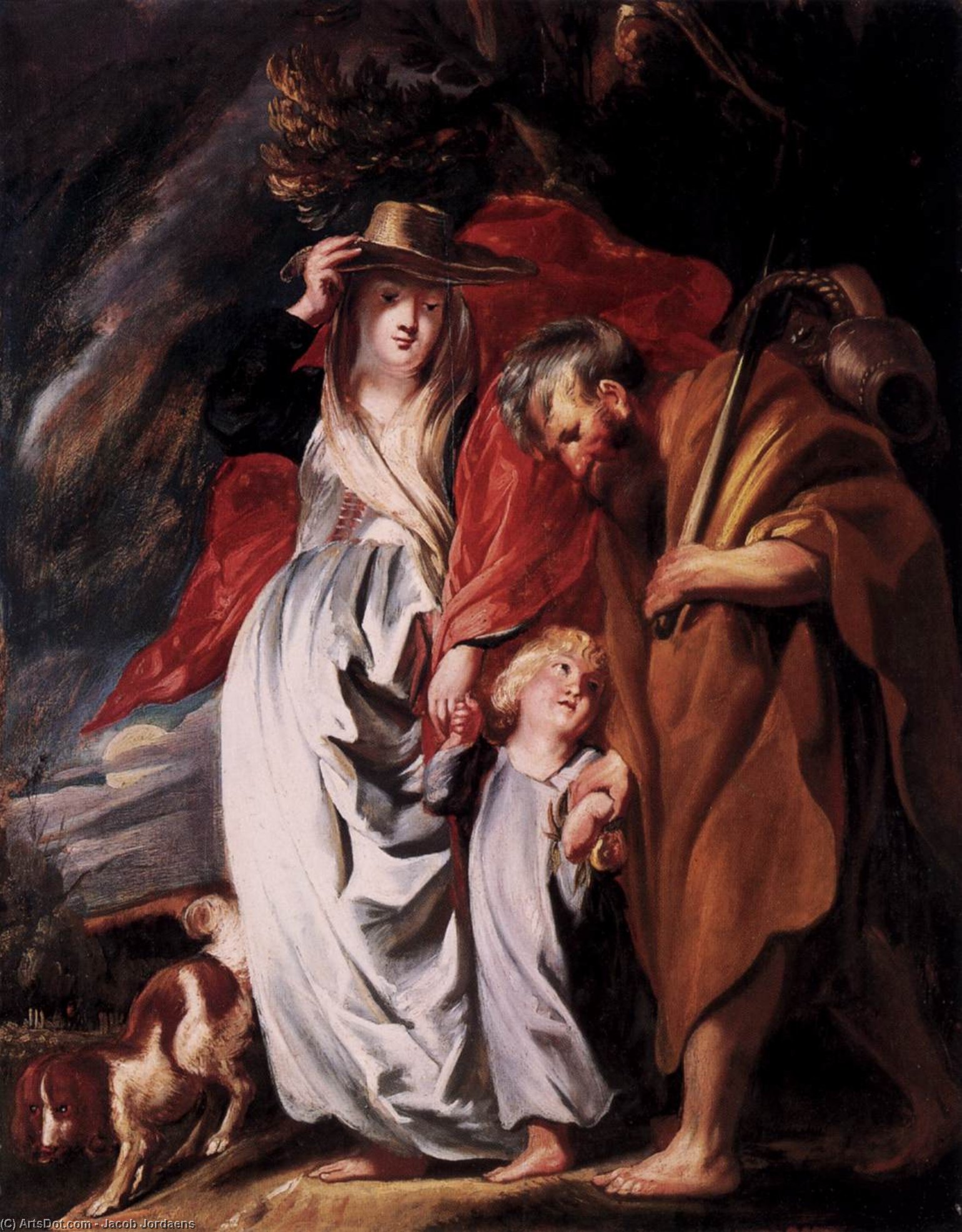
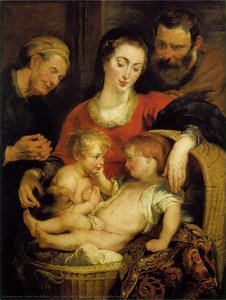
Return of the Holy Family from Egypt
 Oil
Oil- WallArt
- Baroque Style
 1616
1616- Early Modern
 63.0 x 50.0 cm
 Staatliche Museen zu Berlin
 Ver más
Giclée / Impresión de arte
Impresiones giclée o en lienzo de calidad de museo con producción rápida y opciones de acabado flexibles. ( Comprar pintura hecha a mano Comprar imagen)




P118B $10

P118H $10

P118W $10

P438Z $10

P508JH $12

P508YH $12

P805H $10

P805Z $10

P919BZ $10

P919G $10

P919XJ $10

P959ZH $10

P968JZ $12

W106C $8

W218G $10

W218JH $8

W218Y $10

W307PJ $10

W316G $10

W316PJ $8

W316Y $10

W398PJ $8

W4111J $10

W500HY $15

W500JH $15

W692G $12

W849H $8

W940BG $15

W953PJ $8




Elija entre nuestros tamaños predefinidos que respetan las proporciones originales de la obra.

Puede introducir sus propias dimensiones para adaptarse a un marco o espacio específico. Si el tamaño seleccionado no coincide con las proporciones de la imagen original, recortaremos la obra de arte o extenderemos la imagen con un borde con efecto espejo o de color sólido. Se enviará una maqueta digital para su aprobación antes de que comience la producción.
Tenga en cuenta que la vista previa en pantalla no refleja el recorte o la extensión real. Solo la maqueta mostrará con precisión la composición final.
Aunque existen tamaños personalizados, recomendamos seleccionar una dimensión de la lista predefinida para preservar las proporciones originales.
Envío a todo el mundo () en 2 semanas en lugar de las 4/5 semanas estándar. (31 agosto)

Envío exprés gratuito a todo el mundo

Lienzo de lino de alta calidad

Seguro de envío total

Garantía de reembolso de impuestos aduaneros

Garantía de fidelidad cromática exacta

Política de devolución de 60 días (solo por defectos)

Garantía de devolución del 100% del dinero

Descuento por cantidad
 La opción de vidrio solo está disponible en tamaños inferiores a 110 cm.

Return of the Holy Family from Egypt
Giclée / Impresión de arte
Dimensiones de la reproducción
-


Precio total final
$ 62
A Journey of Faith and Earthy Splendor
In the heart of the Flemish Baroque era, few artists could capture the profound intersection of the divine and the everyday as masterfully as Jacob Jordaens. His 1616 masterpiece, Return of the Holy Family from Egypt, serves as a breathtaking window into a moment of transition and relief. The painting does not merely depict a biblical event; it invites the viewer to walk alongside Mary, Joseph, and the infant Jesus as they conclude their arduous pilgrimage. There is a palpable sense of movement within the frame, a rhythmic progression across a landscape that feels both spiritually significant and intimately familiar. Jordaens avoids the cold, detached grandeur often found in Italian Renaissance works, opting instead for a robust, grounded realism that celebrates the textures of life—the coarse fabric of traveling clothes, the sturdy weight of a donkey laden with provisions, and the soft, shifting light of a Flemish afternoon.
The composition is a triumph of balanced storytelling. As the Holy Family navigates their path back toward Nazareth, Jordaens strategically positions figures to guide the eye through a narrative of togetherness. The presence of attendants and the rhythmic placement of travelers create a sense of communal support, suggesting that even the most sacred journeys are shared experiences. A subtle yet poignant detail resides in the bottom left corner: a loyal dog sits patiently, acting as a silent witness to the family's return. This small inclusion is more than mere decoration; it serves as a powerful symbol of fidelity and companionship, grounding the miraculous narrative in the recognizable emotions of domestic life and steadfast devotion.
The Mastery of Flemish Realism and Light
Technically, this work stands as a testament to Jordaens’ ability to synthesize the dramatic influence of Peter Paul Rubens with his own unique, earthy sensibility. He employs chiaroscuro—the dramatic interplay between light and shadow—not just to create depth, but to sculpt emotion. The light does not simply illuminate the scene; it caresses the faces of the Holy Family, highlighting the weariness of their travels and the quiet joy of their homecoming. His palette is rich and warm, favoring deep ochres, soft terracottas, and verdant greens that evoke a sense of organic vitality. This mastery of color and light ensures that the painting possesses a tactile quality, making the dust of the road and the warmth of the sun feel almost tangible to the observer.
For the discerning collector or interior designer, this piece offers much more than historical value; it provides an emotional anchor for any space. The artwork’s ability to evoke serenity, resilience, and unity makes it a profound addition to a curated collection. Whether placed in a sunlit gallery or a sophisticated study, the painting radiates a timeless elegance that transcends eras. It is a work that rewards repeated viewing, offering new layers of meaning with every glance at its meticulous details. To possess a reproduction of such a masterpiece is to bring a piece of the Baroque soul into the modern home, fostering an atmosphere of contemplative beauty and enduring grace.
Obras relacionadas
Biografía del artista
Primeros años y formación
Jacob Jordaens, un destacado pintor flamenco, nació el 19 de mayo de 1593 en Amberes, Bélgica. Fue el primogénito de once hijos de Jacob Jordaens sr., un próspero comerciante de lino, y Barbara van Wolschaten. Se sabe poco sobre su educación temprana, pero se puede asumir que recibió las ventajas de la educación normalmente proporcionada a los niños de su clase social.Influencias artísticas y estilo
Jordaens estuvo influenciado por pintores italianos del norte como Jacopo Bassano, Paolo Veronese y Caravaggio. Su obra se caracteriza por una tendencia hacia un mayor realismo, el hacinamiento de la superficie de sus composiciones y una preferencia por lo burlesco. El estilo de Jordaens se diferencia de sus contemporáneos por su uso de una paleta cálida, naturalismo y dominio del claroscuro y el tenebrismo.Obras notables y encargos
- La Adoración de los Pastores (óleo sobre lienzo, 205 x 269 cm), una pintura que muestra la capacidad de Jordaens para capturar la esencia de la experiencia humana.
- Argos y Mercurio (barroco, óleo), una obra que demuestra su dominio del estilo barroco.
Desarrollo artístico y logros
Jordaens comenzó su carrera como aprendiz de Adam van Noort, pero pronto se vio influenciado por el estilo exuberante de Peter Paul Rubens. Trabajó como asistente de Rubens durante varios años, aprendiendo sus técnicas y absorbiendo su energía dinámica. Después de la muerte de Rubens en 1640, Jordaens emergió como el principal pintor flamenco, asumiendo muchos encargos importantes. Su obra evolucionó desde una imitación inicial del estilo de Rubens hacia un enfoque más personal que se caracterizaba por escenas de género animadas y alegorías llenas de vida. Su capacidad para representar la vida cotidiana con realismo y humor lo hizo muy popular entre los clientes, tanto religiosos como seculares.Significado histórico e influencia
La importancia de Jordaens puede verse en el número de sus alumnos; la hermandad de San Lucas registra quince alumnos oficiales desde 1621 hasta 1667. Su trabajo influyó en Jan Steen, y sus temas campesinos inspirados en la claseica han tenido un impacto duradero en el mundo del arte. Jordaens es recordado como uno de los pintores más importantes del Barroco flamenco, conocido por su realismo, vitalidad y capacidad para capturar el espíritu de su época.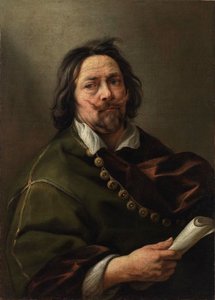
Jacob Jordaens
1593 - 1678 , Bélgica
Datos clave
- Artistas Influenciados: ['Jan Steen']
- Artistas Que Influyeron:
- Jacopo Bassano
- Paolo Veronese
- Caravaggio
- Fecha De Nacimiento: 19 de mayo de 1593
- Lugar De Nacimiento: Amberes, Bélgica
- Movimiento Artístico: Barroco
- Nacionalidad: Belga
- Nombre Completo: Jacob Jordaens
- Obras Notables:
- La adoración de los pastores
- Argos y Mercurio
- El revel de Baco y Sileno
Artículos relacionados

El Óleo sobre Lienzo: Historia, Técnica y la Persistencia de un Medio Artístico Atemporal
Descubre la historia y técnica del óleo sobre lienzo. Explora reproducciones fieles hechas a mano, personalización artística y consejos de expertos con ArtsDot. ¡Colecciona arte con confianza!

The Enduring Power of Painting: A Historical & Contemporary Exploration of Form and Emotion
Explore the rich history & enduring techniques of oil painting with ArtsDot. Discover masterpieces, learn about art collecting, and find authentic handmade reproductions crafted by skilled artists.

Drama Barroca: Llevando la Grandeza y la Emoción a los Interiores Contemporáneos
Descubre cómo el drama y la grandeza del arte barroco pueden transformar tus interiores. Guía experta, inspiración y reproducciones de alta calidad en .

The Visceral Stage: Exploring Dramatic Narratives & Emotional Intensity in Baroque Art
Explore the dramatic world of Baroque art! Discover iconic masters like Caravaggio & Rembrandt, their techniques, and the movement's lasting impact. Expert insights for collectors & enthusiasts at ArtsDot.

The Dramatic Flourish: Exploring the Baroque Movement's Enduring Legacy in Art History
Explore the dramatic world of Baroque art! Discover iconic artists like Caravaggio & Rubens, defining techniques, and its lasting impact on art history. Expert insights for collectors & enthusiasts at ArtsDot.