 Ver en contexto
 Enviar
 Compartir
 Detalles

 Descargar
 Similares
 Radiografía
 Presentación de diapositivas
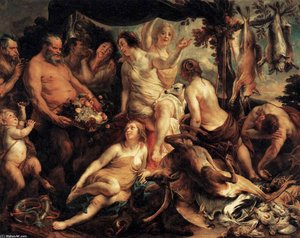
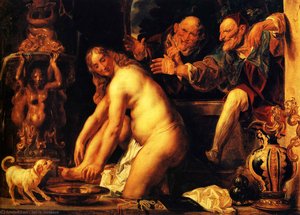
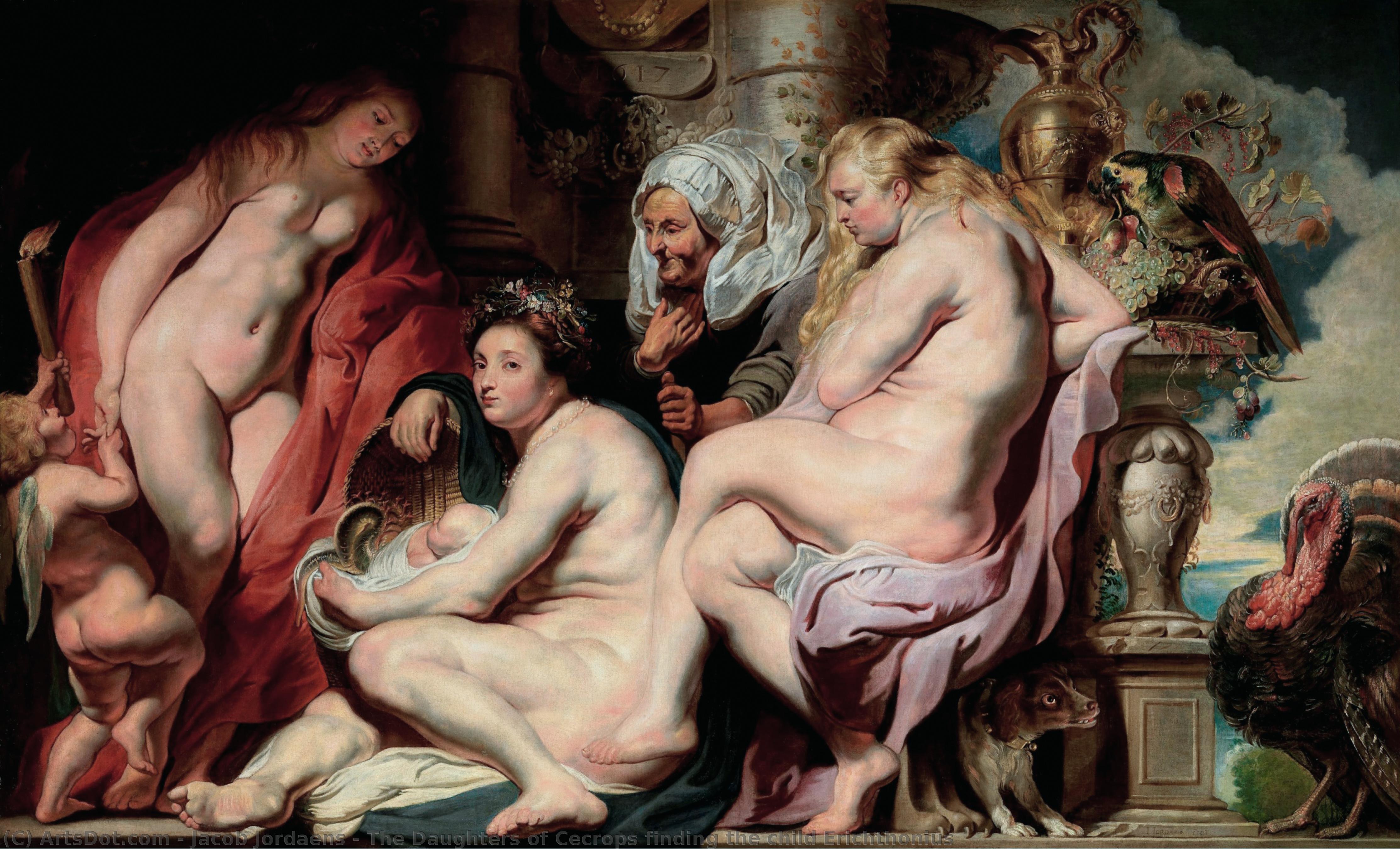
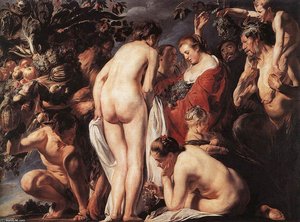
The Daughters of Cecrops finding the child Erichthonius
 Oil On Canvas
- WallArt
- Baroque
 1617
1617 172.0 x 283.0 cm
 Real Museo de las Bellas Artes de Amberes
 Ver más
Reproducción al óleo hecha a mano
Óleo sobre lienzo pintado a mano en el tamaño y marco de su elección, realizado por encargo por nuestros artistas. ( Comprar impresión Comprar imagen)




P118B $10

P118H $10

P118W $10

P438Z $10

P508JH $12

P508YH $12

P805H $10

P805Z $10

P919BZ $10

P919G $10

P919XJ $10

P959ZH $10

P968JZ $12

W106C $8

W218G $10

W218JH $8

W218Y $10

W307PJ $10

W316G $10

W316PJ $8

W316Y $10

W398PJ $8

W4111J $10

W500HY $15

W500JH $15

W692G $12

W849H $8

W940BG $15

W953PJ $8




Elija entre nuestros tamaños predefinidos que respetan las proporciones originales de la obra.

Puede ingresar sus propias dimensiones para adaptarse a un marco o espacio específico. Si el tamaño seleccionado no coincide con las proporciones de la imagen original, recortaremos la obra o extenderemos la pintura con elementos adicionales pintados a mano. Se le enviará una maqueta digital para su aprobación antes de comenzar la producción.
Tenga en cuenta que la vista previa en pantalla no refleja el recorte o la extensión reales. Solo la maqueta mostrará con precisión la composición final.
Si bien existen tamaños personalizados, recomendamos seleccionar una dimensión de la lista predefinida para preservar las proporciones originales.
Tras realizar el pedido, el equipo de ArtsDot.com enviará un correo electrónico al cliente para solicitar instrucciones y proporcionarle una vista previa del boceto.
Envío a todo el mundo () en 3-4 semanas en lugar de las 5 semanas estándar. (24 agosto). Sin comprometer la calidad.

Envío exprés gratuito a todo el mundo

Lienzo de lino de alta calidad

Seguro de envío total

Garantía de reembolso de impuestos aduaneros

Garantía de fidelidad cromática exacta

Política de devolución de 60 días (solo por defectos)

Garantía de devolución del 100% del dinero

Descuento por cantidad
 La opción de vidrio solo está disponible en tamaños inferiores a 110 cm.

The Daughters of Cecrops finding the child Erichthonius
Técnica de reproducción
Dimensiones de la reproducción
-


Precio total final
$ 313
Descripción de la obra
A Symphony of Flesh and Light: Exploring Jacob Jordaens’ “The Daughters of Cecrops Finding Erichthonius”
“The Daughters of Cecrops Finding Erichthonius,” painted in 1617 by Jacob Jordaens, stands as a testament to the exuberant spirit of Flemish Baroque art—a visual feast that transcends mere depiction and delves into profound themes of mythology, fertility, and divine grace. More than just a beautiful image, it’s an immersive experience for the viewer, meticulously crafted with masterful technique and imbued with symbolic resonance.The Mythological Narrative: Echoes of Ancient Greece
At its core lies a retelling of a Greek myth—the tale of Cecrops, the king of Athens, who mated with Phoenicia, resulting in twins: Erichthonius, the divine child destined to rule Athens, and Acrisia, daughter of Cecrops. The painting captures the pivotal moment when the daughters of Cecrops embark on a quest to discover Erichthonius, symbolizing the pursuit of knowledge, faith, and the fulfillment of prophecy. Jordaens skillfully employs classical iconography—the crumbling column representing wisdom eroded by time—to underscore the importance of preserving tradition and honoring ancestral heritage. The scene unfolds within an opulent architectural setting, mirroring the grandeur of Athenian palaces during the Renaissance period.Baroque Style: Drama and Emotion Embodied
Jordaens’ artistic vision firmly anchors itself in the Baroque style, characterized by dramatic lighting, dynamic poses, and a heightened sense of emotion. Observe how light cascades across the figures, illuminating their flesh tones with an almost palpable warmth—a deliberate choice designed to evoke feelings of compassion and admiration. The artist utilizes chiaroscuro – the interplay between light and shadow – to sculpt the forms of his subjects, creating depth and volume that draws the eye inward. The composition is deliberately crowded, reflecting the Baroque penchant for complexity and conveying a sense of theatrical grandeur. Unlike earlier Renaissance art which prioritized idealized beauty, Jordaens embraces imperfection, portraying human figures with realistic musculature and expressive gestures.Technical Mastery: Detail and Texture Unleashed
The painting’s technical brilliance lies in its meticulous attention to detail and texture. Jordaens employs oil paints on canvas with unparalleled skill, layering pigments to achieve astonishing realism. The drapery is rendered with painstaking accuracy—folds ripple realistically, conveying movement and suggesting the weight of fabric. Skin tones are subtly shaded to capture variations in light and shadow, creating a convincing illusion of flesh. Furthermore, Jordaens’ brushwork is loose and expressive, injecting vitality into the scene and reflecting the artist's emotional engagement with his subject matter. The artist’s mastery extends beyond mere representation; he strives to convey not just what he sees but how he feels—a hallmark of Baroque painting that distinguishes it from its predecessors.Symbolism: Fertility, Divine Intervention, and Eternal Beauty
Beyond its visual splendor, “The Daughters of Cecrops Finding Erichthonius” is rich in symbolic meaning. The angel figure hovering above represents divine providence—God’s watchful care guiding humanity toward salvation. The abundance of fruit symbolizes fertility and prosperity, reflecting the Renaissance humanist belief in human potential and achievement. Most importantly, the painting celebrates beauty itself—a timeless ideal embodied in the idealized forms of the women depicted. Jordaens' depiction of Erichthonius is serene and noble, symbolizing divine grace and embodying the virtues associated with kingship.Emotional Impact: A Vision of Sublime Grandeur
Ultimately, “The Daughters of Cecrops Finding Erichthonius” succeeds in transporting the viewer to another realm—a space infused with emotion and grandeur. The painting’s luminous colors and dramatic lighting evoke feelings of awe and wonder, capturing the sublime beauty that characterizes Baroque art. It invites contemplation on themes of faith, heritage, and human aspiration—leaving a lasting impression on anyone who encounters its captivating artistry. This masterpiece continues to inspire artists and collectors alike, cementing Jordaens' place as one of the foremost figures in Flemish Baroque painting.Obras relacionadas
Biografía del artista
Primeros años y formación
Jacob Jordaens, un destacado pintor flamenco, nació el 19 de mayo de 1593 en Amberes, Bélgica. Fue el primogénito de once hijos de Jacob Jordaens sr., un próspero comerciante de lino, y Barbara van Wolschaten. Se sabe poco sobre su educación temprana, pero se puede asumir que recibió las ventajas de la educación normalmente proporcionada a los niños de su clase social.Influencias artísticas y estilo
Jordaens estuvo influenciado por pintores italianos del norte como Jacopo Bassano, Paolo Veronese y Caravaggio. Su obra se caracteriza por una tendencia hacia un mayor realismo, el hacinamiento de la superficie de sus composiciones y una preferencia por lo burlesco. El estilo de Jordaens se diferencia de sus contemporáneos por su uso de una paleta cálida, naturalismo y dominio del claroscuro y el tenebrismo.Obras notables y encargos
- La Adoración de los Pastores (óleo sobre lienzo, 205 x 269 cm), una pintura que muestra la capacidad de Jordaens para capturar la esencia de la experiencia humana.
- Argos y Mercurio (barroco, óleo), una obra que demuestra su dominio del estilo barroco.
Desarrollo artístico y logros
Jordaens comenzó su carrera como aprendiz de Adam van Noort, pero pronto se vio influenciado por el estilo exuberante de Peter Paul Rubens. Trabajó como asistente de Rubens durante varios años, aprendiendo sus técnicas y absorbiendo su energía dinámica. Después de la muerte de Rubens en 1640, Jordaens emergió como el principal pintor flamenco, asumiendo muchos encargos importantes. Su obra evolucionó desde una imitación inicial del estilo de Rubens hacia un enfoque más personal que se caracterizaba por escenas de género animadas y alegorías llenas de vida. Su capacidad para representar la vida cotidiana con realismo y humor lo hizo muy popular entre los clientes, tanto religiosos como seculares.Significado histórico e influencia
La importancia de Jordaens puede verse en el número de sus alumnos; la hermandad de San Lucas registra quince alumnos oficiales desde 1621 hasta 1667. Su trabajo influyó en Jan Steen, y sus temas campesinos inspirados en la claseica han tenido un impacto duradero en el mundo del arte. Jordaens es recordado como uno de los pintores más importantes del Barroco flamenco, conocido por su realismo, vitalidad y capacidad para capturar el espíritu de su época.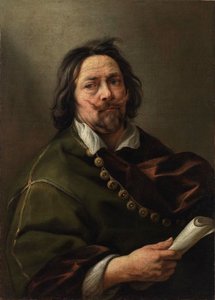
Jacob Jordaens
1593 - 1678 , Bélgica
Datos clave
- Artistas Influenciados: ['Jan Steen']
- Artistas Que Influyeron:
- Jacopo Bassano
- Paolo Veronese
- Caravaggio
- Fecha De Nacimiento: 19 de mayo de 1593
- Lugar De Nacimiento: Amberes, Bélgica
- Movimiento Artístico: Barroco
- Nacionalidad: Belga
- Nombre Completo: Jacob Jordaens
- Obras Notables:
- La adoración de los pastores
- Argos y Mercurio
- El revel de Baco y Sileno
Artículos relacionados
Jacob Jordaens: Baroque Dynamism & Genre Innovation of the Antwerp School
Discover Jacob Jordaens, a leading Flemish Baroque painter renowned for his dynamic compositions & realistic genre scenes. Explore his life, art, and lasting influence with ArtsDot.
Baroque Classicism: Reconciling Drama & Order in 17th-Century Art
Explore the captivating world of Baroque Classicism! Discover its history, key artists like Caravaggio & Rubens, and defining characteristics. Expert insights & high-quality reproductions at ArtsDot.
The Enduring Allure of the Nude: A Historical & Artistic Exploration of the Human Form
Explore the captivating history of nude art! Discover iconic paintings & artists from classical to modern eras. Uncover symbolism, techniques & find museum-quality reproductions at ArtsDot.
Echoes of Olympus: Mythological Narratives in Western Art Through the Ages
Explore the captivating history of mythological narratives in Western art! From ancient Greece to modern masterpieces, discover iconic artworks & symbolism. Expert analysis and high-quality reproductions at ArtsDot.

Drama Barroca: Llevando la Grandeza y la Emoción a los Interiores Contemporáneos
Descubre cómo el drama y la grandeza del arte barroco pueden transformar tus interiores. Guía experta, inspiración y reproducciones de alta calidad en .