 Ver en contexto
 Enviar
 Compartir
 Detalles

 Descargar
 Similares
 Radiografía
 Presentación de diapositivas
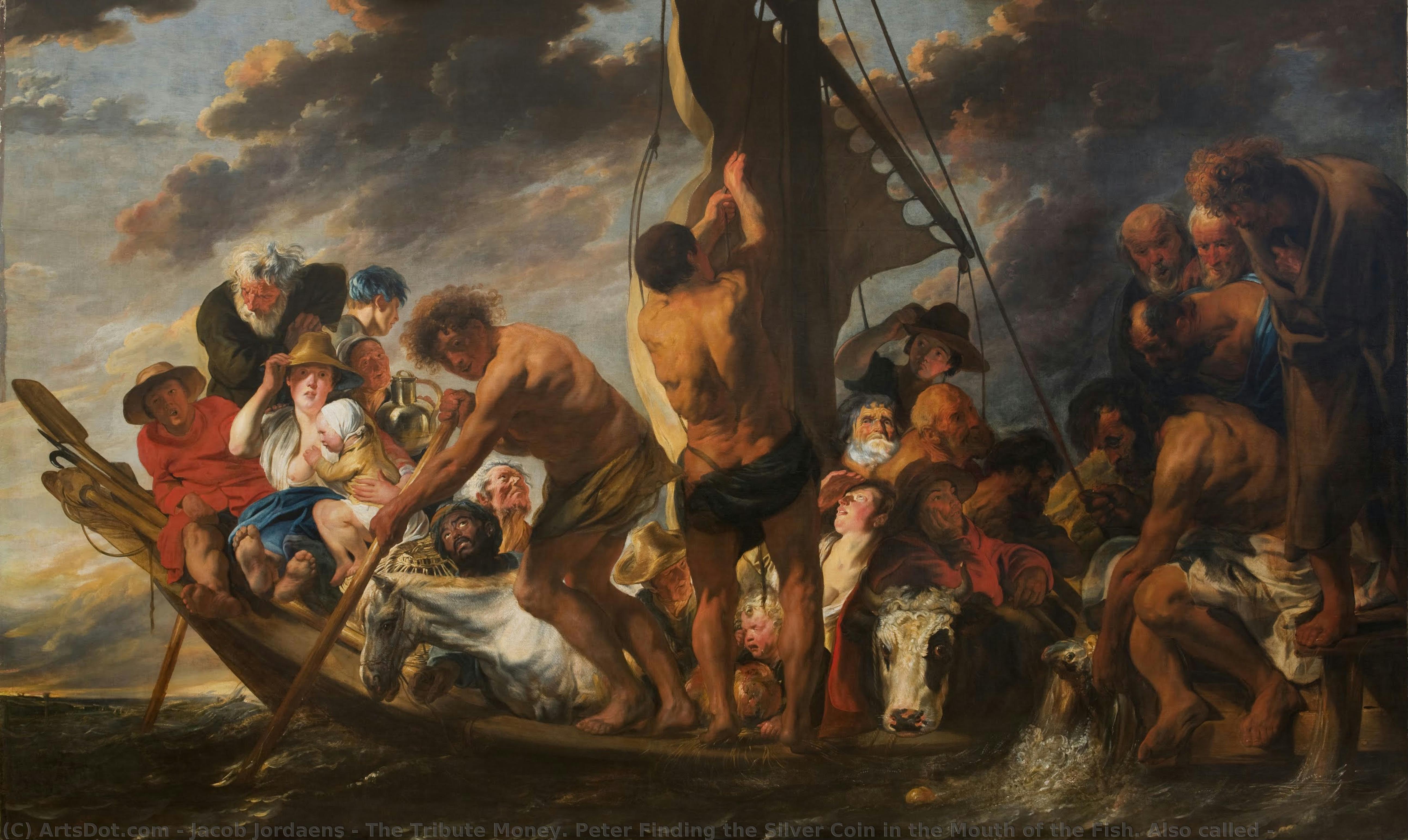
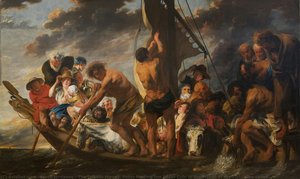
The Tribute Money. Peter Finding the Silver Coin in the Mouth of the Fish. Also called
 Oil On Canvas
- WallArt
- Flemish Baroque
 1634
1634 467.0 x 279.0 cm
 Galería Nacional de Dinamarca
 Ver más
Giclée / Impresión de arte
Impresiones giclée o en lienzo de calidad de museo con producción rápida y opciones de acabado flexibles. ( Comprar pintura hecha a mano Comprar imagen)




P118B $10

P118H $10

P118W $10

P438Z $10

P508JH $12

P508YH $12

P805H $10

P805Z $10

P919BZ $10

P919G $10

P919XJ $10

P959ZH $10

P968JZ $12

W106C $8

W218G $10

W218JH $8

W218Y $10

W307PJ $10

W316G $10

W316PJ $8

W316Y $10

W398PJ $8

W4111J $10

W500HY $15

W500JH $15

W692G $12

W849H $8

W940BG $15

W953PJ $8




Elija entre nuestros tamaños predefinidos que respetan las proporciones originales de la obra.

Puede introducir sus propias dimensiones para adaptarse a un marco o espacio específico. Si el tamaño seleccionado no coincide con las proporciones de la imagen original, recortaremos la obra de arte o extenderemos la imagen con un borde con efecto espejo o de color sólido. Se enviará una maqueta digital para su aprobación antes de que comience la producción.
Tenga en cuenta que la vista previa en pantalla no refleja el recorte o la extensión real. Solo la maqueta mostrará con precisión la composición final.
Aunque existen tamaños personalizados, recomendamos seleccionar una dimensión de la lista predefinida para preservar las proporciones originales.
Envío a todo el mundo () en 2 semanas en lugar de las 4/5 semanas estándar. (24 agosto)

Envío exprés gratuito a todo el mundo

Lienzo de lino de alta calidad

Seguro de envío total

Garantía de reembolso de impuestos aduaneros

Garantía de fidelidad cromática exacta

Política de devolución de 60 días (solo por defectos)

Garantía de devolución del 100% del dinero

Descuento por cantidad
 La opción de vidrio solo está disponible en tamaños inferiores a 110 cm.

The Tribute Money. Peter Finding the Silver Coin in the Mouth of the Fish. Also called
Giclée / Impresión de arte
Dimensiones de la reproducción
-


Precio total final
$ 62
Descripción de la pieza
Jacob Jordaens’s “The Tribute Money”: A Flemish Masterpiece of Everyday Life
Jacob Jordaens's "The Tribute Money," painted in 1634, is more than just a biblical scene; it’s a vibrant snapshot of 17th-century Flemish life rendered with remarkable detail and emotional depth. This large-scale oil on canvas, currently residing at the National Gallery of Denmark, offers a captivating glimpse into the world of ordinary people – fishermen, merchants, children, and animals – all interwoven within the narrative of Matthew’s Gospel. Jordaens, a key figure in the Flemish Baroque, eschewed the idealized grandeur favored by some of his contemporaries, instead choosing to depict a scene brimming with earthy realism and human interaction. The painting's power lies not just in its biblical subject matter but in its ability to transport us directly into the bustling portside environment of Capernaum, capturing the sights, sounds, and smells of daily life with astonishing accuracy.
A Narrative Rich in Symbolism
The composition itself is a masterful blend of religious narrative and everyday activity. The central event – Jesus instructing Peter to find a silver coin in the mouth of a fish – is powerfully rendered, yet it’s the surrounding chaos that truly elevates the work. The ferryboat, prominently featured and almost overflowing with its cargo, immediately anchors the scene in the tangible realities of Flemish commerce and transportation. This isn't a distant, ethereal depiction of biblical events; it’s a moment unfolding on a landing stage, where the practical concerns of trade and livelihood are inextricably linked to the miraculous. The inclusion of angels – subtly integrated into the crowd – adds another layer of complexity, suggesting a divine intervention within this ordinary setting. Jordaens skillfully uses light and shadow to draw attention to key figures, particularly Jesus and Peter, while simultaneously illuminating the diverse tapestry of human experience surrounding them.
Technique and Style: The Painter of Peasant Revelry
Jordaens’s style is characterized by its robust realism and dramatic use of color. His brushwork is loose and expressive, conveying a sense of movement and energy that is particularly evident in the depiction of the crowd and the churning water. He was heavily influenced by Adam van Noort, his former master, inheriting a meticulous technique but ultimately forging his own path with a focus on capturing the nuances of human emotion and the textures of everyday objects. The painting’s palette is rich and warm, dominated by earthy tones – browns, ochres, and reds – reflecting the materials and environment of the Flemish countryside. Jordaens's ability to portray both grandeur and intimacy within a single composition is a hallmark of his artistic genius, making "The Tribute Money" a truly remarkable achievement.
Historical Context and Legacy
"The Tribute Money" reflects the broader cultural trends of 17th-century Flanders, where artists were increasingly interested in depicting scenes of everyday life alongside religious subjects. This trend was fueled by a growing merchant class who valued realism and practicality. Jordaens’s work exemplifies this shift, offering a powerful commentary on faith, commerce, and the human condition. His legacy as “the Painter of Peasant Revelry” endures, solidifying his place among the most important figures in Flemish Baroque art. The painting's continued popularity speaks to its timeless appeal – a testament to Jordaens’s ability to capture the essence of humanity with both skill and sensitivity.
Obras relacionadas


Biografía del artista
Primeros años y formación
Jacob Jordaens, un destacado pintor flamenco, nació el 19 de mayo de 1593 en Amberes, Bélgica. Fue el primogénito de once hijos de Jacob Jordaens sr., un próspero comerciante de lino, y Barbara van Wolschaten. Se sabe poco sobre su educación temprana, pero se puede asumir que recibió las ventajas de la educación normalmente proporcionada a los niños de su clase social.Influencias artísticas y estilo
Jordaens estuvo influenciado por pintores italianos del norte como Jacopo Bassano, Paolo Veronese y Caravaggio. Su obra se caracteriza por una tendencia hacia un mayor realismo, el hacinamiento de la superficie de sus composiciones y una preferencia por lo burlesco. El estilo de Jordaens se diferencia de sus contemporáneos por su uso de una paleta cálida, naturalismo y dominio del claroscuro y el tenebrismo.Obras notables y encargos
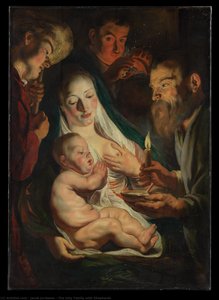
- La Adoración de los Pastores (óleo sobre lienzo, 205 x 269 cm), una pintura que muestra la capacidad de Jordaens para capturar la esencia de la experiencia humana.
- Argos y Mercurio (barroco, óleo), una obra que demuestra su dominio del estilo barroco.
Desarrollo artístico y logros
Jordaens comenzó su carrera como aprendiz de Adam van Noort, pero pronto se vio influenciado por el estilo exuberante de Peter Paul Rubens. Trabajó como asistente de Rubens durante varios años, aprendiendo sus técnicas y absorbiendo su energía dinámica. Después de la muerte de Rubens en 1640, Jordaens emergió como el principal pintor flamenco, asumiendo muchos encargos importantes. Su obra evolucionó desde una imitación inicial del estilo de Rubens hacia un enfoque más personal que se caracterizaba por escenas de género animadas y alegorías llenas de vida. Su capacidad para representar la vida cotidiana con realismo y humor lo hizo muy popular entre los clientes, tanto religiosos como seculares.Significado histórico e influencia
La importancia de Jordaens puede verse en el número de sus alumnos; la hermandad de San Lucas registra quince alumnos oficiales desde 1621 hasta 1667. Su trabajo influyó en Jan Steen, y sus temas campesinos inspirados en la claseica han tenido un impacto duradero en el mundo del arte. Jordaens es recordado como uno de los pintores más importantes del Barroco flamenco, conocido por su realismo, vitalidad y capacidad para capturar el espíritu de su época.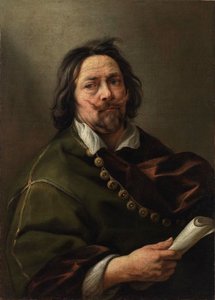
Jacob Jordaens
1593 - 1678 , Bélgica
Datos clave
- Artistas Influenciados: ['Jan Steen']
- Artistas Que Influyeron:
- Jacopo Bassano
- Paolo Veronese
- Caravaggio
- Fecha De Nacimiento: 19 de mayo de 1593
- Lugar De Nacimiento: Amberes, Bélgica
- Movimiento Artístico: Barroco
- Nacionalidad: Belga
- Nombre Completo: Jacob Jordaens
- Obras Notables:
- La adoración de los pastores
- Argos y Mercurio
- El revel de Baco y Sileno
Artículos relacionados
Jacob Jordaens: Baroque Dynamism & Genre Innovation of the Antwerp School
Discover Jacob Jordaens, a leading Flemish Baroque painter renowned for his dynamic compositions & realistic genre scenes. Explore his life, art, and lasting influence with ArtsDot.
Baroque Classicism: Reconciling Drama & Order in 17th-Century Art
Explore the captivating world of Baroque Classicism! Discover its history, key artists like Caravaggio & Rubens, and defining characteristics. Expert insights & high-quality reproductions at ArtsDot.

The Visceral Stage: Exploring Dramatic Narratives & Emotional Intensity in Baroque Art
Explore the dramatic world of Baroque art! Discover iconic masters like Caravaggio & Rembrandt, their techniques, and the movement's lasting impact. Expert insights for collectors & enthusiasts at ArtsDot.

The Enduring Power of Painting: A Historical & Contemporary Exploration of Form and Emotion
Explore the rich history & enduring techniques of oil painting with ArtsDot. Discover masterpieces, learn about art collecting, and find authentic handmade reproductions crafted by skilled artists.

The Dramatic Flourish: Exploring the Baroque Movement's Enduring Legacy in Art History
Explore the dramatic world of Baroque art! Discover iconic artists like Caravaggio & Rubens, defining techniques, and its lasting impact on art history. Expert insights for collectors & enthusiasts at ArtsDot.