

 Ver en contexto
 Enviar
 Compartir
 Detalles

 Descargar
 Similares
 Radiografía
 Presentación de diapositivas
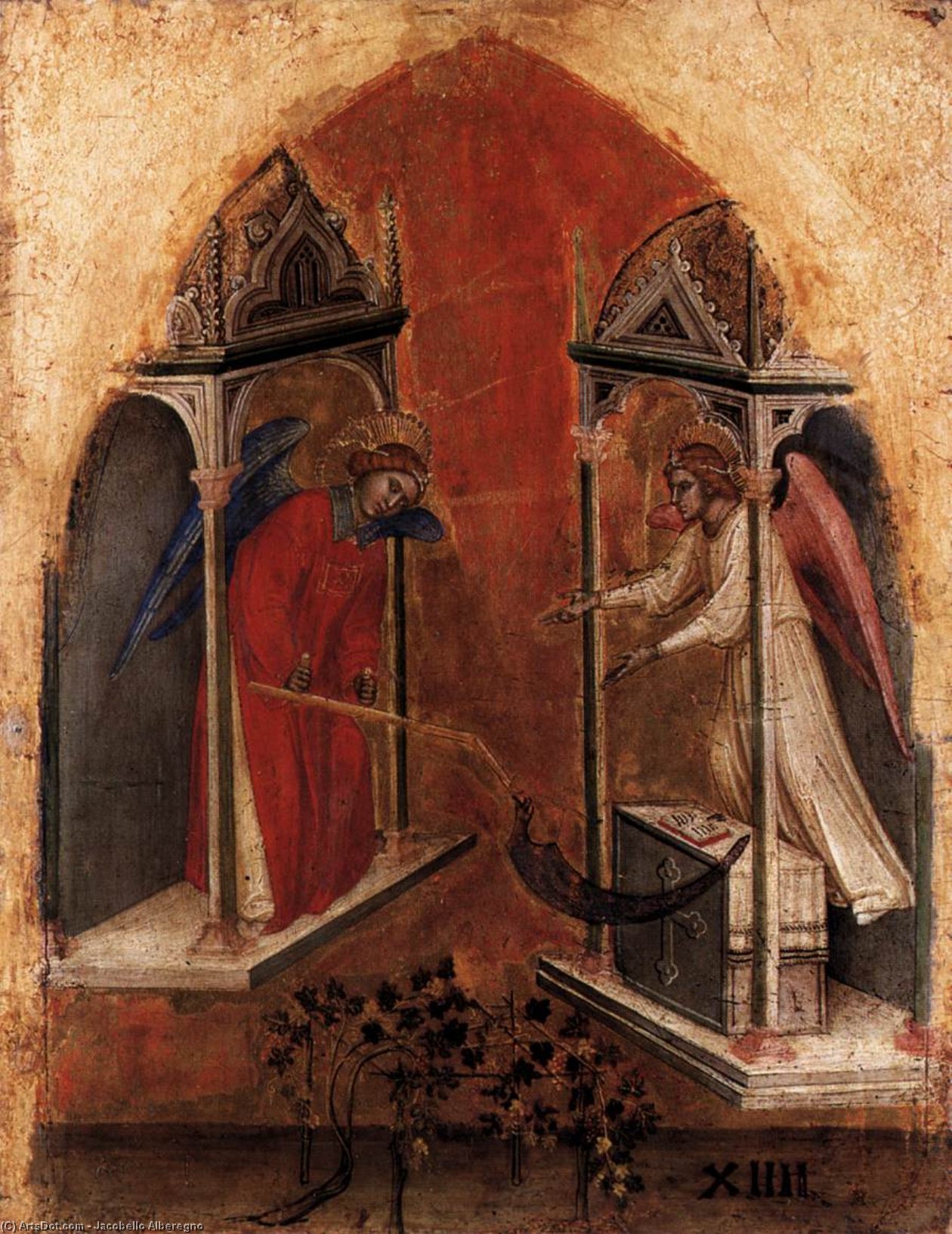
The Harvest of the World
 Tempera On Panel
- Late Gothic
 1360
1360- Late Medieval
 45.0 x 33.0 cm
 Galería de la Academia
 Ver más
Giclée / Impresión de arte
Impresiones giclée o en lienzo de calidad de museo con producción rápida y opciones de acabado flexibles. ( Comprar pintura hecha a mano Comprar imagen)




P118B $10

P118H $10

P118W $10

P438Z $10

P508JH $12

P508YH $12

P805H $10

P805Z $10

P919BZ $10

P919G $10

P919XJ $10

P959ZH $10

P968JZ $12

W106C $8

W218G $10

W218JH $8

W218Y $10

W307PJ $10

W316G $10

W316PJ $8

W316Y $10

W398PJ $8

W4111J $10

W500HY $15

W500JH $15

W692G $12

W849H $8

W940BG $15

W953PJ $8




Elija entre nuestros tamaños predefinidos que respetan las proporciones originales de la obra.

Puede introducir sus propias dimensiones para adaptarse a un marco o espacio específico. Si el tamaño seleccionado no coincide con las proporciones de la imagen original, recortaremos la obra de arte o extenderemos la imagen con un borde con efecto espejo o de color sólido. Se enviará una maqueta digital para su aprobación antes de que comience la producción.
Tenga en cuenta que la vista previa en pantalla no refleja el recorte o la extensión real. Solo la maqueta mostrará con precisión la composición final.
Aunque existen tamaños personalizados, recomendamos seleccionar una dimensión de la lista predefinida para preservar las proporciones originales.
Envío a todo el mundo () en 2 semanas en lugar de las 4/5 semanas estándar. (30 agosto)

Envío exprés gratuito a todo el mundo

Lienzo de lino de alta calidad

Seguro de envío total

Garantía de reembolso de impuestos aduaneros

Garantía de fidelidad cromática exacta

Política de devolución de 60 días (solo por defectos)

Garantía de devolución del 100% del dinero

Descuento por cantidad
 La opción de vidrio solo está disponible en tamaños inferiores a 110 cm.

The Harvest of the World
Giclée / Impresión de arte
Dimensiones de la reproducción
-


Precio total final
$ 62
A Vision of Divine Promise: Exploring The Harvest of the World
To gaze upon The Harvest of the World is to step directly into a moment suspended between earthly struggle and divine promise. This remarkable panel painting, dating from 1360, pulses with the fervent spirituality characteristic of late Gothic Italian art. At its heart stands a profound religious narrative, centered around figures imbued with monumental significance. The composition draws the eye immediately to the central figure, who bears the weight and grace of Christ holding the cross—a potent symbol of sacrifice and ultimate redemption. Flanking this sacred core are two angels, their presence marked by the solemn authority of the books they hold, suggesting that divine knowledge and scripture underpin the entire event unfolding before us.
Symbolism Woven in Red and Stone
The artist, Jacobello Alberegno, masterfully employs color and setting to deepen the emotional resonance of the scene. The striking red background is not merely decorative; it acts as a dramatic curtain against which the divine drama plays out, evoking passion, sacrifice, and perhaps even the intensity of heavenly glory. This vibrant backdrop contrasts beautifully with the solidity of the stone wall upon which the figures appear grounded. Observe the surrounding populace; they are witnesses to this pivotal moment, their presence grounding the miraculous in a tangible community setting. Even the inclusion of a single bird soaring above adds an ethereal touch—a fleeting note of life and movement against the eternal tableau, suggesting the breath of the Holy Spirit animating the scene.
The Hand of Jacobello Alberegno: Technique and Era
Painted in 1360 by Jacobello Alberegno, this work exemplifies the rich tradition of Venetian art during a period of intense spiritual fervor. The technique employed—likely tempera on panel—allows for the jewel-like luminosity and fine detail so characteristic of the era. While Alberegno’s biography remains shrouded in scholarly mystery, his ability to capture such profound emotion within a structured religious framework speaks to an undeniable mastery. The careful rendering of drapery, the solemn gestures of the angels, and the palpable weight of the cross all testify to a highly skilled hand working within the established conventions yet pushing toward expressive depth.
Bringing Sacred Artistry Home
For those who seek to infuse their sacred spaces or richly decorated interiors with the gravitas and beauty of historical masterworks, The Harvest of the World offers an unparalleled opportunity. Owning a reproduction allows one to connect intimately with the devotional fervor of the late fourteenth century without leaving the comfort of modern life. The deep symbolism, the dramatic color palette, and the narrative power contained within this piece make it not just a decoration, but a focal point for contemplation and spiritual reflection. It is an heirloom quality piece designed to inspire awe.
Obras relacionadas
Biografía del artista
Jacobello Alberegno (1367 - 1396): El visionario veneciano del Apocalipsis
Jacobello Alberegno permanece como una figura enigmática en los anales del arte veneciano, envuelto en la oscuridad a pesar de su innegable contribución al paisaje artístico de finales del siglo XIV. Los detalles biográficos precisos son escasos, dependiendo principalmente de un único documento que hace referencia a su muerte —el 14 de julio de su último año— y fortalecidos por el descubrimiento de una solitaria obra maestra firmada: el tríptico de temple sobre tabla que representa la Crucifixión con los santos Ambrosio y Jerónimo, conservado en las Gallerie dell’Accademia di Venezia. Este conmovedor testimonio del legado artístico de Alberegno subraya el desafío que supone reconstruir su historia vital a partir de evidencias fragmentarias.- Primeros años y formación: Se sabe poco sobre los años formativos de Alberegno, lo que alimenta las especulaciones sobre sus orígenes e influencias artísticas. Los estudiosos plantean conexiones con las tradiciones bizantinas propagadas por Paolo Veneziano y Giusto de Menabuoi, reconociendo la adopción por parte de Alberegno de las innovaciones estilísticas venecianas junto a una firme adhesión a la iconografía establecida.
- <El Tríptico de la Crucifixión: Esta obra fundamental —la piedra angular de la producción de Alberegno— ofrece una visión invaluable de su sensibilidad artística. Ejecutado alrededor de 1360-65, el tríptico ejemplifica la influencia de Giotto a través de sus decisiones compositivas y su meticulosa atención al detalle, reflejando las tendencias estilísticas prevalentes en Padua durante la época de Alberegno.
- <El Políptico del Apocalipsis: Posiblemente el logro más celebrado de Alberegno —aunque trágicamente incompleto—, el Políptico del Apocalipsis se erige como un testimonio de su ambición y destreza artística. Venerado inicialmente en San Giovanni Evangelista di Torcello, este complejo monumental constaba de cinco paneles que representaban episodios del Apocalipsis, reflejando la visión estilística de Giusto de Menembuo para el Baptisterio de Padua.
- <Influencia y legado: El impacto de Alberegno se extendió más allá de sus contemporáneos inmediatos, moldeando el discurso artístico veneciano y estableciendo precedentes para las generaciones posteriores de pintores. Su adopción de la iconografía bizantina junto con la innovación veneciana consolidó su posición como una figura crucial en el floreciente movimiento del Renacimiento, marcando una ruptura decisiva con las convenciones medievales.
Obras notables y estilo artístico
El estilo artístico de Jacobello Alberegno se caracteriza por una armoniosa mezcla de la tradición bizantina y la innovación veneciana, una dualidad estilística que lo distingue de sus pares. Su meticulosa atención al detalle, evidente en el Tríptico de la Crucifixión y en el Políptico del Apocalipsis, refleja la influencia de Giotto mediante sus elecciones compositivas y una magistral representación de las texturas. El artista empleó con destreza la técnica del temple sobre tabla, incorporando pan de oro para intensificar el impacto visual e imbuir sus pinturas de una resonancia espiritual, técnicas consistentes con las prácticas artísticas venecianas durante la vida de Alberegno.- <El Tríptico de la Crucifixión: Esta obra maestra ejemplifica la influencia de Giotto a través de su composición y un cuidado minucioso del detalle, emulando las corrientes estilísticas que predominaban en Padua en tiempos de Alberegno.
- <Políptico del Apocalipsis: El Políptico del Apocalipsis muestra la ambición y el talento de Alberegno, un complejo monumental que refleja la visión estilística de Giusto de Menabuoi para el Baptisterio de Padua.
Contexto histórico y trascendencia artística
Jacobello Alberegno emergió durante un período de profunda transformación cultural en Venecia, siendo testigo de la adopción gradual de los ideales artísticos bizantinos junto con la creciente influencia de Giotto, un momento crucial que marcó una ruptura definitiva con las convenciones medievales. Su compromiso inquebrantable con las tradiciones estilísticas venecianas —unido a su adopción de la iconografía bizantina— lo estableció como una pieza fundamental del Renacimiento veneciano, moldeando el discurso artístico y legando un patrimonio duradero a las generaciones venideras de pintores. La contribución de Alberegno consolidó la posición de Venecia como vanguardia de la innovación artística europea, asegurando su lugar en la historia del arte como un artista visionario que tendió un puente entre la piedad medieval y la indagación humanista.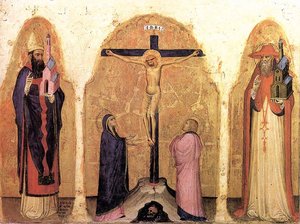
Jacobello Alberegno
1367 - 1396 , Italia
Datos clave
- Artistic Movement Or Style: Renacimiento
- Artists Or Movements Influenced By This Artist:
- Lorenzo di Bonomo
- Jacobello di Bonomo
- Artists Who Influenced This Artist:
- Paolo Veneziano
- Giusto de Menabuoi
- Date Of Birth: Venecia, Italia (1367)
- Date Of Death: 1396
- Full Name: Jacobello Alberegno
- Nationality: Italiano
- Notable Artworks: ['Políptico del Apocalipsis']
- Place Of Birth: Venecia
Artículos relacionados
Celestial Messengers: Angels in Painting – A Historical & Artistic Exploration
Explore the captivating history of angels in painting! Discover symbolism, iconic Renaissance & Byzantine masterpieces, and renowned artists. Expert insights for art lovers & collectors at ArtsDot.

Celestial Messengers: A Comprehensive Exploration of Angelic Representation in Art History
Explore the captivating history of angels in art! Discover symbolism, iconic Renaissance masterpieces & renowned artists. Expert insights for art lovers & collectors at ArtsDot.

Jacopo Tintoretto: Las 25 Obras Maestras del Genio Veneciano | Arte y Decoración en ArtsDot
Descubre las 25 obras maestras de Jacopo Tintoretto, el genio veneciano del Renacimiento. Explora su arte dramático, composiciones innovadoras y paleta vibrante. Reproducciones de alta calidad en ArtsDot.com para transformar tu hogar.
El Crepúsculo Radiante de la Visión Medieval: Fe, Forma y Emotividad en el Arte Gótico Tardío (c. 1300-1500)
Explore el esplendor del arte gótico tardío (c. 1300-1500). Descubra la síntesis de fe, forma y emoción en la pintura internacional, los retablos medievales y la influencia de Giotto. Análisis experto.
10 Obras Maestras Medievales que Definen el Arte (y tu Hogar)
Descubre 10 obras maestras del arte medieval, desde Duccio a Van Eyck. Explora la historia, simbolismo y belleza de Giotto, Simone Martini y más. Encuentra reproducciones de alta calidad para decorar tu hogar en ArtsDot.com.

