 Ver en contexto
 Enviar
 Compartir
 Detalles

 Descargar
 Similares
 Radiografía
 Presentación de diapositivas
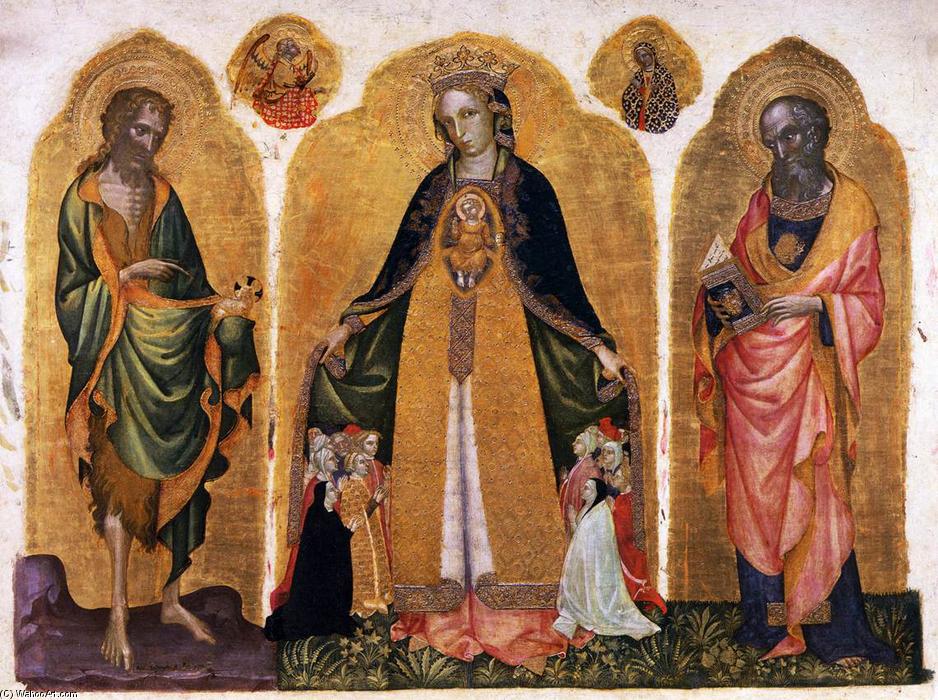
Triptych of the Madonna della Misericordia
 Acrylic On Canvas
- WallArt
- Early Renaissance
 1415
1415 86.0 x 113.0 cm
 Galería de la Academia
 Ver más
Giclée / Impresión de arte
Impresiones giclée o en lienzo de calidad de museo con producción rápida y opciones de acabado flexibles. ( Comprar pintura hecha a mano Comprar imagen)




P118B $10

P118H $10

P118W $10

P438Z $10

P508JH $12

P508YH $12

P805H $10

P805Z $10

P919BZ $10

P919G $10

P919XJ $10

P959ZH $10

P968JZ $12

W106C $8

W218G $10

W218JH $8

W218Y $10

W307PJ $10

W316G $10

W316PJ $8

W316Y $10

W398PJ $8

W4111J $10

W500HY $15

W500JH $15

W692G $12

W849H $8

W940BG $15

W953PJ $8




Elija entre nuestros tamaños predefinidos que respetan las proporciones originales de la obra.

Puede introducir sus propias dimensiones para adaptarse a un marco o espacio específico. Si el tamaño seleccionado no coincide con las proporciones de la imagen original, recortaremos la obra de arte o extenderemos la imagen con un borde con efecto espejo o de color sólido. Se enviará una maqueta digital para su aprobación antes de que comience la producción.
Tenga en cuenta que la vista previa en pantalla no refleja el recorte o la extensión real. Solo la maqueta mostrará con precisión la composición final.
Aunque existen tamaños personalizados, recomendamos seleccionar una dimensión de la lista predefinida para preservar las proporciones originales.
Envío a todo el mundo () en 2 semanas en lugar de las 4/5 semanas estándar. (26 agosto)

Envío exprés gratuito a todo el mundo

Lienzo de lino de alta calidad

Seguro de envío total

Garantía de reembolso de impuestos aduaneros

Garantía de fidelidad cromática exacta

Política de devolución de 60 días (solo por defectos)

Garantía de devolución del 100% del dinero

Descuento por cantidad
 La opción de vidrio solo está disponible en tamaños inferiores a 110 cm.

Triptych of the Madonna della Misericordia
Giclée / Impresión de arte
Dimensiones de la reproducción
-


Precio total final
$ 62
Descripción de la pieza
A Divine Trinity: Exploring Jacobello del Fiore’s Triptych of the Madonna della Misericordia
The “Triptych of the Madonna della Misericordia,” painted around 1415 by the Venetian master Jacobello del Fiore, is more than just a devotional image; it's a captivating window into the burgeoning artistic and spiritual landscape of early Renaissance Italy. Housed within the prestigious Galleria dell’Accademia in Florence, this remarkable work offers a profound meditation on motherhood, piety, and the divine grace that permeated Florentine society at the time. The triptych’s enduring appeal lies not only in its exquisite beauty but also in its subtle yet powerful narrative, reflecting both Byzantine traditions and the nascent humanist ideals taking root within the city.
Del Fiore's style is a masterful synthesis of influences. He inherited the rich color palettes and intricate detailing characteristic of Venetian painting, while simultaneously embracing the more naturalistic tendencies emerging from Florence. The composition itself is carefully orchestrated: a central panel depicting the Virgin Mary cradling the infant Jesus, flanked by two side panels showcasing scenes of her life – one portraying her as a young woman receiving the sacred oil from angels, and the other illustrating her as an older figure offering alms to the poor. This arrangement creates a dynamic visual dialogue, inviting contemplation on the multifaceted nature of Mary’s role as both mother and intercessor.
The Symbolism of Mercy and Devotion
The title “della Misericordia” – of mercy – is profoundly significant. The Madonna della Misericordia, a popular devotional image throughout Italy during this period, embodies the concept of divine compassion and maternal care. In this triptych, Mary’s gentle expression, her serene posture, and the tender embrace of Christ immediately evoke feelings of warmth and protection. The inclusion of angels on either side further reinforces this theme, representing God's grace and guidance.
Beyond the immediate depiction of the Virgin, numerous symbolic elements enrich the artwork’s meaning. The doves hovering above Mary’s head are traditional symbols of peace and purity. The gold background, a hallmark of Florentine painting at the time, elevates the scene to a realm of sacred splendor. The carefully rendered details – the folds of her garments, the expressions on the faces of the onlookers – demonstrate Del Fiore's meticulous attention to realism and his ability to imbue inanimate objects with life.
A Venetian Master in Transition
Jacobello del Fiore’s artistic journey reflects a pivotal moment in Venetian art history. Born into a family deeply connected to the Scuola dei Pittori, he initially trained within the established traditions of Gothic painting. However, his work increasingly incorporates elements of Renaissance naturalism and perspective, foreshadowing the stylistic shifts that would define the era. The “Triptych of the Madonna della Misericordia” stands as a testament to this transitional period, showcasing Del Fiore’s ability to seamlessly blend Byzantine influences with emerging humanist ideals.
His connection to Florence is particularly noteworthy. The commission for this triptych likely stemmed from the Arciconfraternità della Misericordia, a charitable brotherhood dedicated to providing assistance to the poor and sick in Florence. This association highlights the close relationship between art and religious patronage during the Renaissance, where artistic commissions were often undertaken to support charitable endeavors and promote piety within the community. The work’s placement within the Galleria dell'Accademia underscores its importance as a cornerstone of Florentine art history.
A Timeless Masterpiece – Reproduction Possibilities
Today, the “Triptych of the Madonna della Misericordia” remains a beloved and revered masterpiece. Its beauty and profound symbolism continue to captivate viewers centuries after its creation. ArtsDot offers meticulously crafted reproductions that faithfully capture the essence of this iconic work, allowing art enthusiasts to bring its serene grace into their homes or offices. Each reproduction is created using high-quality materials and printing techniques, ensuring a faithful representation of Del Fiore’s original vision. Whether you seek an authentic piece for your collection or a stunning addition to your interior design scheme, ArtsDot's reproductions provide a remarkable opportunity to experience the enduring legacy of this Venetian master.
Obras relacionadas
Biografía del artista
Jacobello del Fiore: Un Pintor Veneciano que Une los Estilos Gótico y Renacentista
- Nacido: Venecia, Italia (c. 1370)
- Fallecido: 1439
Vida Temprana y Formación
Jacobello del Fiore nació alrededor de 1375 en Venecia, Italia. Provenía de una familia de artistas; su padre, Francesco del Fiore, también era pintor y ocupaba una posición destacada dentro de la confraternidad local de pintores (Scuola dei Pittori). Jacobello probablemente comenzó su formación artística dentro del taller de su padre junto con sus hermanos, Nicola y Pietro. Las primeras influencias en el estilo de Jacobello se atribuyen a los maestros góticos tardíos populares en la región, notablemente Altichiero da Verona y Jacopo Avanzi. Sus primeros trabajos reflejan esta influencia, caracterizados por un distintivo estilo gótico.
Desarrollo Artístico y Estilo
La carrera artística de Jacobello puede dividirse ampliamente en dos fases. Inicialmente, su trabajo se adhirió al estilo gótico tardío prevaleciente a finales del siglo XIV. Este período está ejemplificado por obras como el "Crucifijo" (Colección Matthiesen), que muestra una fuerte conexión con Altichiero y Avanzi a través de su composición, la postura de las figuras y los colores vivos. Sin embargo, alrededor de 1401, Jacobello comenzó a transitar hacia un estilo más moderno, demostrando un interés creciente en la línea e incorporando influencias de Lombardía, particularmente del artista Michelino da Besozzo.
- Estilo Gótico Temprano (c. 1390s-1401): Caracterizado por una composición distintiva, líneas amplias, colores vivos y un enfoque en la imaginería bíblica.
- Estilo de Transición (c. 1401-1407): Una relajación de la rigidez gótica con énfasis en la línea e incorporación de influencias de otras regiones.
- Estilo Veneciano Maduro (post-1407): Demuestra una mezcla única de elementos góticos con características renacentistas emergentes, estableciendo un estilo veneciano local.
Obras Principales y Comisiones
Jacobello del Fiore recibió comisiones principalmente a lo largo de la costa adriática y dentro de Venecia misma. Algunas de sus obras notables incluyen:
- Crucifijo (Colección Matthiesen): Un ejemplo temprano que muestra su estilo gótico tardío, demostrando influencias de Altichiero da Verona.
- Madonna y Niño de Piazzo Giovaneli: Considerada parte de una serie de pinturas "neo-giottoescas" que ayudaron a establecer la identidad de Jacobello como artista.
- Tríptico de la Virgen de la Misericordia con Santos Jaime y Antonio Abad (Pesaro): Pintado en 1407, esta obra ejemplifica su estilo evolutivo, incorporando influencias lombardas.
- Tríptico de la Adoración de los Magos (Museo Nacional de Estocolmo): Demuestra aún más su desarrollo estilístico y su compromiso con las tendencias contemporáneas.
- Justicia entre los Arcángeles Miguel y Gabriel: Un tríptico significativo de 1421 que muestra un estilo refinado y elementos simbólicos detallados.
- Martirio de San Lorenzo, con Dos Monjas Benedictinas: Demuestra su capacidad para representar escenas narrativas con detalle y emoción.
Significado Histórico y Legado
Jacobello del Fiore ocupa una posición importante en la historia del arte veneciano como un pintor que unió los períodos gótico tardío y renacimiento temprano. Si bien inicialmente estuvo influenciado por maestros de la tierra firme, desarrolló un estilo local distintivo que contribuyó al panorama artístico de Venecia. Su capacidad para adaptarse e incorporar nuevas influencias mientras mantenía su propia voz única lo convierte en una figura significativa para comprender la transición del arte medieval al arte renacentista en Italia. Los historiadores del arte como Andrea de Marchi jugaron un papel crucial en identificar a Jacobello como el "Maestro de la Giovaneli Madonna", conectando varias obras tempranas y solidificando su lugar dentro del canon artístico.
Jacobello del Fiore
1370 - 1439 , Italia
Datos clave
- Artistas Que Influyeron:
- Altichiero da Verona
- Paolo Veneziano
- Fecha De Nacimiento: c. 1370
- Lugar De Nacimiento: Venecia, Italia
- Movimiento Artístico: Gótico Tardío y Renacimiento
- Nacionalidad: Italiana
- Nombre Completo: Jacobello del Fiore
- Obras Notables:
- Crucifixión
- Madonna y Niño
- Justicia entre Arcángeles
Artículos relacionados
Rafael: Las 25 Obras Maestras que Definen al Genio del Renacimiento | ArtsDot
Descubre las 25 obras maestras de Rafael Sanzio, el genio del Renacimiento. Explora su historia, técnica y significado en pinturas icónicas como 'La Escuela de Atenas'. Reproducciones de arte de alta calidad para decorar tu hogar con elegancia. ¡Explora la colección completa en ArtsDot.com!
Las 25 Obras Maestras del Prado: Arte Español e Inspiración para tu Hogar
Descubre las 25 obras maestras del Museo del Prado: Velázquez, Goya, El Greco y más. Explora la historia, técnica y belleza de cada cuadro español. Encuentra reproducciones de arte exclusivas e inspira tu hogar con ArtsDot.com.
Jacob Henricus Maris: A Master of Dutch Atmospheric Realism & the Intimate Landscape
Explore the captivating world of Jacob Henricus Maris, a leading figure of the Dutch Hague School. Discover his atmospheric landscapes, signature brushstrokes & lasting influence on 19th-century art. Learn more at ArtsDot.
Andrea del Sarto: Florentine Grace, Technical Mastery & Artistic Ambition
Explore the life & art of Andrea del Sarto, a Florentine Renaissance master renowned for harmonious compositions & technical brilliance. Discover his frescoes, portraits, and lasting influence on art history.

Fra Angelico: Las 25 Obras Maestras del Renacimiento para Decorar con Arte y Fe
Descubre las 25 obras maestras de Fra Angelico, el pintor renacentista que llenó el arte sacro de luz y fe. Explora su técnica, simbolismo y belleza en frescos e iconos. Encuentra reproducciones de alta calidad para decorar tu hogar con ArtsDot.com.