 Ver en contexto
 Enviar
 Compartir
 Detalles

 Descargar
 Similares
 Radiografía
 Presentación de diapositivas
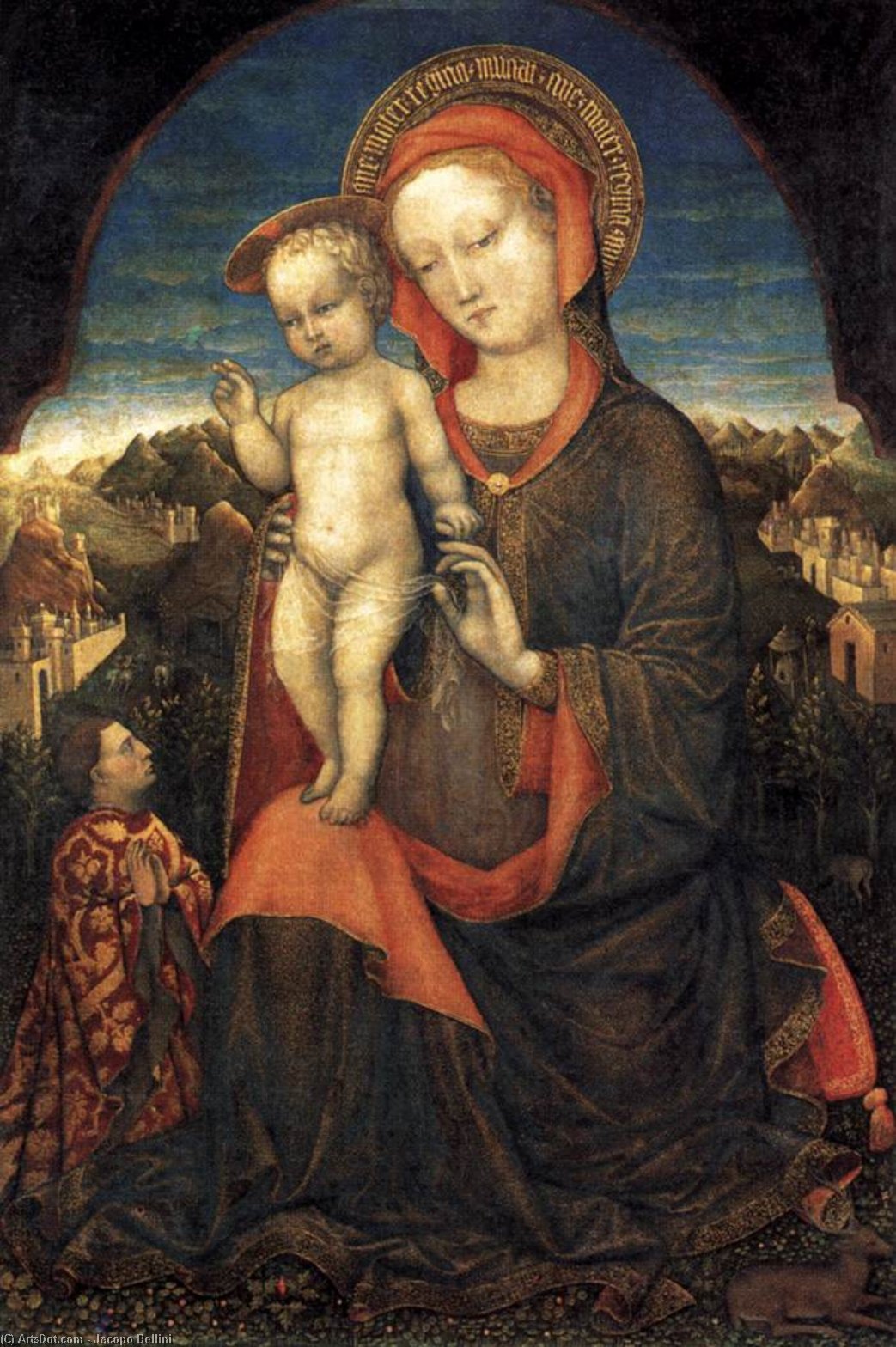
Madonna y Niño adorados por Lionello d'Este
 Témpera sobre tabla
- Arte de pared
- Renacimiento temprano
 1450
1450- Renacimiento
 60.0 x 40.0 cm
 Museo del Louvre
 Ver más
Giclée / Impresión de arte
Impresiones giclée o en lienzo de calidad de museo con producción rápida y opciones de acabado flexibles. ( Comprar pintura hecha a mano Comprar imagen)




P118B $10

P118H $10

P118W $10

P438Z $10

P508JH $12

P508YH $12

P805H $10

P805Z $10

P919BZ $10

P919G $10

P919XJ $10

P959ZH $10

P968JZ $12

W106C $8

W218G $10

W218JH $8

W218Y $10

W307PJ $10

W316G $10

W316PJ $8

W316Y $10

W398PJ $8

W4111J $10

W500HY $15

W500JH $15

W692G $12

W849H $8

W940BG $15

W953PJ $8




Elija entre nuestros tamaños predefinidos que respetan las proporciones originales de la obra.

Puede introducir sus propias dimensiones para adaptarse a un marco o espacio específico. Si el tamaño seleccionado no coincide con las proporciones de la imagen original, recortaremos la obra de arte o extenderemos la imagen con un borde con efecto espejo o de color sólido. Se enviará una maqueta digital para su aprobación antes de que comience la producción.
Tenga en cuenta que la vista previa en pantalla no refleja el recorte o la extensión real. Solo la maqueta mostrará con precisión la composición final.
Aunque existen tamaños personalizados, recomendamos seleccionar una dimensión de la lista predefinida para preservar las proporciones originales.
Envío a todo el mundo () en 2 semanas en lugar de las 4/5 semanas estándar. (3 septiembre)

Envío exprés gratuito a todo el mundo

Lienzo de lino de alta calidad

Seguro de envío total

Garantía de reembolso de impuestos aduaneros

Garantía de fidelidad cromática exacta

Política de devolución de 60 días (solo por defectos)

Garantía de devolución del 100% del dinero

Descuento por cantidad
 La opción de vidrio solo está disponible en tamaños inferiores a 110 cm.

Madonna y Niño adorados por Lionello d'Este
Giclée / Impresión de arte
Dimensiones de la reproducción
-


Precio total final
$ 62
A Renaissance Vision of Devotion
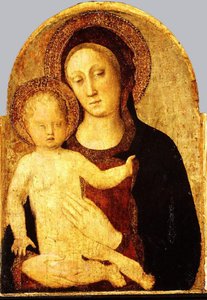
In the quiet, luminous realm of the Venetian Early Renaissance, few works capture the intersection of divine grace and human tenderness as poignantly as Jacopo Bellini’s Madonna and Child Adored by Lionello d'Este. Created around 1450, this masterpiece serves as a profound window into a period when the spiritual fervor of the Middle Ages began to merge with the burgeoning humanist intellect of Italy. The painting is far more than a mere religious icon; it is an exquisite exploration of beauty, stability, and the idealized human form. As the viewer gazes upon Mary cradling the infant Jesus, they are not just witnessing a biblical moment, but participating in a carefully orchestrated symphony of faith and artistry that has resonated through the centuries.
The composition is a masterclass in Renaissance harmony, characterized by a balanced, serene arrangement that directs the eye with effortless grace. At the heart of the work sits the Virgin Mary, her presence radiating a calm, maternal strength. The way she holds the Christ child—with a delicate yet secure grip—estapablishes an emotional anchor for the entire piece. Surrounding this central duo, the artist has woven intricate details that invite closer inspection: the subtle presence of other figures and the whimsical inclusion of birds that dance through the upper reaches of the scene. These elements are not mere decorations; they contribute to a sense of a living, breathing world where the sacred and the natural coexist in perfect equilibrium.
The Mastery of Perspective and Light
What truly distinguishes Bellini’s work from the flatter, more symbolic Byzantine traditions that preceded him is his pioneering use of linear perspective. As one of the foundational architects of the Venetian Renaissance style, Bellini utilized mathematical principles to create a convincing illusion of depth on a two-dimensional surface. This technique allows the viewer to feel as though they are looking through a window into another dimension. The architectural nuances and the carefully rendered landscapes in the background suggest a world that extends far beyond the edges of the frame, providing a sense of grandeur and spatial reality that was revolutionary for its time.
The technique employed—likely tempera on panel—allows for a meticulous level of detail that is essential to the painting's emotional impact. Every brushstroke contributes to the rich textures of the drapery and the soft, lifelike glow of the skin tones. This dedication to precision reflects the intellectual commitment of the era: an attempt to understand and replicate the divine order of the universe through observation and science. For the collector or the interior designer, this level of craftsmanship offers a profound sense of permanence and sophistication, making it a centerpiece capable of anchoring a room with its historical weight and aesthetic elegance.
Symbolism and Timeless Emotional Resonance
Beyond its technical brilliance, the painting is steeped in layers of symbolic meaning. The very title, which references the adoration by Lionello d'Este, connects the piece to the powerful patronage of the Italian Renaissance, where art served as both a tool for devotion and a symbol of prestige. The presence of the birds may symbolize the soul or the fleeting nature of life, while the balanced composition reflects the humanist ideal of cosmic order. There is an inherent stillness in the work, a meditative quality that invites the observer to pause and reflect amidst the chaos of modern life.
For those seeking to bring a piece of history into their personal or professional spaces, a high-quality reproduction of this Bellini masterpiece offers more than just decoration. It provides an opportunity to surround oneself with the quiet dignity of the Renaissance. Whether placed in a sunlit study or a grand gallery, the Madonna and Child Adored by Lionello d'Este acts as a bridge between eras, offering a timeless sense of peace, a celebration of human skill, and an enduring testament to the power of beauty to transcend time.
Obras relacionadas








Biografía del artista
El pionero veneciano de la perspectiva renacentista
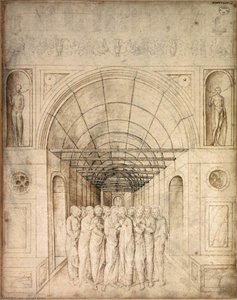
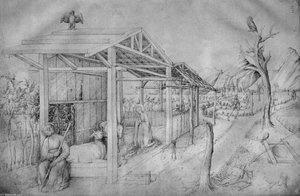
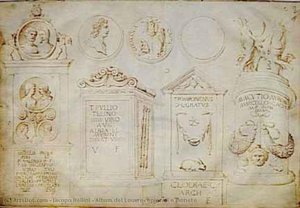
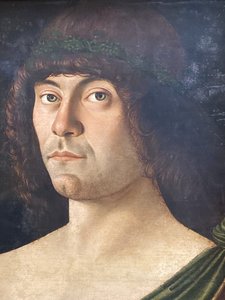
Jacopo Bellini se erige como una figura fundamental en el floreciente estilo pictórico del Renacimiento que prosperó en Venecia y el norte de Italia. Fue mucho más que un simple pintor; fue uno de los innovadores fundacionales de su época, moldeando la sensibilidad artística mediante una observación meticulosa de la naturaleza y una incorporación magistral de la perspectiva lineal, una técnica que anteriormente estaba prácticamente ausente en la tradición veneciana. Aunque hoy en día sobreviven pocos lienzos originales de Bellini para ser contemplados en todo su esplendor, su profundo legado reside principalmente en sus exquisitos cuadernos de dibujo, como aquellos que se custodian en el Museo Británico y el Louvre. Estos dibujos revelan una profunda fascinación por las vastas vistas de paisajes y diseños arquitectónicos elaborados, ofreciendo una visión invaluable de un proceso artístico que presagió las revoluciones estilísticas de los siglos venideros.
Nacido en Venecia alrededor de 1396, los años formativos de Jacopo estuvieron impregnados de las ricas y decorativas tradiciones del periodo gótico tardío. Su formación temprana sugiere que fue discípulo del célebre Gentile da Fabriano, un artista cuyo taller produjo algunos de los frescos más ambiciosos y ornamentados de la época. Esta prestigiosa asociación, sin duda, inculcó en Bellini un aprecio de por vida por el detalle intrincado, la armonía del color y una cierta complejidad decorativa. En los inicios de su carrera, se le vio activo en Foligno entre 1411 y 1412, donde colaboró en los monumentales frescos del Palazzo Trinci, trabajando junto a los mismos maestros que definieron el estilo gótico internacional.
Un viaje por el corazón del Renacimiento
Un punto de inflexión significativo llegó cuando Bellini viajó a Florencia hacia 1423. Este viaje lo situó en el epicentro de un intenso periodo de experimentación artística liderado por luminarias como Brunelleschi, Donatello y Masaccio. En Florencia, se encontró con la naciente ciencia de la perspectiva lineal, un descubrimiento que alteraría fundamentalmente su enfoque del espacio y la profundidad. Al fusionar la elegancia lírica y decorativa de sus raíces venecianas con el rigor estructural y la claridad espacial de los innovadores florentinos, Bellini comenzó a forjar un lenguaje visual único. Esta síntesis le permitió trascender los planos simbólicos y planos de la Edad Media hacia una representación del mundo más inmersiva, similar a una ventana abierta.
A medida que su carrera progresaba, Bellini se convirtió en una figura central en el establecimiento de una dinastía familiar que dominaría el arte veneciano durante generaciones. Su influencia no fue meramente personal, sino pedagógica, ya que transmitió sus innovaciones a sus hijos, Gentile y Giovanni. A través de ellos, las semillas de su experimentación con la luz, el paisaje y la perspectiva florecieron en el esplendor del Alto Renacimiento asociado al nombre Bellini. Su obra sirvió como un puente entre las tradiciones ornamentales del pasado y el realismo humanista del futuro, convirtiéndolo en un eslabón indispensable en la evolución del arte italiano.
Legado y trascendencia histórica
La importancia histórica de Jacopo Bellini reside en su papel como catalizador del cambio. Aunque gran parte de su producción permanece capturada en el íntimo medio de la tinta y la pluma, esos bocetos sirven como un plano maestro para el Renacimiento veneciano. Su capacidad para imaginar paisajes complejos y multicapa, junto con arquitecturas matemáticamente coherentes, sentó las bases para que sus sucesores exploraran la belleza atmosférica de la laguna veneciana. Estudiar a Bellini es ser testigo del momento preciso en que el ojo del artista comenzó a dominar verdaderamente la ilusión de la profundidad, cambiando para siempre la forma en que la humanidad percibe el mundo pintado.
Jacopo Bellini
1396 - 1470 , Italia
Datos clave
- Artistic Movement Or Style: Renacimiento
- Artists Or Movements Influenced By This Artist: ['Masaccio']
- Artists Who Influenced This Artist: ['Gentile da Fabriano']
- Date Of Birth: Venice, Italia (1396)
- Date Of Death: c. 1470
- Full Name: Jacopo Bellini
- Nationality: Italiano
- Notable Artworks: ['La Crucifixión en Verona']
- Place Of Birth: Venecia
Artículos relacionados

Jacopo Tintoretto: Las 25 Obras Maestras del Genio Veneciano | Arte y Decoración en ArtsDot
Descubre las 25 obras maestras de Jacopo Tintoretto, el genio veneciano del Renacimiento. Explora su arte dramático, composiciones innovadoras y paleta vibrante. Reproducciones de alta calidad en ArtsDot.com para transformar tu hogar.

Rafael: Las 25 Obras Maestras que Definen al Genio del Renacimiento | ArtsDot
Descubre las 25 obras maestras de Rafael Sanzio, el genio del Renacimiento. Explora su historia, técnica y significado en pinturas icónicas como 'La Escuela de Atenas'. Reproducciones de arte de alta calidad para decorar tu hogar con elegancia. ¡Explora la colección completa en ArtsDot.com!
Los 25 Tesoros del Musée d'Orsay: Arte Impresionista y Decoración de Lujo
Descubre los 25 cuadros más emblemáticos del Musée d'Orsay: Monet, Renoir, Van Gogh y más. Explora la historia, técnica y belleza del impresionismo francés. Encuentra reproducciones de arte exclusivas para decorar tu hogar con ArtsDot.com.

Jacopo Bassano: A Venetian Master of Color, Family & the Renaissance Landscape
Explore the life & art of Jacopo Bassano, a Venetian master renowned for his vibrant colorism and innovative religious scenes. Discover his family legacy & enduring influence on Renaissance painting with ArtsDot.

Los 25 Tesoros del Uffizi: Arte Renacentista para tu Hogar | ArtsDot
Descubre los 25 tesoros del Uffizi en Florencia: Botticelli, Leonardo da Vinci y más. Explora la historia, el arte renacentista y encuentra reproducciones de alta calidad para tu hogar. ¡Inspírate con ArtsDot.com!