 Ver en contexto
 Enviar
 Compartir
 Detalles

 Descargar
 Similares
 Radiografía
 Presentación de diapositivas
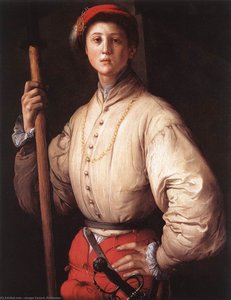
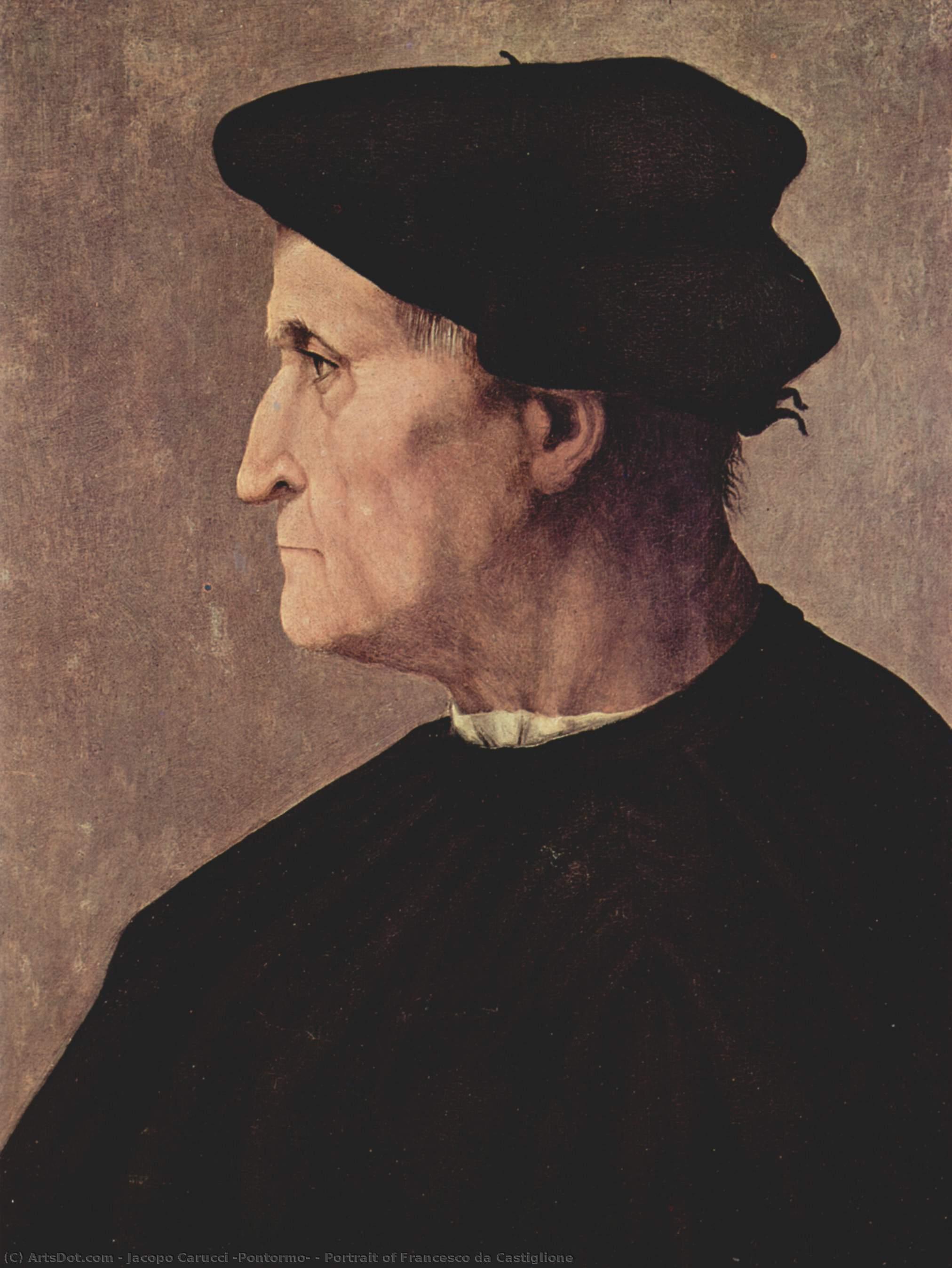
Portrait of Francesco da Castiglione
 Oil On Canvas
- WallArt
- Mannerism
 1520
1520 50.0 x 39.0 cm
 Palazzo Pitti
 Ver más
Giclée / Impresión de arte
Impresiones giclée o en lienzo de calidad de museo con producción rápida y opciones de acabado flexibles. ( Comprar pintura hecha a mano Comprar imagen)




P118B $10

P118H $10

P118W $10

P438Z $10

P508JH $12

P508YH $12

P805H $10

P805Z $10

P919BZ $10

P919G $10

P919XJ $10

P959ZH $10

P968JZ $12

W106C $8

W218G $10

W218JH $8

W218Y $10

W307PJ $10

W316G $10

W316PJ $8

W316Y $10

W398PJ $8

W4111J $10

W500HY $15

W500JH $15

W692G $12

W849H $8

W940BG $15

W953PJ $8




Elija entre nuestros tamaños predefinidos que respetan las proporciones originales de la obra.

Puede introducir sus propias dimensiones para adaptarse a un marco o espacio específico. Si el tamaño seleccionado no coincide con las proporciones de la imagen original, recortaremos la obra de arte o extenderemos la imagen con un borde con efecto espejo o de color sólido. Se enviará una maqueta digital para su aprobación antes de que comience la producción.
Tenga en cuenta que la vista previa en pantalla no refleja el recorte o la extensión real. Solo la maqueta mostrará con precisión la composición final.
Aunque existen tamaños personalizados, recomendamos seleccionar una dimensión de la lista predefinida para preservar las proporciones originales.
Envío a todo el mundo () en 2 semanas en lugar de las 4/5 semanas estándar. (24 agosto)

Envío exprés gratuito a todo el mundo

Lienzo de lino de alta calidad

Seguro de envío total

Garantía de reembolso de impuestos aduaneros

Garantía de fidelidad cromática exacta

Política de devolución de 60 días (solo por defectos)

Garantía de devolución del 100% del dinero

Descuento por cantidad
 La opción de vidrio solo está disponible en tamaños inferiores a 110 cm.

Portrait of Francesco da Castiglione
Giclée / Impresión de arte
Dimensiones de la reproducción
-


Precio total final
$ 62
Descripción de la pieza
Portrait of Francesco da Castiglione – A Renaissance Masterpiece
The year is 1520, and within the bustling artistic landscape of Florence, Jacopo Carucci Pontormo—a name now inextricably linked with both innovation and melancholy—crafted a portrait that transcends mere likeness. “Portrait of Francesco da Castiglione” isn’t simply a depiction of an elderly man; it's a carefully constructed meditation on age, wisdom, and the quiet dignity of a life well-lived. The painting immediately draws the eye with its rich, earthy palette dominated by deep browns, creamy beiges, and subtle blacks – colors that evoke the textures of aged velvet, weathered stone, and the shadows cast by candlelight. This deliberate choice creates an atmosphere of contemplative solemnity, inviting the viewer to linger and absorb the details.
Carucci’s style is firmly rooted in the Mannerist movement, a period characterized by its departure from the idealized beauty of the High Renaissance. Rather than striving for perfect harmony or classical proportions, he embraced a more expressive and emotionally charged approach. Notice how Francesco's face isn’t rendered with smooth, flawless lines; instead, Carucci employs subtle distortions – a slightly elongated nose, a subtly furrowed brow – to convey a sense of inner complexity and perhaps even weariness. This is not a portrait intended to celebrate youthful beauty but rather one that seeks to capture the essence of a seasoned individual.
The Subject: Francesco da Castiglione - A Man of Letters
Francesco da Castiglione (1478-1529) was a prominent figure in Renaissance Italy, renowned for his influential treatise *Il Cortegiano* – “The Book of the Courtier.” This seminal work offered guidance on how to navigate the complexities of courtly life, emphasizing virtues such as grace, courtesy, and intelligence. Castiglione’s portrait, therefore, serves not only as a visual representation but also as a symbolic affirmation of his intellectual standing and social importance. The sitter's posture—slightly turned towards the viewer with one hand resting gracefully on his knee—conveys an air of quiet authority and measured contemplation – qualities highly valued in Castiglione’s ideal courtier.
The details surrounding Castiglione’s attire further reinforce this impression. He wears a richly embroidered velvet robe, adorned with intricate patterns that speak to his status and wealth. The dark, heavy fabric contrasts sharply with the lighter background, drawing attention to the subject and emphasizing his presence within the composition. A simple, yet elegant, hat completes the ensemble, adding to the overall sense of dignified composure.
Technique and Artistic Choices
Carucci’s masterful technique is evident in every brushstroke. He employs a layering approach—building up color gradually through multiple thin applications of oil paint—to create a remarkable sense of texture and depth. The background, rendered with loose, gestural strokes, appears almost like aged parchment or worn tapestry, providing a rich contrast to the smoother surfaces of Castiglione’s face and clothing. The use of chiaroscuro – the dramatic interplay of light and shadow – is particularly effective in sculpting the sitter's features and creating a sense of three-dimensionality.
Notably, Carucci utilizes a subtle one-point perspective, directing the viewer’s eye directly to Castiglione’s face. This creates a powerful focal point and reinforces his central importance within the composition. The careful attention to detail—the delicate folds of the robe, the texture of the hair, the subtle wrinkles around the eyes—demonstrates Carucci's exceptional skill as a painter and his deep understanding of human anatomy.
Symbolism and Emotional Resonance
Beyond its technical brilliance, “Portrait of Francesco da Castiglione” is imbued with symbolic meaning. The portrait’s somber mood reflects the realities of aging and mortality – themes that were central to Renaissance thought. The sitter's gaze—direct and unwavering—suggests a quiet wisdom gained through experience. It invites us to contemplate not only Castiglione’s life but also our own journey through time.
Furthermore, the painting can be interpreted as a meditation on the ephemeral nature of beauty and power. Castiglione's age and dignified bearing serve as a reminder that true value lies not in youthful appearance but in character, intellect, and contribution to society. The portrait ultimately serves as a timeless testament to the enduring qualities of human wisdom and dignity.
Obras relacionadas
Biografía del artista
El visionario melancólico: La vida y el legado de Jacopo Pontormo
Jacopo Carucci, conocido en la historia por el evocador sobrenombre de Pontormo, fue un artista cuyo pincel capturó la esencia misma de la transición. Nacido en la pequeña aldea toscana de Pontorme alrededor de 1494, sus primeros años estuvieron marcados por un profundo sentido de soledad y melancolía, cualidades que más tarde infundirían sus lienzos con una profundidad psicológica sin parangón. Como joven aprendiz en Florencia, transitó por un mundo de paradigmas artísticos cambiantes, emergiendo finalmente como una figura central del movimiento manierista florentino. A diferencia de los maestros del Alto Renacimiento, que buscaban la perfección a través del equilibrio y la armonía matemática, Pontormordo miró hacia el interior, buscando expresar las turbulentas y, a menudo, inquietantes complejidades del alma humana. Sus años formativos fueron moldeados por las sombras de gigantes. Bajo la tutela de Domenico del Pollaiuolo y la influencia monumental de Michelangelo Buonarroti, dominó la precisión anatómica exigida a un maestro del Renacimiento; sin embargo, poseía un impulso irreprimible por distorsionar esa misma realidad en favor del efecto emocional. Se inspiró no solo en el peso escultórico de Miguel Ángel, sino también en los intrincados y emotivos grabados de Albrecht Dürer. Esta síntesis única de la forma italiana y el detalle expresivo del norte de Europa le permitió ser pionero en un estilo donde las figuras parecían perder su vínculo con la gravedad, derivando a través de espacios ambiguos y oníricos.La arquitectura del manierismo: Estilo e innovación
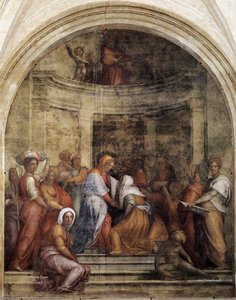
Presenciar una pintura de Pontormo es adentrarse en un reino donde las leyes familiares de la física y la perspectiva quedan suspendidas. Su obra representa un alejamiento deliberado de la serena regularidad perspectivista de sus predecesores. En obras maestras como su "Visitación" o su inquietante "Descendimiento", se observan las señas de identidad de su revolucionaria estética manierista: extremidades alargadas, poses entrelazadas y antinaturales, y una paleta de colores vibrantes, casi ácidos, que chocan y brillan con una luz de otro mundo. Sustituyó las composiciones estables y triangulares del Renacimiento por arreglos arremolinados y abarrotados que evocan una sensación de energía inquieta y desasosiego espiritual. La brillantez técnica de Pontormo residía en su capacidad para utilizar el color y la forma como herramientas psicológicas. Sus figuras a menudo parecen flotar dentro de entornos inciertos, sin el impedimento del peso, creando una sensación de profunda inestabilidad. Esto no era mero artificio; era un intento deliberado de transmitir las ansiedades espirituales de una era atrapada entre las certezas del Renaciente y el drama inminente del Barroco. Ya fuera a través de la luz dramática en su "Última Cena en Emaús" o la cruda e emotiva intensidad hallada en sus estudios de Cristo, Pontormo utilizó cada pincelada para explorar temas de duelo, devoción y lo divino.Una huella imborrable en la historia del arte
La importancia histórica de Jacopo Pontormo es incalculable. Sirvió como un puente vital, traduciendo los ideales clásicos del siglo XV al lenguaje expresivo y teatral que definiría gran parte del arte del siglo XVI. Su influencia se propagó por toda la Escuela Florentina, moldeando las obras de sucesores como Bronzino y asegurando que la tensión entre la belleza y el artificio permaneciera como un diálogo central en la pintura europea. Su obra permanece como un testimonio del poder de la visión individual sobre la tradición. A través de sus retratos, como el regio "Cosimo I de' Medici," y sus obras religiosas profundamente simbólicas, demostró que el arte podía ser más que un espejo de la realidad; podía ser una ventana al subconsciente. Aunque su vida estuvo a menudo ensombrecida por el dolor personal, el brillo de su color y la complejidad de sus composiciones continúan cautivando, invitando a cada espectador a perderse en el hermoso, distorsionado y profundamente humano mundo del maestro florentino.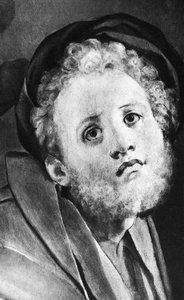
Jacopo Pontormo
1494 - 1557 , Italia
Datos clave
- Artistic Movement Or Style: Mannerism
- Artists Or Movements Influenced By This Artist: ['Michelangelo']
- Artists Who Influenced This Artist:
- Leonardo da Vinci
- Andrea del Sarto
- Date Of Birth: 1494
- Full Name: Jacopo Pontormo
- Nationality: Italian
- Notable Artworks:
- Visitation
- Deposition
- Place Of Birth: Pontorme, Italy
Artículos relacionados
Leonardo da Vinci: Las 25 Obras Maestras que Definieron un Genio | ArtsDot
Descubre las 25 obras maestras de Leonardo da Vinci, desde la Mona Lisa hasta La Última Cena. Explora su arte renacentista, técnicas innovadoras y el legado del genio italiano. Reproducciones de alta calidad para decorar tu hogar con belleza y historia en ArtsDot.com.

Jacopo Tintoretto: Las 25 Obras Maestras del Genio Veneciano | Arte y Decoración en ArtsDot
Descubre las 25 obras maestras de Jacopo Tintoretto, el genio veneciano del Renacimiento. Explora su arte dramático, composiciones innovadoras y paleta vibrante. Reproducciones de alta calidad en ArtsDot.com para transformar tu hogar.
Jacopo Pontormo: A Bridge Between Renaissance Tradition & Mannerist Emotion
Explore the captivating world of Jacopo Pontormo, a pivotal Italian Mannerist painter. Discover his unique style, influences & masterpieces – and find museum-quality reproductions at ArtsDot.
El Crepúsculo del Clasicismo Renacentista: Un Estudio del Estilo y la Afectación en el Manierismo
Descubre el Manierismo: un análisis profundo de este fascinante estilo artístico del Renacimiento tardío. Explora sus características, artistas clave y legado con ArtsDot.

Leonardo da Vinci: Síntesis del Arte, la Ciencia y la Observación Humana en el Renacimiento – Una Reinterpretación para el Coleccionista
Descubra la síntesis del arte y la ciencia en Leonardo da Vinci. Análisis profundo de sus obras maestras, técnicas innovadoras y legado para coleccionistas exigentes. Una reinterpretación experta.