

 Ver en contexto
 Enviar
 Compartir
 Detalles

 Descargar
 Similares
 Radiografía
 Presentación de diapositivas
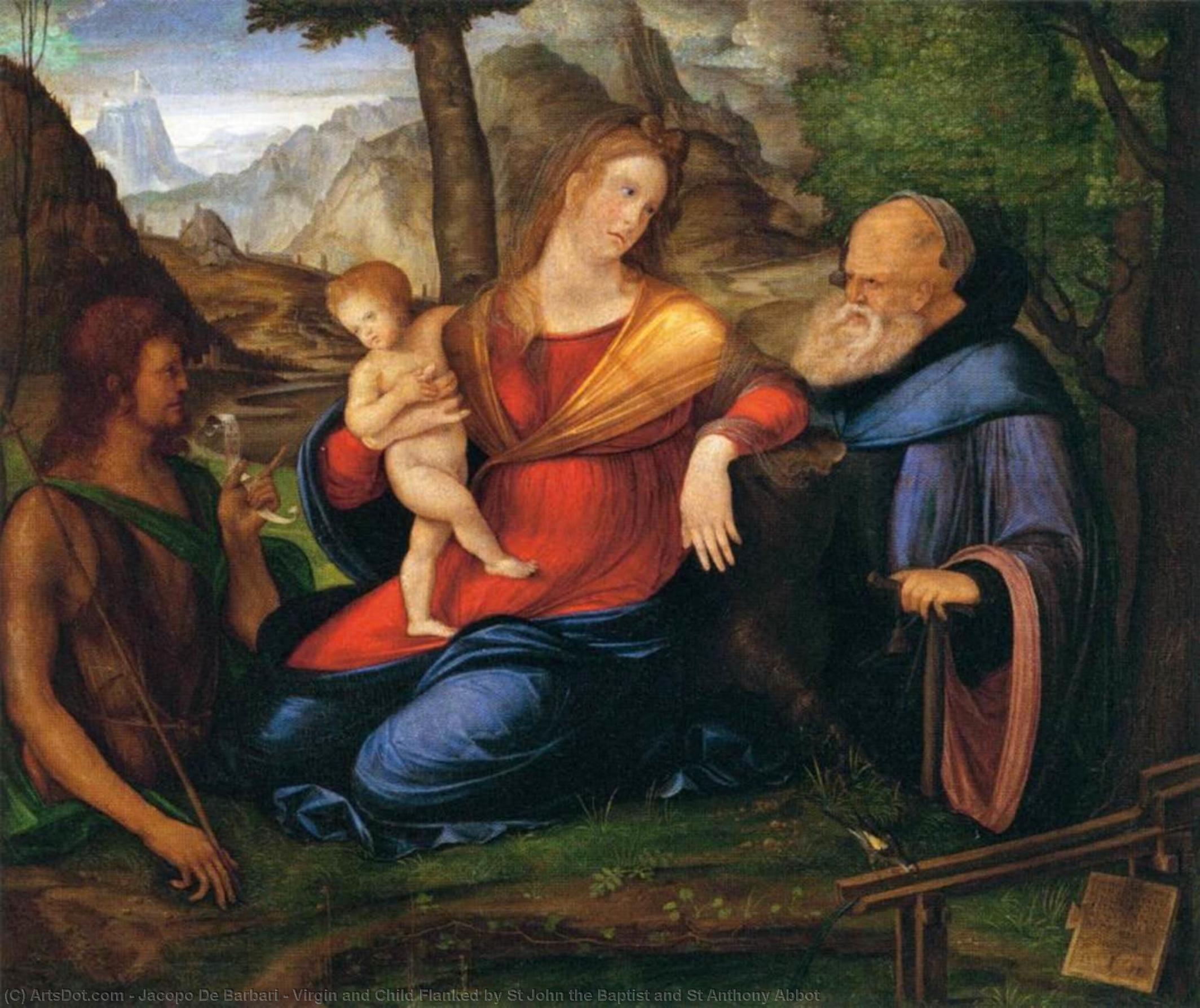
Virgen y Niño Flanqueados por San Juan Bautista y San Antonio Abad
 Acrílico sobre lienzo
- Arte de pared
- Italian Renaissance Illusionistic
 1490
1490 47.0 x 55.0 cm
 Museo del Louvre
 Ver más
Adquiera una imagen digital de alta resolución y optimizada, muy superior a la vista previa en línea.
Cada archivo es preparado meticulosamente por nuestros especialistas internos mediante el uso de herramientas avanzadas y un experto retoque manual. Nos aseguramos de que cada imagen posea una claridad excepcional, una precisión cromática impecable y un detalle minucioso.
El archivo final se entrega por correo electrónico en un plazo de 72 horas, optimizado para su uso inmediato en entornos profesionales, editoriales y de impresión. Esta es la misma calidad en la que confían los estudios de diseño, las editoriales y las galerías de primer nivel.
Imagen Digital
Descarga un archivo de alta resolución para exhibición personal, impresión y proyectos creativos. ( Comprar impresión Comprar pintura hecha a mano)
Incluido en cada pedido de imágenes digitales
Entrega digital experta, garantizada.
Al elegir ArtsDot.com, no solo está adquiriendo una imagen; está recibiendo una obra de arte digital mejorada profesionalmente, elaborada con precisión y respaldada por una garantía de satisfacción. Esto es todo lo que incluye su pedido, automáticamente:

Entrega rápida por email
Recibirá su archivo de imagen digital en alta resolución por correo electrónico en un plazo de 72 horas tras realizar su pedido, listo para su uso inmediato.

Archivo digital optimizado por IA
Su obra de arte se optimiza profesionalmente mediante herramientas avanzadas de IA y edición manual, garantizando el máximo detalle, claridad y precisión cromática.

Reenvío gratuito de por vida
¿Has borrado o perdido tu archivo por error? No te preocupes: te lo volveremos a enviar en cualquier momento, sin coste adicional.

Sin gastos de importación, siempre
Disfrute de su obra de arte al instante sin aduanas, aranceles ni gastos de envío; las descargas digitales siempre están libres de impuestos.

Garantía de fidelidad de color
Garantizamos que su imagen digital refleje los colores originales con la mayor fidelidad posible, mediante el uso de herramientas profesionales y gestión del color.

Garantía de satisfacción de 60 días
Si no está satisfecho con su imagen digital, la revisaremos o le reembolsaremos el 100% en un plazo de 60 días, sin preguntas.

100% Garantía de devolución de dinero
¿No está satisfecho? Obtenga un reembolso completo dentro de los 60 días posteriores a la recepción de su archivo digital, sin necesidad de explicaciones.

Descuentos por pedidos grandes
Compra 3 imágenes, ahorra 10% - Compra 5, ahorra 15% - Compra 10+, ahorra 20%. Ideal para proyectos creativos, galerías y agencias.
A Venetian Masterpiece: Jacopo de’ Barbari's Virgin and Child
Jacopo de’ Barbari stands as one of Venice’s most celebrated Renaissance artists, yet his life remains largely obscured by the fog of historical records. Estimates place his birth between 1450 and 1470—a date confirmed by references from contemporaries like Albrecht Dürer—though definitive proof continues to elude scholars. Descriptions portray him as “old and weak” by 1511, presenting a fascinating contradiction with the prolific artistic output he achieved during his lifetime, demonstrating an extraordinary ability to synthesize influences from both Venetian and Germanic traditions. While Venetian connections are substantiated by surviving documents addressed to Germans—a testament to the vibrant artistic exchange of the era—scholarly debate persists concerning potential Germanic roots, ultimately solidifying his Italian heritage. His formative years were marked by a mentorship perhaps from Alvise Vivarini, reflecting the powerful currents shaping Venetian art at the time. Around 1500, he undertook a transformative journey that propelled him to prominence within the artistic landscape of Venice and beyond. This period witnessed an unparalleled fascination with illusionistic painting—a technique championed by artists like Giorgione and Titian—and Barbari embraced it wholeheartedly, elevating his craft to new heights of realism and expressive power.Style and Technique: Illusionism at Its Finest
Barbari’s Virgin and Child exemplifies the Venetian style's commitment to illusionism, a revolutionary approach that sought to create an immersive experience for the viewer by mimicking natural light and perspective. Unlike earlier artistic conventions focused on idealized representations, Barbari painstakingly rendered textures—the folds of Mary’s robe, the smoothness of Jesus’ skin—with astonishing accuracy. He achieved this remarkable feat through meticulous layering of glazes—thin coats of translucent pigment—allowing colors to blend seamlessly and produce a luminous effect that captures the ethereal beauty of divine grace. This technique, honed over years of experimentation, distinguishes Barbari's work from its peers and underscores his mastery of artistic innovation.Historical Context: Renaissance Venice – A Crucible of Artistic Genius
The painting emerged during a pivotal moment in Venetian history—the High Renaissance—a period characterized by an explosion of creativity fueled by papal patronage and burgeoning mercantile wealth. Venice, at the apex of European power, fostered an environment conducive to artistic experimentation and intellectual discourse. Artists like Titian and Tintoretto pushed the boundaries of realism, exploring dramatic compositions and vibrant palettes that conveyed profound emotional depth. Barbari’s Virgin and Child aligns seamlessly with this broader artistic ethos, reflecting the humanist ideals prevalent throughout Europe—a celebration of human dignity and a renewed interest in classical antiquity.Symbolism: Layers of Meaning Beyond Appearances
Beyond its stunning visual qualities lies a rich tapestry of symbolism that invites contemplation. The Virgin Mary’s serene gaze embodies compassion and maternal devotion, while Jesus’ tender embrace symbolizes divine love. The presence of St John the Baptist and St Anthony Abbot underscores the importance of ascetic piety—a spiritual quest for purity and enlightenment—within Christian tradition. Furthermore, the mountainous backdrop evokes notions of transcendence and eternity, reminding viewers of God's boundless majesty. Even the book held by St Anthony Abbot serves as a potent emblem of knowledge and wisdom—a cornerstone of humanist scholarship during the Renaissance.Emotional Impact: A Vision of Heavenly Beauty
Ultimately, Barbari’s Virgin and Child transcends mere representation; it communicates an overwhelming sense of beauty and spiritual serenity. The luminous glaze technique imbues the painting with an otherworldly glow, transporting viewers to a realm beyond earthly concerns. The artist's masterful handling of light and color captures the essence of divine grace—a testament to his profound understanding of human psychology and artistic expression. Viewing this masterpiece evokes feelings of awe and reverence—inspiring contemplation on themes of faith, love, and transcendence, cementing its place as one of Venice’s most enduring treasures.Obras relacionadas
Biografía del artista
Jacopo de' Barbari: Venetian Master of Trompe l'oeil & Woodcuts
Jacopo de’ Barbari remains an enigmatic figure in Renaissance art history, shrouded in mystery regarding his birthdate and early life. Estimates place him between 1450 and 1470, though definitive proof is elusive. Contemporary accounts describe him as “old and weak” by 1511, suggesting a later date of origin—a fascinating paradox considering his remarkable artistic output during his lifetime. While Venetian origins are widely accepted based on biographical details like Albrecht Dürer’s reference (“van venedig geporn”), scholarly debate persists concerning his Germanic connections, ultimately pointing to an Italian heritage substantiated by surviving documents addressed to Germans. His formative years remain largely undocumented, though Alvise Vivarini is considered a possible mentor—a connection that underscores the artistic currents circulating within Venice at the time. Around 1500, he embarked on a transformative journey to Germany, where he served under Emperor Maximilian I in Nuremberg for a year and subsequently collaborated with Frederick III of Saxony in various locations between 1503 and 1505. This period cemented his reputation as “Jacop Walch,” reflecting the prevalent perception of Italians as foreigners within Germanic artistic circles. He continued his artistic endeavors at the court of Joachim I of Brandenburg from 1506 to 1508, demonstrating a consistent commitment to expanding his creative horizons. Barbari’s artistic breakthrough arrived in Nuremberg, where he produced his celebrated “Still Life with Fruits and Insects,” arguably the first instance of trompe l'oeil since antiquity—a technique that deliberately deceives the eye by creating illusions of depth and perspective. This groundbreaking approach was profoundly influenced by Andrea Mantegna and Albrecht Dürer, artists whose mastery of linear perspective and illusionistic rendering served as models for Barbari’s own stylistic innovations. His meticulous attention to detail and masterful manipulation of light and shadow—characteristics evident in numerous paintings—established him as a pioneer of realism within the Venetian tradition. The influence of Mantegna is particularly palpable in his landscapes, where he adopted Dürer's geometric rigor to achieve unparalleled spatial accuracy. His engravings, numbering twenty-nine, were equally influential, capturing the spirit of the Renaissance with meticulous detail and conveying a sense of realism that surpassed previous artistic conventions. Notably, his monumental woodcuts—particularly “The Triumph of Death”—became iconic representations of mortality and humanist thought, cementing Barbari’s place among the foremost printmakers of his era. These prints are characterized by their dramatic composition, expressive figures, and masterful use of color—elements that resonate with the anxieties and aspirations of the period. The woodcuts stand as a testament to Barbari's ability to distill complex ideas into visually arresting images, securing him a prominent position in the history of printmaking. By 1510, Barbari was actively engaged in artistic commissions for Philip II of Burgundy and Margaret Tudor, demonstrating his versatility across mediums and signaling a shift towards collaborative projects within the burgeoning Netherlandish Renaissance. His final years were marked by illness and culminated in a poignant testament—a gesture reflecting both vulnerability and an unwavering dedication to his craft. The Archduchess Margaret’s generous pension underscored the recognition of Barbari's artistic legacy, securing him a place among the luminaries of his time. He died before 1516, leaving behind a body of work that continues to inspire admiration for its technical brilliance and conceptual depth—a testament to Jacopo de’ Barbari’s enduring contribution to Renaissance art and visual culture.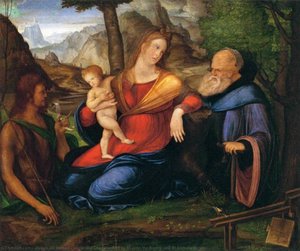
jacopo de barbari
1460 - 1516 , Italia
Breves datos
- Artistic Movement Or Style: Trompe l'oeil & Woodcuts
- Artists Who Influenced This Artist:
- Mantegna
- Dürer
- Date Of Birth: c. 1460/70
- Date Of Death: before 1516
- Full Name: Jacopo de' Barbari
- Nationality: Italian
- Notable Artworks:
- The Triumph of Death
- Mantegna’s Lamentation
- Place Of Birth: Venice, Italy

