 Ver en contexto
 Enviar
 Compartir
 Detalles

 Descargar
 Similares
 Radiografía
 Presentación de diapositivas
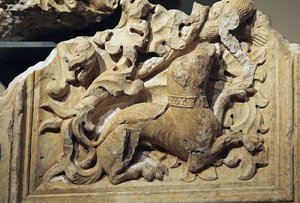
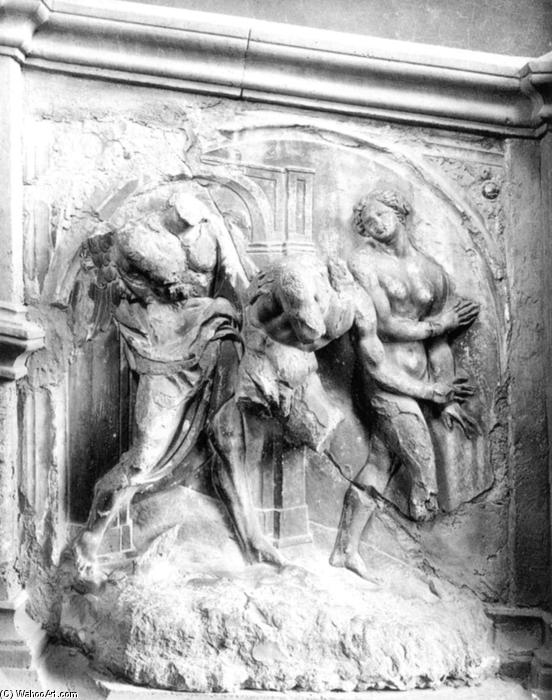
Expulsion of Adam and Eve from Paradise


 Ver más
Giclée / Impresión de arte
Impresiones giclée o en lienzo de calidad de museo con producción rápida y opciones de acabado flexibles. ( Comprar pintura hecha a mano Comprar imagen)




P118B $10

P118H $10

P118W $10

P438Z $10

P508JH $12

P508YH $12

P805H $10

P805Z $10

P919BZ $10

P919G $10

P919XJ $10

P959ZH $10

P968JZ $12

W106C $8

W218G $10

W218JH $8

W218Y $10

W307PJ $10

W316G $10

W316PJ $8

W316Y $10

W398PJ $8

W4111J $10

W500HY $15

W500JH $15

W692G $12

W849H $8

W940BG $15

W953PJ $8




Elija entre nuestros tamaños predefinidos que respetan las proporciones originales de la obra.

Puede introducir sus propias dimensiones para adaptarse a un marco o espacio específico. Si el tamaño seleccionado no coincide con las proporciones de la imagen original, recortaremos la obra de arte o extenderemos la imagen con un borde con efecto espejo o de color sólido. Se enviará una maqueta digital para su aprobación antes de que comience la producción.
Tenga en cuenta que la vista previa en pantalla no refleja el recorte o la extensión real. Solo la maqueta mostrará con precisión la composición final.
Aunque existen tamaños personalizados, recomendamos seleccionar una dimensión de la lista predefinida para preservar las proporciones originales.
Envío a todo el mundo () en 2 semanas en lugar de las 4/5 semanas estándar. (27 agosto)

Envío exprés gratuito a todo el mundo

Lienzo de lino de alta calidad

Seguro de envío total

Garantía de reembolso de impuestos aduaneros

Garantía de fidelidad cromática exacta

Política de devolución de 60 días (solo por defectos)

Garantía de devolución del 100% del dinero

Descuento por cantidad
 La opción de vidrio solo está disponible en tamaños inferiores a 110 cm.

Expulsion of Adam and Eve from Paradise
Giclée / Impresión de arte
Dimensiones de la reproducción
-


Precio total final
$ 62
Descripción de la pieza
A Moment Frozen in Marble: Jacopo della Quercia’s Dramatic Narrative
Jacopo della Quercia's "Expulsion of Adam and Eve from Paradise," crafted around 1414, isn’t merely a sculpture; it’s a visceral depiction of humanity’s fall, rendered with an arresting blend of classical restraint and burgeoning Renaissance dynamism. This marble relief, now housed in the Galleria dell’Accademia in Florence, immediately commands attention – not through bombast or overt grandeur, but through its carefully orchestrated drama and the palpable sense of loss radiating from the figures. The scene unfolds with a brutal simplicity: Adam and Eve, stripped of their innocence and banished from Eden, are caught mid-flight, propelled away by an angel wielding a flaming sword. The composition isn’t one of triumphant victory for God; rather, it's a poignant portrayal of consequence, a quiet acknowledgment of the irreversible nature of transgression.
- Material and Technique: The sculpture is executed in high-quality Carrara marble, chosen for its luminosity and ability to capture intricate detail. Della Quercia’s mastery lies not just in carving the figures but in the subtle manipulation of light and shadow within the stone itself – a testament to his deep understanding of three-dimensional form. The subtractive sculpting process, meticulously removing material to reveal the desired shapes, is evident in the textured surface, hinting at the immense labor involved.
- Renaissance Transition: This work represents a crucial moment in Italian art history. While drawing heavily on classical ideals – particularly the idealized human forms and balanced compositions of antiquity – Della Quercia subtly introduces elements that foreshadow the Renaissance’s emphasis on realism, emotional depth, and individual expression. The angel's face, for instance, possesses a certain intensity, hinting at the moral weight of his action.
Symbolism Woven into Stone: Biblical Narrative and Human Condition
Beyond its immediate depiction of the biblical story, “The Expulsion” is rich in symbolic meaning. The flaming sword represents divine judgment, a stark reminder of the consequences of disobedience. Eve’s gesture – covering her face in shame – speaks volumes about the profound grief and regret experienced by humanity after losing paradise. Adam's outstretched hand, reaching towards his wife, conveys a desperate longing for connection and a poignant recognition of their shared loss. The angel, often interpreted as representing God’s justice, isn’t portrayed as a vengeful figure but rather as an agent of divine order, enforcing the established boundaries.
The scene is not simply about punishment; it's about the introduction of awareness and mortality into the human experience. It forces us to confront our own capacity for both good and evil, and the inherent vulnerability that comes with free will.A Glimpse of Eden: Architectural Context and Artistic Influences
The sculpture’s setting is equally significant. The architectural backdrop – columns, arches, and a sense of receding space – evokes the grandeur of Roman temples and basilicas, reflecting Della Quercia's engagement with classical antiquity. However, this influence isn’t slavish imitation; rather, it’s skillfully integrated into a distinctly Renaissance style. Notice how the figures are positioned within the architectural framework, creating a dynamic interplay between human form and constructed space. The overall effect is one of controlled chaos – a visual representation of the disruption caused by Adam and Eve's fall.
Historical Context: Della Quercia was working during a period of intense artistic experimentation in Florence, where artists were grappling with how to reconcile classical traditions with emerging Renaissance ideals. This sculpture exemplifies that process – a masterful synthesis of ancient forms and contemporary sensibilities.Emotional Resonance and Artistic Legacy
“The Expulsion of Adam and Eve from Paradise” continues to resonate with viewers centuries after its creation. Its power lies not just in its technical brilliance but also in its ability to evoke profound emotions – sorrow, regret, and a sense of loss for a lost innocence. It’s a timeless depiction of the human condition, reminding us of our capacity for both great beauty and devastating error. Reproductions of this iconic work offer a remarkable opportunity to experience the artistry and emotional depth of Jacopo della Quercia's masterpiece in your own space – a testament to the enduring power of Renaissance art.
Obras relacionadas


Biografía del artista
Jacopo della Quercia: Bridging the Gothic and Embracing Renaissance Vision
Jacopo della Quercia, a name inextricably linked to the pivotal transition in 15th-century Italian art, stands as a monumental figure bridging the lingering vestiges of the Gothic era with the burgeoning brilliance of the nascent Renaissance. Born in Monteroni di Lecce around 1374 and tragically succumbing in Bologna in 1438, his life unfolded as a rich tapestry woven from commissions, rivalries, and an unwavering engagement with both the enduring wisdom of classical antiquity and the evolving sensibilities of his time. He wasn’t merely a sculptor; he was an architect of style, a translator between traditions, and ultimately, a harbinger of the revolutionary artistic shifts that would define the Renaissance itself.
His formative years were meticulously shaped under the tutelage of his father, Piero d'Angelo – a highly skilled woodcarver and goldsmith. This foundational period instilled within him not just technical mastery but also an enduring appreciation for craftsmanship and the profound power of traditional techniques. Crucially, however, young Jacopo’s artistic journey was profoundly influenced by his exposure to the colossal works of Nicola Pisano and Arnolfo di Cambio adorning the pulpit of Siena Cathedral. These encounters ignited a fervent fascination with narrative sculpture, dynamic composition, and the expressive potential inherent within the human form – elements that would become defining characteristics of his distinctive style.
The Early Years: Lucca and the Seeds of Innovation
Jacopo’s career truly blossomed in Lucca, a strategically positioned city serving as a vibrant crossroads for artistic influence. His relocation to Lucca with his father in 1386, driven by the turbulent political climate, proved to be a catalyst for significant artistic development. It was here that he began to establish himself as a sculptor of considerable promise, undertaking projects such as the poignant “Man of Sorrows” for the altar of the Sacrament and a relief depicting St. Aniello on a tomb. These early works already hinted at his burgeoning ability to imbue stone with profound emotional resonance – a characteristic that would become increasingly pronounced in his later career.
A defining moment arrived in 1401 when Jacopo entered the prestigious competition to design the bronze doors for Florence’s Baptistery, a contest fiercely contested by luminaries such as Ghiberti and Brunelleschi. Though he ultimately didn't secure the coveted commission, this experience served as an invaluable crucible, exposing him to the highest standards of Florentine artistry and fueling his ambition. The designs themselves remain elusive, adding an intriguing layer to his already captivating story.
Ferrara and the Influence of Roman Antiquity
Jacopo’s artistic trajectory continued eastward to Ferrara in 1403, where he was entrusted with the monumental task of sculpting the marble Virgin and Child for the city's cathedral. This ambitious undertaking marked a significant shift towards greater naturalism and a profound engagement with the legacy of ancient Rome. He also undertook the creation of a statuette of St. Maurice during this period, now housed in the Museo del Duomo, showcasing his ability to seamlessly blend Gothic sensibilities with emerging Renaissance ideals.
The city of Ferrara provided him with unparalleled access to an extraordinary collection of Roman sculptures and sarcophagi, sparking a deep appreciation for the elegance, proportion, and narrative power inherent within classical antiquity. These encounters profoundly shaped his artistic vision, leading him to incorporate elements of classical drapery, anatomy, and composition into his own work – subtly yet decisively transforming the Gothic style he had inherited.
Fonte Gaia: A Masterpiece of Civic Pride and Artistic Innovation
Perhaps Jacopo della Quercia’s most enduring legacy is undoubtedly Fonte Gaia, a monumental fountain commissioned in 1406 by Paolo Guinigi, the ruler of Lucca. This ambitious project represented not only a significant civic investment but also a bold artistic statement – a deliberate rejection of the pagan Venus statue that had previously adorned the square and been blamed for outbreaks of plague. The fountain itself is a marvel of engineering and artistry, constructed from gleaming white marble and adorned with numerous statues and spouts, creating a vibrant spectacle of water and light.
Fonte Gaia stands as a testament to Jacopo’s ability to synthesize diverse influences – Gothic elegance, classical proportion, and the burgeoning spirit of the Renaissance. The inclusion of nude putti flanking the fountain's base—a daring departure from traditional sculptural conventions—clearly signaled his embrace of classical ideals while retaining a distinctly humanistic sensibility. The project, however, was a protracted undertaking, spanning over a decade and reflecting the challenges inherent in managing multiple commissions simultaneously.
Later Works and a Legacy of Transition
Throughout the remainder of his career, Jacopo della Quercia continued to work on a diverse range of projects, including the Trenta Chapel in San Frediano, Lucca, and tomb slabs for Lorenzo Trenta and his wife. His involvement in the design of a hexagonal basin with bronze panels for Siena’s Baptistery, alongside his rival Ghiberti, resulted in the completion of only one relief – “The Annunciation to Zacharias” – due to his simultaneous commitments to other projects. This episode highlights his cautious approach to working with bronze and his preference for the more manageable medium of marble.
Jacopo della Quercia’s life was tragically cut short in 1438, but his artistic legacy endures as a bridge between the Gothic and Renaissance worlds. He wasn't simply a skilled craftsman; he was an innovator, a visionary, and a key figure in shaping the trajectory of Italian art. His work foreshadowed the revolutionary developments championed by Michelangelo, solidifying his place as one of the most important sculptors of the Early Renaissance.
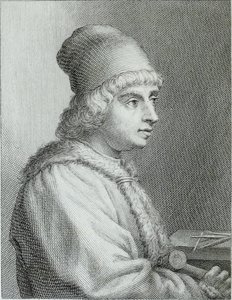
Jacopo De La Quercia
1374 - 1438 , Italia
Datos clave
- Artistic Movement Or Style: Primer Renacimiento
- Artists Or Movements Influenced By This Artist: ['Michelangelo']
- Artists Who Influenced This Artist:
- Pisano
- Arnolfo
- Date Of Birth: c. 1374
- Date Of Death: 1438
- Full Name: Jacopo di Pietro d'Agnolo de La Quercia
- Nationality: Italiano
- Notable Artworks:
- Fonte Gaia
- Tumba de Ilaria
- Zacharias
- Place Of Birth: Siena, Italia
Artículos relacionados

The Enduring Allure of Marble in Art History: From Classical Sculpture to Modern Abstraction
Explore the captivating history of marble sculpture from ancient Greece to modern art. Discover renowned artists like Canova & Michelangelo, carving techniques, and investment insights at ArtsDot.

Esculturas de Bronce Legendarias: 10 Obras Maestras que Transformaron el Arte | ArtsDot
Descubre las 10 esculturas de bronce más legendarias que revolucionaron el arte. Explora la historia de Rodin, Degas y otros maestros del bronce. Encuentra reproducciones de alta calidad e inspiración para tu hogar en ArtsDot.com.

The Enduring Form: Exploring Themes & Techniques in Sculpture Across Historical Periods
Explore the rich history of sculpture from ancient masterpieces to contemporary innovations. Discover key techniques, influential artists & investment potential for discerning art collectors.

The Enduring Form: Sculpture Across History, Technique & Emotional Resonance
Explore the rich history of sculpture with ArtsDot. Discover key techniques, influential artists & investment potential for discerning collectors. Expert insights into valuing and collecting timeless masterpieces.

Las 10 Obras Maestras de Bronce que Revolucionaron la Historia del Arte | ArtsDot
Descubre las 10 esculturas de bronce más influyentes de la historia del arte. Explora obras maestras de Rodin, Degas y otros genios. Encuentra reproducciones de arte de calidad museo en ArtsDot.com.