

 Ver en contexto
 Enviar
 Compartir
 Detalles

 Descargar
 Similares
 Radiografía
 Presentación de diapositivas
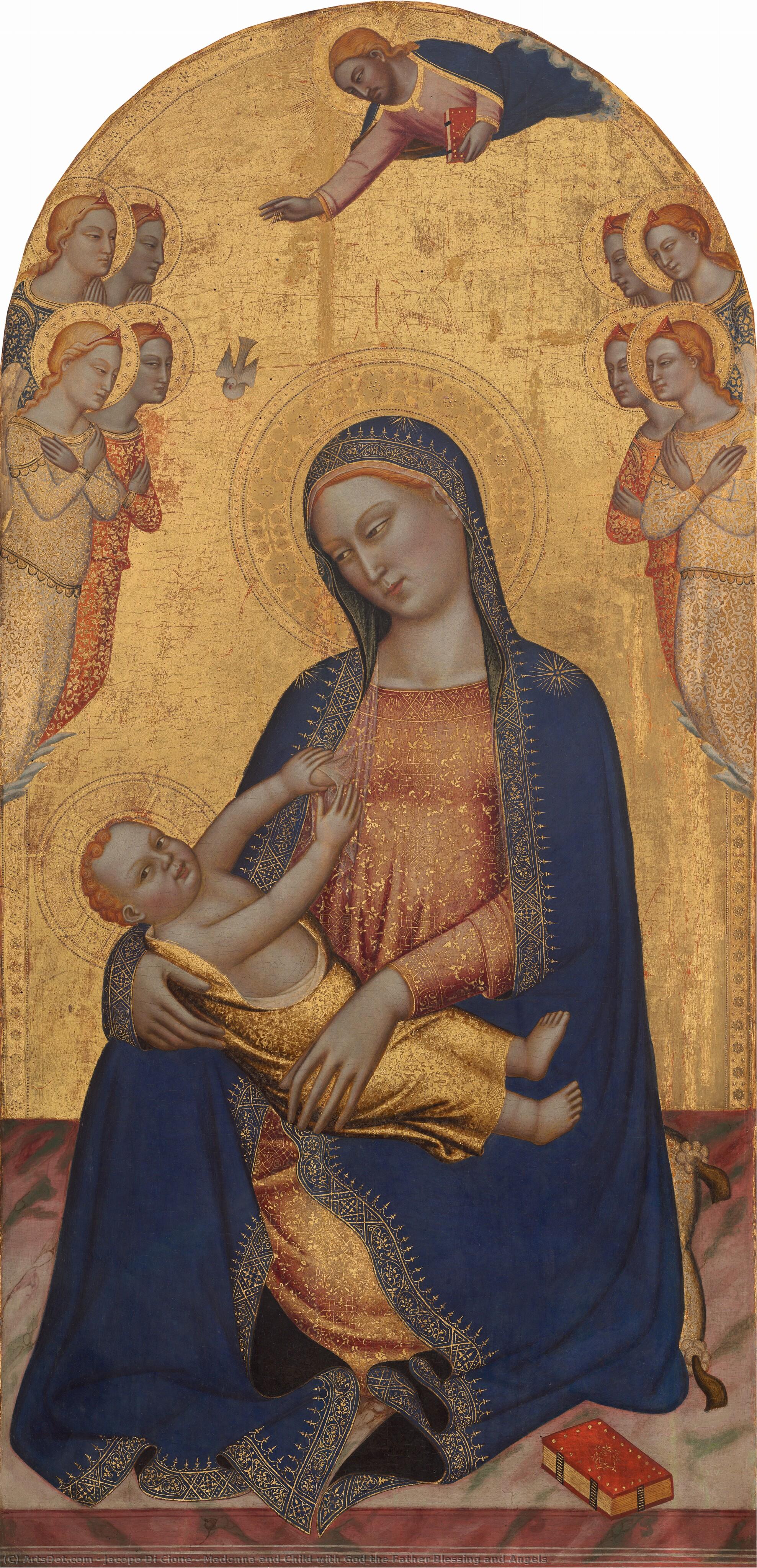
Madonna and Child with God the Father Blessing and Angels
 1375
1375 141.0 x 69.0 cm
 Ver más
Adquiera una imagen digital de alta resolución y optimizada, muy superior a la vista previa en línea.
Cada archivo es preparado meticulosamente por nuestros especialistas internos mediante el uso de herramientas avanzadas y un experto retoque manual. Nos aseguramos de que cada imagen posea una claridad excepcional, una precisión cromática impecable y un detalle minucioso.
El archivo final se entrega por correo electrónico en un plazo de 72 horas, optimizado para su uso inmediato en entornos profesionales, editoriales y de impresión. Esta es la misma calidad en la que confían los estudios de diseño, las editoriales y las galerías de primer nivel.
Imagen Digital
Descarga un archivo de alta resolución para exhibición personal, impresión y proyectos creativos. ( Comprar impresión Comprar pintura hecha a mano)
Incluido en cada pedido de imágenes digitales
Entrega digital experta, garantizada.
Al elegir ArtsDot.com, no solo está adquiriendo una imagen; está recibiendo una obra de arte digital mejorada profesionalmente, elaborada con precisión y respaldada por una garantía de satisfacción. Esto es todo lo que incluye su pedido, automáticamente:

Entrega rápida por email
Recibirá su archivo de imagen digital en alta resolución por correo electrónico en un plazo de 72 horas tras realizar su pedido, listo para su uso inmediato.

Archivo digital optimizado por IA
Su obra de arte se optimiza profesionalmente mediante herramientas avanzadas de IA y edición manual, garantizando el máximo detalle, claridad y precisión cromática.

Reenvío gratuito de por vida
¿Has borrado o perdido tu archivo por error? No te preocupes: te lo volveremos a enviar en cualquier momento, sin coste adicional.

Sin gastos de importación, siempre
Disfrute de su obra de arte al instante sin aduanas, aranceles ni gastos de envío; las descargas digitales siempre están libres de impuestos.

Garantía de fidelidad de color
Garantizamos que su imagen digital refleje los colores originales con la mayor fidelidad posible, mediante el uso de herramientas profesionales y gestión del color.

Garantía de satisfacción de 60 días
Si no está satisfecho con su imagen digital, la revisaremos o le reembolsaremos el 100% en un plazo de 60 días, sin preguntas.

100% Garantía de devolución de dinero
¿No está satisfecho? Obtenga un reembolso completo dentro de los 60 días posteriores a la recepción de su archivo digital, sin necesidad de explicaciones.

Descuentos por pedidos grandes
Compra 3 imágenes, ahorra 10% - Compra 5, ahorra 15% - Compra 10+, ahorra 20%. Ideal para proyectos creativos, galerías y agencias.
Obras relacionadas








Biografía del artista
Jacopo di Cione: A Florentine Gothic Pioneer
Jacopo di Cione (c. 1325 – c. 1399) stands as a cornerstone of Florentine Gothic art, embodying the spirit of innovation and collaboration that characterized the burgeoning Renaissance era. Born in Florence sometime between 1320 and 1330, he emerged from a family deeply rooted in artistic tradition—his three elder brothers, Andrea di Cione (Orcagna), Nardo di Cione, and Matteo di Cione—were themselves accomplished painters, establishing a lineage of creative excellence. This familial connection profoundly shaped Jacopo’s artistic trajectory, fostering an environment where experimentation and collaborative endeavors thrived.Early Life & Family Legacy
The Di Cione brothers were renowned for their meticulous craftsmanship and stylistic unity, reflecting the prevailing aesthetic sensibilities of their time. Their father, Giovanni di Cione, was a sculptor who instilled in his sons a passion for artistic pursuits, ensuring that Florentine art would continue to flourish through generations. Andrea, Nardo and Matteo’s dedication to mastering sculptural techniques—particularly stone carving—served as an invaluable foundation for Jacopo's own artistic development. The brothers’ unwavering commitment to stylistic consistency underscored the importance of tradition within their family and contributed significantly to Florence’s artistic identity during the Gothic period.Guild Membership & Artistic Development
Jacopo’s involvement with the Arte dei Medici e Speziali in 1369 marked a pivotal moment in his career, solidifying his position within Florence's artistic community and providing access to influential patrons. This affiliation fostered connections with fellow artists like Niccolò di Pietro Gerini, fueling stylistic dialogues and furthering artistic advancements. The Guildhall of the Judges and Notaries commission—a monumental undertaking—presented Jacopo with an unparalleled opportunity to showcase his technical prowess and collaborate on a grand scale. His membership within the Arte dei Medici e Speziali ensured that he remained abreast of emerging trends and benefited from the patronage of wealthy Florentine families, propelling him to the forefront of artistic innovation.Notable Commissions & Collaborative Projects
Jacopo’s reputation soared during his lifetime thanks to a string of prestigious commissions that showcased his versatility and technical skill. Perhaps most famously, he undertook the monumental task of decorating the Guildhall of the Judges and Notaries in Florence (1366–68), producing an altarpiece featuring a breathtaking depiction of Christ's crucifixion—a work now housed in the National Gallery, London. This ambitious undertaking cemented his place among Florence’s leading artists. Following Andrea di Cione’s untimely death in 1368, Jacopo skillfully assumed responsibility for several of his brother’s unfinished projects, notably guaranteeing to complete a painting of the Virgin Mary and overseeing the execution of St Matthew's altarpiece for Orsanmichele. His partnership with Niccolò di Pietro Gerini yielded remarkable results, exemplified by their collaborative effort on the polyptych for San Pier Maggiore (1370–71), where Jacopo’s contribution focused on narrating key scenes from Saint Peter’s life. The Coronation of the Virgin Panel commissioned by the Florentine Mint in 1372–73 represents another testament to Jacopo’s artistic vision and collaborative spirit—Gerini designed the overall composition, while Jacopo meticulously rendered the intricate details of the coronation itself.Florence Cathedral & Artistic Patronage
Jacopo's dedication extended beyond commissions; he actively participated in shaping Florence’s cultural landscape through his involvement with the cathedral workshop and his role as consul of the Arte dei Medici e Speziali (1384, 1387, 1392). His commitment to procuring marble for the cathedral underscored his understanding of artistic grandeur and civic responsibility. Furthermore, he continued to secure patronage from influential families like the Albizzi, ensuring that Florentine art would endure as a symbol of prestige and cultural achievement. He remained steadfast in upholding Florence’s artistic heritage—a legacy that continues to inspire admiration centuries later.Legacy & Historical Significance
Jacopo di Cione’s influence resonated throughout the Gothic period and beyond, establishing him as one of Florence’s foremost painters. His masterful technique—characterized by meticulous detail, vibrant color palettes, and skillful use of gold leaf—served as an inspiration for subsequent generations of artists. The dispersed predella depicting scenes from Saint Peter’s life – a collaborative effort with Niccolò di Pietro Gerini – remains a poignant reminder of Jacopo's artistic legacy and the enduring power of Florentine Gothic art. His work continues to captivate audiences today, securing his place as an unforgettable figure in the annals of Italian Renaissance history.
Jacopo di Cione
1325 - 1399 , Italia
Breves datos
- Artistic Movement Or Style: Gótico
- Artists Who Influenced This Artist:
- Andrea di Cione (Orcagna)
- Niccolò di Pietro Gerini
- Date Of Birth: Florence, Italia (c. 1325)
- Date Of Death: Florence, Italia (c. 1399)
- Full Name: Jacopo di Cione
- Nationality: Italiano
- Notable Artworks:
- El Milagro de San Marcos Liberando al Esclavo
- Retrato de Jacopo Sansovino
- Place Of Birth: Florencia, Italia

