 Ver en contexto
 Enviar
 Compartir
 Detalles

 Descargar
 Similares
 Radiografía
 Presentación de diapositivas
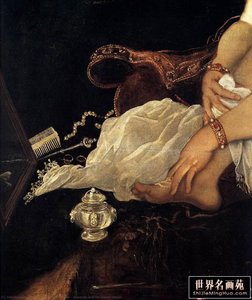
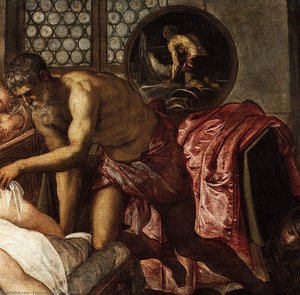
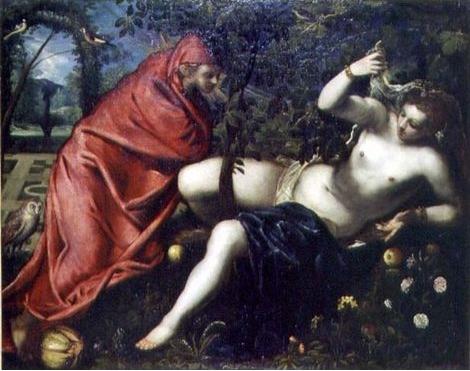
Angelica and the hermit
 Oil On Canvas
- WallArt
- Baroque Drama Light
 255.0 x 175.0 cm
 Ver más
Reproducción al óleo hecha a mano
Óleo sobre lienzo pintado a mano en el tamaño y marco de su elección, realizado por encargo por nuestros artistas. ( Comprar impresión Comprar imagen)




P118B $10

P118H $10

P118W $10

P438Z $10

P508JH $12

P508YH $12

P805H $10

P805Z $10

P919BZ $10

P919G $10

P919XJ $10

P959ZH $10

P968JZ $12

W106C $8

W218G $10

W218JH $8

W218Y $10

W307PJ $10

W316G $10

W316PJ $8

W316Y $10

W398PJ $8

W4111J $10

W500HY $15

W500JH $15

W692G $12

W849H $8

W940BG $15

W953PJ $8




Elija entre nuestros tamaños predefinidos que respetan las proporciones originales de la obra.

Puede ingresar sus propias dimensiones para adaptarse a un marco o espacio específico. Si el tamaño seleccionado no coincide con las proporciones de la imagen original, recortaremos la obra o extenderemos la pintura con elementos adicionales pintados a mano. Se le enviará una maqueta digital para su aprobación antes de comenzar la producción.
Tenga en cuenta que la vista previa en pantalla no refleja el recorte o la extensión reales. Solo la maqueta mostrará con precisión la composición final.
Si bien existen tamaños personalizados, recomendamos seleccionar una dimensión de la lista predefinida para preservar las proporciones originales.
Tras realizar el pedido, el equipo de ArtsDot.com enviará un correo electrónico al cliente para solicitar instrucciones y proporcionarle una vista previa del boceto.
Envío a todo el mundo () en 3-4 semanas en lugar de las 5 semanas estándar. (6 septiembre). Sin comprometer la calidad.

Envío exprés gratuito a todo el mundo

Lienzo de lino de alta calidad

Seguro de envío total

Garantía de reembolso de impuestos aduaneros

Garantía de fidelidad cromática exacta

Política de devolución de 100 días (solo por defectos)

Garantía de devolución del 100% del dinero

Descuento por cantidad
 La opción de vidrio solo está disponible en tamaños inferiores a 110 cm.

Angelica and the hermit
Técnica de reproducción
Dimensiones de la reproducción
-


Precio total final
$ 263
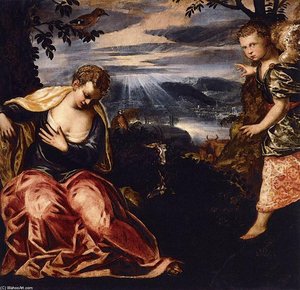
A Dramatic Encounter in the Forest: Tintoretto’s *Angelica and the Hermit*
Jacopo Tintoretto's Angelica and the Hermit, rendered here at an impressive 255 x 175 cm, is a captivating exploration of human interaction and primal instinct, characteristic of the Venetian master’s dramatic approach to composition and light. Painted around the mid-16th century, this work exemplifies Tintoretto's mastery in conveying intense emotion through gesture and spatial dynamism – hallmarks that firmly place it within the burgeoning Baroque style. The scene unfolds within a dense forest setting, immediately establishing an atmosphere of both vulnerability and potential danger. The figures, rendered with remarkable anatomical detail and imbued with a palpable sense of tension, are not simply subjects but embodiments of conflicting desires and primal urges.
- Subject Matter: The painting depicts a strikingly intimate encounter between two individuals – Angelica, a figure often associated with innocence and beauty, and a solitary hermit. Their positioning, with the hermit standing over Angelica’s spread legs and holding an apple, immediately evokes a sense of transgression and vulnerability.
- Compositional Drama: Tintoretto's genius lies in his masterful manipulation of space and perspective. The figures are not neatly arranged; instead, they occupy a deliberately unbalanced composition, creating a feeling of unease and drawing the viewer into the heart of the scene. The use of diagonal lines further intensifies this sense of movement and instability.
Tintoretto’s Revolutionary Technique
Tintoretto's technique was revolutionary for his time. He eschewed the meticulous detail favored by many of his contemporaries, opting instead for a looser, more expressive style. His brushstrokes are visible, contributing to the painting’s sense of immediacy and energy. The artist employed a layering technique – *stratification* – building up color and form through multiple translucent glazes, creating a luminous effect that is particularly evident in the depiction of light filtering through the forest canopy. This approach, combined with his understanding of atmospheric perspective, gives the scene a remarkable three-dimensionality. The use of oil paint allowed for subtle gradations of tone and color, contributing to the overall richness and depth of the image.
- Color Palette: Tintoretto’s palette is dominated by rich, earthy tones – browns, ochres, and reds – punctuated by flashes of white and gold. These colors contribute to the painting's dramatic intensity and evoke a sense of both warmth and foreboding.
- Light and Shadow: The masterful use of light and shadow is central to Tintoretto’s style. He employed *chiaroscuro* – the dramatic contrast between light and dark – to sculpt the figures, heighten their emotional impact, and create a sense of theatricality.
Symbolism and Interpretation
The symbolism within Angelica and the Hermit is layered and open to interpretation. The apple, held by the hermit, traditionally represents temptation and forbidden knowledge. Angelica’s pose suggests vulnerability and perhaps even submission, while the bird perched above her could symbolize a watchful spirit or a harbinger of fate. Given Tintoretto's penchant for allegorical narratives, it’s plausible that this scene is not merely a depiction of a physical encounter but a meditation on themes of desire, morality, and the struggle between innocence and experience. The hermit himself represents solitude, contemplation, and perhaps even a rejection of societal norms.
A Timeless Masterpiece – Recreated for Today
This hand-painted reproduction captures the essence of Tintoretto’s genius, offering an unparalleled opportunity to bring this dramatic masterpiece into your home or office. Each detail, from the rich textures of the forest foliage to the expressive gestures of the figures, is meticulously recreated by our skilled artisans, ensuring a faithful and enduring representation of this iconic work. Whether you are an art collector, interior designer, or simply someone who appreciates exceptional beauty, this reproduction offers a unique connection to one of Venice’s most celebrated artists – Jacopo Tintoretto.
Obras relacionadas
Biografía del artista
Jacopo Tintoretto (1518-1594)
Primeros Años y Aprendizaje
- Nacido Jacopo Robusti en Venecia alrededor de finales de septiembre o principios de octubre de 1518.
- Su padre, Battista Robusti, era tintorero – por lo tanto, el apodo “Tintoretto” (“el pequeño tintorero”).
- Los detalles de su formación formal son escasos; los informes sugieren un breve y fallido aprendizaje con Tiziano.
- Probablemente se auto-enseñó, estudiando la anatomía a través de la disección y el dibujo a partir de moldes y relieves.
Desarrollo Artístico y Estilo
- El estilo de Tintoretto se caracteriza por composiciones dramáticas, figuras enérgicas y un audaz uso de la perspectiva.
- Sus primeras obras muestran una mezcla de influencias, incluyendo a Tiziano, Miguel Ángel y otros maestros venecianos.
- Desarrolló una técnica distintiva que involucraba pinceladas rápidas y efectos de iluminación innovadores – lo que le valió el apodo “Il Furioso” (“el furioso”).
- Su obra se movió hacia escenas cada vez más dinámicas y cargadas emocionalmente, a menudo con complejas disposiciones espaciales.
Obras Maestras y Logros
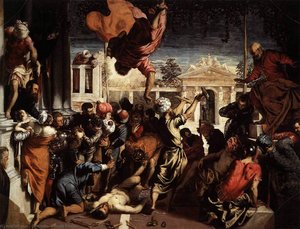
- El Milagro de San Marcos Liberando al Esclavo (1548): Un poderoso ejemplo de su composición dramática y habilidades de perspectiva.
- Trabajos en la Scuola Grande di San Rocco, Venecia: Incluyendo “La Asunción de la Virgen” y numerosos otros cuadros, que muestran su maestría en la narrativa y la escala.
- La Última Cena (1592-1594): Una obra monumental que demuestra su enfoque innovador para un tema tradicional.
- Numerosas pinturas religiosas e históricas para iglesias y palacios venecianos.
Influencias y Legado
- Fue influenciado por el colorismo de Tiziano y el estilo de figuras dinámicas de Miguel Ángel.
- La obra de Tintoretto conectó los espacios entre el Renacimiento y el Barroco, influyendo en artistas posteriores con sus composiciones dramáticas y pinceladas expresivas.
- Su uso innovador de la luz y la sombra anticipó técnicas utilizadas por Caravaggio y otros maestros del Barroco.
- Dejó atrás un vasto cuerpo de trabajo que continúa inspirando y cautivando al público hoy en día.
Significado Histórico
- Tintoretto fue uno de los tres grandes pintores venecianos del siglo XVI, junto con Tiziano y Paolo Veronese.
- Jugó un papel crucial en la configuración del panorama artístico de Venecia durante el Renacimiento tardío.
- Su obra refleja la fervor religioso y las tensiones políticas de su tiempo.
- El legado de Tintoretto como maestro de composición dramática y pintura expresiva perdura, consolidando su lugar como uno de los artistas más importantes de la historia.
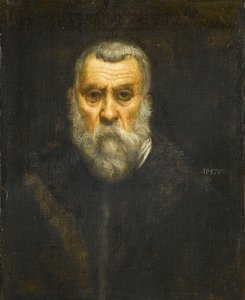
Jacopo Tintoretto
1518 - 1594 , Italia
Datos clave
- Artistas Influenciados: ['Caravaggio']
- Artistas Que Influyeron:
- Tiziano
- Miguel Ángel
- Fecha De Muerte: 1594
- Fecha De Nacimiento: 1518
- Lugar De Nacimiento: Venecia, Italia
- Movimiento Artístico: Manierismo, Renacimiento
- Nacionalidad: Veneciano
- Nombre Completo: Jacopo Tintoretto
- Obras Notables:
- El Milagro de San Marcos
- La Asunción de la Virgen
- La Última Cena
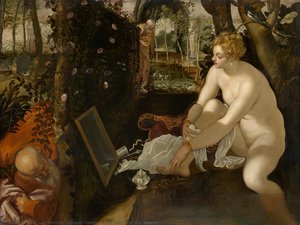
- Susanna y los Ancianos
Artículos relacionados

Jacopo Tintoretto: Las 25 Obras Maestras del Genio Veneciano | Arte y Decoración en ArtsDot
Descubre las 25 obras maestras de Jacopo Tintoretto, el genio veneciano del Renacimiento. Explora su arte dramático, composiciones innovadoras y paleta vibrante. Reproducciones de alta calidad en ArtsDot.com para transformar tu hogar.

Giclée Prints: Archival Quality & Aesthetic Nuances for the Discerning Collector
Explore the world of giclée prints with ArtsDot. Learn about archival quality, aesthetic nuances & investment potential. Expert guidance for discerning art collectors seeking museum-quality reproductions and lasting value.
Art Prints vs. Oil Paintings: A Newlywed's Guide to Curating a Timeless Home Collection
Discover how to choose between exquisite hand-painted oil reproductions and versatile art prints. Our expert guide for newlyweds helps you balance budget and beauty to curate a timeless, soulful home collection filled with meaning and lasting legacy.

The Enduring Legacy of Fine Art Prints: Technique, History & Aesthetic Impact
Explore the rich history & techniques of fine art prints. Discover investment potential, assess authenticity, and learn how to preserve your collection with expert guidance. Trusted insights for discerning collectors.

Echoes of Time: Exploring the Enduring Appeal & Historical Context of Vintage Art Prints
Explore the captivating world of vintage art prints! Discover their history, collecting tips & enduring appeal. Expert insights on chromolithography and building a legacy collection with ArtsDot.