 Ver en contexto
 Enviar
 Compartir
 Detalles

 Descargar
 Similares
 Radiografía
 Presentación de diapositivas
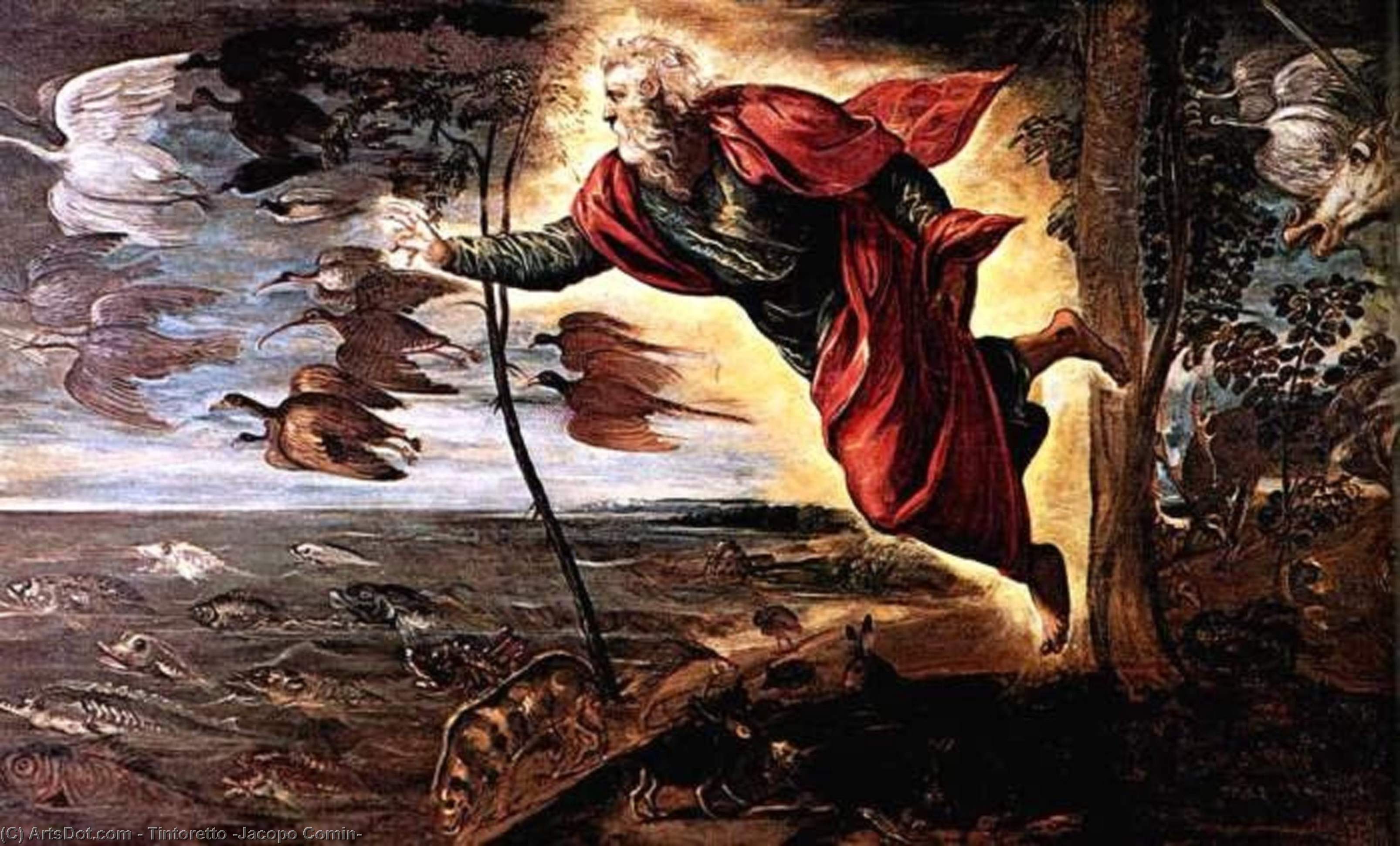
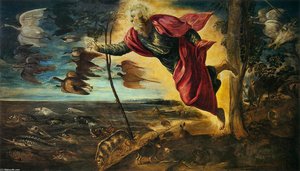
Creation of the Animals


 Ver más
Reproducción al óleo hecha a mano
Óleo sobre lienzo pintado a mano en el tamaño y marco de su elección, realizado por encargo por nuestros artistas. ( Comprar impresión Comprar imagen)




P118B $10

P118H $10

P118W $10

P438Z $10

P508JH $12

P508YH $12

P805H $10

P805Z $10

P919BZ $10

P919G $10

P919XJ $10

P959ZH $10

P968JZ $12

W106C $8

W218G $10

W218JH $8

W218Y $10

W307PJ $10

W316G $10

W316PJ $8

W316Y $10

W398PJ $8

W4111J $10

W500HY $15

W500JH $15

W692G $12

W849H $8

W940BG $15

W953PJ $8




Elija entre nuestros tamaños predefinidos que respetan las proporciones originales de la obra.

Puede ingresar sus propias dimensiones para adaptarse a un marco o espacio específico. Si el tamaño seleccionado no coincide con las proporciones de la imagen original, recortaremos la obra o extenderemos la pintura con elementos adicionales pintados a mano. Se le enviará una maqueta digital para su aprobación antes de comenzar la producción.
Tenga en cuenta que la vista previa en pantalla no refleja el recorte o la extensión reales. Solo la maqueta mostrará con precisión la composición final.
Si bien existen tamaños personalizados, recomendamos seleccionar una dimensión de la lista predefinida para preservar las proporciones originales.
Tras realizar el pedido, el equipo de ArtsDot.com enviará un correo electrónico al cliente para solicitar instrucciones y proporcionarle una vista previa del boceto.
Envío a todo el mundo () en 3-4 semanas en lugar de las 5 semanas estándar. (3 septiembre). Sin comprometer la calidad.

Envío exprés gratuito a todo el mundo

Lienzo de lino de alta calidad

Seguro de envío total

Garantía de reembolso de impuestos aduaneros

Garantía de fidelidad cromática exacta

Política de devolución de 60 días (solo por defectos)

Garantía de devolución del 100% del dinero

Descuento por cantidad
 La opción de vidrio solo está disponible en tamaños inferiores a 110 cm.

Creation of the Animals
Técnica de reproducción
Dimensiones de la reproducción
-


Precio total final
$ 263
A Visionary Triumph of Light and Faith
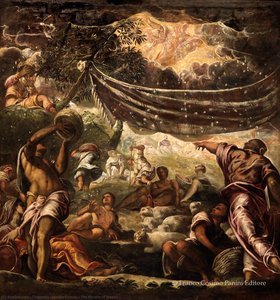
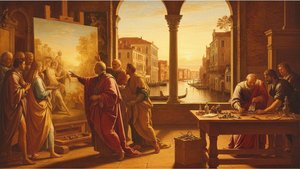
In the heart of Venice’s storied history, Jacopo Tintoretto’s “Creation of the Animals” emerges as a monumental testament to the dramatic spirit of Venetian Mannerism. Painted circa 1550 for the prestigious Sala dell’Albergo Nuovo in the Scuola Grande di San Marco, this masterpiece transcends a mere biblical illustration. While it draws upon the Genesis account of life emerging from the Ark, the canvas serves as a profound exploration of divine majesty and the interconnectedness of all living things. To gaze upon this work is to witness a moment where the earthly and the divine collide, captured through Tintoretto’s unparalleled mastery of chiaroscuro.
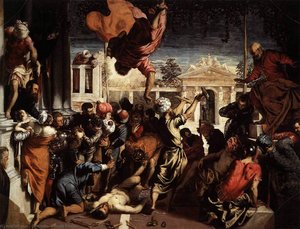
The painting orchestrates a complex, swirling narrative that pulls the viewer into a celestial event. At its core, the scene portrays a miraculous revival, drawing inspiration from the Golden Legend, where Saint Mark acts as a conduit for God’s grace. The composition is masterfully structured in a pyramidal form, a technique designed to guide the eye upward toward the radiant illumination emanating from the divine hand. This movement creates an almost hallucinatory sense of depth, as if the viewer is witnessing a rupture in the fabric of reality itself.
The Dance of Motion and Symbolism
Tintoretto does not merely depict animals; he breathes life into them with a palpable, kinetic energy. The canvas pulsates with movement: birds soar through turbulent, invisible currents, while cows gaze with an intense, soulful presence toward the saint. This dynamism is far from accidental; it serves to underscore the central theological message that God's power transcends earthly constraints, bringing forth vibrant life from the stillness of despair. Every creature within the frame—from the soaring raptors in the upper corners to the grounded beasts below—contributes to a rich tapestry of symbolism representing fertility, abundance, and the eternal cycle of creation.
The artist’s use of color and texture further elevates the emotional impact of the piece. Through meticulous oil painting techniques on canvas, Tintoretto captures the heavy weight of drapery and the soft, ethereal glow of light hitting a wing or a hide. The man in red robes, appearing as a divine messenger, moves through the air with an outstretched grace that anchors the chaotic beauty of the surrounding fauna. It is this tension between the structured composition and the wild, untamed energy of the animals that makes the work so arresting for the modern observer.
An Inspiration for the Discerning Collector
For art lovers and interior designers alike, a high-quality reproduction of “Creation of the Animals” offers more than just decoration; it provides a focal point of profound intellectual and emotional depth. The painting’s dramatic use of light and shadow makes it an extraordinary addition to spaces that require a sense of grandeur and movement. Whether placed in a contemporary gallery setting or a classic, richly textured study, the work commands attention through its sheer scale of vision.
Owning a piece that evokes the spirit of Tintoretto means inviting the "little dyer" into one's home—a man whose audacious experimentation and independent spirit redefined the High Renaissance. This artwork is an invitation to contemplate the sublime, making it a premier choice for collectors seeking to surround themselves with pieces that embody the triumph of light over darkness and the enduring power of faith.
Obras relacionadas
Biografía del artista
Jacopo Tintoretto (1518-1594)
Primeros Años y Aprendizaje
- Nacido Jacopo Robusti en Venecia alrededor de finales de septiembre o principios de octubre de 1518.
- Su padre, Battista Robusti, era tintorero – por lo tanto, el apodo “Tintoretto” (“el pequeño tintorero”).
- Los detalles de su formación formal son escasos; los informes sugieren un breve y fallido aprendizaje con Tiziano.
- Probablemente se auto-enseñó, estudiando la anatomía a través de la disección y el dibujo a partir de moldes y relieves.
Desarrollo Artístico y Estilo
- El estilo de Tintoretto se caracteriza por composiciones dramáticas, figuras enérgicas y un audaz uso de la perspectiva.
- Sus primeras obras muestran una mezcla de influencias, incluyendo a Tiziano, Miguel Ángel y otros maestros venecianos.
- Desarrolló una técnica distintiva que involucraba pinceladas rápidas y efectos de iluminación innovadores – lo que le valió el apodo “Il Furioso” (“el furioso”).
- Su obra se movió hacia escenas cada vez más dinámicas y cargadas emocionalmente, a menudo con complejas disposiciones espaciales.
Obras Maestras y Logros
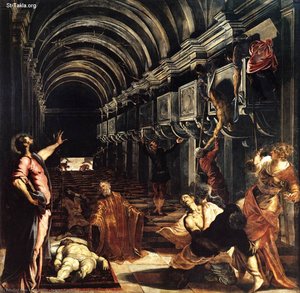
- El Milagro de San Marcos Liberando al Esclavo (1548): Un poderoso ejemplo de su composición dramática y habilidades de perspectiva.
- Trabajos en la Scuola Grande di San Rocco, Venecia: Incluyendo “La Asunción de la Virgen” y numerosos otros cuadros, que muestran su maestría en la narrativa y la escala.
- La Última Cena (1592-1594): Una obra monumental que demuestra su enfoque innovador para un tema tradicional.
- Numerosas pinturas religiosas e históricas para iglesias y palacios venecianos.
Influencias y Legado
- Fue influenciado por el colorismo de Tiziano y el estilo de figuras dinámicas de Miguel Ángel.
- La obra de Tintoretto conectó los espacios entre el Renacimiento y el Barroco, influyendo en artistas posteriores con sus composiciones dramáticas y pinceladas expresivas.
- Su uso innovador de la luz y la sombra anticipó técnicas utilizadas por Caravaggio y otros maestros del Barroco.
- Dejó atrás un vasto cuerpo de trabajo que continúa inspirando y cautivando al público hoy en día.
Significado Histórico
- Tintoretto fue uno de los tres grandes pintores venecianos del siglo XVI, junto con Tiziano y Paolo Veronese.
- Jugó un papel crucial en la configuración del panorama artístico de Venecia durante el Renacimiento tardío.
- Su obra refleja la fervor religioso y las tensiones políticas de su tiempo.
- El legado de Tintoretto como maestro de composición dramática y pintura expresiva perdura, consolidando su lugar como uno de los artistas más importantes de la historia.
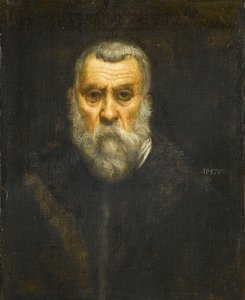
Jacopo Tintoretto
1518 - 1594 , Italia
Datos clave
- Artistas Influenciados: ['Caravaggio']
- Artistas Que Influyeron:
- Tiziano
- Miguel Ángel
- Fecha De Muerte: 1594
- Fecha De Nacimiento: 1518
- Lugar De Nacimiento: Venecia, Italia
- Movimiento Artístico: Manierismo, Renacimiento
- Nacionalidad: Veneciano
- Nombre Completo: Jacopo Tintoretto
- Obras Notables:
- El Milagro de San Marcos
- La Asunción de la Virgen
- La Última Cena
- Susanna y los Ancianos
Artículos relacionados

Jacopo Tintoretto: Las 25 Obras Maestras del Genio Veneciano | Arte y Decoración en ArtsDot
Descubre las 25 obras maestras de Jacopo Tintoretto, el genio veneciano del Renacimiento. Explora su arte dramático, composiciones innovadoras y paleta vibrante. Reproducciones de alta calidad en ArtsDot.com para transformar tu hogar.
Animalia: Explorando la Presencia Duradera de los Animales en el Arte y el Diseño de Interiores
Descubre la fascinante historia de los animales en el arte y cómo inspirar tu hogar con su simbolismo. Expertos en reproducciones y asesoramiento artístico.
La Luz Dorada de la Innovación: Explorando el Renacimiento Veneciano (1430–1580)
Descubra la riqueza y el esplendor del Renacimiento veneciano con ArtsDot. Explore las obras maestras de Tiziano, Giorgione y Tintoretto. Análisis experto, historia detallada e información para coleccionistas.

The Enduring Legacy of Oil on Canvas: Technique, History & Aesthetic Impact
Explore the rich history & techniques of oil painting – from Renaissance masters to Impressionism. Discover pigments, layering methods, and why this timeless medium endures. Expert insights for artists & art enthusiasts.

The Enduring Power of Painting: A Historical & Contemporary Exploration of Form and Emotion
Explore the rich history & enduring techniques of oil painting with ArtsDot. Discover masterpieces, learn about art collecting, and find authentic handmade reproductions crafted by skilled artists.