 Ver en contexto
 Enviar
 Compartir
 Detalles

 Descargar
 Similares
 Radiografía
 Presentación de diapositivas
 Estadísticas
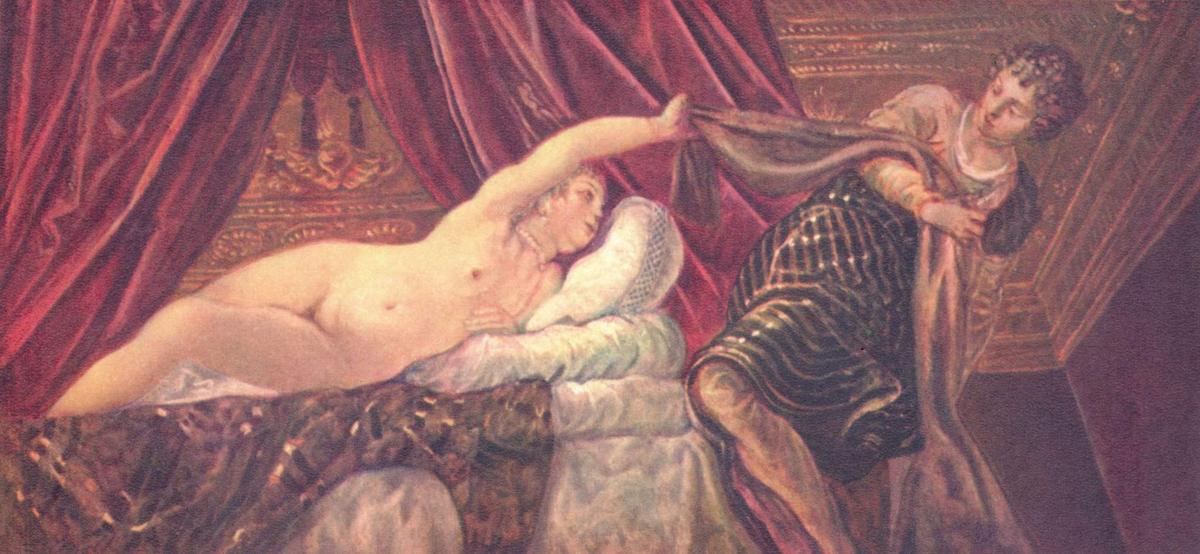
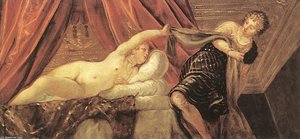
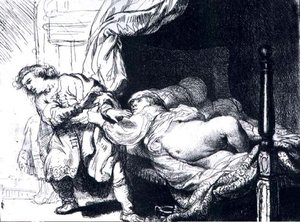
Joseph and Potiphar's wife
 Oil On Canvas
- WallArt
- Baroque Drama
 1544
1544- Renaissance
 54.0 x 117.0 cm
 Ver más
Giclée / Impresión de arte
Impresiones giclée o en lienzo de calidad de museo con producción rápida y opciones de acabado flexibles. ( Comprar pintura hecha a mano Cambiar a imagen digital)




P118B $10

P118H $10

P118W $10

P438Z $10

P508JH $12

P508YH $12

P805H $10

P805Z $10

P919BZ $10

P919G $10

P919XJ $10

P959ZH $10

P968JZ $12

W106C $8

W218G $10

W218JH $8

W218Y $10

W307PJ $10

W316G $10

W316PJ $8

W316Y $10

W398PJ $8

W4111J $10

W500HY $15

W500JH $15

W692G $12

W849H $8

W940BG $15

W953PJ $8




Elija entre nuestros tamaños predefinidos que respetan las proporciones originales de la obra.

Puede introducir sus propias dimensiones para adaptarse a un marco o espacio específico. Si el tamaño seleccionado no coincide con las proporciones de la imagen original, recortaremos la obra de arte o extenderemos la imagen con un borde con efecto espejo o de color sólido. Se enviará una maqueta digital para su aprobación antes de que comience la producción.
Tenga en cuenta que la vista previa en pantalla no refleja el recorte o la extensión real. Solo la maqueta mostrará con precisión la composición final.
Aunque existen tamaños personalizados, recomendamos seleccionar una dimensión de la lista predefinida para preservar las proporciones originales.
Envío a todo el mundo () en 2 semanas en lugar de las 4/5 semanas estándar. (8 septiembre)

Envío exprés gratuito a todo el mundo

Lienzo de lino de alta calidad

Seguro de envío total

Garantía de reembolso de impuestos aduaneros

Garantía de fidelidad cromática exacta

Política de devolución de 100 días (solo por defectos)

Garantía de devolución del 100% del dinero

Descuento por cantidad
 La opción de vidrio solo está disponible en tamaños inferiores a 110 cm.

Joseph and Potiphar's wife
Giclée / Impresión de arte
Dimensiones de la reproducción
-


Precio total final
$ 62
A Dance of Shadow and Desire
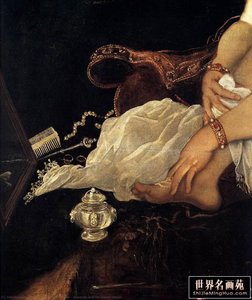
In the heart of the Venetian Renaissance, where light and shadow perform an eternal ballet, Jacopo Tintoretto captured a moment of profound human frailty and divine tension. His masterpiece, Joseph and Potiphar's Wife, is not merely a depiction of a biblical encounter; it is a visceral exploration of the precipice between virtue and transgression. As the eye wanders across the canvas, one is immediately struck by the theatricality of the scene—a hallmark of the Venetian Mannerist style. The composition pulls the viewer into a clandestine world where the air feels heavy with the scent of silk, sweat, and impending judgment. Tintoretto masterfully utilizes chiaroscuro to sculpt the figures from the darkness, using sudden, brilliant flashes of light to illuminate the tangled limbs and the desperate gaze of Potiphar’s wife as she clings to Joseph.
The narrative, drawn from the Book of Genesis, finds its visual heartbeat in the tension between the physical and the spiritual. The painting captures that breathless second before a choice is made, a moment poised on the edge of catastrophe. Through his uniquely expressive brushwork, Tintoretto moves away from the serene perfection of his contemporaries to embrace a more rugged, emotional truth. The figures possess an elongated, almost restless energy, their bodies reacting to the psychological weight of the encounter. For the collector or the lover of fine art, this piece offers more than just a historical window; it provides a profound study of how light can be used to reveal the hidden complexities of the human soul.
The Mastery of the Venetian Brush
To understand the brilliance of this work, one must look closer at Tintoretto’s revolutionary technique. Often referred to as il Furioso due to his rapid and energetic execution, the artist employed a method that prioritized emotional impact over meticulous, polished realism. He layered glazes with an almost rhythmic intensity, creating textures that seem to vibrate under the candlelight. His palette, dominated by deep, earthy browns and bruised reds, serves to ground the drama in a sense of somber reality, while the sharp highlights create a sense of movement that is almost cinematic. This technique allows the viewer to feel the weight of the fabric and the warmth of the skin, making the scene feel less like a distant myth and more like an unfolding drama occurring in real-time.
For those looking to bring the grandeur of the 16th century into a modern interior, this painting serves as a magnificent focal point. Its dramatic scale and intense tonal range make it an ideal centerpiece for spaces that demand character and depth. Whether placed in a study filled with leather-bound books or a contemporary gallery-style living room, the work commands attention through its sheer atmospheric power. It is a piece that invites contemplation, encouraging anyone who stands before it to reflect on the eternal struggle between our highest aspirations and our most primal impulses.
Obras relacionadas
Biografía del artista
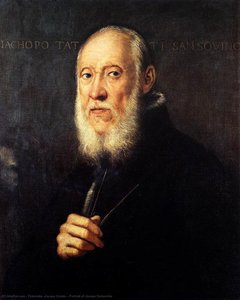
Jacopo Tintoretto (1518-1594)
Primeros Años y Aprendizaje
- Nacido Jacopo Robusti en Venecia alrededor de finales de septiembre o principios de octubre de 1518.
- Su padre, Battista Robusti, era tintorero – por lo tanto, el apodo “Tintoretto” (“el pequeño tintorero”).
- Los detalles de su formación formal son escasos; los informes sugieren un breve y fallido aprendizaje con Tiziano.
- Probablemente se auto-enseñó, estudiando la anatomía a través de la disección y el dibujo a partir de moldes y relieves.
Desarrollo Artístico y Estilo
- El estilo de Tintoretto se caracteriza por composiciones dramáticas, figuras enérgicas y un audaz uso de la perspectiva.
- Sus primeras obras muestran una mezcla de influencias, incluyendo a Tiziano, Miguel Ángel y otros maestros venecianos.
- Desarrolló una técnica distintiva que involucraba pinceladas rápidas y efectos de iluminación innovadores – lo que le valió el apodo “Il Furioso” (“el furioso”).
- Su obra se movió hacia escenas cada vez más dinámicas y cargadas emocionalmente, a menudo con complejas disposiciones espaciales.
Obras Maestras y Logros
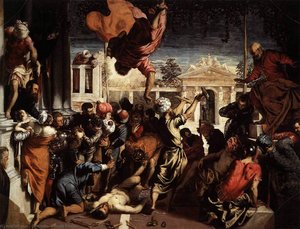
- El Milagro de San Marcos Liberando al Esclavo (1548): Un poderoso ejemplo de su composición dramática y habilidades de perspectiva.
- Trabajos en la Scuola Grande di San Rocco, Venecia: Incluyendo “La Asunción de la Virgen” y numerosos otros cuadros, que muestran su maestría en la narrativa y la escala.
- La Última Cena (1592-1594): Una obra monumental que demuestra su enfoque innovador para un tema tradicional.
- Numerosas pinturas religiosas e históricas para iglesias y palacios venecianos.
Influencias y Legado
- Fue influenciado por el colorismo de Tiziano y el estilo de figuras dinámicas de Miguel Ángel.
- La obra de Tintoretto conectó los espacios entre el Renacimiento y el Barroco, influyendo en artistas posteriores con sus composiciones dramáticas y pinceladas expresivas.
- Su uso innovador de la luz y la sombra anticipó técnicas utilizadas por Caravaggio y otros maestros del Barroco.
- Dejó atrás un vasto cuerpo de trabajo que continúa inspirando y cautivando al público hoy en día.
Significado Histórico
- Tintoretto fue uno de los tres grandes pintores venecianos del siglo XVI, junto con Tiziano y Paolo Veronese.
- Jugó un papel crucial en la configuración del panorama artístico de Venecia durante el Renacimiento tardío.
- Su obra refleja la fervor religioso y las tensiones políticas de su tiempo.
- El legado de Tintoretto como maestro de composición dramática y pintura expresiva perdura, consolidando su lugar como uno de los artistas más importantes de la historia.
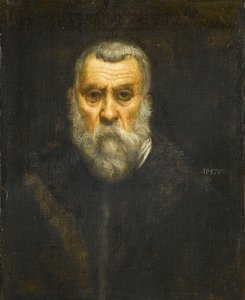
Jacopo Tintoretto
1518 - 1594 , Italia
Datos clave
- Artistas Influenciados: ['Caravaggio']
- Artistas Que Influyeron:
- Tiziano
- Miguel Ángel
- Fecha De Muerte: 1594
- Fecha De Nacimiento: 1518
- Lugar De Nacimiento: Venecia, Italia
- Movimiento Artístico: Manierismo, Renacimiento
- Nacionalidad: Veneciano
- Nombre Completo: Jacopo Tintoretto
- Obras Notables:
- El Milagro de San Marcos
- La Asunción de la Virgen
- La Última Cena
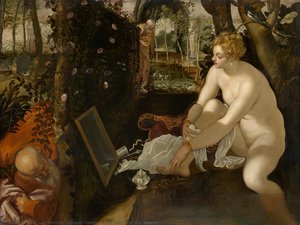
- Susanna y los Ancianos
Artículos relacionados
El Crepúsculo del Clasicismo Renacentista: Un Estudio del Estilo y la Afectación en el Manierismo
Descubre el Manierismo: un análisis profundo de este fascinante estilo artístico del Renacimiento tardío. Explora sus características, artistas clave y legado con ArtsDot.

Jacopo Tintoretto: Las 25 Obras Maestras del Genio Veneciano | Arte y Decoración en ArtsDot
Descubre las 25 obras maestras de Jacopo Tintoretto, el genio veneciano del Renacimiento. Explora su arte dramático, composiciones innovadoras y paleta vibrante. Reproducciones de alta calidad en ArtsDot.com para transformar tu hogar.
Illuminating Faith: Biblical Narrative & Artistic Expression Through the Ages
Explore the rich history of biblical art from Giotto to the Renaissance masters with ArtsDot. Discover symbolism, techniques & enduring legacies. Museum-quality reproductions & expert insights.
Sacred Narratives on Canvas: Exploring Religious Painting Through History
Explore the rich history of religious painting with ArtsDot.com! Discover iconic artworks, symbolism & techniques from antiquity to the Renaissance. Enhance your art appreciation today.
Sacred Narratives Embodied: A Comprehensive Exploration of Religious Iconography in Art History
Explore the rich history of religious iconography in art! Discover symbolism, movements & masterpieces from Byzantine to Renaissance periods. Expert insights for collectors and enthusiasts at ArtsDot.