 Ver en contexto
 Enviar
 Compartir
 Detalles

 Descargar
 Similares
 Radiografía
 Presentación de diapositivas
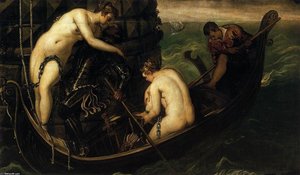
Rescue of Arsinoe
 Oil On Canvas
- WallArt
- Baroque Drama
 Renaissance
 153.0 x 251.0 cm
 Ver más
Reproducción al óleo hecha a mano
Óleo sobre lienzo pintado a mano en el tamaño y marco de su elección, realizado por encargo por nuestros artistas. ( Comprar impresión Comprar imagen)




P118B $10

P118H $10

P118W $10

P438Z $10

P508JH $12

P508YH $12

P805H $10

P805Z $10

P919BZ $10

P919G $10

P919XJ $10

P959ZH $10

P968JZ $12

W106C $8

W218G $10

W218JH $8

W218Y $10

W307PJ $10

W316G $10

W316PJ $8

W316Y $10

W398PJ $8

W4111J $10

W500HY $15

W500JH $15

W692G $12

W849H $8

W940BG $15

W953PJ $8




Elija entre nuestros tamaños predefinidos que respetan las proporciones originales de la obra.

Puede ingresar sus propias dimensiones para adaptarse a un marco o espacio específico. Si el tamaño seleccionado no coincide con las proporciones de la imagen original, recortaremos la obra o extenderemos la pintura con elementos adicionales pintados a mano. Se le enviará una maqueta digital para su aprobación antes de comenzar la producción.
Tenga en cuenta que la vista previa en pantalla no refleja el recorte o la extensión reales. Solo la maqueta mostrará con precisión la composición final.
Si bien existen tamaños personalizados, recomendamos seleccionar una dimensión de la lista predefinida para preservar las proporciones originales.
Tras realizar el pedido, el equipo de ArtsDot.com enviará un correo electrónico al cliente para solicitar instrucciones y proporcionarle una vista previa del boceto.
Envío a todo el mundo () en 3-4 semanas en lugar de las 5 semanas estándar. (26 agosto). Sin comprometer la calidad.

Envío exprés gratuito a todo el mundo

Lienzo de lino de alta calidad

Seguro de envío total

Garantía de reembolso de impuestos aduaneros

Garantía de fidelidad cromática exacta

Política de devolución de 60 días (solo por defectos)

Garantía de devolución del 100% del dinero

Descuento por cantidad
 La opción de vidrio solo está disponible en tamaños inferiores a 110 cm.

Rescue of Arsinoe
Técnica de reproducción
Dimensiones de la reproducción
-


Precio total final
$ 263
Descripción de la obra
A Cinematic Encounter on Venetian Waters
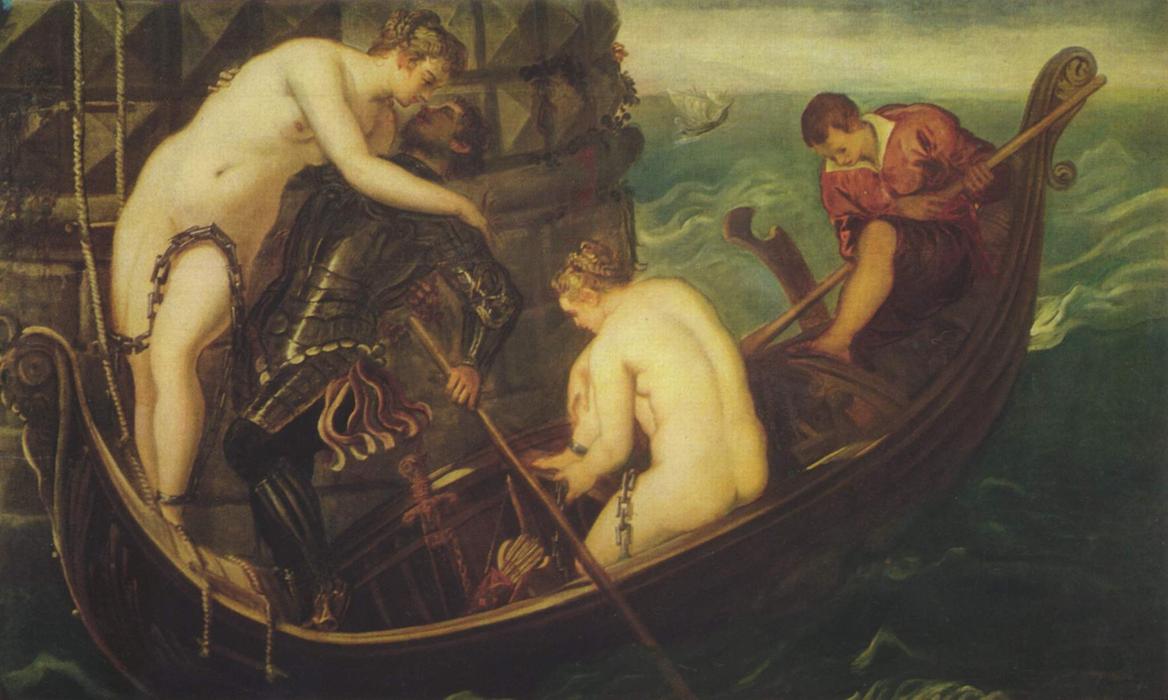
In the grand tradition of Venetian storytelling, Jacopo Tintoretto’s “Rescue of Arsinoe” stands as a breathtaking testament to the power of drama and movement. Measuring an imposing 153 x 251 cm, this monumental canvas does not merely depict a historical event; it invites the viewer into a swirling vortex of political intrigue and maritime peril. The scene captures a pivotal moment from Plutarch’s biography of Pompey the Great, where Arsinoe IV—the sister of the legendary Cleopatra VII—is being spirited away by Roman sailors. As the boat cuts through the water, there is an unmistakable sense of urgency, a palpable tension that makes the viewer feel as though they are witnessing a secret escape unfolding in real-time.
The composition is a masterclass in Venetian Baroque theatricality. Tintoretto utilizes overlapping planes and receding perspectives to create a profound sense of depth, pulling the eye from the muscular, straining figures in the foreground toward the distant, hazy horizon. The presence of a solitary bird soaring above the vessel adds a touch of natural vitality, contrasting the heavy, human drama below with the freedom of the sky. For collectors and designers, this piece offers a commanding focal point, bringing an atmosphere of adventure and historical weight to any sophisticated interior.
The Mastery of Light and Motion
To behold a Tintoretto is to witness the genius of chiaroscuro. The artist employs a dramatic interplay between deep, velvety shadows and brilliant, sudden highlights to sculpt his figures. This technique, combined with his signature alla prima method—applying paint directly to the canvas without the restraint of underpainting—imbues the work with an astonishing immediacy. The brushstrokes are rapid and energetic, reflecting the artist's nickname, "the little dyer," suggesting a life lived through the vibrant manipulation of color and light.
The figures themselves are rendered with a striking anatomical realism. Notice the tension in the limbs of the sailors and the poised, almost regal stillness of the central characters. The man seated in the middle, clad in armor that catches the flickering light, serves as an anchor amidst the surrounding chaos. This meticulous attention to human form and movement ensures that the painting remains emotionally resonant, capturing not just a moment in history, but the very essence of human struggle and resilience.
A Legacy of Resilience and Power
Beyond its technical brilliance, “Rescue of Arsinoe” is steeped in the turbulent political landscape of the late 16th century. As Rome transitioned through eras of profound change, Tintoretto looked back to the fall of Pompey to explore themes of vulnerability and defiance. The painting subtly contrasts the chaotic energy of the sailors with the composed presence of the royal figures, embodying a strategic intelligence that transcends time. It is a study in the duality of power: the raw, physical strength required for survival and the quiet, steely resolve required to lead.
For those seeking to adorn their spaces with art that inspires conversation and contemplation, this reproduction offers more than just aesthetic beauty. It provides a window into the Golden Age of Venice, offering a piece of history that resonates with the themes of heroism and survival. Whether placed in a grand gallery or a curated private study, the "Rescue of Arsinoe" serves as a timeless reminder of the enduring human spirit amidst the shifting tides of fate.
Obras relacionadas
Biografía del artista
Jacopo Tintoretto (1518-1594)
Primeros Años y Aprendizaje
- Nacido Jacopo Robusti en Venecia alrededor de finales de septiembre o principios de octubre de 1518.
- Su padre, Battista Robusti, era tintorero – por lo tanto, el apodo “Tintoretto” (“el pequeño tintorero”).
- Los detalles de su formación formal son escasos; los informes sugieren un breve y fallido aprendizaje con Tiziano.
- Probablemente se auto-enseñó, estudiando la anatomía a través de la disección y el dibujo a partir de moldes y relieves.
Desarrollo Artístico y Estilo
- El estilo de Tintoretto se caracteriza por composiciones dramáticas, figuras enérgicas y un audaz uso de la perspectiva.
- Sus primeras obras muestran una mezcla de influencias, incluyendo a Tiziano, Miguel Ángel y otros maestros venecianos.
- Desarrolló una técnica distintiva que involucraba pinceladas rápidas y efectos de iluminación innovadores – lo que le valió el apodo “Il Furioso” (“el furioso”).
- Su obra se movió hacia escenas cada vez más dinámicas y cargadas emocionalmente, a menudo con complejas disposiciones espaciales.
Obras Maestras y Logros
- El Milagro de San Marcos Liberando al Esclavo (1548): Un poderoso ejemplo de su composición dramática y habilidades de perspectiva.
- Trabajos en la Scuola Grande di San Rocco, Venecia: Incluyendo “La Asunción de la Virgen” y numerosos otros cuadros, que muestran su maestría en la narrativa y la escala.
- La Última Cena (1592-1594): Una obra monumental que demuestra su enfoque innovador para un tema tradicional.
- Numerosas pinturas religiosas e históricas para iglesias y palacios venecianos.
Influencias y Legado
- Fue influenciado por el colorismo de Tiziano y el estilo de figuras dinámicas de Miguel Ángel.
- La obra de Tintoretto conectó los espacios entre el Renacimiento y el Barroco, influyendo en artistas posteriores con sus composiciones dramáticas y pinceladas expresivas.
- Su uso innovador de la luz y la sombra anticipó técnicas utilizadas por Caravaggio y otros maestros del Barroco.
- Dejó atrás un vasto cuerpo de trabajo que continúa inspirando y cautivando al público hoy en día.
Significado Histórico
- Tintoretto fue uno de los tres grandes pintores venecianos del siglo XVI, junto con Tiziano y Paolo Veronese.
- Jugó un papel crucial en la configuración del panorama artístico de Venecia durante el Renacimiento tardío.
- Su obra refleja la fervor religioso y las tensiones políticas de su tiempo.
- El legado de Tintoretto como maestro de composición dramática y pintura expresiva perdura, consolidando su lugar como uno de los artistas más importantes de la historia.
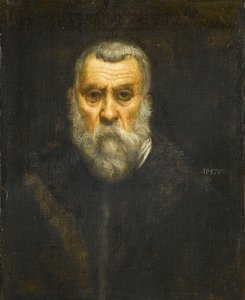
Jacopo Tintoretto
1518 - 1594 , Italia
Datos clave
- Artistas Influenciados: ['Caravaggio']
- Artistas Que Influyeron:
- Tiziano
- Miguel Ángel
- Fecha De Muerte: 1594
- Fecha De Nacimiento: 1518
- Lugar De Nacimiento: Venecia, Italia
- Movimiento Artístico: Manierismo, Renacimiento
- Nacionalidad: Veneciano
- Nombre Completo: Jacopo Tintoretto
- Obras Notables:
- El Milagro de San Marcos
- La Asunción de la Virgen
- La Última Cena
- Susanna y los Ancianos
Artículos relacionados

Jacopo Tintoretto: Las 25 Obras Maestras del Genio Veneciano | Arte y Decoración en ArtsDot
Descubre las 25 obras maestras de Jacopo Tintoretto, el genio veneciano del Renacimiento. Explora su arte dramático, composiciones innovadoras y paleta vibrante. Reproducciones de alta calidad en ArtsDot.com para transformar tu hogar.

The Dramatic Flourish: Exploring the Baroque Movement's Enduring Legacy in Art History
Explore the dramatic world of Baroque art! Discover iconic artists like Caravaggio & Rubens, defining techniques, and its lasting impact on art history. Expert insights for collectors & enthusiasts at ArtsDot.
The Dramatic Flourish: Exploring Baroque Painting's Emotional Intensity & Artistic Innovations
Explore the dramatic world of Baroque painting! Discover its history, defining characteristics, iconic artists like Caravaggio & Rubens, and lasting influence on Western art. Expert insights for collectors.

Barroco Sublime: 10 Obras Maestras que Definieron una Época |
Descubre las 10 obras maestras del Barroco que marcaron una época. Caravaggio, Bernini y Velázquez cobran vida en . Reproducciones de arte de calidad museo para decorar tu hogar con elegancia. ¡Explora la colección online!

Drama Barroca: Llevando la Grandeza y la Emoción a los Interiores Contemporáneos
Descubre cómo el drama y la grandeza del arte barroco pueden transformar tus interiores. Guía experta, inspiración y reproducciones de alta calidad en .