 Ver en contexto
 Enviar
 Compartir
 Detalles

 Descargar
 Similares
 Radiografía
 Presentación de diapositivas
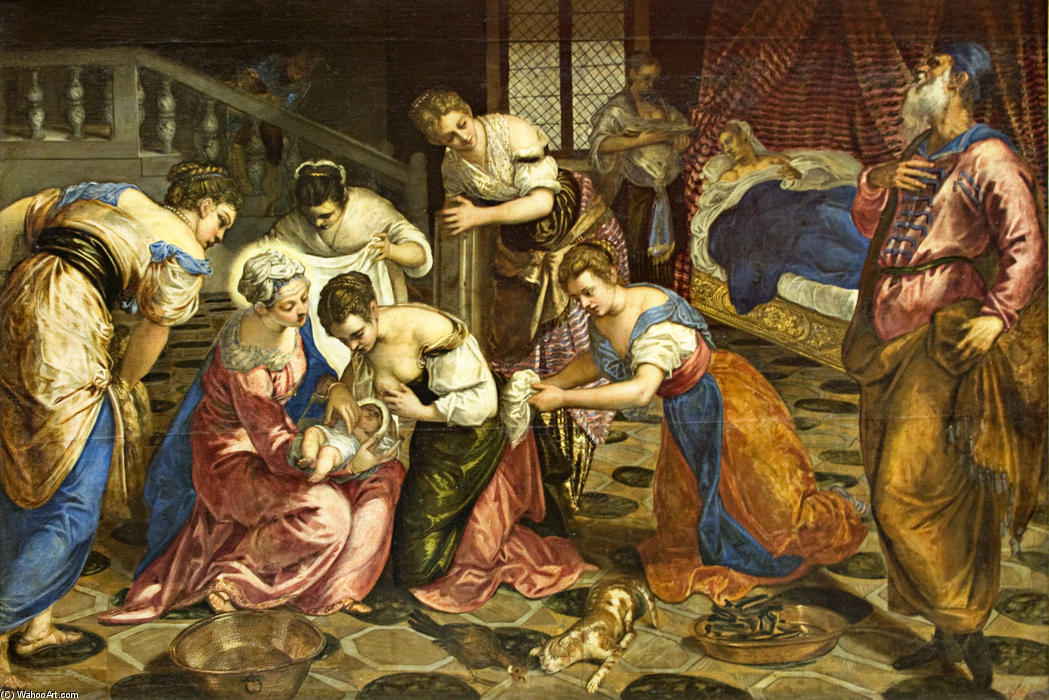
The Birth of John the Baptist
 Óleo sobre lienzo
- Arte de pared
- Baroque Drama Light
 1554
1554 181.0 x 26.0 cm
 Ver más
Reproducción al óleo hecha a mano
Óleo sobre lienzo pintado a mano en el tamaño y marco de su elección, realizado por encargo por nuestros artistas. ( Comprar impresión Comprar imagen)




P118B $10

P118H $10

P118W $10

P438Z $10

P508JH $12

P508YH $12

P805H $10

P805Z $10

P919BZ $10

P919G $10

P919XJ $10

P959ZH $10

P968JZ $12

W106C $8

W218G $10

W218JH $8

W218Y $10

W307PJ $10

W316G $10

W316PJ $8

W316Y $10

W398PJ $8

W4111J $10

W500HY $15

W500JH $15

W692G $12

W849H $8

W940BG $15

W953PJ $8




Elija entre nuestros tamaños predefinidos que respetan las proporciones originales de la obra.

Puede ingresar sus propias dimensiones para adaptarse a un marco o espacio específico. Si el tamaño seleccionado no coincide con las proporciones de la imagen original, recortaremos la obra o extenderemos la pintura con elementos adicionales pintados a mano. Se le enviará una maqueta digital para su aprobación antes de comenzar la producción.
Tenga en cuenta que la vista previa en pantalla no refleja el recorte o la extensión reales. Solo la maqueta mostrará con precisión la composición final.
Si bien existen tamaños personalizados, recomendamos seleccionar una dimensión de la lista predefinida para preservar las proporciones originales.
Tras realizar el pedido, el equipo de ArtsDot.com enviará un correo electrónico al cliente para solicitar instrucciones y proporcionarle una vista previa del boceto.
Envío a todo el mundo () en 3-4 semanas en lugar de las 5 semanas estándar. (24 agosto). Sin comprometer la calidad.

Envío exprés gratuito a todo el mundo

Lienzo de lino de alta calidad

Seguro de envío total

Garantía de reembolso de impuestos aduaneros

Garantía de fidelidad cromática exacta

Política de devolución de 60 días (solo por defectos)

Garantía de devolución del 100% del dinero

Descuento por cantidad
 La opción de vidrio solo está disponible en tamaños inferiores a 110 cm.

The Birth of John the Baptist
Técnica de reproducción
Dimensiones de la reproducción
-


Precio total final
$ 263
Descripción de la obra
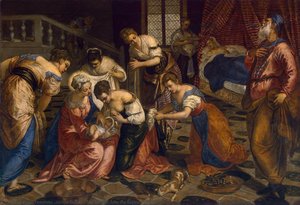
A Dramatic Revelation: Jacopo Tintoretto’s “The Birth of John the Baptist”
Tintoretto's "The Birth of John the Baptist," completed in 1554, isn’t merely a depiction of biblical narrative; it’s an audacious assertion of artistic vision—a cornerstone of Venetian Baroque and a testament to Jacopo Robusti’s singular genius. Painted during a period marked by fervent religious fervor and burgeoning humanist thought, this monumental canvas transcends simple storytelling, immersing the viewer in a realm of palpable emotion and masterful illusionism. The painting captures the pivotal moment when Saint Elizabeth receives the divine messenger announcing the imminent birth of John the Baptist—a scene brimming with spiritual significance and rendered with unparalleled dynamism.Style and Technique: Mastering Light and Shadow
Tintoretto’s distinctive style, honed through years of relentless experimentation, distinguishes him from his contemporaries. He rejected the prevailing Mannerist preoccupation with stylized forms and flattened perspectives, opting instead for a revolutionary approach to chiaroscuro—the dramatic interplay between light and dark—that would become synonymous with Venetian art. Observe how Tintoretto utilizes intense contrasts to sculpt figures out of darkness, creating an atmosphere of profound solemnity and conveying a sense of divine presence. His brushstrokes are bold, energetic, and layered, resulting in surfaces that shimmer with texture and depth – techniques he perfected through tireless observation of nature and anatomical studies. The artist’s masterful manipulation of light isn't merely decorative; it serves to heighten the emotional impact of the scene, guiding the eye across the composition and emphasizing key elements.Historical Context: Venice at the Crossroads
The Venetian Republic in the mid-16th century stood at a crossroads between Renaissance idealism and Baroque fervor. Artistic patronage flourished under influential families like Gonzaga and Dorsoduro, fostering an environment where innovation was actively encouraged. Tintoretto’s work reflects this spirit of experimentation, aligning him with artists who sought to redefine artistic conventions and express profound spiritual truths. The painting speaks to the anxieties surrounding papal authority and the burgeoning Protestant Reformation—themes that permeated Venetian intellectual life at the time. Yet, it also embodies a humanist conviction in the dignity of human experience, as evidenced by the careful depiction of Elizabeth’s face – conveying compassion and anticipation.Symbolism: Layers of Meaning Beyond the Surface
Beyond its immediate narrative portrayal, “The Birth of John the Baptist” is laden with symbolic resonance. The inclusion of animals—a dog representing loyalty and vigilance, a cat symbolizing purity—adds an element of pagan tradition to the biblical scene, subtly questioning established dogma. Mary’s kneeling posture signifies humility and devotion, while the figures surrounding her embody faith and compassion. Tintoretto's deliberate use of color contributes to the overall mood, favoring warm hues that evoke feelings of warmth and serenity amidst the dramatic darkness. The composition itself—a pyramidal structure—creates stability and grandeur, reinforcing the painting’s spiritual significance.Emotional Impact: A Window into Divine Grace
Ultimately, Tintoretto succeeds in transporting the viewer into the heart of a sacred moment. The palpable tension conveyed by Elizabeth's expression, combined with the luminous depiction of Mary and John, evokes feelings of awe and reverence. “The Birth of John the Baptist” isn’t simply a historical record; it’s an emotional experience—a profound meditation on faith, hope, and divine grace. It remains a captivating masterpiece that continues to inspire artists and collectors alike, demonstrating Tintoretto's unparalleled ability to capture the essence of human emotion within the framework of biblical storytelling.Obras relacionadas
Biografía del artista
Jacopo Tintoretto (1518-1594)
Primeros Años y Aprendizaje
- Nacido Jacopo Robusti en Venecia alrededor de finales de septiembre o principios de octubre de 1518.
- Su padre, Battista Robusti, era tintorero – por lo tanto, el apodo “Tintoretto” (“el pequeño tintorero”).
- Los detalles de su formación formal son escasos; los informes sugieren un breve y fallido aprendizaje con Tiziano.
- Probablemente se auto-enseñó, estudiando la anatomía a través de la disección y el dibujo a partir de moldes y relieves.
Desarrollo Artístico y Estilo
- El estilo de Tintoretto se caracteriza por composiciones dramáticas, figuras enérgicas y un audaz uso de la perspectiva.
- Sus primeras obras muestran una mezcla de influencias, incluyendo a Tiziano, Miguel Ángel y otros maestros venecianos.
- Desarrolló una técnica distintiva que involucraba pinceladas rápidas y efectos de iluminación innovadores – lo que le valió el apodo “Il Furioso” (“el furioso”).
- Su obra se movió hacia escenas cada vez más dinámicas y cargadas emocionalmente, a menudo con complejas disposiciones espaciales.
Obras Maestras y Logros
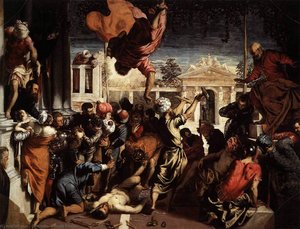
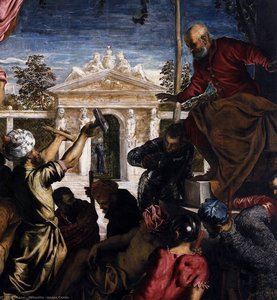
- El Milagro de San Marcos Liberando al Esclavo (1548): Un poderoso ejemplo de su composición dramática y habilidades de perspectiva.
- Trabajos en la Scuola Grande di San Rocco, Venecia: Incluyendo “La Asunción de la Virgen” y numerosos otros cuadros, que muestran su maestría en la narrativa y la escala.
- La Última Cena (1592-1594): Una obra monumental que demuestra su enfoque innovador para un tema tradicional.
- Numerosas pinturas religiosas e históricas para iglesias y palacios venecianos.
Influencias y Legado
- Fue influenciado por el colorismo de Tiziano y el estilo de figuras dinámicas de Miguel Ángel.
- La obra de Tintoretto conectó los espacios entre el Renacimiento y el Barroco, influyendo en artistas posteriores con sus composiciones dramáticas y pinceladas expresivas.
- Su uso innovador de la luz y la sombra anticipó técnicas utilizadas por Caravaggio y otros maestros del Barroco.
- Dejó atrás un vasto cuerpo de trabajo que continúa inspirando y cautivando al público hoy en día.
Significado Histórico
- Tintoretto fue uno de los tres grandes pintores venecianos del siglo XVI, junto con Tiziano y Paolo Veronese.
- Jugó un papel crucial en la configuración del panorama artístico de Venecia durante el Renacimiento tardío.
- Su obra refleja la fervor religioso y las tensiones políticas de su tiempo.
- El legado de Tintoretto como maestro de composición dramática y pintura expresiva perdura, consolidando su lugar como uno de los artistas más importantes de la historia.
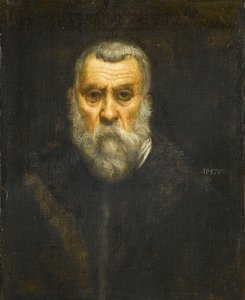
Jacopo Tintoretto
1518 - 1594 , Italia
Datos clave
- Artistas Influenciados: ['Caravaggio']
- Artistas Que Influyeron:
- Tiziano
- Miguel Ángel
- Fecha De Muerte: 1594
- Fecha De Nacimiento: 1518
- Lugar De Nacimiento: Venecia, Italia
- Movimiento Artístico: Manierismo, Renacimiento
- Nacionalidad: Veneciano
- Nombre Completo: Jacopo Tintoretto
- Obras Notables:
- El Milagro de San Marcos
- La Asunción de la Virgen
- La Última Cena
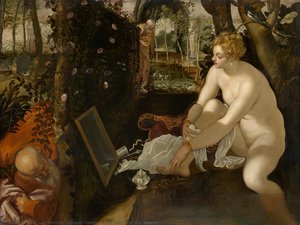
- Susanna y los Ancianos
Artículos relacionados

Jacopo Tintoretto: Las 25 Obras Maestras del Genio Veneciano | Arte y Decoración en ArtsDot
Descubre las 25 obras maestras de Jacopo Tintoretto, el genio veneciano del Renacimiento. Explora su arte dramático, composiciones innovadoras y paleta vibrante. Reproducciones de alta calidad en ArtsDot.com para transformar tu hogar.

John Singer Sargent: Las 25 Obras Maestras del Retrato y la Belle Époque | ArtsDot
Descubre las 25 obras maestras de John Singer Sargent, el maestro del retrato y la Belle Époque. Explora su técnica impresionista, historias fascinantes y encuentra reproducciones de arte exclusivas para decorar tu hogar con elegancia en ArtsDot.com.

John Constable: Las 25 Obras Maestras del Paisaje Inglés | ArtsDot
Descubre las 25 obras maestras de John Constable, el pintor romántico inglés que capturó la belleza del paisaje. Explora su técnica, historia y significado en ArtsDot.com. Reproducciones de arte de alta calidad para tu hogar.

The Dramatic Flourish: Exploring the Baroque Movement's Enduring Legacy in Art History
Explore the dramatic world of Baroque art! Discover iconic artists like Caravaggio & Rubens, defining techniques, and its lasting impact on art history. Expert insights for collectors & enthusiasts at ArtsDot.
Jacopo Palma il Giovane: A Venetian Master's Poetic Evolution
Explore the captivating world of Jacopo Palma il Giovane, a pivotal Venetian Renaissance master. Discover his unique style, influenced by Titian & Tintoretto, and learn about key works perfect for discerning collectors.