

 Ver en contexto
 Enviar
 Compartir
 Detalles

 Descargar
 Similares
 Radiografía
 Presentación de diapositivas
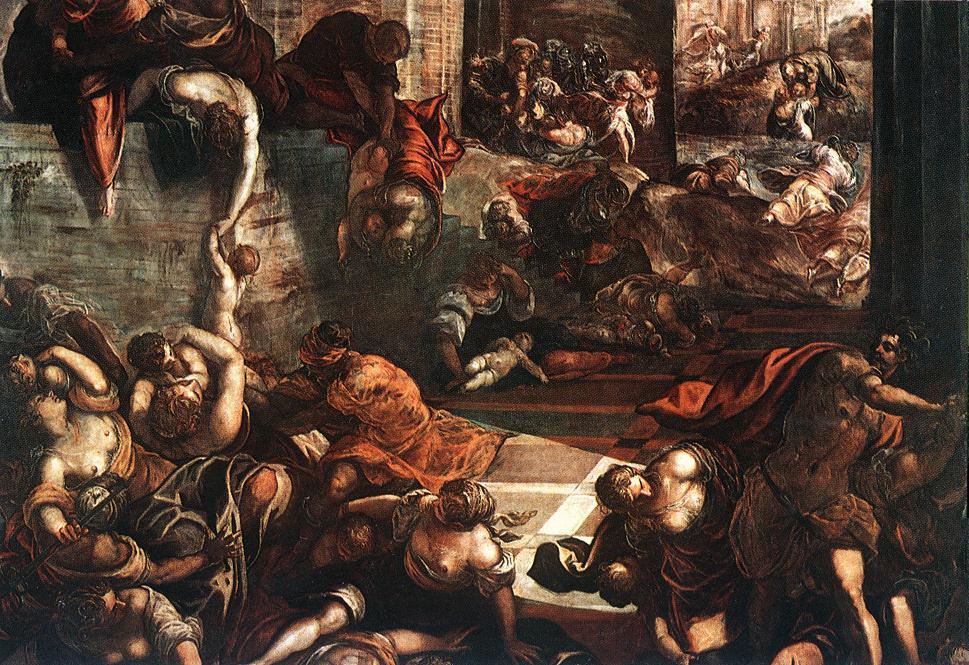
The Slaughter of the Innocents


 Ver más
Adquiera una imagen digital de alta resolución y optimizada, muy superior a la vista previa en línea.
Cada archivo es preparado meticulosamente por nuestros especialistas internos mediante el uso de herramientas avanzadas y un experto retoque manual. Nos aseguramos de que cada imagen posea una claridad excepcional, una precisión cromática impecable y un detalle minucioso.
El archivo final se entrega por correo electrónico en un plazo de 72 horas, optimizado para su uso inmediato en entornos profesionales, editoriales y de impresión. Esta es la misma calidad en la que confían los estudios de diseño, las editoriales y las galerías de primer nivel.
Imagen Digital
Descarga un archivo de alta resolución para exhibición personal, impresión y proyectos creativos. ( Comprar impresión Comprar pintura hecha a mano)
Incluido en cada pedido de imágenes digitales
Entrega digital experta, garantizada.
Al elegir ArtsDot.com, no solo está adquiriendo una imagen; está recibiendo una obra de arte digital mejorada profesionalmente, elaborada con precisión y respaldada por una garantía de satisfacción. Esto es todo lo que incluye su pedido, automáticamente:

Entrega rápida por email
Recibirá su archivo de imagen digital en alta resolución por correo electrónico en un plazo de 72 horas tras realizar su pedido, listo para su uso inmediato.

Archivo digital optimizado por IA
Su obra de arte se optimiza profesionalmente mediante herramientas avanzadas de IA y edición manual, garantizando el máximo detalle, claridad y precisión cromática.

Reenvío gratuito de por vida
¿Has borrado o perdido tu archivo por error? No te preocupes: te lo volveremos a enviar en cualquier momento, sin coste adicional.

Sin gastos de importación, siempre
Disfrute de su obra de arte al instante sin aduanas, aranceles ni gastos de envío; las descargas digitales siempre están libres de impuestos.

Garantía de fidelidad de color
Garantizamos que su imagen digital refleje los colores originales con la mayor fidelidad posible, mediante el uso de herramientas profesionales y gestión del color.

Garantía de satisfacción de 60 días
Si no está satisfecho con su imagen digital, la revisaremos o le reembolsaremos el 100% en un plazo de 60 días, sin preguntas.

100% Garantía de devolución de dinero
¿No está satisfecho? Obtenga un reembolso completo dentro de los 60 días posteriores a la recepción de su archivo digital, sin necesidad de explicaciones.

Descuentos por pedidos grandes
Compra 3 imágenes, ahorra 10% - Compra 5, ahorra 15% - Compra 10+, ahorra 20%. Ideal para proyectos creativos, galerías y agencias.
A Dramatic Testament to Human Suffering: Tintoretto’s *The Slaughter of the Innocents*
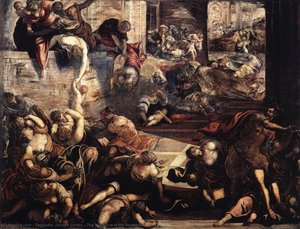
Jacopo Tintoretto's The Slaughter of the Innocents is not merely a depiction of a biblical event; it is a visceral, emotionally charged exploration of human suffering and despair. Painted during the tumultuous transition from the High Renaissance to the Baroque period in Venice around 1594, this monumental oil on canvas embodies Tintoretto’s mastery of dramatic composition, masterful use of light, and profound understanding of human psychology. The painting's sheer scale – though its exact dimensions remain unknown – immediately commands attention, drawing the viewer into a scene of unimaginable horror and devastation.
- Subject Matter: Based on the harrowing episode from the Book of Matthew, where Herod orders the massacre of all infant boys in Bethlehem to prevent the birth of Jesus, the painting captures the immediate aftermath of this brutal act.
- Compositional Drama: Tintoretto’s genius lies in his ability to orchestrate chaos and convey intense emotion through dynamic composition. The scene is fractured into distinct zones – a gathering around a table, a bedroom with a fallen child – each contributing to the overall sense of disarray and panic.
- Technical Brilliance: Tintoretto’s technique is characterized by rapid brushwork, bold color choices (primarily reds, browns, and golds), and an almost sculptural quality to his figures. He employed *sfumato*, a subtle blurring effect, to create depth and atmosphere, further intensifying the emotional impact of the scene.
The Venetian Baroque: Light, Emotion, and Narrative
Tintoretto’s work is inextricably linked to the burgeoning artistic landscape of Venice during the late 16th and early 17th centuries. The Venetian Baroque was a period defined by a rejection of the static elegance of the High Renaissance in favor of dynamic movement, intense emotion, and dramatic narratives. Influenced heavily by classical antiquity, Tintoretto sought to evoke a sense of awe and wonder through his art, often employing theatrical staging and heightened realism. His studio operated with remarkable efficiency, utilizing a team of assistants to execute large-scale commissions, allowing him to focus on the overall conceptualization and direction of his paintings.
- Influence of Classical Antiquity: Tintoretto’s understanding of classical sculpture and architecture is evident in the architectural elements within the scene – the suggestion of a palace alongside a church – reflecting a desire to connect with the grandeur of ancient Rome.
- Theatrical Staging: Like a stage set, the painting is meticulously designed to draw the viewer into the drama, utilizing perspective and spatial relationships to heighten the sense of immediacy.
Symbolism and Emotional Resonance
Beyond its narrative content, *The Slaughter of the Innocents* is laden with symbolic meaning. The depiction of innocent children – the most vulnerable members of society – underscores the themes of injustice, cruelty, and divine retribution. The varied expressions on the faces of the figures—shock, grief, terror—are remarkably poignant, conveying a profound sense of human suffering. The use of light, particularly the dramatic chiaroscuro effect, further amplifies this emotional intensity, highlighting key figures and casting others in shadow, symbolizing both hope and despair.
- The Child as Symbol: The infant victims represent innocence lost, a poignant reminder of humanity's capacity for evil.
- Light and Darkness: The interplay of light and darkness is crucial to the painting’s emotional impact, representing the struggle between good and evil, hope and despair.
A Timeless Masterpiece – Perfect for Display
Tintoretto's *The Slaughter of the Innocents* remains a profoundly moving and historically significant artwork. A hand-painted reproduction offers an unparalleled opportunity to experience the full power of this masterpiece in your own space. Whether adorning a grand salon or a more intimate setting, this iconic image will undoubtedly serve as a focal point for conversation and contemplation, a testament to Tintoretto’s genius and enduring legacy.
Obras relacionadas
Biografía del artista
Jacopo Tintoretto (1518-1594)
Primeros Años y Aprendizaje
- Nacido Jacopo Robusti en Venecia alrededor de finales de septiembre o principios de octubre de 1518.
- Su padre, Battista Robusti, era tintorero – por lo tanto, el apodo “Tintoretto” (“el pequeño tintorero”).
- Los detalles de su formación formal son escasos; los informes sugieren un breve y fallido aprendizaje con Tiziano.
- Probablemente se auto-enseñó, estudiando la anatomía a través de la disección y el dibujo a partir de moldes y relieves.
Desarrollo Artístico y Estilo
- El estilo de Tintoretto se caracteriza por composiciones dramáticas, figuras enérgicas y un audaz uso de la perspectiva.
- Sus primeras obras muestran una mezcla de influencias, incluyendo a Tiziano, Miguel Ángel y otros maestros venecianos.
- Desarrolló una técnica distintiva que involucraba pinceladas rápidas y efectos de iluminación innovadores – lo que le valió el apodo “Il Furioso” (“el furioso”).
- Su obra se movió hacia escenas cada vez más dinámicas y cargadas emocionalmente, a menudo con complejas disposiciones espaciales.
Obras Maestras y Logros
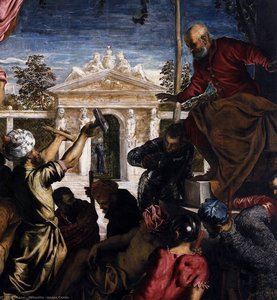
- El Milagro de San Marcos Liberando al Esclavo (1548): Un poderoso ejemplo de su composición dramática y habilidades de perspectiva.
- Trabajos en la Scuola Grande di San Rocco, Venecia: Incluyendo “La Asunción de la Virgen” y numerosos otros cuadros, que muestran su maestría en la narrativa y la escala.
- La Última Cena (1592-1594): Una obra monumental que demuestra su enfoque innovador para un tema tradicional.
- Numerosas pinturas religiosas e históricas para iglesias y palacios venecianos.
Influencias y Legado
- Fue influenciado por el colorismo de Tiziano y el estilo de figuras dinámicas de Miguel Ángel.
- La obra de Tintoretto conectó los espacios entre el Renacimiento y el Barroco, influyendo en artistas posteriores con sus composiciones dramáticas y pinceladas expresivas.
- Su uso innovador de la luz y la sombra anticipó técnicas utilizadas por Caravaggio y otros maestros del Barroco.
- Dejó atrás un vasto cuerpo de trabajo que continúa inspirando y cautivando al público hoy en día.
Significado Histórico
- Tintoretto fue uno de los tres grandes pintores venecianos del siglo XVI, junto con Tiziano y Paolo Veronese.
- Jugó un papel crucial en la configuración del panorama artístico de Venecia durante el Renacimiento tardío.
- Su obra refleja la fervor religioso y las tensiones políticas de su tiempo.
- El legado de Tintoretto como maestro de composición dramática y pintura expresiva perdura, consolidando su lugar como uno de los artistas más importantes de la historia.
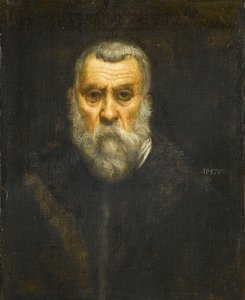
Jacopo Tintoretto
1518 - 1594 , Italia
Breves datos
- Artistas Influenciados: ['Caravaggio']
- Artistas Que Influyeron:
- Tiziano
- Miguel Ángel
- Fecha De Muerte: 1594
- Fecha De Nacimiento: 1518
- Lugar De Nacimiento: Venecia, Italia
- Movimiento Artístico: Manierismo, Renacimiento
- Nacionalidad: Veneciano
- Nombre Completo: Jacopo Tintoretto
- Obras Notables:
- El Milagro de San Marcos
- La Asunción de la Virgen
- La Última Cena
- Susanna y los Ancianos

