 Ver en contexto
 Enviar
 Compartir
 Detalles

 Descargar
 Similares
 Radiografía
 Presentación de diapositivas
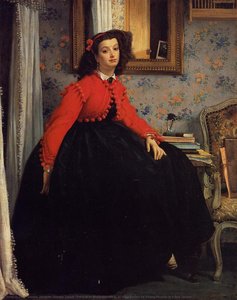
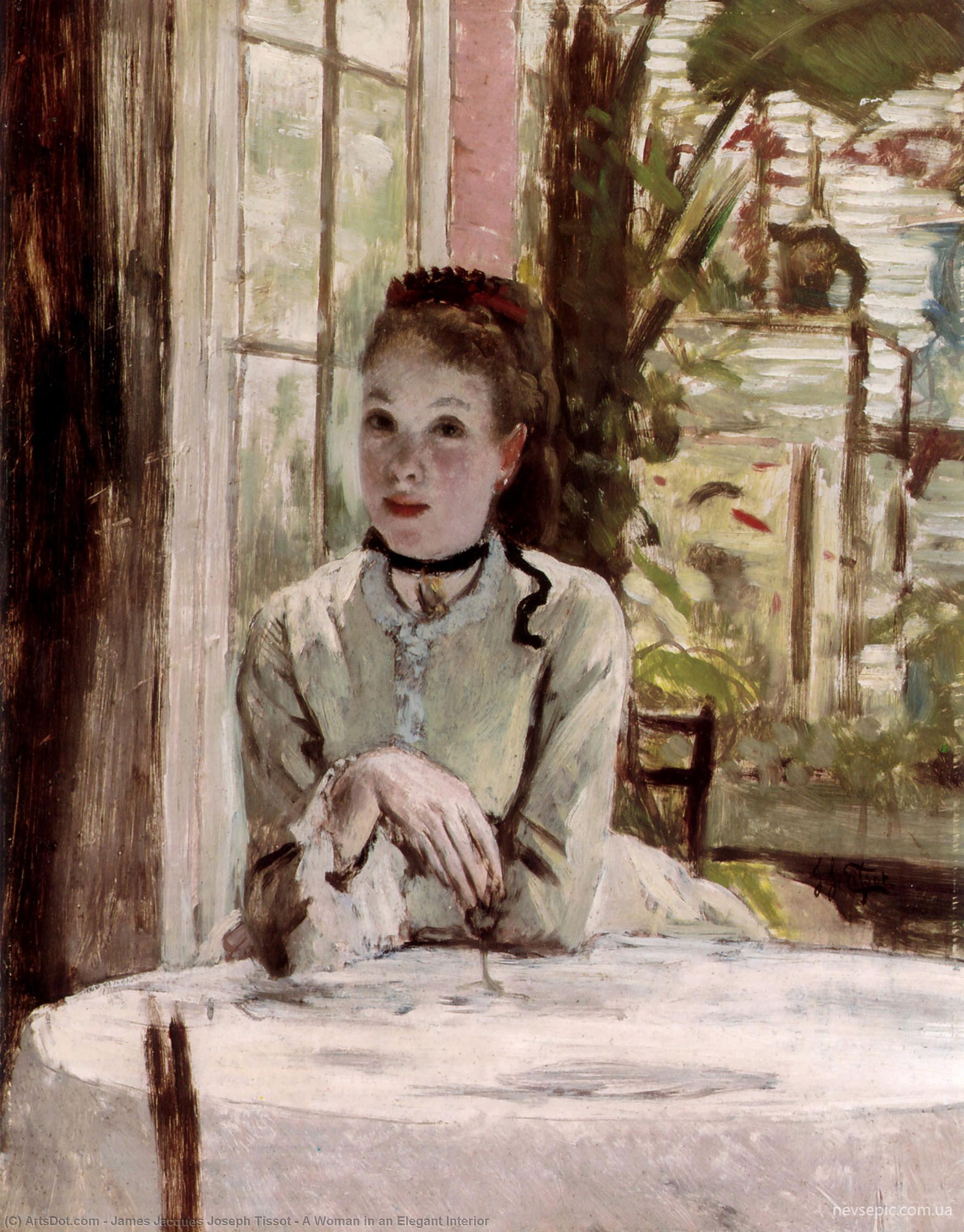
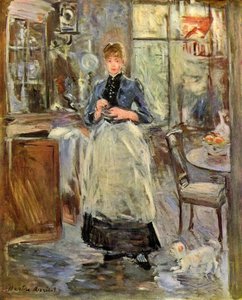
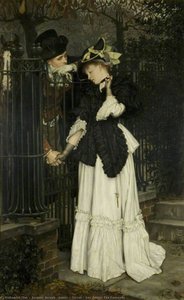
A Woman in an Elegant Interior
 Oil On Canvas
- WallArt
- Impressionism
 19th Century
 31.0 x 40.0 cm
 Ver más
Giclée / Impresión de arte
Impresiones giclée o en lienzo de calidad de museo con producción rápida y opciones de acabado flexibles. ( Comprar pintura hecha a mano Comprar imagen)




P118B $10

P118H $10

P118W $10

P438Z $10

P508JH $12

P508YH $12

P805H $10

P805Z $10

P919BZ $10

P919G $10

P919XJ $10

P959ZH $10

P968JZ $12

W106C $8

W218G $10

W218JH $8

W218Y $10

W307PJ $10

W316G $10

W316PJ $8

W316Y $10

W398PJ $8

W4111J $10

W500HY $15

W500JH $15

W692G $12

W849H $8

W940BG $15

W953PJ $8




Elija entre nuestros tamaños predefinidos que respetan las proporciones originales de la obra.

Puede introducir sus propias dimensiones para adaptarse a un marco o espacio específico. Si el tamaño seleccionado no coincide con las proporciones de la imagen original, recortaremos la obra de arte o extenderemos la imagen con un borde con efecto espejo o de color sólido. Se enviará una maqueta digital para su aprobación antes de que comience la producción.
Tenga en cuenta que la vista previa en pantalla no refleja el recorte o la extensión real. Solo la maqueta mostrará con precisión la composición final.
Aunque existen tamaños personalizados, recomendamos seleccionar una dimensión de la lista predefinida para preservar las proporciones originales.
Envío a todo el mundo () en 2 semanas en lugar de las 4/5 semanas estándar. (23 agosto)

Envío exprés gratuito a todo el mundo

Lienzo de lino de alta calidad

Seguro de envío total

Garantía de reembolso de impuestos aduaneros

Garantía de fidelidad cromática exacta

Política de devolución de 60 días (solo por defectos)

Garantía de devolución del 100% del dinero

Descuento por cantidad
 La opción de vidrio solo está disponible en tamaños inferiores a 110 cm.

A Woman in an Elegant Interior
Giclée / Impresión de arte
Dimensiones de la reproducción
-


Precio total final
$ 62
Descripción de la pieza
A Moment Frozen in Light
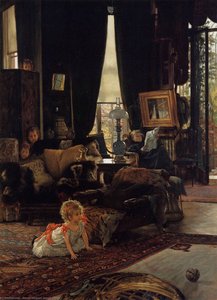
In the quiet corners of nineteenth-century Parisian life, there exist moments of profound stillness that transcend the passage of time. "A Woman in an Elegant Interior" by Jacques Joseph Tissot captures such a moment with unparalleled grace. The painting presents us with a solitary young woman, seated at a table, lost in a state of quiet contemplation. As she occupies the heart of the composition, the viewer is drawn into her private world—a space that feels both intimate and grand. There is an undeniable sense of atmosphere here; the soft, diffused light filtering through an unseen window bathes the scene in a gentle glow, suggesting a late afternoon where time seems to slow down. This is not merely a portrait of a person, but a portrait of a mood, evoking a delicate balance between domestic tranquility and a subtle, lingering sense of boredom or introspection.
The artistry of Tissot shines through his masterful use of the Impressionist style, where the focus shifts from rigid anatomical precision to the evocative power of light and texture. Rather than sharp, clinical lines, the artist employs loose, broken brushstrokes that allow colors to dance and blend upon the canvas. This technique creates a luminous quality, particularly in how the light interacts with the fabrics and the surfaces of the interior. By layering thin washes of oil paint, Tissot achieves a remarkable depth, where the background elements—though secondary to the subject—provide a rich, tonal context that anchors the figure within her elegant surroundings. The texture of the piece is a beautiful contradiction: smooth and glazed in areas of soft light, yet possessing a visible, rhythmic roughness that breathes life into the composition.
The Elegance of the Belle Époque
To understand this masterpiece, one must look to the era from which it emerged. Jacques Joseph Tissot was a premier chronicler of the Belle Époque, a period defined by optimism, fashion, and the flourishing of high society. His upbringing—the son of a draper and a milliner—gifted him with an extraordinary eye for the nuances of textile, lace, and sartorial elegance. In this painting, every brushstroke serves to celebrate the sophisticated domesticity of the age. While the symbolic elements are minimal, the very setting itself speaks volumes about the social strata of the time; the refined interior and the subject's poised demeanor reflect a world of leisure and cultivated taste.
For the discerning collector or the interior designer, this artwork offers more than just visual beauty; it provides an emotional anchor for a room. The painting’s palette, characterized by expressive yet harmonious tones, allows it to integrate seamlessly into various sophisticated decor styles, from classic traditionalism to modern chic. It serves as a window into a bygone era of refinement, making it an ideal centerpiece for those looking to infuse their space with a sense of history, quiet luxury, and timeless romanticism. Owning a high-quality reproduction of this work is an invitation to surround oneself with the enduring charm of Tissot’s vision, bringing the soft light and elegant soul of nineteenth-century France into the contemporary home.
Obras relacionadas

Biografía del artista
Jacques Joseph Tissot (James Tissot)
James Jacques Joseph Tissot (Nantes, Países del Loira; 15 de octubre de 1836-Chenecey-Buillon, Franco Condado; 8 de agosto de 1902) fue un pintor y grabador francés. Estudió en la École des Beaux-Arts de París bajo maestros de la talla de Ingres, Flandrin y Lamothe y expuso por primera vez en el Salón de París en 1859. En 1861 mostró “La Reunión de Fausto y Margarita”, que fue adquirido por el Estado para la galería de Luxemburgo. Este ambicioso proyecto señaló Tissot’s creciente prestigio como pintor capaz de capturar narrativas complejas y transmitir emociones profundas. Sus primeros años estuvieron marcados por una profunda sensibilidad artística, impulsada por un padre drapería comerciante y una madre milenaria que le inculcaron el amor por la artesanía y el detalle—cualidades que influirían profundamente en su visión artística.Carrera Temprana y Reconocimiento
Su debut en el Salón de París fue un punto decisivo: la presentación de “La Reunión de Fausto y Margarita”, una composición dramática que cautivó al público y obtuvo amplio reconocimiento crítico. Esta obra maestra capturaba la complejidad narrativa y la profundidad emocional, reflejando las preocupaciones y aspiraciones de sus personajes con una precisión excepcional. Posteriormente, otras exposiciones en el Salón consolidaron su posición dentro del establecimiento artístico francés, mostrando su evolución estilística y atrayendo encargos importantes de clientes destacados. Estos primeros éxitos alimentaron confianza y lo impulsaron hacia la exploración de nuevos temas y técnicas—una trayectoria que definiría su ilustre carrera.Género Pintura y Sociedad Victoriana
Tissot alcanzó el reconocimiento artístico con su serie “La Mujer en París”, una observación meticulosa del mundo de la sociedad parisina burguesa a finales del siglo XIX. Estas pinturas, caracterizadas por una paleta cromática luminosa y una magistral representación de texturas—especialmente tejidos—se convirtieron en sinónimo de capturar el atractivo y dinamismo de la Belle Époque. Su atención al detalle trascendía la mera representación visual; buscaba transmitir no solo apariencia sino también matices psicológicos, reflejando las inquietudes y aspiraciones de sus sujetos con una sensibilidad artística única. Esta obra maestra sigue siendo un testimonio del impacto del impresionismo en el arte francés de principios de siglo XX.Temas Bíblicos y Japonismo
A lo largo de su prolífica producción artística, Tissot abrazó diversas fuentes de inspiración—desde relatos medievales hasta escenas religiosas—demostrando una notable versatilidad. Sus pinturas bíblicas estaban impregnadas de profundidad espiritual y resonancia emocional, mostrando su capacidad para elevar la narración visual a la contemplación profunda. Simultáneamente, fue fascinado por el Japonismo—el entusiasmo por el arte japonés que atravesó Europa durante la época victoriana—que se manifiesta en composiciones cargadas de disposición asimétrica y armonía cromática evocadora de las estampas japonesas. Esta fusión estilística reflejó su curiosidad intelectual y su voluntad de experimentar con enfoques artísticos innovadores.Últimos años y Legado
Tras la muerte de Kathleen Newton, en 1882, Tissot sufrió una profunda pérdida sentimental que afectó profundamente su producción artística. Sin embargo, continuó creando obras excepcionales hasta su fallecimiento en 1902, dejando un legado artístico duradero que sigue inspirando admiración por su brillantez estética y representación evocadora de la vida victoriana y la fe cristiana. Su nombre permanece grabado en los museos más importantes de París y Londres como uno de los artistas más destacados del siglo XIX.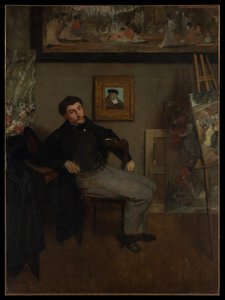
Jacques Joseph Tissot
1836 - 1902 , Francia
Datos clave
- Artistic Movement Or Style: Genre Painting
- Artists Or Movements Influenced By This Artist: ['Impressionism']
- Artists Who Influenced This Artist:
- Ingres
- Courbet
- Date Of Birth: October 15, 1836
- Date Of Death: August 8, 1902
- Full Name: Jacques Joseph Tissot
- Nationality: French
- Notable Artworks:
- The Meeting of Faust and Marguerite
- La Femme à Paris
- Place Of Birth: Nantes, France
Artículos relacionados

Alfred Munnings: Las 25 Obras Maestras del Pintor de Caballos | ArtsDot
Descubre las 25 obras maestras de Alfred Munnings, el pintor británico de caballos por excelencia. Explora su impresionismo inglés, escenas campestres y técnica única. Encuentra reproducciones de arte de alta calidad en ArtsDot.com.
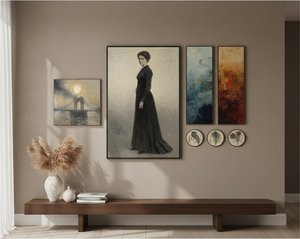
James Abbott McNeill Whistler: Las 25 Obras Maestras del Maestro del Arte y la Atmósfera | ArtsDot
Descubre las 25 obras maestras de James Abbott McNeill Whistler, el maestro del impresionismo y la armonía en arte. Explora retratos icónicos, nocturnos evocadores y su innovadora paleta de colores. Reproducciones de arte exclusivas en ArtsDot.com.
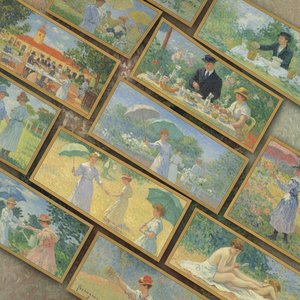
Renoir: Las 25 Obras Maestras del Impresionismo para Decorar tu Hogar con Arte
Descubre las 25 obras maestras de Renoir, el rey del impresionismo. Explora su técnica, historia y significado en cada pintura. Encuentra reproducciones de arte de alta calidad para decorar tu hogar con ArtsDot.com.
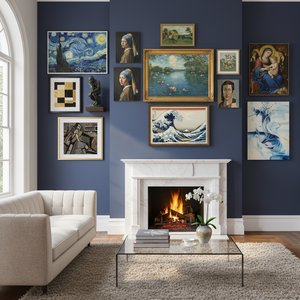
Elegancia en el Arte: 10 Obras Maestras para un Hogar Sofisticado |
Descubre 10 obras maestras que definen la elegancia en el arte clásico. Explora la historia de artistas como Monet y Renoir, sus técnicas y paletas sofisticadas. Encuentra reproducciones de arte de museo para un hogar refinado en .
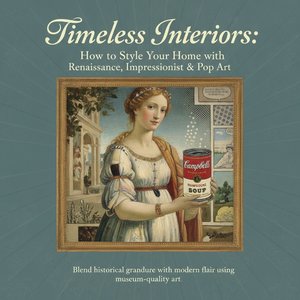
Más Allá de las Tendencias Efímeras: Cultivando Estéticas Interiores Duraderas a Través del Renacimiento, la Luz Impresionista y el Vibrante Pop Art
Descubre cómo crear un hogar con carácter atemporal combinando Renacimiento, Impresionismo y Pop Art. Reproducciones de alta calidad y asesoramiento experto en ArtsDot.com.