 Ver en contexto
 Enviar
 Compartir
 Detalles

 Descargar
 Similares
 Radiografía
 Presentación de diapositivas
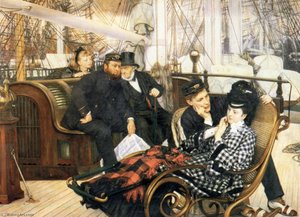
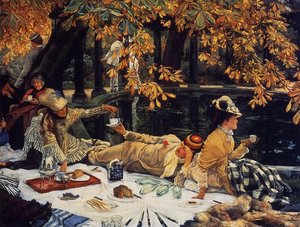
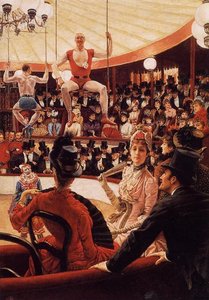
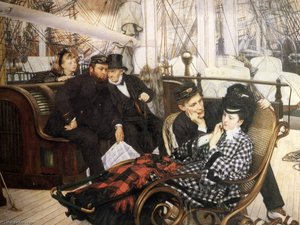
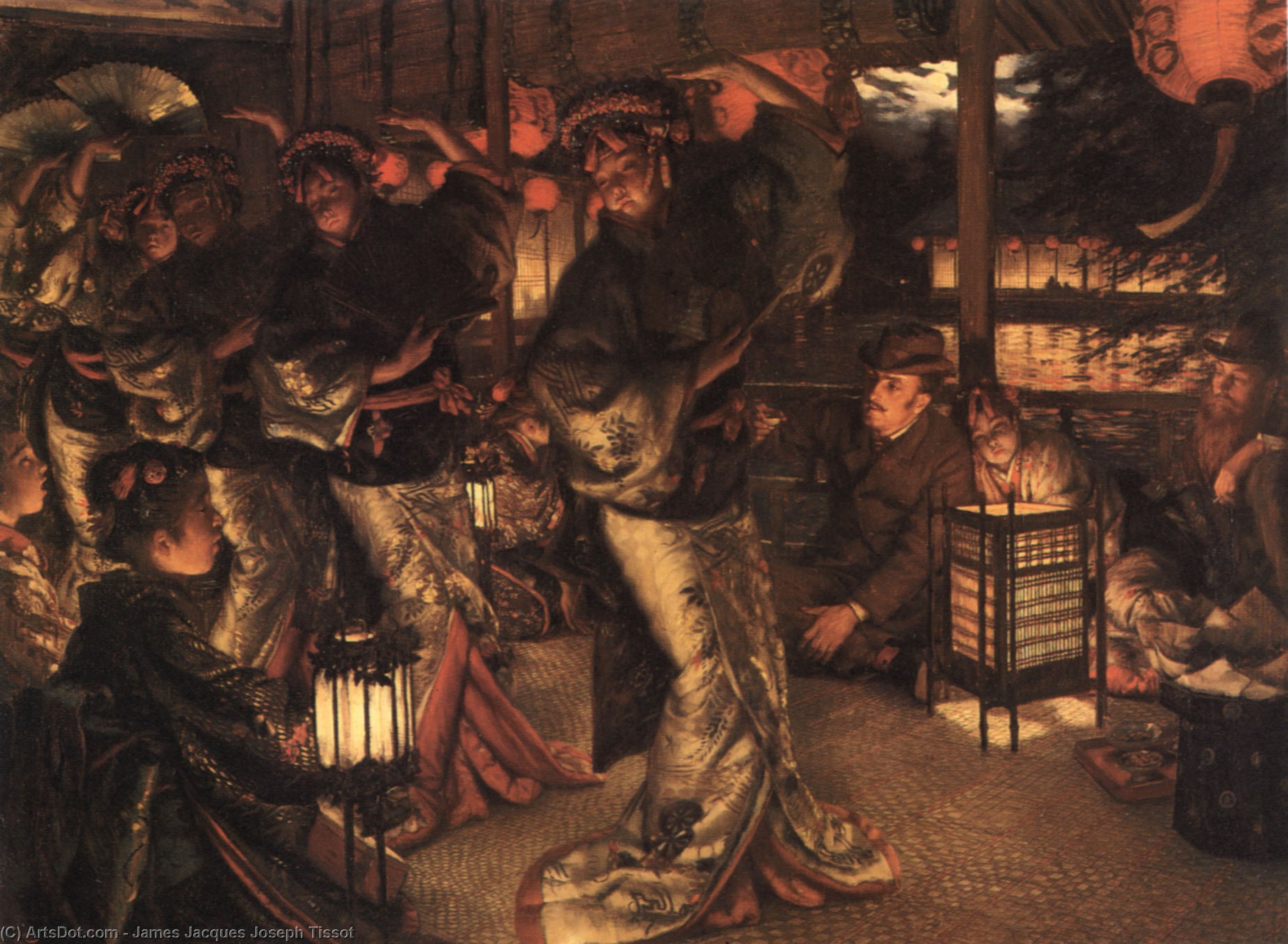
The Prodigal Son in Modern Life: The Departure
 Oil On Canvas
- WallArt
- Contemporary Realism
 1880
1880 130.0 x 100.0 cm
 Ver más
Giclée / Impresión de arte
Impresiones giclée o en lienzo de calidad de museo con producción rápida y opciones de acabado flexibles. ( Comprar pintura hecha a mano Comprar imagen)




P118B $10

P118H $10

P118W $10

P438Z $10

P508JH $12

P508YH $12

P805H $10

P805Z $10

P919BZ $10

P919G $10

P919XJ $10

P959ZH $10

P968JZ $12

W106C $8

W218G $10

W218JH $8

W218Y $10

W307PJ $10

W316G $10

W316PJ $8

W316Y $10

W398PJ $8

W4111J $10

W500HY $15

W500JH $15

W692G $12

W849H $8

W940BG $15

W953PJ $8




Elija entre nuestros tamaños predefinidos que respetan las proporciones originales de la obra.

Puede introducir sus propias dimensiones para adaptarse a un marco o espacio específico. Si el tamaño seleccionado no coincide con las proporciones de la imagen original, recortaremos la obra de arte o extenderemos la imagen con un borde con efecto espejo o de color sólido. Se enviará una maqueta digital para su aprobación antes de que comience la producción.
Tenga en cuenta que la vista previa en pantalla no refleja el recorte o la extensión real. Solo la maqueta mostrará con precisión la composición final.
Aunque existen tamaños personalizados, recomendamos seleccionar una dimensión de la lista predefinida para preservar las proporciones originales.
Envío a todo el mundo () en 2 semanas en lugar de las 4/5 semanas estándar. (25 agosto)

Envío exprés gratuito a todo el mundo

Lienzo de lino de alta calidad

Seguro de envío total

Garantía de reembolso de impuestos aduaneros

Garantía de fidelidad cromática exacta

Política de devolución de 60 días (solo por defectos)

Garantía de devolución del 100% del dinero

Descuento por cantidad
 La opción de vidrio solo está disponible en tamaños inferiores a 110 cm.

The Prodigal Son in Modern Life: The Departure
Giclée / Impresión de arte
Dimensiones de la reproducción
-


Precio total final
$ 62
Descripción de la pieza
The Prodigal Son in Modern Life: The Departure – A Tissot Masterpiece
- Artist: Jacques Joseph Tissot
- Year: 1880
- Size: 130 x 100 cm
- Location: Musee des Beaux-Arts, Nantes, France
A Study in Realism and Symbolism
Tissot's artistic style is immediately recognizable through his unwavering commitment to detail and accuracy. He eschews romanticized depictions in favor of a rigorously observed realism, a technique honed during his formative years at the École des Beaux-Arts under the tutelage of masters like Ingres. This dedication is evident in every brushstroke – from the meticulously rendered fabrics of the clothing to the subtle nuances of expression on each figure’s face. The composition itself is carefully constructed to guide the viewer's eye, beginning with the central figure—a young man poised at a window, his gaze fixed outwards with an almost palpable longing. This posture immediately establishes him as the “prodigal son,” embarking on a journey of departure, a symbolic act of rebellion against the established order represented by the gathering within the room. The dining table, laden with objects – vases, books, and chairs – serves as a potent symbol of the life he is leaving behind: a world of shared meals, intellectual pursuits, and familial harmony.Decoding the Narrative
Beyond its surface realism, “The Prodigal Son in Modern Life” is rich in symbolic meaning. The scattered books are not merely decorative elements; they represent the pursuit of knowledge and the broadening horizons that the prodigal son seeks. The clock on the wall subtly underscores the passage of time, a constant reminder of lost opportunities and the irreversible nature of choices. Tissot’s skillful use of light and shadow further enhances the painting's dramatic effect, drawing attention to key elements and creating a sense of depth and atmosphere. The muted color palette – dominated by browns, grays, and creams – contributes to the overall mood of quiet contemplation and melancholy. The figures themselves are rendered with a remarkable degree of psychological realism, conveying a range of emotions from wistful longing to detached observation.Historical Context and Lasting Relevance
Created during a period of significant social change, “The Prodigal Son in Modern Life” reflects the anxieties and aspirations of a generation grappling with the rise of industrialization, urbanization, and new ideas about individual liberty. Tissot’s work captures the tension between traditional values – represented by the family gathering – and the desire for personal fulfillment that was becoming increasingly prevalent at the time. This painting's themes—the conflict between obligation and desire, the search for identity, and the consequences of impulsive decisions—remain profoundly relevant in contemporary society. It’s a testament to Tissot’s artistic vision that this work continues to inspire artists and audiences alike, solidifying its place as a significant example of 19th-century realism and a powerful exploration of the human condition.Obras relacionadas

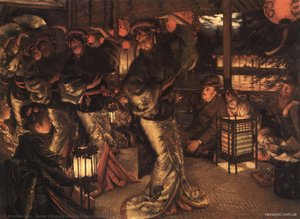
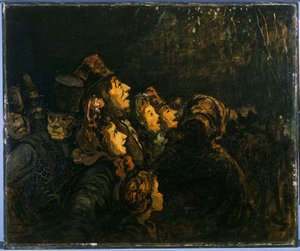
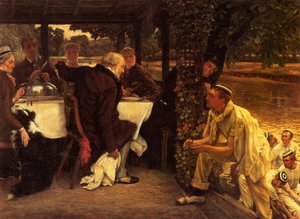
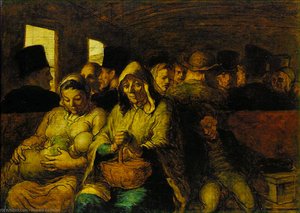
Biografía del artista
Jacques Joseph Tissot (James Tissot)
James Jacques Joseph Tissot (Nantes, Países del Loira; 15 de octubre de 1836-Chenecey-Buillon, Franco Condado; 8 de agosto de 1902) fue un pintor y grabador francés. Estudió en la École des Beaux-Arts de París bajo maestros de la talla de Ingres, Flandrin y Lamothe y expuso por primera vez en el Salón de París en 1859. En 1861 mostró “La Reunión de Fausto y Margarita”, que fue adquirido por el Estado para la galería de Luxemburgo. Este ambicioso proyecto señaló Tissot’s creciente prestigio como pintor capaz de capturar narrativas complejas y transmitir emociones profundas. Sus primeros años estuvieron marcados por una profunda sensibilidad artística, impulsada por un padre drapería comerciante y una madre milenaria que le inculcaron el amor por la artesanía y el detalle—cualidades que influirían profundamente en su visión artística.Carrera Temprana y Reconocimiento
Su debut en el Salón de París fue un punto decisivo: la presentación de “La Reunión de Fausto y Margarita”, una composición dramática que cautivó al público y obtuvo amplio reconocimiento crítico. Esta obra maestra capturaba la complejidad narrativa y la profundidad emocional, reflejando las preocupaciones y aspiraciones de sus personajes con una precisión excepcional. Posteriormente, otras exposiciones en el Salón consolidaron su posición dentro del establecimiento artístico francés, mostrando su evolución estilística y atrayendo encargos importantes de clientes destacados. Estos primeros éxitos alimentaron confianza y lo impulsaron hacia la exploración de nuevos temas y técnicas—una trayectoria que definiría su ilustre carrera.Género Pintura y Sociedad Victoriana
Tissot alcanzó el reconocimiento artístico con su serie “La Mujer en París”, una observación meticulosa del mundo de la sociedad parisina burguesa a finales del siglo XIX. Estas pinturas, caracterizadas por una paleta cromática luminosa y una magistral representación de texturas—especialmente tejidos—se convirtieron en sinónimo de capturar el atractivo y dinamismo de la Belle Époque. Su atención al detalle trascendía la mera representación visual; buscaba transmitir no solo apariencia sino también matices psicológicos, reflejando las inquietudes y aspiraciones de sus sujetos con una sensibilidad artística única. Esta obra maestra sigue siendo un testimonio del impacto del impresionismo en el arte francés de principios de siglo XX.Temas Bíblicos y Japonismo
A lo largo de su prolífica producción artística, Tissot abrazó diversas fuentes de inspiración—desde relatos medievales hasta escenas religiosas—demostrando una notable versatilidad. Sus pinturas bíblicas estaban impregnadas de profundidad espiritual y resonancia emocional, mostrando su capacidad para elevar la narración visual a la contemplación profunda. Simultáneamente, fue fascinado por el Japonismo—el entusiasmo por el arte japonés que atravesó Europa durante la época victoriana—que se manifiesta en composiciones cargadas de disposición asimétrica y armonía cromática evocadora de las estampas japonesas. Esta fusión estilística reflejó su curiosidad intelectual y su voluntad de experimentar con enfoques artísticos innovadores.Últimos años y Legado
Tras la muerte de Kathleen Newton, en 1882, Tissot sufrió una profunda pérdida sentimental que afectó profundamente su producción artística. Sin embargo, continuó creando obras excepcionales hasta su fallecimiento en 1902, dejando un legado artístico duradero que sigue inspirando admiración por su brillantez estética y representación evocadora de la vida victoriana y la fe cristiana. Su nombre permanece grabado en los museos más importantes de París y Londres como uno de los artistas más destacados del siglo XIX.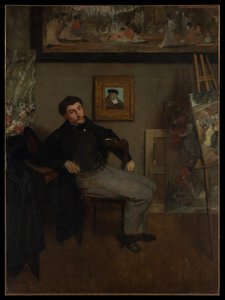
Jacques Joseph Tissot
1836 - 1902 , Francia
Datos clave
- Artistic Movement Or Style: Genre Painting
- Artists Or Movements Influenced By This Artist: ['Impressionism']
- Artists Who Influenced This Artist:
- Ingres
- Courbet
- Date Of Birth: October 15, 1836
- Date Of Death: August 8, 1902
- Full Name: Jacques Joseph Tissot
- Nationality: French
- Notable Artworks:
- The Meeting of Faust and Marguerite
- La Femme à Paris
- Place Of Birth: Nantes, France
Artículos relacionados

Giclée Prints: Archival Quality & Aesthetic Nuances for the Discerning Collector
Explore the world of giclée prints with ArtsDot. Learn about archival quality, aesthetic nuances & investment potential. Expert guidance for discerning art collectors seeking museum-quality reproductions and lasting value.
Transforming Spaces: A Comprehensive Exploration of Wall Decor Through Art History & Contemporary Practice
Explore the art of transforming spaces with our comprehensive guide to wall decor. From historical movements to contemporary trends, discover how to curate impactful interiors and commission bespoke artwork for a truly personalized aesthetic.
Marianne North: Las 25 Obras Maestras de una Artista Victoriana en ArtsDot
Descubre las 25 obras maestras de Marianne North, la artista victoriana que capturó la belleza exótica de la botánica. Pinturas vibrantes y llenas de historia. Reproducciones de arte exclusivas en ArtsDot.com.

Echoes of Time: Exploring the Enduring Appeal & Historical Context of Vintage Art Prints
Explore the captivating world of vintage art prints! Discover their history, collecting tips & enduring appeal. Expert insights on chromolithography and building a legacy collection with ArtsDot.
El Regreso del Fresco: Murales de Lujo para un Diseño Exclusivo
Descubre el arte del fresco: guía completa sobre técnicas, diseño y aplicaciones de lujo. Expertos en murales personalizados para hoteles y espacios exclusivos. ¡Transforma tu espacio con !