

 Enviar
 Compartir
 Detalles

 Descargar
 Similares
 Presentación de diapositivas
 Stats
StatsSaint Luke Painting\nthe Virgin Mary
 Wood
Wood- Sculpture
- Baroque
 Renaissance
 113.0 x 138.0 cm
 Museo Nacional de Varsovia
 Ver más
Adquiera una imagen digital de alta resolución y optimizada, muy superior a la vista previa en línea.
Cada archivo es preparado meticulosamente por nuestros especialistas internos mediante el uso de herramientas avanzadas y un experto retoque manual. Nos aseguramos de que cada imagen posea una claridad excepcional, una precisión cromática impecable y un detalle minucioso.
El archivo final se entrega por correo electrónico en un plazo de 72 horas, optimizado para su uso inmediato en entornos profesionales, editoriales y de impresión. Esta es la misma calidad en la que confían los estudios de diseño, las editoriales y las galerías de primer nivel.
Imagen Digital
Descarga un archivo de alta resolución para exhibición personal, impresión y proyectos creativos. ( Switch to Print Comprar pintura hecha a mano)
Incluido en cada pedido de imágenes digitales
Entrega digital experta, garantizada.
Al elegir ArtsDot.com, no solo está adquiriendo una imagen; está recibiendo una obra de arte digital mejorada profesionalmente, elaborada con precisión y respaldada por una garantía de satisfacción. Esto es todo lo que incluye su pedido, automáticamente:

Entrega rápida por email
Recibirá su archivo de imagen digital en alta resolución por correo electrónico en un plazo de 72 horas tras realizar su pedido, listo para su uso inmediato.

Archivo digital optimizado por IA
Su obra de arte se optimiza profesionalmente mediante herramientas avanzadas de IA y edición manual, garantizando el máximo detalle, claridad y precisión cromática.

Reenvío gratuito de por vida
¿Has borrado o perdido tu archivo por error? No te preocupes: te lo volveremos a enviar en cualquier momento, sin coste adicional.

Sin gastos de importación, siempre
Disfrute de su obra de arte al instante sin aduanas, aranceles ni gastos de envío; las descargas digitales siempre están libres de impuestos.

Garantía de fidelidad de color
Garantizamos que su imagen digital refleje los colores originales con la mayor fidelidad posible, mediante el uso de herramientas profesionales y gestión del color.

Garantía de satisfacción de 100 días
Si no está satisfecho con su imagen digital, la revisaremos o le reembolsaremos el 100% en un plazo de 100 días, sin preguntas.

100% Garantía de devolución de dinero
¿No está satisfecho? Obtenga un reembolso completo dentro de los 100 días posteriores a la recepción de su archivo digital, sin preguntas.

Descuentos por pedidos grandes
Compra 3 imágenes, ahorra 10% - Compra 5, ahorra 15% - Compra 10+, ahorra 20%. Ideal para proyectos creativos, galerías y agencias.
A Divine Intersection of Art and Legend
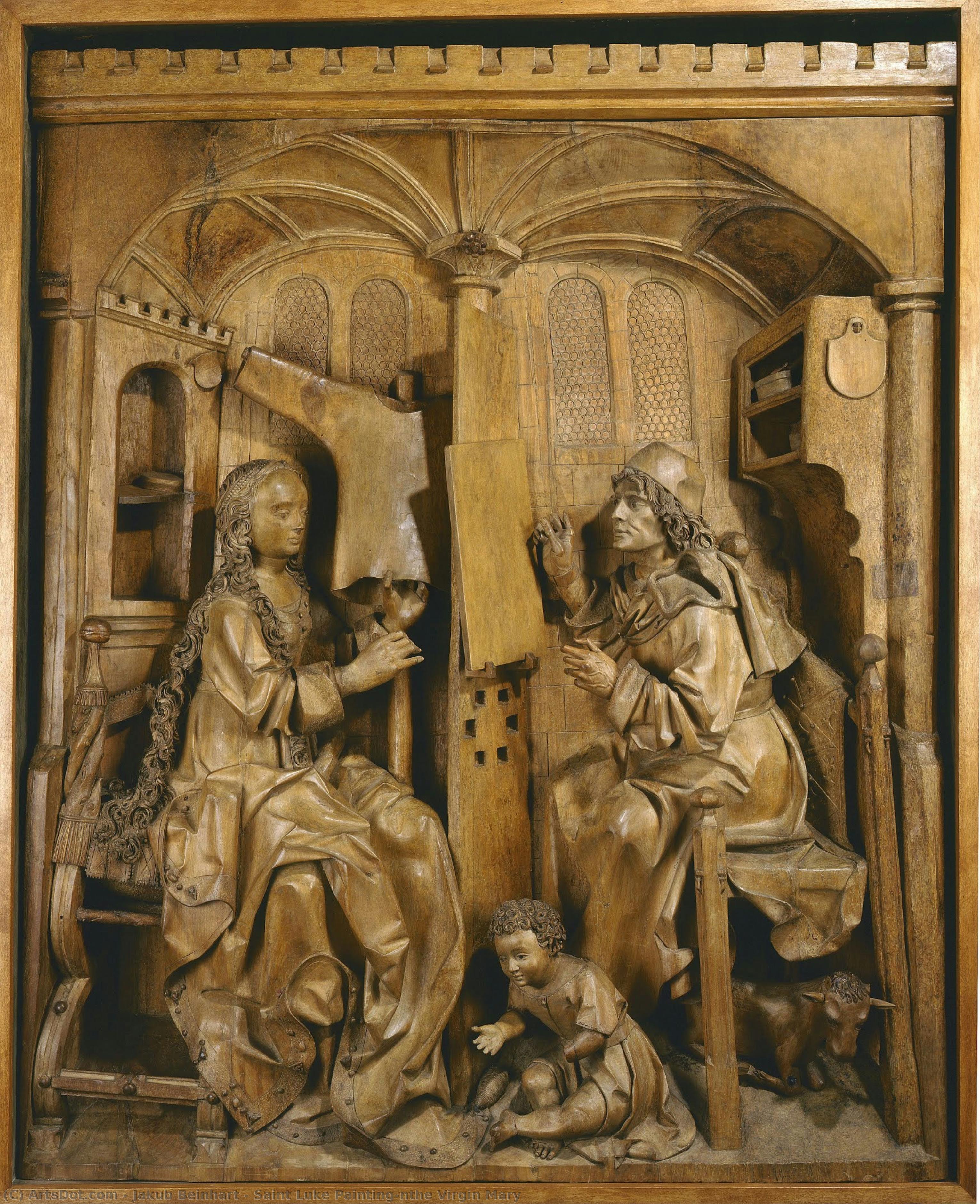
In the quiet, hallowed atmosphere of religious history, few narratives are as enchanting as the legend of Saint Luke the Evangelist capturing the divine essence of the Virgin Mary upon a canvas. The relief sculpture by Jakub Beinhart, titled Saint Luke Painting the Virgin Mary, serves as a profound physical manifestation of this myth. This masterpiece does not merely depict a scene; it captures a moment where the mortal hand meets the celestial subject. Within this intricate work, we find a dual narrative: the creation of a miraculous portrait and the weaving of Christ’s seamless tunic. The composition invites the viewer into a sacred workshop, where the act of artistic creation is elevated to a form of prayer, making it an irresistible centerpiece for any collection dedicated to the profound intersections of faith and fine art.
The subject matter delves deep into the biblical symbolism found in the Gospel of St. John. As Mary weaves the tunic for Jesus—a garment destined to be famously torn by Roman soldiers—the artist juxtaposes this physical labor with the spiritual labor of Saint Luke’s brushwork. This connection suggests that both the woven cloth and the painted image are relics of a divine truth. For the discerning collector or interior designer, this piece offers a rich tapestry of storytelling, where every detail, from the Child at play to the focused intensity of the figures, contributes to a larger theological dialogue about the preservation of the sacred through human craftsmanship.
Mastery of Form and Natural Elegance
What distinguishes Beinhart’s work is his extraordinary decision to eschew the traditional use of vibrant pigments in favor of the raw, honest beauty of natural wood. This stylistic choice lends the relief an organic warmth and a timeless quality that color might otherwise obscure. By working with the grain and texture of the medium, Beinhart achieves a sense of depth and dimension that makes the figures appear almost lifelike, as if they were breathing within the very timber from which they were carved. The technique reflects a sophisticated understanding of the German sculptural traditions of the late 15th and early 16th centuries, specifically echoing the refined styles found in Swabia and Franconia.
The visual impact of this piece is characterized by its remarkable finish and the delicate interplay of light and shadow across the wooden surfaces. For those seeking to adorn a space with art that evokes both historical gravity and understated elegance, this work provides an unparalleled aesthetic experience. It possesses a quiet power that does not demand attention through loudness, but rather commands it through intricacy and soul. Whether placed in a classical study, a grand hall, or a contemporary gallery setting, a high-quality reproduction of this relief brings with it the weight of history and the serene beauty of the Baroque era's most visionary craftsmanship.
Obras relacionadas
Biografía del artista
Jakub Beinhart: A Visionary Sculptor of Baroque Würzburg
Jakub Beinhart (c. 1483 – 1560), born in Geislingen am Gladbach, Germany, stands as a singular figure within the artistic landscape of the German Baroque era. His legacy resides primarily in his monumental sandstone sculpture of the Madonna and Child adorning the north side of St Mary Magdelene Church in Würzburg—a testament to both technical prowess and profound spiritual conviction. While biographical details remain scarce, scholarly research illuminates a life dedicated to craftsmanship and artistic mentorship, shaping the artistic trajectory of several prominent sculptors within Bavaria.- Early Life & Training: Born around 1483 in Geislingen am Gladbach, Beinhart’s formative years were steeped in the traditions of Germanic sculpture. Precise documentation is elusive, yet evidence suggests he honed his skills under the tutelage of Johann Schäufele, a celebrated sculptor whose workshop served as a crucible for artistic innovation during the period.
- Migration & Citizenship: Recognizing the burgeoning opportunities offered by Breslau (now Wrocław), Beinhart formally adopted citizenship on February 14th, 1503. This relocation marked not merely a geographical shift but also an embrace of intellectual and cultural currents circulating within the Polish-Lithuanian Commonwealth—a region renowned for its patronage of the arts.
- Würzburg & The Madonna Sculpture: Beinhart’s artistic zenith arrived in Würzburg, where he accepted a commission from Johann Georg Fuchs von Waldhausen to create a monumental sculpture commemorating the coronation of Maximilian I. This undertaking resulted in the breathtaking sandstone Madonna and Child—a masterpiece embodying the stylistic hallmarks of Baroque art: dynamic drapery, expressive faces, and meticulous attention to detail. The sculpture’s placement within St Mary Magdelene Church underscores its significance as a devotional icon.
Stylistic Influences & Artistic Technique
Beinhart's sculptural style reflects the broader artistic currents of his time, drawing heavily from Flemish Mannerism and Italian Renaissance precedents. The drapery in particular exhibits an unparalleled dynamism—folds ripple with palpable energy, conveying a sense of movement that transcends mere representation. This stylistic choice aligns seamlessly with the prevailing aesthetic sensibilities championed by artists like Michelangelo Buonarroti and Andrea del Sarto.Legacy & Historical Significance
Jakub Beinhart’s contribution to Baroque art transcends mere stylistic imitation; he established himself as a pivotal figure in fostering artistic talent within Bavaria. He mentored numerous apprentices, disseminating his knowledge and inspiring them to pursue excellence in sculptural craftsmanship. Furthermore, the Madonna sculpture remains an enduring symbol of piety and artistic achievement—a cornerstone of Würzburg Cathedral’s architectural grandeur and a testament to the transformative power of patronage.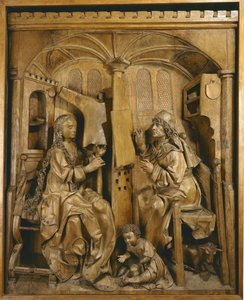
jakub beinhart
Germany
Breves datos
- Artistic Movement Or Style: Baroque
- Date Of Birth: February 1483
- Full Name: Jakub Beinhart
- Nationality: German
- Notable Artworks: ['Madonna and Child']
- Place Of Birth: Geislingen am Gladbach, Germany